
Bake Canned Cinnamon Rolls into ‘Guts’ for the Ultimate Viral Halloween Dessert

 Halloween Food & Parties
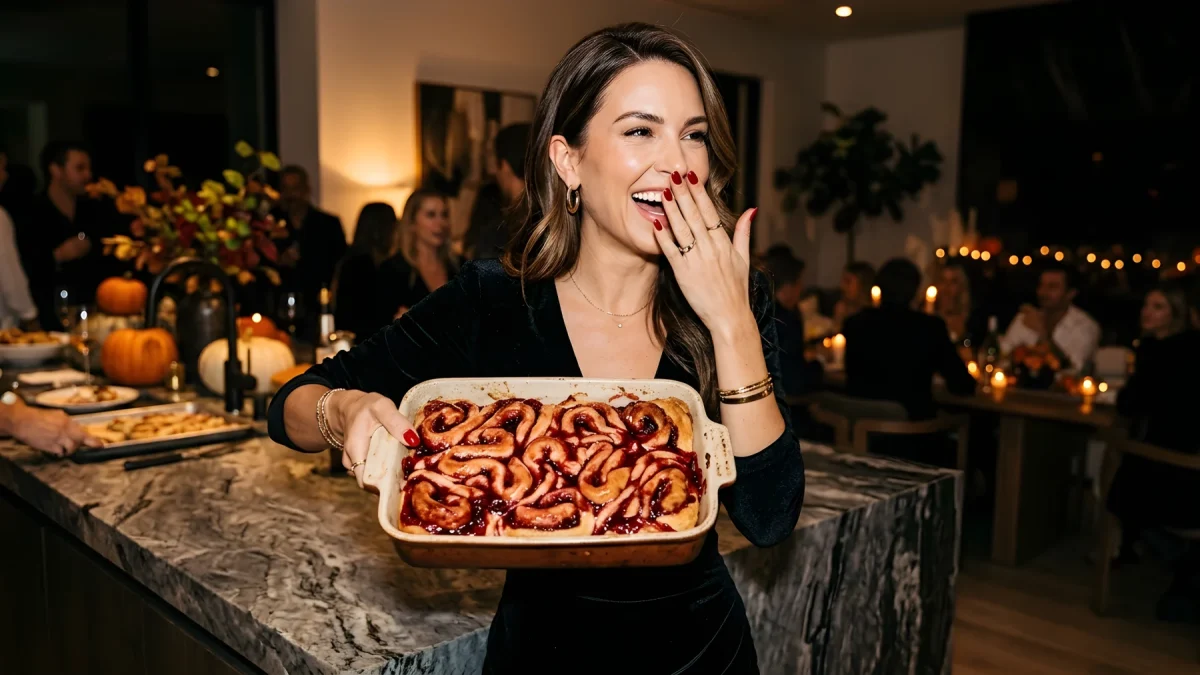
Canned cinnamon dough arranged into winding ribbons creates a deceptively realistic intestinal effect once baked and glazed.
Baking store-bought canned cinnamon rolls into an unsettling pan of glazed “guts” delivers the ultimate shock-value Halloween dessert that tastes just as incredible as it looks grotesque. By unrolling refrigerated dough strips into tight intestinal squiggles and drenching them in crimson-dyed icing, party hosts create an unforgettable centerpiece with standard pantry staples and less than ten minutes of hands-on prep time.
Seasonal party spreads generally fall into three distinct styling categories: friendly smiling pumpkin cookies, moody gothic elegance like dark goblets and spiderweb deviled eggs, and unapologetic visceral gross-out creations. While ultra-cute cupcakes remain a staple, hyper-realistic anatomical bakes consistently generate the strongest crowd reactions. The real trick lies in using genuinely delicious, warm comfort foods dressed up as visual nightmares.
The Mechanics of Assembling Cinnamon Roll Intestines
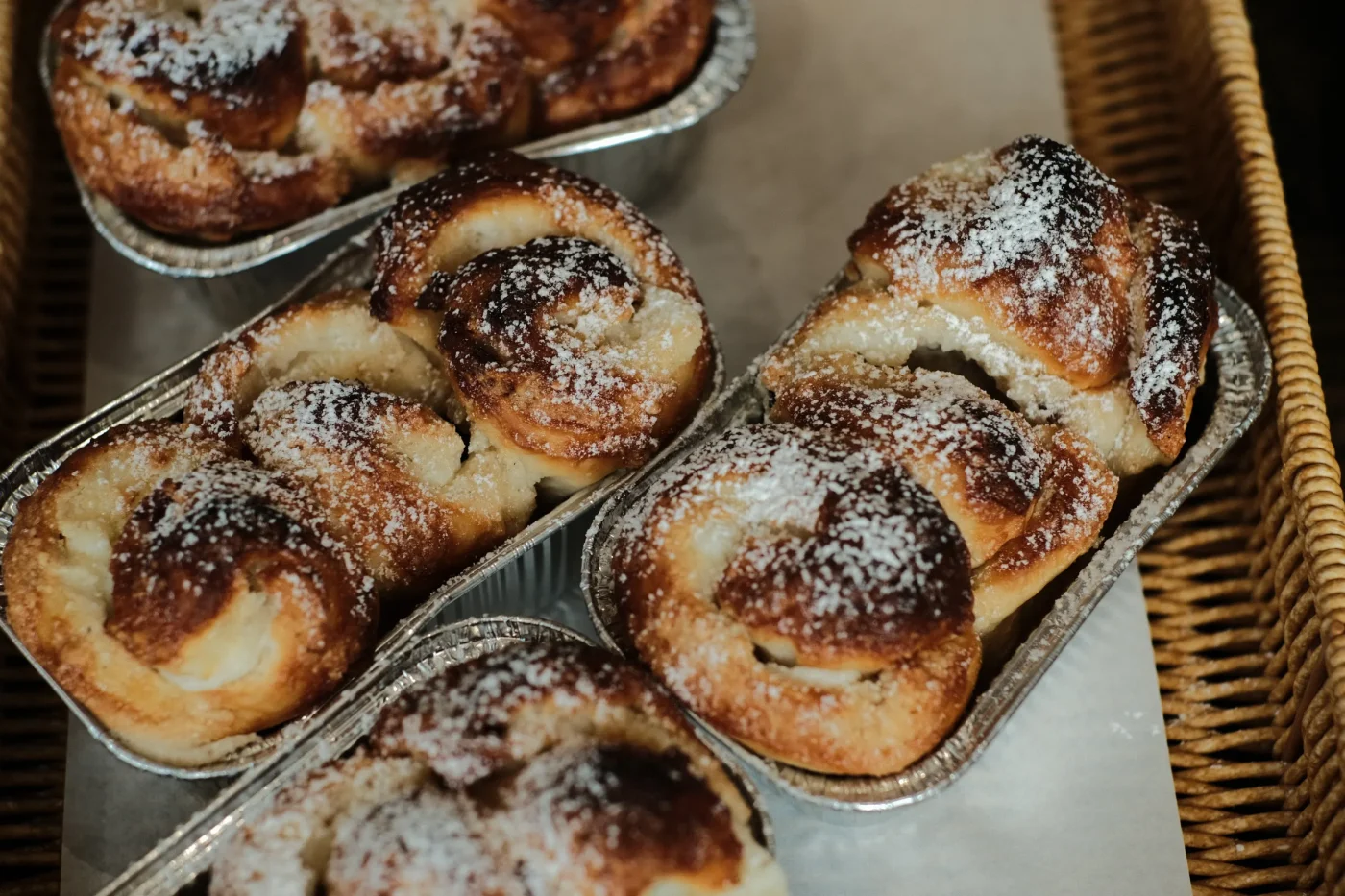
The illusion relies entirely on disrupting the traditional spiral shape of canned cinnamon rolls. Instead of baking the rolls as pre-cut rounds, you unfurl each segment into long, pliable ribbons of dough. These strips are then wound back and forth across a greased baking dish in tight, serpentine curves to mirror anatomical contours.
Pan density is the secret to making the visual work. If the dough strips are spaced too far apart, the pastry expands outward during baking and turns into generic zigzags rather than organic folds.
- Unfurl the dough: Open two cans of standard refrigerated cinnamon rolls and gently separate the pre-cut rounds, unwinding each piece into a flat strip.
- Pack the baking dish: Arrange the dough strips in continuous, undulating squiggles inside a greased baking pan, ensuring the entire surface is completely filled from edge to edge.
- Bake according to package directions: Heat the dish until the pastry puffs and turns golden brown, though purplish or deeper brown patches simply enhance the organic look.
- Tint and glaze: Stir drops of red food coloring directly into the packaged cream cheese icing, then drizzle it heavily across the hot folds.
- Layer with red preserves: Spoon dollops of smooth red jelly or seedless raspberry jam between the crevices to create a glossy, high-contrast finish.
A common mistake in practice is leaving gaps between dough ribbons, which causes the shapes to bake into abstract twists rather than tightly packed anatomy.
The Rise of Trompe l’Oeil Halloween Treats
The visual impact of this bake belongs to the culinary tradition of trompe l’oeil, where familiar sweets are engineered to masquerade as inedible objects. When dessert tables lean into body-horror themes, party guests initially hesitate before realizing the dish is actually a warm, spiced pastry. That cognitive clash makes the dish instantly memorable.
Other party bakes achieve similar shock value through unexpected ingredient reconfigurations. For instance, vanilla wafer cookies trimmed with rounded edges, dabbed with a square of white frosting, and dotted with red jelly instantly resemble bloody adhesive bandages. Similarly, mini marshmallows skewered onto chocolate-coated pretzel rods and dipped in warm caramel sauce mimic used ear swabs with astonishing accuracy.
Visual Shock Desserts Compared
| Dessert Concept | Core Components & Visual Execution |
|---|---|
| Cinnamon Roll Guts | Unfurled canned cinnamon dough woven into ribbons, baked, and coated in red-tinted icing and red fruit jam. |
| Bloody Bandaid Cookies | Trimmed vanilla wafer cookies layered with a white frosting pad and a central dot of bright red jelly. |
| Edible Earwax Swabs | Pretzel sticks or lollipop sticks capped with mini marshmallows and dipped into thick caramel sauce. |
| Hospital Bedpan Cake | Yellow sheet cake or vanilla pudding fitted inside a clean utility pan, topped with chocolate frosting squiggles. |
Myth-Busting: Shock-Value Treats Do Not Require Pastry Skills
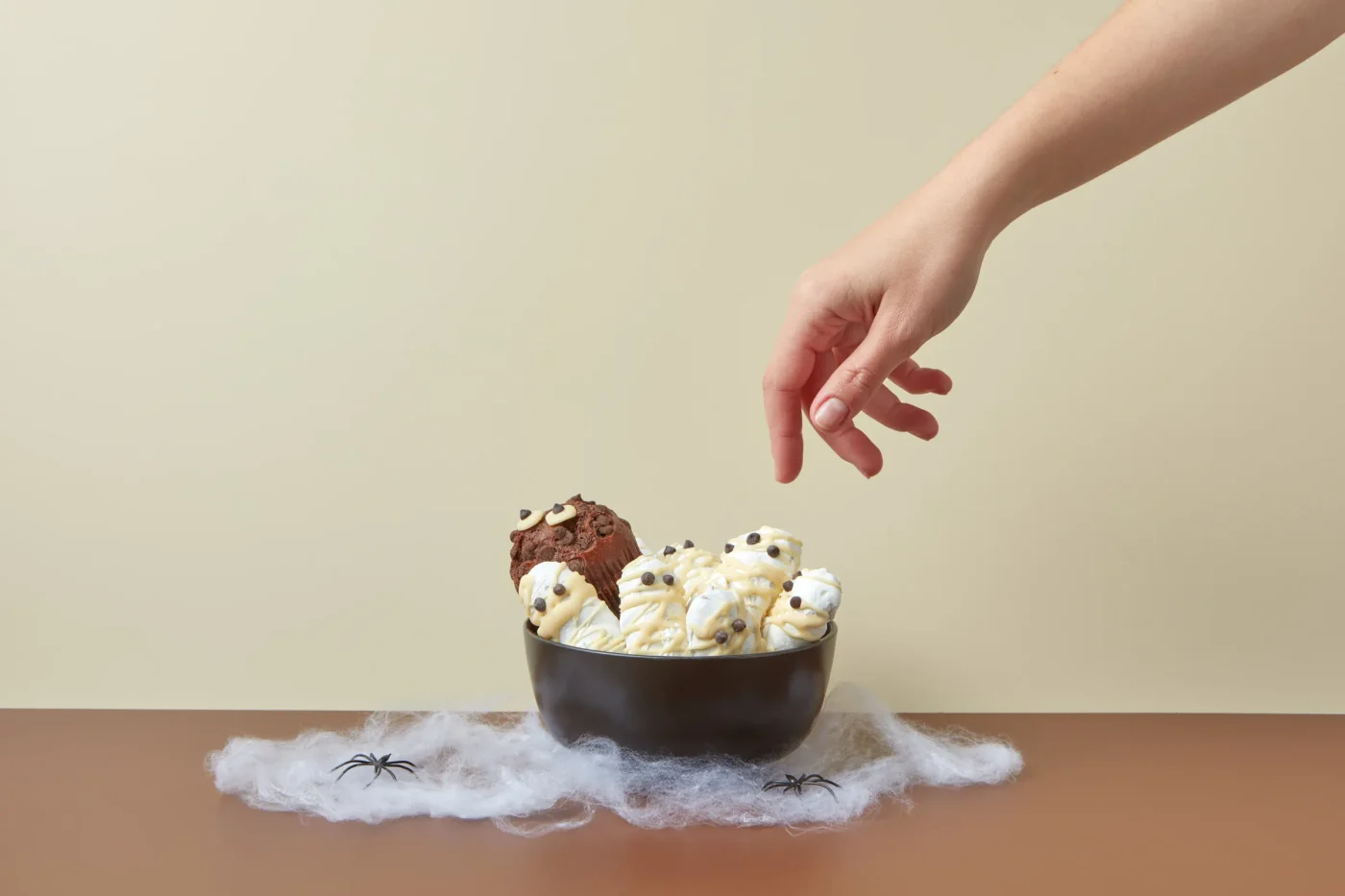
A widespread assumption among casual bakers is that cinematic Halloween food requires professional sculpting skills, fondant modeling, or unpalatable novelty additives. In reality, the most convincing party illusions rely on everyday supermarket convenience items altered by layout rather than complex culinary chemistry.
Unfurling pre-made dough ribbons, utilizing the natural curves of confectionery coatings, or reshaping basic wafer biscuits bypasses the need for specialty molds. Because the human eye naturally seeks out familiar organic patterns, slight imperfections in the dough during baking actually improve the realism of the design. The outcome provides all the shock value of a horror film prop while retaining the soft texture and rich cinnamon-sugar profile guests expect.
💡 The beauty of this technique is that you never need to reveal how little effort it took to pull off.
🔍 Subtle additions like a spoonful of dark berry jam give the glaze an authentic, layered depth that flat red food dye cannot achieve alone.
📌 Share your favorite Halloween party recipes and tell us whether your guests prefer cute fall themes or shocking anatomical treats.
👇 Leave your thoughts in the comments below and let us know which horrifying dessert illusion you plan to serve this season.