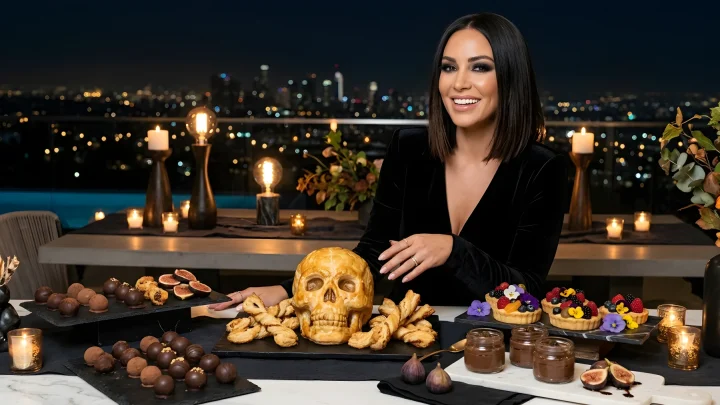
Halloween Food Trends: The Dark Botanicals, Savory Grazing, and Spooky Bites Taking Over
 Halloween Food & Parties
Curated seasonal boards and botanical elements elevate modern autumn entertaining.
Seasonal entertaining has shifted from artificial neon confections to sophisticated, naturally dramatic flavors, making botanical infusions and elevated savory spreads the centerpiece of modern celebrations. Hosts are prioritizing functional ingredients, dark hues derived from natural sources, and interactive presentation styles that deliver high visual impact without relying entirely on processed sugar.
This culinary evolution bridges the gap between theatrical holiday fun and refined dining. Instead of overly sweet novelty desserts dominating party menus, modern menus spotlight balanced flavor profiles, artisanal appetizers, and showstopping presentation methods that engage guests from the first glance.
Natural Darkness: The Rise of Deep-Pigment Culinary Styling
For decades, artificial black and orange dyes dominated spooky party spreads, often leaving an unpleasant chemical aftertaste and stained teeth. Today, natural coloring agents provide intense, velvety tones while adding subtle culinary complexity.
Black cocoa powder, activated vegetable charcoal, black sesame, and purple sweet potato offer striking aesthetics alongside rich earthy undertones. These pigments transform traditional baked goods, fresh pasta, and savory dips into dark, moody centerpieces that align with modern clean-label preferences.
Natural colorants offer far greater depth of visual finish than artificial dyes while contributing earthy, roasted flavor profiles that complement autumn baking.
Using whole food ingredients such as puréed black beans, squid ink, and dark roasted vegetables allows entertaining menus to look intensely dramatic without sacrificing taste. Balancing visual appeal with ingredient integrity has become the primary standard for seasonal dinner parties.
The Evolution of the Spooky Charcuterie Spread
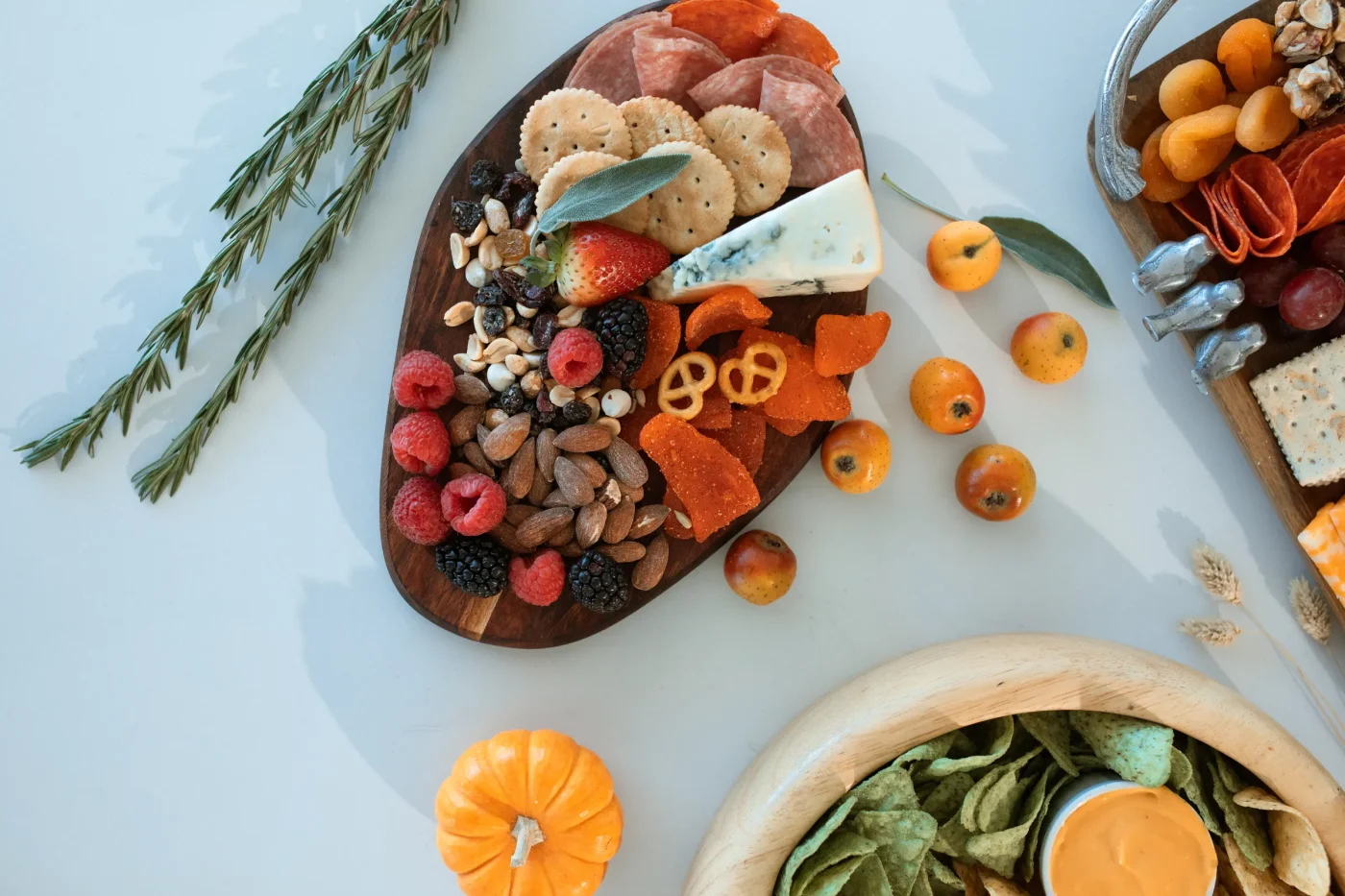
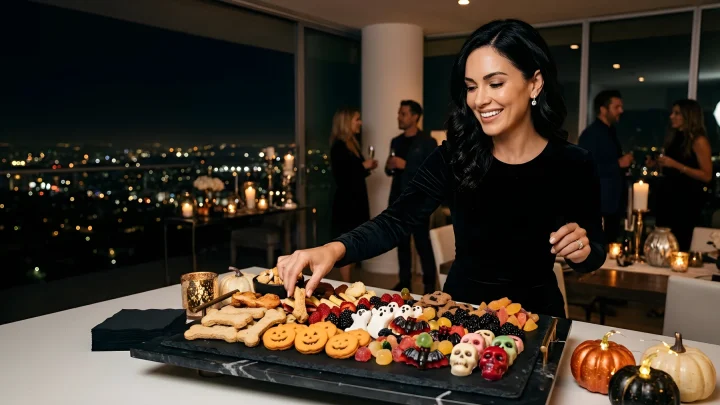
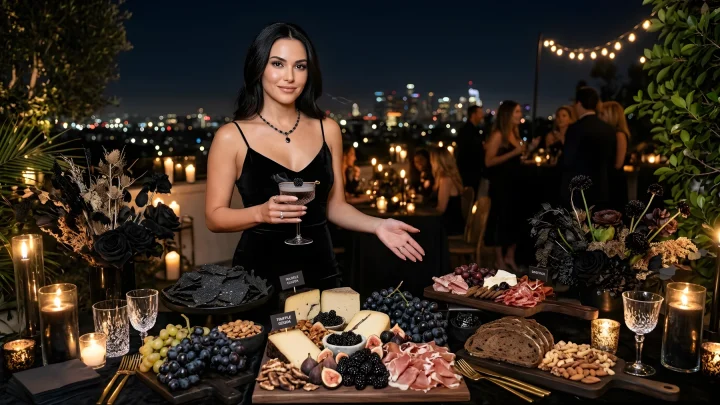
Traditional candy bowls are increasingly supplemented by intricate, layered grazing boards designed to balance sweet indulgence with protein-rich savoriness. These arrangements rely on visual contrast, textured cheeses, cured meats, and dark seasonal produce to construct theatrical table settings.
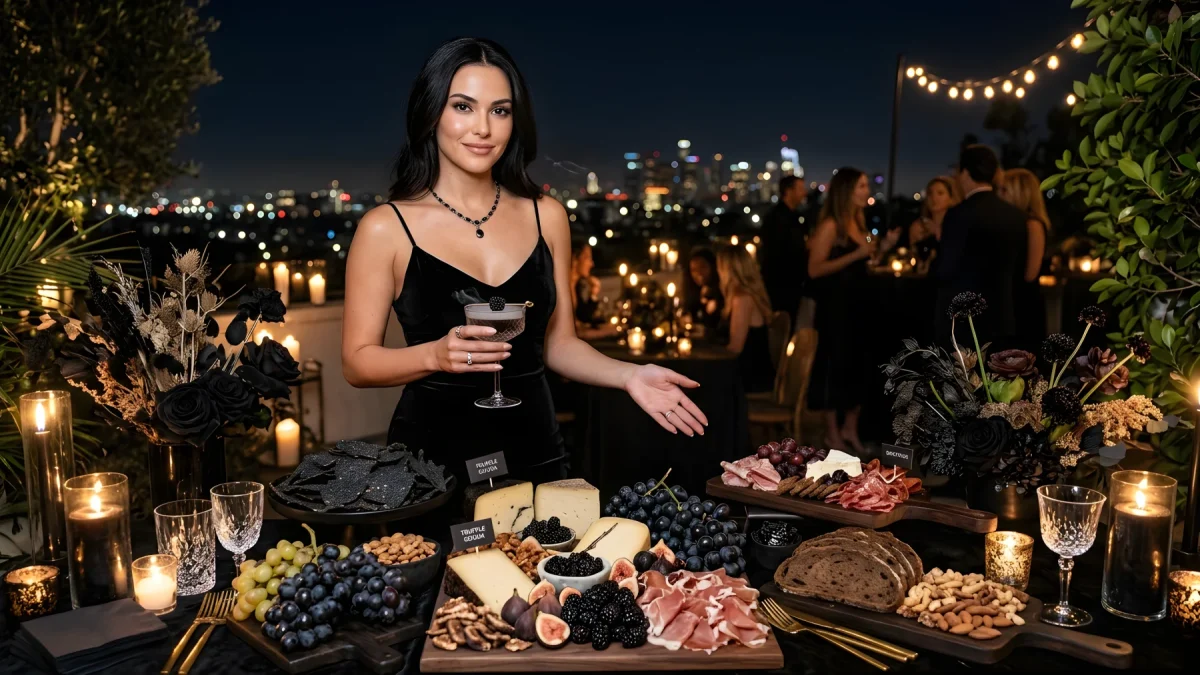
Modern board assembly emphasizes dark grapes, blackberries, pickled vegetables, and sharply aged white cheeses carved or styled to echo gothic aesthetics. Prosciutto-wrapped fruit, cracker skulls, and spicy pepper jellies create textural variety that invites prolonged grazing.
| Element | Modern Seasonal Adaptation |
|---|---|
| Base Palette | Deep purples, obsidian blacks, and aged ivories |
| Color Agents | Black sesame, black cocoa, and beet extracts |
| Beverage Style | Smoky mezcal, dark botanical tonics, and herb infusions |
| Snack Profile | Spiced nuts, artisan crisps, and cured charcuterie |
| Dessert Focus | Single-origin chocolate and roasted fruit tarts |
Balancing textures prevents the board from feeling cluttered or disjointed. Pairing crisp crackers with smooth soft cheeses and crunchy spiced seeds ensures every bite offers a distinct sensory contrast.
Myth vs. Reality: The Artificial Dye Misconception
A widespread assumption holds that achieving jet-black baked goods requires synthetic food coloring. In culinary practice, heavily alkalized Dutch-process black cocoa creates a darker, richer color in cakes and cookies than liquid dye ever could, all while imparting an intense, bittersweet chocolate flavor reminiscent of classic sandwich cookies.
Dramatic Sips: Smoked Botanicals and Bleeding Garnishes
Beverage tables have traded artificial punch bowls for layered cocktail and mocktail experiences. Drink programs center around aromatic herbs, smoky glass rinses, and dramatic liquid densities that shift shades when stirred.
Hibiscus, pomegranate reductions, and sour cherry syrups provide a dense, deep crimson layer at the bottom of glassware, over which chilled sparkling tonics or spirits are floated. Torched rosemary and thyme sprigs release aromatic woodsmoke across the glass rim, activating both scent and taste.
Layering liquids of varying sugar densities creates stable, two-toned drinks that maintain their theatrical effect until the guest takes a sip.
These beverage techniques translate seamlessly to non-alcoholic options, ensuring every guest enjoys an elevated experience without relying purely on high-fructose syrups.
Step-by-Step: Assembling an Elevated Halloween Board
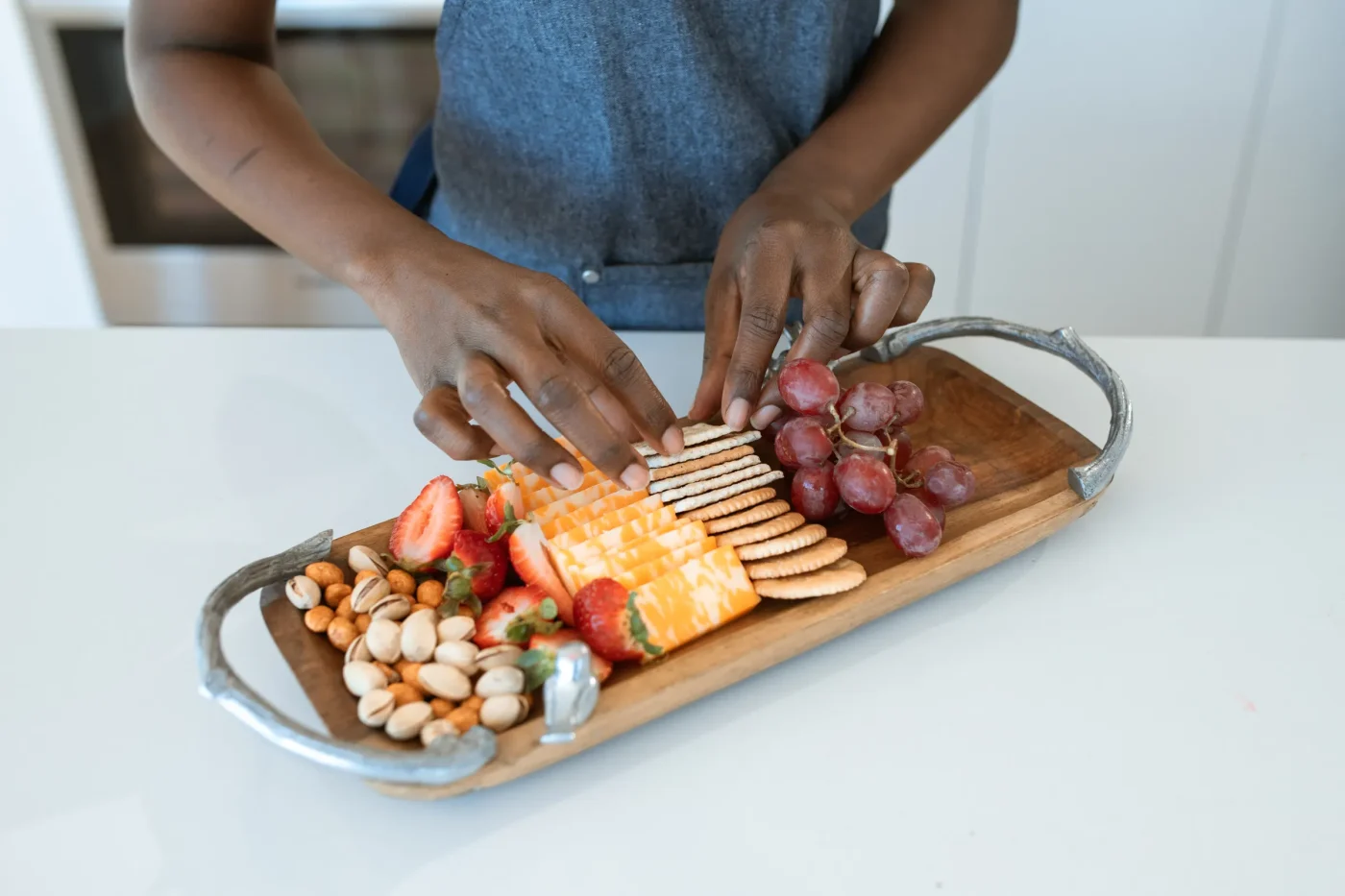
- Anchor with dark foundations: Begin with a slate, dark wood, or charcoal ceramic platter to provide maximum contrast against lighter food items.
- Place structural dishes: Arrange small bowls filled with dark condiments, such as fig jam, blackberry chutney, or black olive tapenade, across the surface.
- Arrange artisan cheeses: Cut sharp white cheddars into irregular shards and roll soft goat cheese logs in cracked black pepper or crushed charcoal sea salt.
- Weave cured meats: Fold ribbons of prosciutto, coppa, or salami along the edges of the bowls to build height and flowing movement across the platter.
- Fill gaps with seasonal produce: Pack remaining spaces with dark concord grapes, fresh mission figs, blackberries, and roasted pumpkin seeds.
Mastering this layout ensures that the board remains structurally sound and visually striking, even as guests begin sampling throughout the evening.
💡 Transform your seasonal entertaining by incorporating rich, natural colorants and savory textures into your upcoming autumn gatherings.
🔍 Experiment with distinct flavor balances like bittersweet dark cocoa, tart pomegranate syrups, and smoky botanical herbs.
👇 Share your favorite Halloween entertaining traditions and tell us which creative treats you plan to serve this year.