How to Make a Posable Skeleton Stand Up Outside Without Falling
 Halloween Decor
A hidden ground stake and rigid spine support keep life-size yard skeletons upright through high seasonal winds.
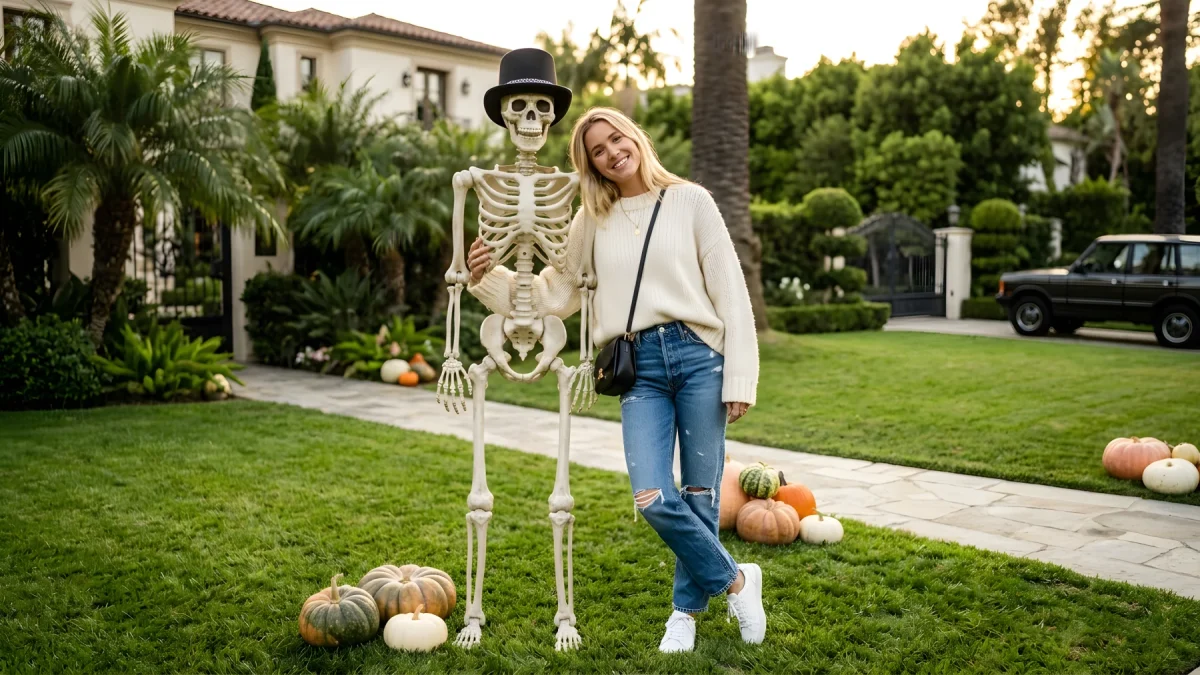
To make skeleton stand setups stay completely upright outside, you must anchor an internal or external rigid spine directly into the ground rather than relying on the skeleton’s factory plastic joints. Blow-molded plastic skeletons lack structural rigidity, meaning wind resistance and natural gravity inevitably collapse the hip and knee hinges without secondary reinforcement. By driving metal rebar into the turf and sleeve-mounting electrical metallic tubing (EMT) or PVC along the spine, your display can withstand heavy seasonal wind gusts without tipping.
Most life-size skeletons sold for yard displays weigh between five and ten pounds, creating a high center of gravity distributed over narrow, unweighted feet. The friction screws located inside the knee, hip, and ankle assemblies cannot generate enough torque to counterbalance this mass outdoors. Once outdoor moisture loosens the hinge tension or wind pushes against the broad rib cage, the figure folds immediately at the pelvic joint.
Why Posable Skeletons Fail to Stand on Their Own
The core problem comes down to basic mechanical leverage. Standard five-foot decorative skeletons rely on friction-fit ball joints or single-screw hinge points designed solely for passive indoor posing on furniture. When exposed to outdoor air currents, the broad surface area of the chest cavity acts like a sail, multiplying wind forces downward onto the unstabilized lower extremities.
A widespread misconception is that simply overtightening the factory limb screws will yield a free-standing display. In practice, overtightening hollow blow-molded plastic strips the screw threading or cracks the casing, rendering the joint permanently loose. True stability requires shifting mechanical load entirely away from the skeleton’s joints and onto heavy-duty ground hardware.
A common mistake in yard rigging is relying solely on ankle or foot stakes, which converts the entire spine into an unanchored lever against the wind.
The Metal Conduit and Ground Stake Method
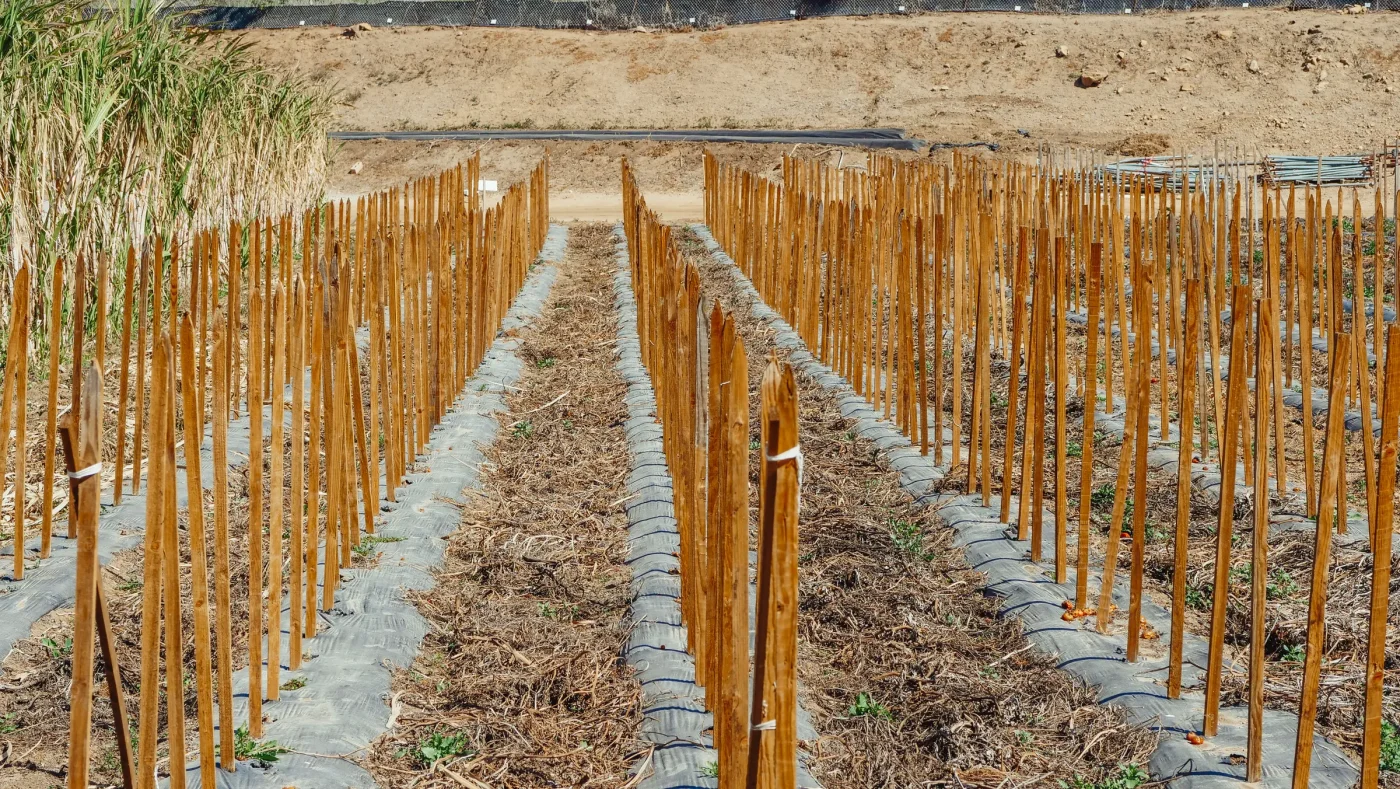
The most dependable way to secure an upright skeleton without visible wires involves driving a foundational stake deep into the soil and attaching a rigid back support. This approach completely bypasses joint weakness by anchoring the torso directly to the earth.
- Drive a ground stake: Hammer a three-foot length of 1/2-inch steel rebar approximately 18 to 24 inches into the soil where the display will stand, ensuring it sits plumb.
- Slide on a conduit mast: Cut a 1/2-inch electrical metallic tubing (EMT) conduit or structural PVC pipe to reach from ground level up to the skeleton’s mid-ribcage. Slide the conduit directly over the exposed rebar.
- Lock the spine to the pipe: Position the skeleton’s pelvis and spine against the upright conduit pipe. Use heavy-duty, UV-resistant black zip ties wrapped around the lower spine and upper thoracic vertebrae to lock the torso flush against the metal tube.
- Anchor the feet: Drive two heavy-duty metal tent stakes or U-shaped landscape staples directly over the metatarsal bones of each foot to prevent the lower legs from kicking out forward or backward.
Once the central vertical axis is immobilized, the legs carry almost zero weight. You can bend the knees and hips into realistic walking, lunging, or casual standing postures without risking a structural collapse.
Locking Weak Knee and Ankle Hinges
If your display requires a dynamic standing pose—such as one leg stepped forward—the lower joints must be mechanically locked so they do not sag over time. Running thin wooden dowels or steel threaded rods through the hollow interior of the femur and tibia creates an internal bone splint that prevents joint flexion.
Alternatively, drill a small pilot hole through the overlapping plastic flange of the knee joint once it is set at your desired angle. Drive a single self-tapping sheet metal screw through both layers of plastic. This mechanically fixes the angle without relying on friction, though it creates a permanent pose for that specific limb.
Choosing the Right Reinforcement Technique
Depending on ground conditions and display location, different structural supports offer varying degrees of holding strength and aesthetic concealment.
| Rigging Method | Best Application |
|---|---|
| Internal Rebar & EMT Mast | Open lawns and dirt beds subject to moderate-to-high seasonal winds. |
| External Guy Wires (Monofilament) | Hard surfaces, driveways, or patios where ground staking is impossible. |
| Joint Screwing & Splinting | Dynamic, non-symmetrical poses requiring bent knees or extended hips. |
| Weighted Base Stand | Sheltered porches and covered entryways protected from direct crosswinds. |
Weatherproofing Your Rigging Against Autumn Storms
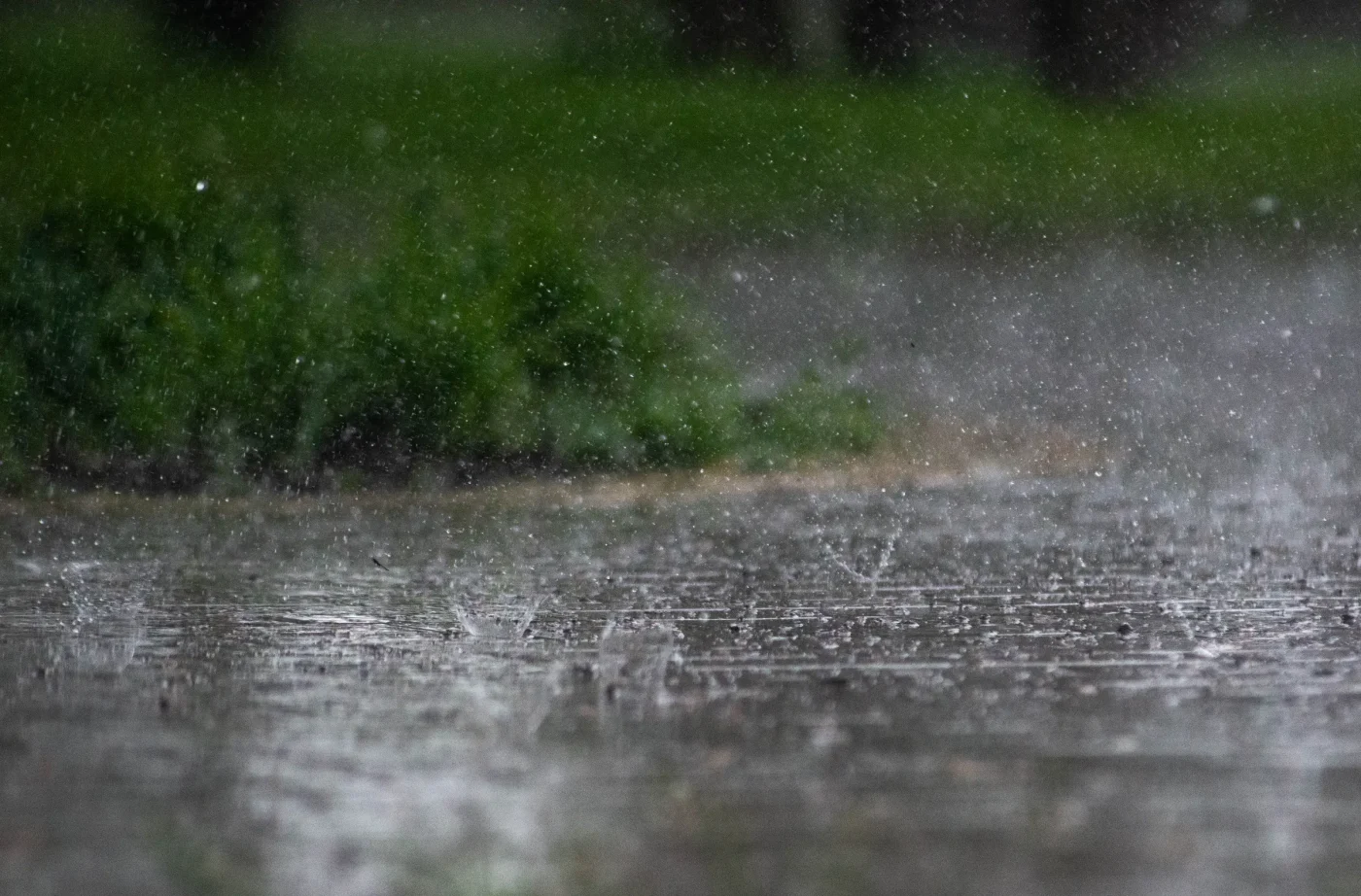
Cold outdoor temperatures make blow-molded plastic brittle, while moisture can soften turf and loosen ground stakes. Always choose heavy-duty nylon cable ties rated for outdoor ultraviolet exposure; standard white indoor zip ties degrade rapidly under sunlight and snap under minimal wind load.
When displaying figures on open lawns, check soil saturation after heavy rains. If the ground turns soft, standard straight rebar can lean under top-heavy pressure. Angling two stakes into the ground in an inverted “V” pattern before connecting the vertical mast creates a wider structural footprint that prevents soil displacement during severe squalls.
💡 Inspect your anchors weekly to ensure ground stakes haven’t shifted in wet soil.
🔍 Pair hidden fishing line tethered to nearby trees or architectural posts for added stability in high-wind zones.
👇 Have a custom method that keeps your outdoor props secure every fall? Share your experiences with us.