
The 90-Percent Rule for Hanging Fake Spiderwebs That Actually Look Terrifyingly Real
 Halloween Ideas & Trends
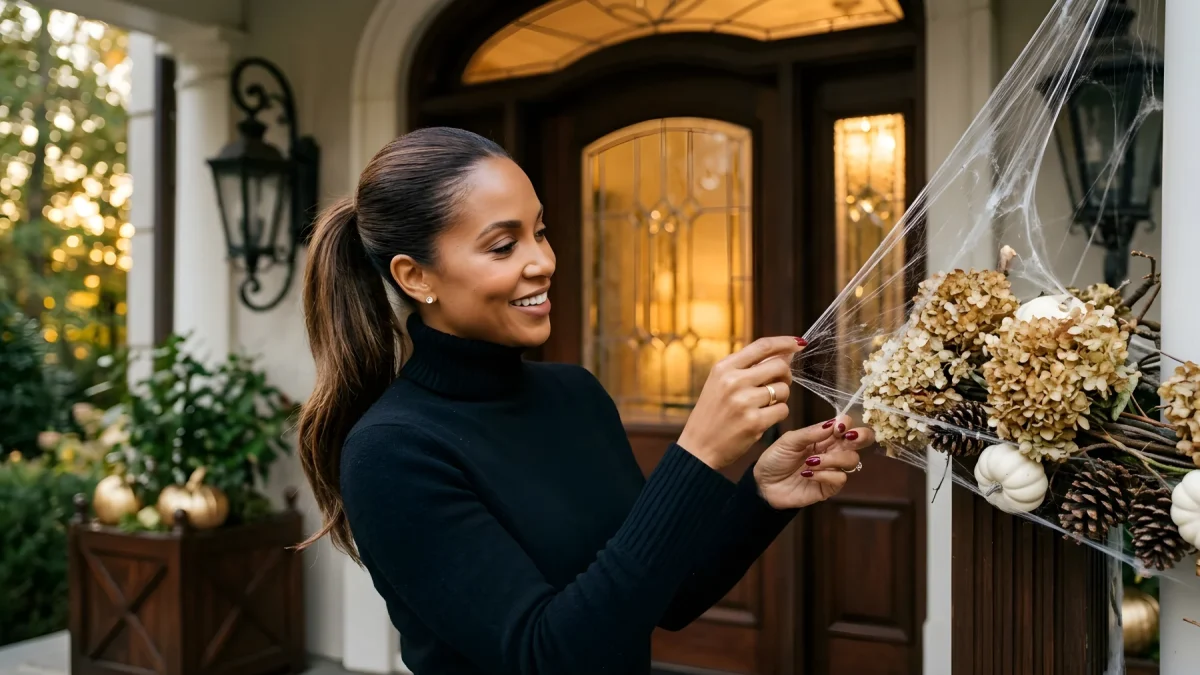
Stretching standard polyester webbing thin enough to become nearly invisible creates the most authentic cobweb effect.
Standard synthetic cobwebs look fake because decorators fail to stretch them by at least 90 percent of their packaged size. Real spider silk is gossamer-thin, translucent, and shaped by directional tension, which means draped clumps of synthetic polyester batting instantly break the haunted visual illusion. To make artificial webbing look genuinely convincing, the material must be pulled until individual strands are nearly invisible to the naked eye.
Most commercial packs consist of dense, tightly bonded polyester fibers designed to expand across dozens of square feet. When hung directly out of the bag without mechanical separation, these fibers catch the light as solid white masses rather than delicate, air-suspended threads. Mastering the tension and anchor mechanics changes everything.
Why Most Halloween Cobwebs Look Like Clumpy Cotton Balls
The primary manufacturing flaw of store-bought web packs is fiber density. Manufacturers compress thousands of yards of polyester microfibers into tight bricks to minimize packaging volume, which leaves the strands interlocked in unnatural horizontal sheets.
When well-meaning decorators pull these sheets apart, they often pull across the width rather than teasing the material from the center outward. Draping these thick sheets across shrubs or mantels creates a dense blanket effect that looks more like spilled batting than the work of an industrious arachnid.
A common mistake in practice is treating artificial webbing like fabric rather than structural fiber; genuine cobwebs only form where physical tension pulls individual strands taut between rigid anchor points.
The prevailing myth is that using more material creates a scarier atmosphere. In reality, spider silk in nature is an energy-intensive resource that spiders deploy sparingly, meaning less material spread over a wider surface area yields a vastly more unsettling aesthetic.
The Step-by-Step Method to Stretch Fake Spiderwebs
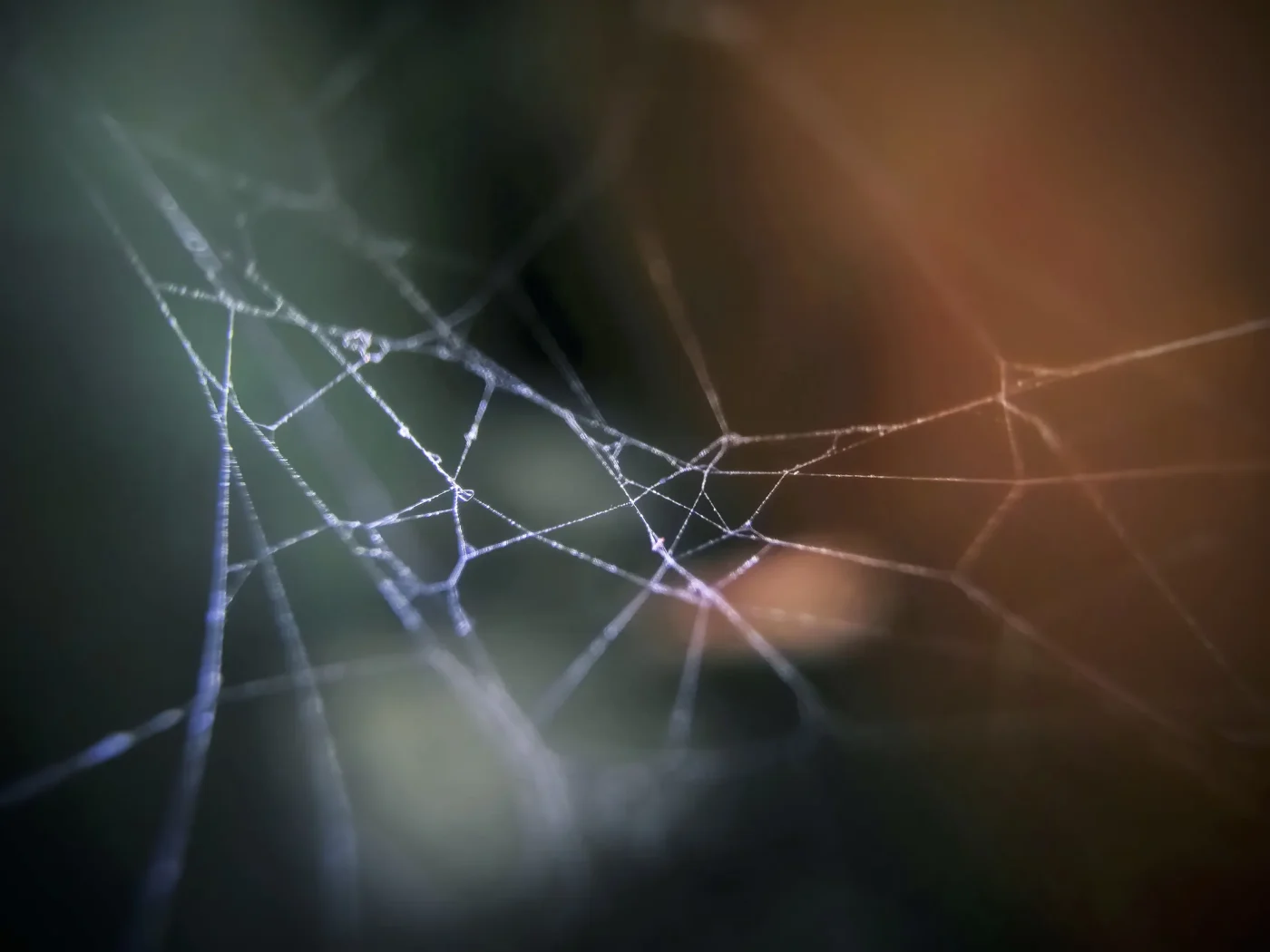
Transforming synthetic batting into authentic, wind-swept cobwebs requires patient physical separation before any hanging begins. Preparing the fibers off-site or on an open floor ensures you do not bunch the material against your final display surface.
- Segment the pack: Cut off a strip no larger than two or three inches wide. A single small section easily covers an entire doorway once fully expanded.
- Perform the initial lateral pull: Grip the strip with both hands and gently pull the fibers horizontally until the dense central core disappears into a loose, hazy mesh.
- Establish primary anchors: Fasten the outermost edges to rough anchor points such as brick corners, tree bark, shutter hinges, or exterior siding nails.
- Tease from the center outward: Use your fingertips to gently hook the middle of the web and pull it toward secondary anchors, spreading the strands until individual fibers become translucent.
- Snag the edges: Catch stray microfibers onto rough textures along the perimeter to create natural directional angles and irregular geometric openings.
Achieving structural tension is impossible without the right surface friction to hold the stretched fibers in place.
Choosing the Right Anchor Points Indoors and Outdoors
Polyester webbing adheres effortlessly to coarse, uneven surfaces but slips right off smooth paint, glass, and polished metal. Outdoor shrubs with stiff twigs, weathered porch posts, brick mortar lines, and wrought-iron railings offer ideal natural friction. For smooth indoor walls or painted moldings, applying small clear adhesive hooks or discreet painter tape tabs provides the counter-resistance required to keep strands drawn tight.
Material Behavior: Dense Clumps vs. Fully Stretched Fibers
The visual distinction between novice installations and professional theatrical staging comes down to strand density and light absorption. Examining these physical characteristics demonstrates why aggressive stretching is mandatory.
| Installation Metric | Visual and Structural Result |
|---|---|
| Under-Stretched Batting | Forms opaque white sheets that reflect excessive light, visibly sag in ambient humidity, and reveal synthetic polyester clumps. |
| Properly Stretched Webbing | Creates nearly transparent, gossamer filaments that catch low lighting realistically, resist wind drag, and mimic structural spider silk. |
Proper tension not only improves the optical quality of your haunt but also prevents the material from blowing away during autumn gusts.
Outdoor Wildlife Safety and Clean-Up Realities
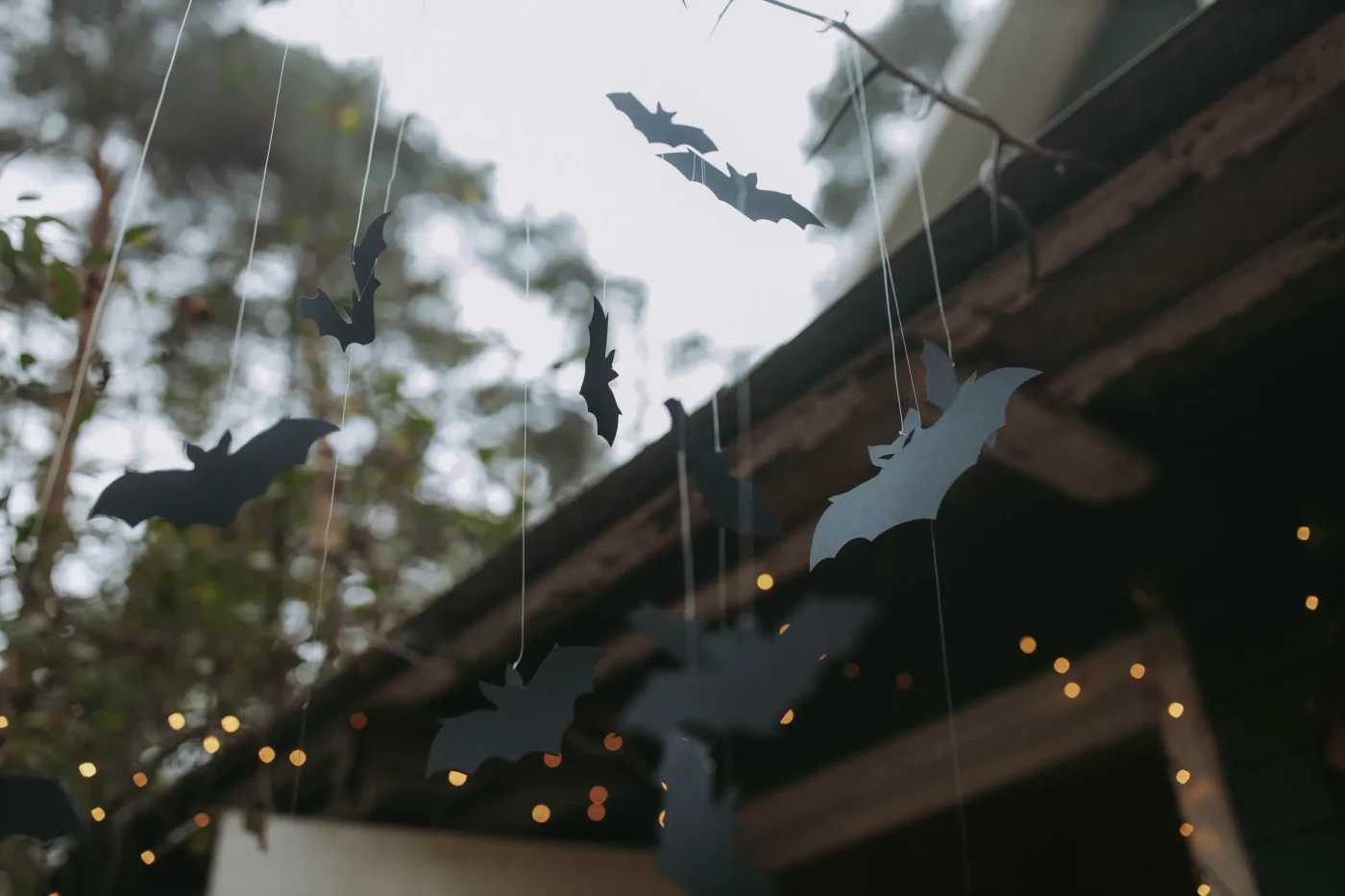
While the goal is to make decorations look convincing, exterior installations carry practical responsibilities. Dense synthetic fibers pose a proven hazard to small wildlife, particularly songbirds, bats, and beneficial predatory insects that can become entangled in durable polyester strands.
Stretching the material ultra-thin significantly mitigates entanglement risks, as fragile single strands break under less pressure than thick synthetic ropes. However, hanging webs directly across active bird feeders, nesting hedges, or pollinator gardens should always be avoided.
When the season concludes, do not sweep webs into yard waste or compost piles. Polyester is a non-biodegradable synthetic plastic that belongs in standard household trash. Using an old dry broom to roll the material off brick and siding in a circular motion ensures complete, trace-free removal.
💡 Achieving professional haunted house results always comes down to patience and applying extreme tension across rough anchor points.
🔍 Pay close attention to fiber transparency; if you can see solid white clumps, keep pulling until the web nearly vanishes in direct light.
👇 Share your experiences with us and let us know your favorite techniques for decorating your front porch this season.