The Top Halloween Aesthetics of 2026 Blend Gothic Classics With Pop-Culture Hits
 Halloween Ideas & Trends
Timeless gothic charm and sharp pop-culture silhouettes define this season's most sought-after visual styles.
The top Halloween aesthetics of 2026 are defined by an unmistakable clash of dramatic gothic classics—led by vampires, sorceresses, and the undead—alongside high-impact pop-culture references like Miranda Priestly, The Traitors, and The Odyssey. Styling evaluations and visual rendering tests show that traditional horror archetypes still dominate festive gatherings, yet partygoers are increasingly refining these concepts with tailored, character-driven precision rather than generic store-bought kits.
Achieving a striking seasonal look requires understanding how silhouettes, textures, and lighting interact. The shift toward deliberate, photo-ready styling means every layer must serve a distinct purpose.
The Dominance of Gothic Elegance and Supernatural Classics
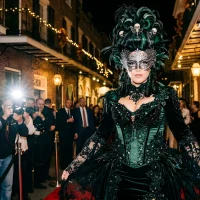
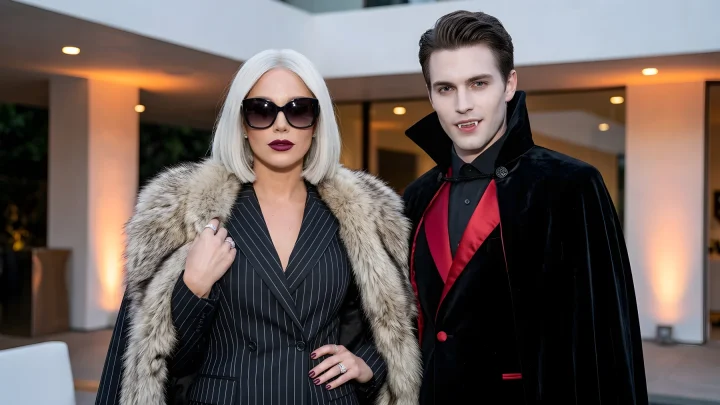
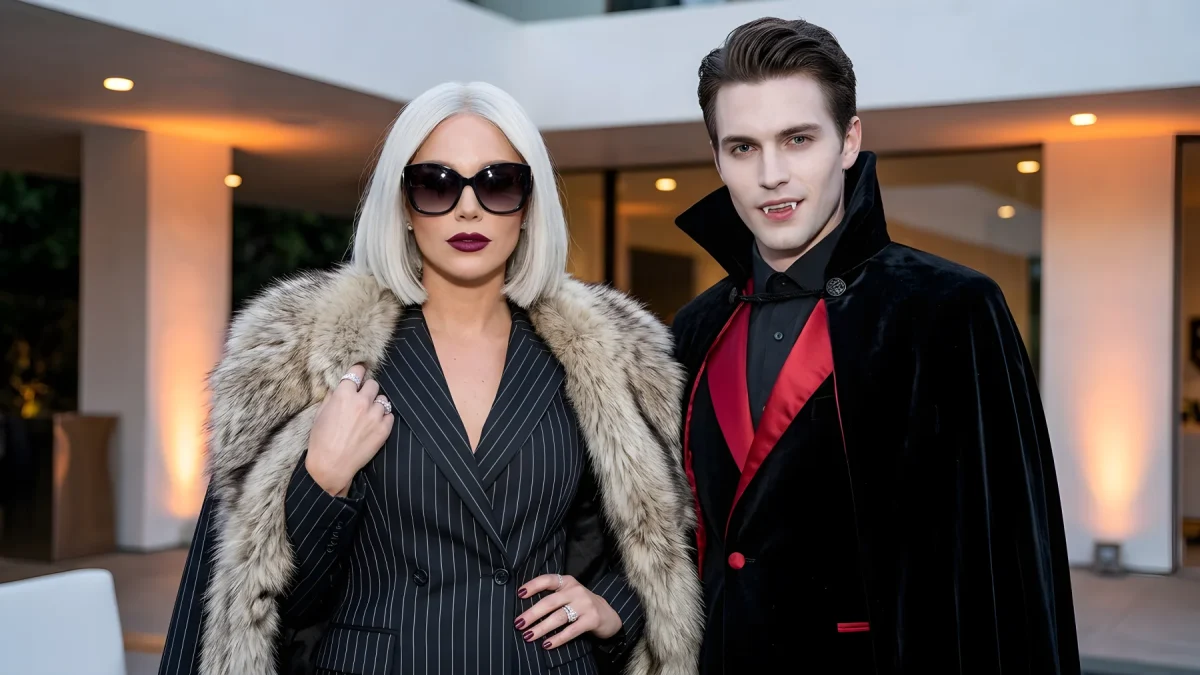
Gothic royalty leads current costuming interest, anchored by the eternal appeal of vampires and witches. Modern vampire aesthetics emphasize moody sophistication: high collars, tailored velvet capes, fangs, and restrained, dark makeup palettes that project mystery rather than pure shock value. Waist-up framing and dramatic, low-key indoor lighting emphasize the sharp lines of a dark cape and pale complexion without requiring complicated prosthetics.
Witchcraft aesthetics have also shifted from cartoonish tropes into atmospheric sorcery. Pointed hats remain the foundational silhouette marker, but the wider styling embraces flowy textures, mystical spellbooks, and luminous accessories.
A common mistake in practice is overcomplicating the concept; describing the exact garment, a signature color, and one standout accessory yields the sharpest visual identity.
When framing headwear like wide-brim hats, maintaining negative space around the upper head ensures the accessory complements the overall outfit geometry rather than crowding the wearer’s features.
Pop-Culture Disruptors: High Fashion, Strategy, and Myth
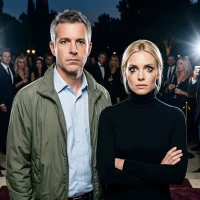
Alongside dark fantasy, sharp real-world silhouettes are dominating gatherings across the country. High-fashion satire takes center stage through impeccably structured suits and ice-cold sophistication reminiscent of iconic fashion editor Miranda Priestly. This aesthetic trades theatrical distress for razor-sharp tailoring, sunglasses, and curated outerwear.
At the same time, psychological reality television and classical literature are driving unique group aesthetics. Dramatic cloaks inspired by the intense atmosphere of The Traitors blend ceremonial suspense with minimalist costuming, while epic mythological cues from The Odyssey bring draped tunics, weathered leather, and heroic accents into festive rotation.
The Tension Between Gritty Horror and Whimsical Camp
Horror aesthetics are splitting into two distinct sub-genres: tactile post-apocalyptic grit and theatrical carnival distortion. Zombie outfits rely heavily on deliberate garment destruction, using shredded seams and weathered hems to build an authentic apocalyptic survivor or ghoul silhouette.
Clown aesthetics, conversely, hinge entirely on tonal calibration. A slight shift in makeup styling transforms a colorful, oversized vintage circus entertainer into an unsettling horror presence through subtle distortion around the eyes and smile.
Myth vs. Reality: The Gore Fallacy
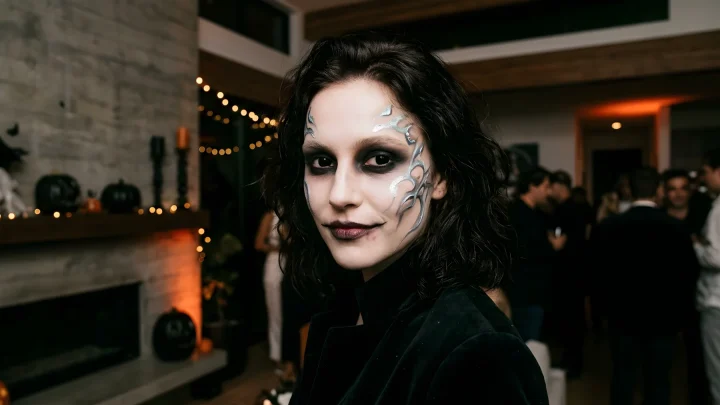
A widespread misconception across costume planning is that heavier applications of fake blood and dense face paint automatically produce a more frightening zombie or monster aesthetic. In practice, visual testing proves that excessive faux blood quickly obscures facial structure, creating an indistinct, muddy appearance under standard party and camera lighting.
The reality is that restraint heightens realism. A few controlled splatters, placed along fabric edges and collarbones, consistently register as far more convincing than an indiscriminate wash of synthetic gore.
| Aesthetic Style | Signature Visual Anchors |
|---|---|
| Gothic Vampire | High-collar capes, dramatic dark tailoring, subtle fangs |
| Mystical Sorceress | Pointed hats, flowing drapery, spellbook accessories |
| Pop-Culture Icon | Structured executive suits, oversized shades, editorial posture |
| Treachery & Suspense | Oversized hooded cloaks, dark jewel tones, minimalist fabrics |
| Vintage & Horror Clown | Ruffled collars, exaggerated smiles, tailored balloon props |
How to Construct a Seamless Halloween Look
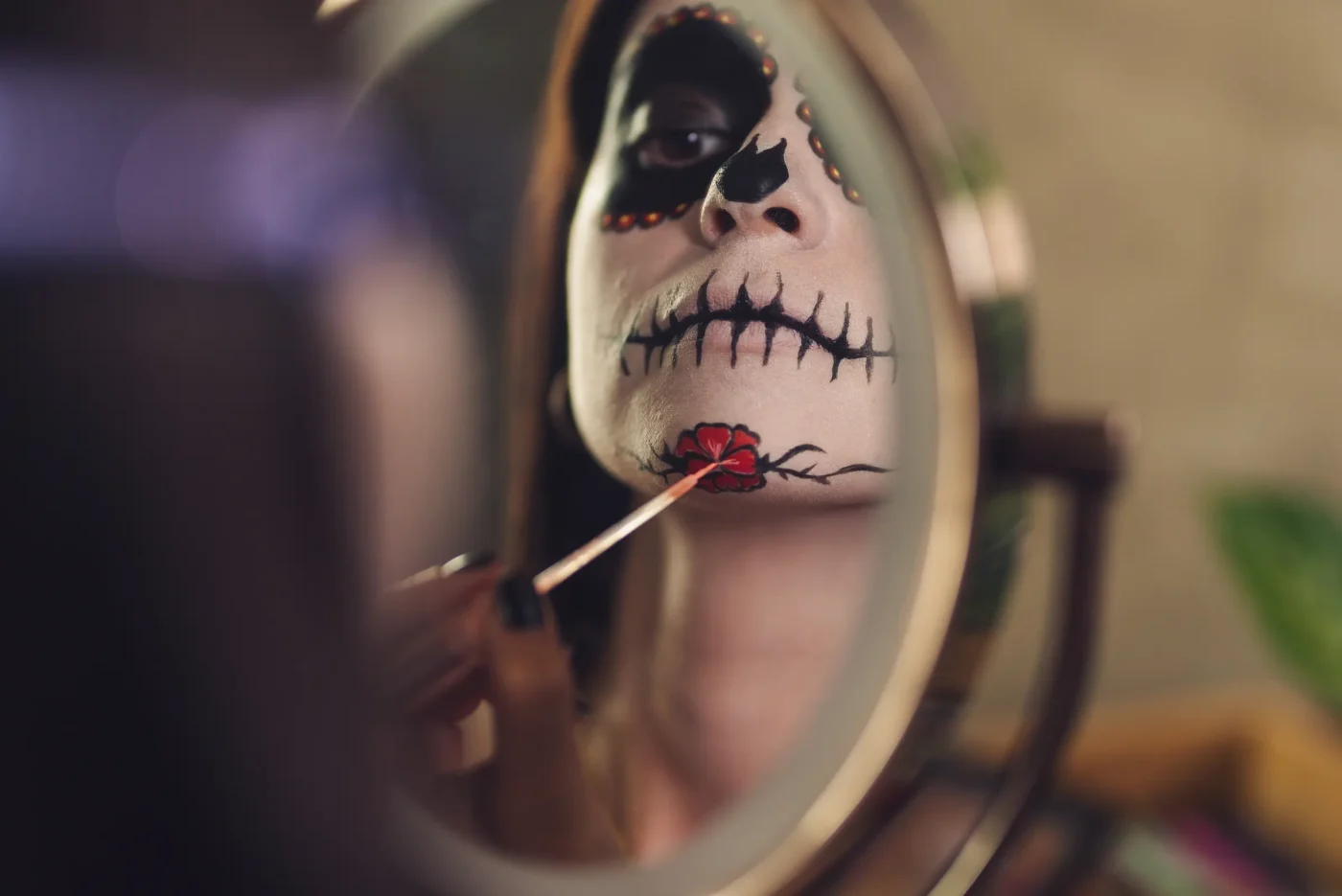
Building a cohesive costume aesthetic requires intentional staging before stepping out or capturing the look on camera:
- Identify the primary silhouette: Establish the base garment line immediately, whether choosing an oversized cloak, structured coat, or shredded layering.
- Select one signature focal accessory: Anchor the entire outfit with a single clear identifier, such as a sculpted hat, cape, or stylized prop.
- Calibrate makeup density: Apply cosmetics in light, intentional passes to avoid washing out natural contours under party lights.
- Frame and test the presentation: Step back into ambient, low-angle light to check that the fabrics and color contrasts read clearly from a distance.
💡 Finding the right seasonal aesthetic comes down to balancing classic horror iconography with personal styling.
🔍 Focusing on clean silhouettes and controlled accessories ensures your outfit stands out in any crowd or photograph.
👇 Leave your thoughts in the comments below and share which aesthetic you plan to wear this season.