
Try This Baking Soda Paint Pumpkin Trick for a High-End Ceramic Halloween Look

 Halloween Decor
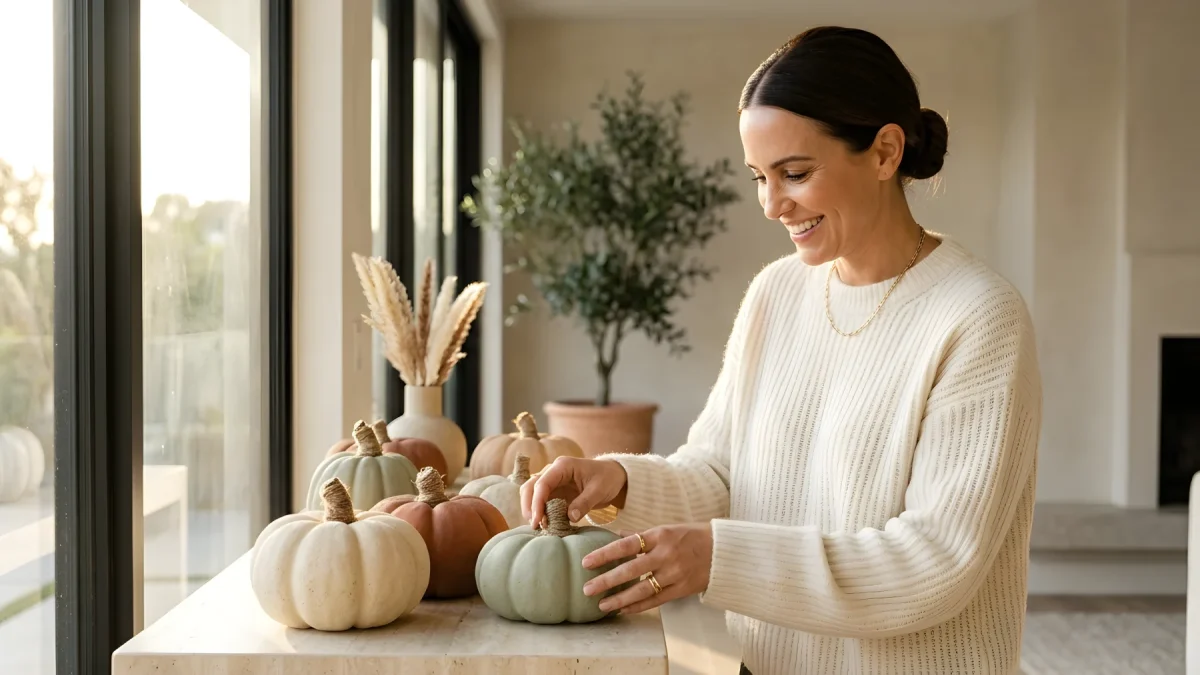
Textured matte paint transforms ordinary gourds into modern ceramic statement pieces.
Swapping standard carving knives for a simple mixture of acrylic paint and baking soda transforms ordinary grocery-store gourds or neon orange craft pumpkins into faux-stone ceramic vessels in less than thirty minutes. This textural pumpkin decorating trick eliminates carving mess entirely, bypasses rapid decay, and produces a muted, architectural finish reminiscent of high-end home boutique stoneware at a fraction of retail prices.
Traditional jack-o’-lanterns inevitably succumb to moisture loss and bacterial rot within three to five days of being sliced open, forcing homeowners into a tight decorating window right before Halloween. By shifting away from hollow carving toward surface modification, decorators can preserve real gourds for months or give reusable foam pumpkins a permanent, tactile upgrade that fits modern minimalist, gothic, or Scandinavian aesthetics.
The Science Behind the Baking Soda and Paint Transformation
Standard craft paint adheres slickly to pumpkin skins, creating a glossy, artificial sheen that highlights plastic seams or natural skin imperfections. Adding standard sodium bicarbonate directly alters the rheology of acrylic pigments, creating an alkaline suspension that dries into an ultra-matte, porous crust resembling fired clay or weathered terracotta.
The chemical composition of baking soda introduces micro-bubbles and granular friction into standard latex or acrylic paint, completely stripping away synthetic reflection and mimicking coarse artisanal earthenware.
This texture completely alters how light bounces off the pumpkin curves, concealing uneven ridges and giving inexpensive materials significant visual weight. The resulting finish allows you to bypass the garish tones of mass-produced seasonal items without investing in fragile clay pottery.
Step-by-Step Guide: Executing the Ceramic Glaze Technique
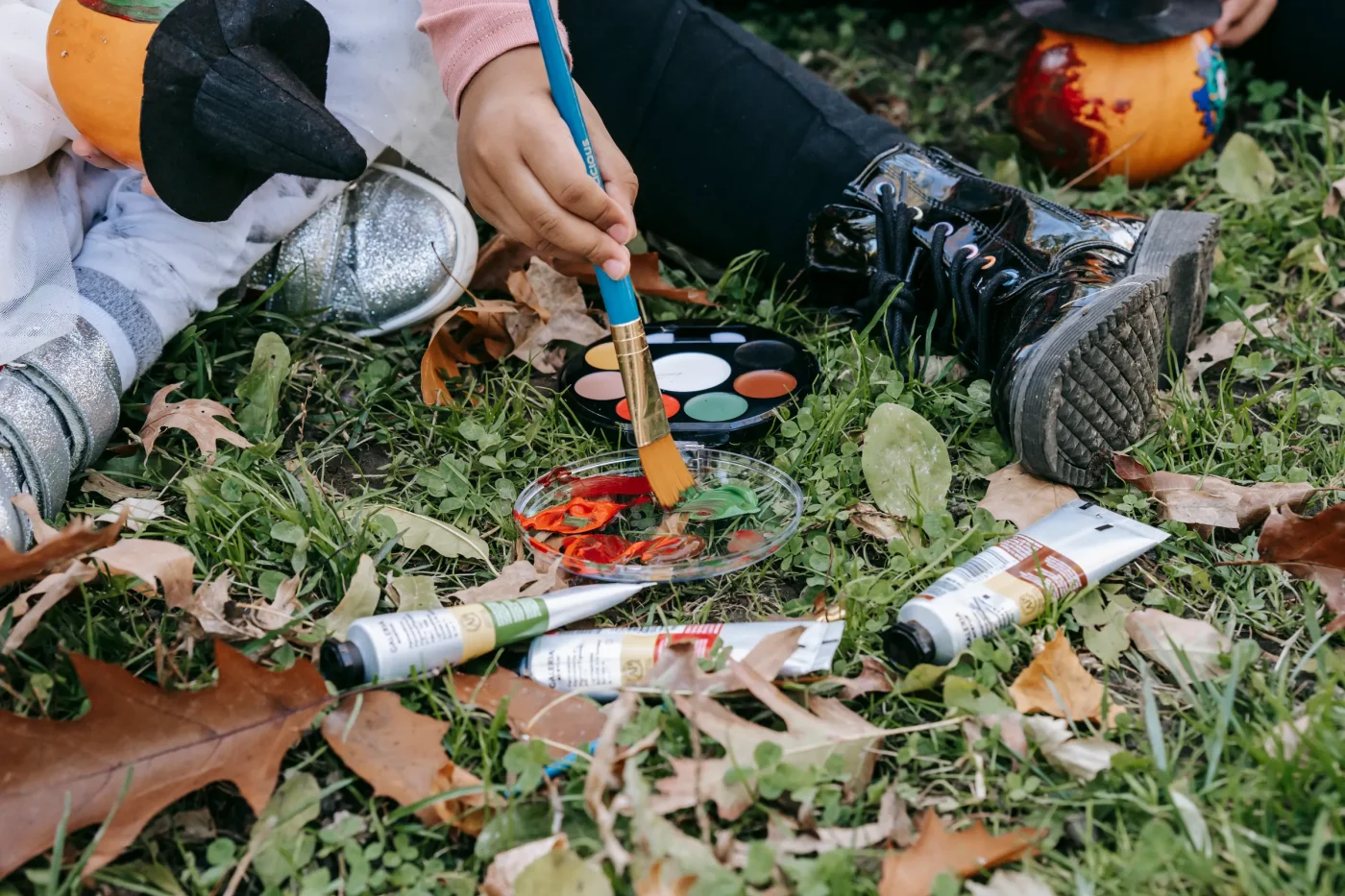
Achieving a convincing ceramic texture requires balancing the ratio of pigment to binder so the mixture spreads smoothly without cracking during the curing phase. Follow this tested application process for both fresh produce and faux craft pumpkins:
- Surface Prep: Wash fresh pumpkins thoroughly with a mild dish soap solution to remove natural dirt and wax coatings, then dry completely. For plastic or foam pumpkins, lightly scuff the surface with medium-grit sandpaper to give the mixture traction.
- Stem Protection: Wrap the natural or faux stem with painter’s tape to maintain contrast, as preserving the natural stem grounds the project and provides an authentic, high-end organic finish.
- The Formula Blend: Combine one cup of matte acrylic or latex paint with roughly one-quarter cup of baking soda in a disposable bowl. Stir slowly until the mixture reaches the consistency of pancake batter; if the mixture is runny, add baking soda by the teaspoon until thick.
- Layered Application: Use a wide, coarse-bristle chip brush to apply the mixture in short, horizontal strokes, mirroring the natural turning lines of potter’s clay. Allow the first coat to dry for twenty minutes before applying a second perpendicular coat to eliminate brush stroke gaps.
- Optional Distressing: While the final layer is semi-dry, dust a pinch of dry baking soda, cinnamon, or cocoa powder across the crevices and blend lightly with a dry sponge to emulate natural pottery kiln marks.
Once dried, the finish cures to a rigid, chalky shell that shields the skin from rapid ambient temperature fluctuations.
Comparing Traditional Carving with the Textured Finish Method
Deciding between gutting a gourd or coating it depends heavily on your timeline, display environment, and aesthetic goals. The operational differences highlight why non-invasive treatments are dominating seasonal styling.
| Decorating Method | Performance Profile |
|---|---|
| Traditional Knife Carving | Exposes internal moisture to ambient air; structural integrity deteriorates within 72 to 120 hours; highly susceptible to mold. |
| Baking Soda Paint Technique | Leaves internal flesh intact; lasts multiple months on uncarved gourds; fully reusable season after season on synthetic bases. |
| Display Versatility | Primarily outdoor porch use due to biological leakage; requires evening illumination to display design clearly. |
| Design Finish | Produces bright interior contrast; visually loud orange skin; informal and casual holiday aesthetic. |
This side-by-side performance demonstrates why interior designers consistently favor sealed, non-invasive methods when staging fall living spaces.
Myth-Busting: Why Bleach Baths Fail Carved Pumpkins
A widespread seasonal belief suggests that soaking carved pumpkins in bleach water keeps them fresh indefinitely. Agricultural extension testing confirms that while bleach sanitizes surface mold spores temporarily, it does nothing to prevent cellular dehydration once the rind is breached; the flesh rapidly collapses regardless of chemical soaks. Leaving the structural rind intact and treating only the exterior remains the single proven method to prevent premature organic breakdown.
Leaving the exterior skin unpunctured preserves the gourd’s internal hydration barrier, preventing the rapid bacterial colonization that collapses carved jack-o’-lanterns.
By keeping the interior intact, you maintain total flexibility over where and how long your holiday vignette stays on display.
Adapting Color Palettes for High-End Seasonal Decor
While traditional orange remains iconic, contemporary decor embraces neutral and moody tones that transition effortlessly from early autumn through late November gatherings. Mixing earthy undertones into your paint formula transforms the display from a standard novelty into cohesive interior styling.
- Bone White and Alabaster: Creates an understated, Scandinavian aesthetic that highlights natural ridging and pairs seamlessly with eucalyptus branches.
- Charcoal and Slate: Delivers a moody, sophisticated Victorian gothic appearance that complements wrought-iron accents and deep amber glass.
- Muted Terracotta and Ochre: Emulates sun-baked Mediterranean pottery, bridging the visual transition between early fall foliage and late-season tablescapes.
Selecting colors that mirror your existing interior textiles ensures your seasonal additions feel intentional rather than cluttered.
💡 Try testing this method on miniature heirloom gourds first to fine-tune your paint-to-soda ratio before tackling large statement pieces.
🔍 Look for synthetic foam pumpkins at second-hand shops to create permanent, high-end display objects on an everyday budget.
📌 Save this technique for your upcoming seasonal centerpieces to maintain an elegant, mess-free living space all autumn long.
👇 Share your favorite Halloween decorating transformations and color palettes with us in the conversation below.