
Building the Ultimate Halloween Candy Bar: Essential Setup Tricks, State Favorites, and Safe Allergen Swaps

 Costumes & Makeup
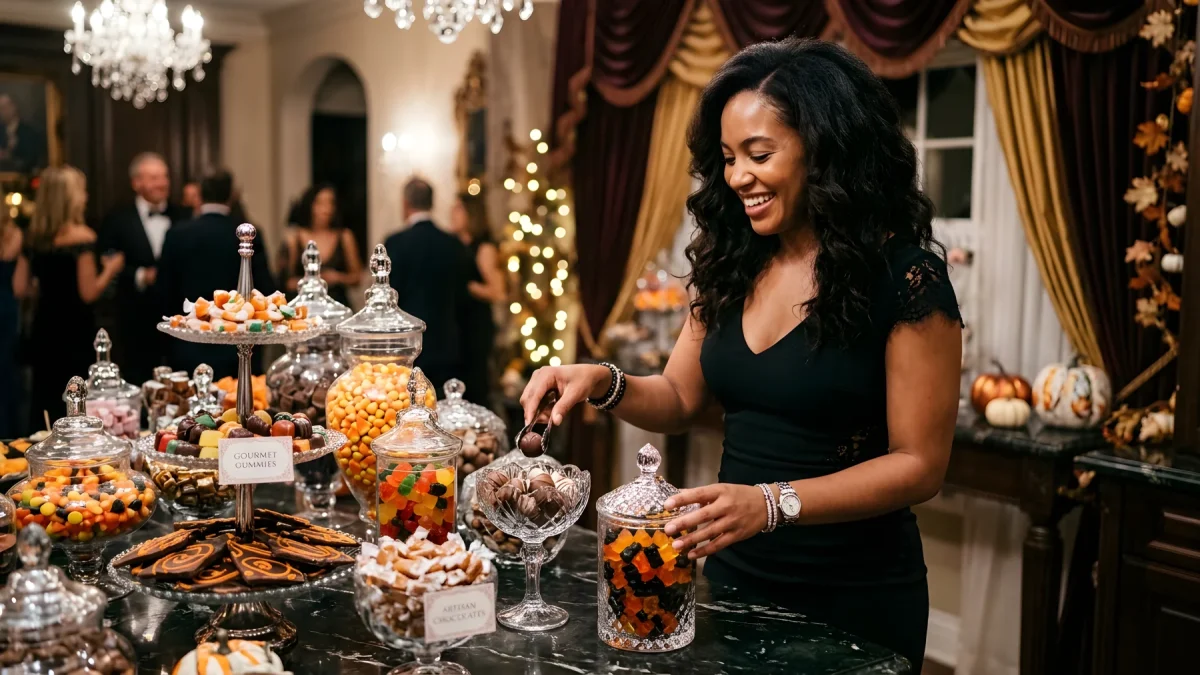
A thoughtfully arranged Halloween candy bar balances classic sweets with distinct zones for allergen-conscious guests.
Setting up an unforgettable Halloween candy bar requires balancing iconic crowd-pleasers like peanut butter cups and fruit chews with vital allergen-safe swaps so every guest can celebrate safely. Transforming a simple dessert table into an interactive treat station anchors your entire gathering, provided you navigate cross-contact risks and stage the spread for seamless self-service.
Executing a high-impact treat buffet means looking beyond standard variety bags. Guests arrive with varied dietary requirements, ranging from dairy intolerances to severe peanut sensitivities. Balancing universally recognized confections with certified safe alternatives creates a festive centerpiece that caters to everyone without sacrificing visual flair.
Curating the Spread: Balancing Regional Favorites and Safe Swaps
Every successful candy station starts with recognizable heavy hitters. National snacking patterns show strong, enduring loyalties to chocolate staples like peanut butter cups alongside chewy staples such as red licorice twists. While these mainstays satisfy traditional tastes, modern hosting demands an intentional selection of plant-based and allergen-conscious treats.
Many classic sweets are accidentally vegan, relying on plant syrups and fruit pectin rather than gelatin or dairy solids. Identifying these options allows hosts to broaden their menu without buying specialty luxury goods. Hard candies, clear fruit gummies, and select dark chocolates frequently fit plant-based criteria while delivering the festive colors essential for an October spread.
Cross-contact poses the single greatest hazard at communal treat stations; keeping nut-heavy confections isolated in sealed dispensers prevents airborne dust or shared scoops from contaminating allergy-friendly zones.
Food allergy management requires vigilant label inspection. Many consumers assume miniature or fun-size versions of branded bars share identical formulas with their full-size counterparts. In reality, miniature seasonal candies are frequently produced on alternate manufacturing lines or in external packaging facilities, introducing cross-contamination risks for milk, soy, wheat, or tree nuts that may not exist in the standard bar.
Designing a Functional, High-Flow Candy Station
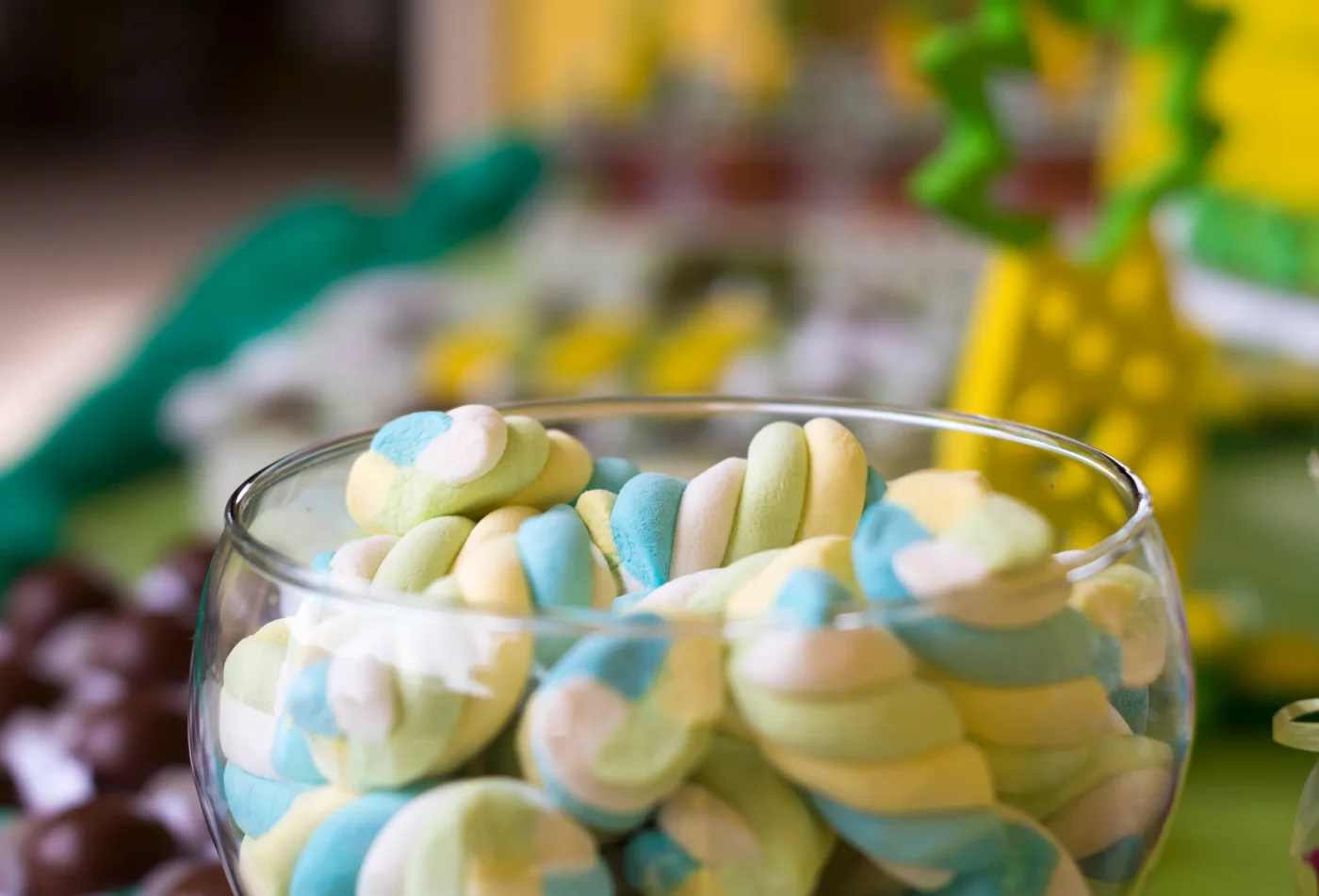
A congested treat table quickly derails party momentum. Structuring the layout with distinct entry and exit points ensures guests fill their favor bags efficiently without bottlenecking the room.
Step-by-Step Table Architecture
- Establish the flow direction: Place treat bags, scoops, and tongs exclusively on the left side of the table to direct traffic smoothly toward the right.
- Build vertical tiers: Use sturdy acrylic risers, wooden crates, or decorative pedestal stands to position larger jars toward the back and shallow bowls up front.
- Isolate allergen-heavy items: Group peanut butter and nut-loaded sweets onto a separate, clearly marked end of the display to prevent accidental cross-contact.
- Label every vessel: Display ingredient cards detailing top allergens, specifically identifying dairy-free, gluten-free, and nut-free selections.
- Provide individual utensils: Assign dedicated tongs or food-grade scoops to every single jar to eliminate bare-hand contact and cross-dispenser mixing.
Varying vessel heights not only improves reachability for guests of all ages but also maximizes surface real estate on compact tabletops. Clear apothecary jars showcase candy textures, while amber or smoky glass adds seasonal drama without obscuring what lies inside.
Allergen and Dietary Strategy Comparison
Selecting the right assortment involves pairing familiar crowd-pleasers with reliable alternatives designed for inclusive entertaining.
| Candy Station Category | Recommended Selection Strategy |
|---|---|
| Classic Chocolate Hub | Feature milk chocolate bars, crisp wafer layers, and peanut butter cups in designated, lidded containers. |
| Chewy and Fruity Zone | Stock gelatin-free fruit chews, licorice twists, and sour gummies clearly marked as plant-based. |
| Top-Nine Allergen Safe | Offer independently wrapped seed-butter chocolates and certified allergy-friendly sweets with visible ingredient seals. |
| Crunch and Texture Additions | Incorporate coated chocolates, candy-coated caramels, and puffed rice treats for structural contrast. |
Myth vs. Fact: Seasonal Candy Safety
A widespread misconception among hosts is that individually wrapped candies are completely impervious to allergen transfer when mixed in a shared bowl. Tiny pinhole tears in wrapper seams and residual confectionery dust from manufacturing plants can easily deposit allergen traces onto neighboring wrappers.
When sensitive guests handle contaminated exteriors before eating, accidental ingestion can occur. Maintaining strict physical segregation between nut-containing items and allergy-safe alternatives eliminates this hidden risk, ensuring your festive buffet remains safe from start to finish.
💡 Setting up a dedicated, color-coded corner for certified allergy-friendly brands keeps the celebration inclusive without disrupting your overall aesthetic.
🔍 Always verify packaging fine print directly on seasonal wrappers rather than relying on full-sized ingredient lists you remember from earlier purchases.
📌 Share your favorite candy buffet setups and safety tips in the comments below to help fellow hosts design the perfect October gathering.
👇 Tell us which sweet staples are non-negotiable for your seasonal treat table this year!