
Forget Carving: Why No-Carve Pumpkin Decorating Is Dominating Autumn Porches

 Halloween Ideas & Trends
No-carve techniques preserve pumpkins for months while eliminating knife hazards and porch mess.
Traditional jack-o’-lantern carving is rapidly giving way to structural, no-carve methods that keep produce fresh for months rather than days. Knife-carved gourds typically collapse into mold within three to five days, whereas intact rinds treated with topical design elements easily endure through Thanksgiving and beyond. Households are turning away from scooped seeds and sharp blades in favor of surface-driven artistry that delivers lasting curb appeal.
The shift away from gutting gourds is rooted in biological reality. Once a pumpkin skin is breached, ambient moisture, airborne fungal spores, and household bacteria accelerate internal tissue breakdown. Keeping the outer protective skin intact preserves the fruit’s internal hydration, completely eliminating the foul odors and insect swarms that plague traditional displays.
The Science of Rot: Why Carving Destroys Produce
A fresh pumpkin functions like any thick-skinned winter squash, equipped by nature with a natural waxy cuticle that acts as an impermeable barrier against decay organisms. When you slice open the crown and scrape the interior walls, you remove the protective wall and expose the soft, moist placental tissue to the atmosphere.
According to horticultural preservation guidelines, uncarved pumpkins stored in a dry, shaded outdoor environment between 50°F and 60°F can easily last eight to twelve weeks. In sharp contrast, pierced pumpkins begin cellular degradation within forty-eight hours under typical autumn temperature swings.
Breaching the rind of a squash immediately exposes the sugar-rich flesh to microbial colonizers, transforming an intact fruit into an active compost site within days.
By shifting to external decorative techniques, decorators bypass this biological decay cycle entirely, saving both money and cleanup labor.
Leading Techniques Replacing the Traditional Blade
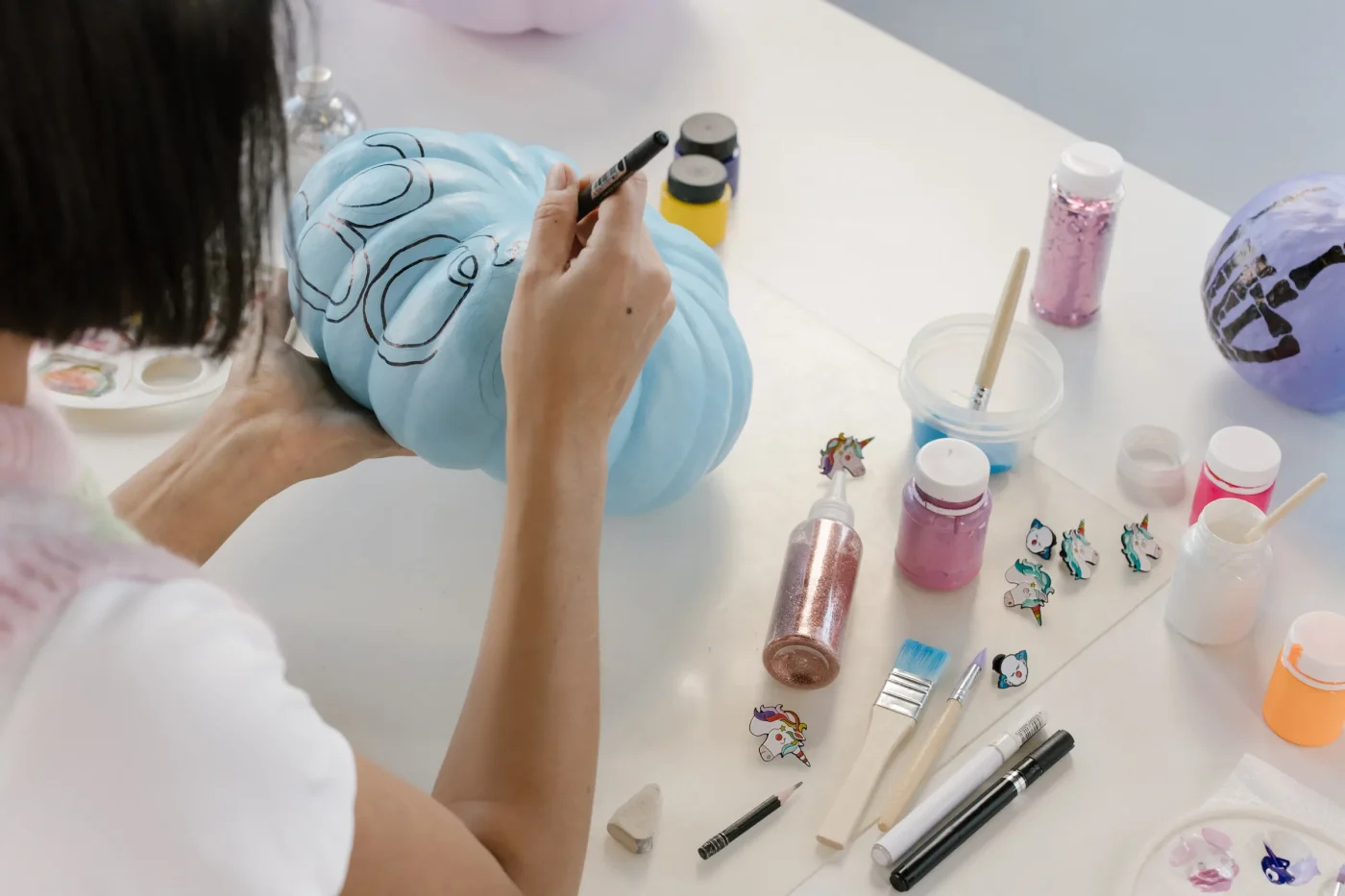
Contemporary fall decorating prioritizes textural dimension and elevated design over simple triangular faces. Several established methods allow crafters to transform ordinary market gourds into durable focal points.
Pressed Botanical Decoupage
This technique uses real foliage collected from the garden, such as fern fronds, Japanese maple leaves, and pressed autumn blossoms. Using a water-resistant matte sealing medium, crafters adhere flat-pressed leaves directly onto the rind. The result resembles fine porcelain and seals the surface against atmospheric humidity.
Mineral Paint and Color Blocking
Acrylic craft paints often peel when applied to slick pumpkin skins, but matte mineral paints and chalk-finish coatings bond directly to the waxy exterior without chipping. Neutral tones, deep terracotta, and muted sage allow displays to transition seamlessly from early October straight through late November holidays.
Textile and Ribbon Wrapping
Using hot glue sparingly on non-structural points, designers encase smaller varieties in stretch velvet, woven burlap, or lace bands. This delivers high tactile richness while keeping the fruit entirely intact beneath the fabric cover.
No-Carve vs. Traditional Carving
Evaluating decorating methods requires weighing longevity against nostalgic value. The structural differences determine whether an installation survives the season.
| Decorating Metric | No-Carve Techniques |
|---|---|
| Porch Lifespan | 6 to 12 weeks intact |
| Tool Safety | Zero sharp cutlery required |
| Pest Attraction | Minimal; rind remains sealed |
| Indoor Suitability | Odorless and completely leak-free |
| Post-Holiday Use | Compostable or usable for livestock |
Step-by-Step Guide to a Long-Lasting Botanical Display
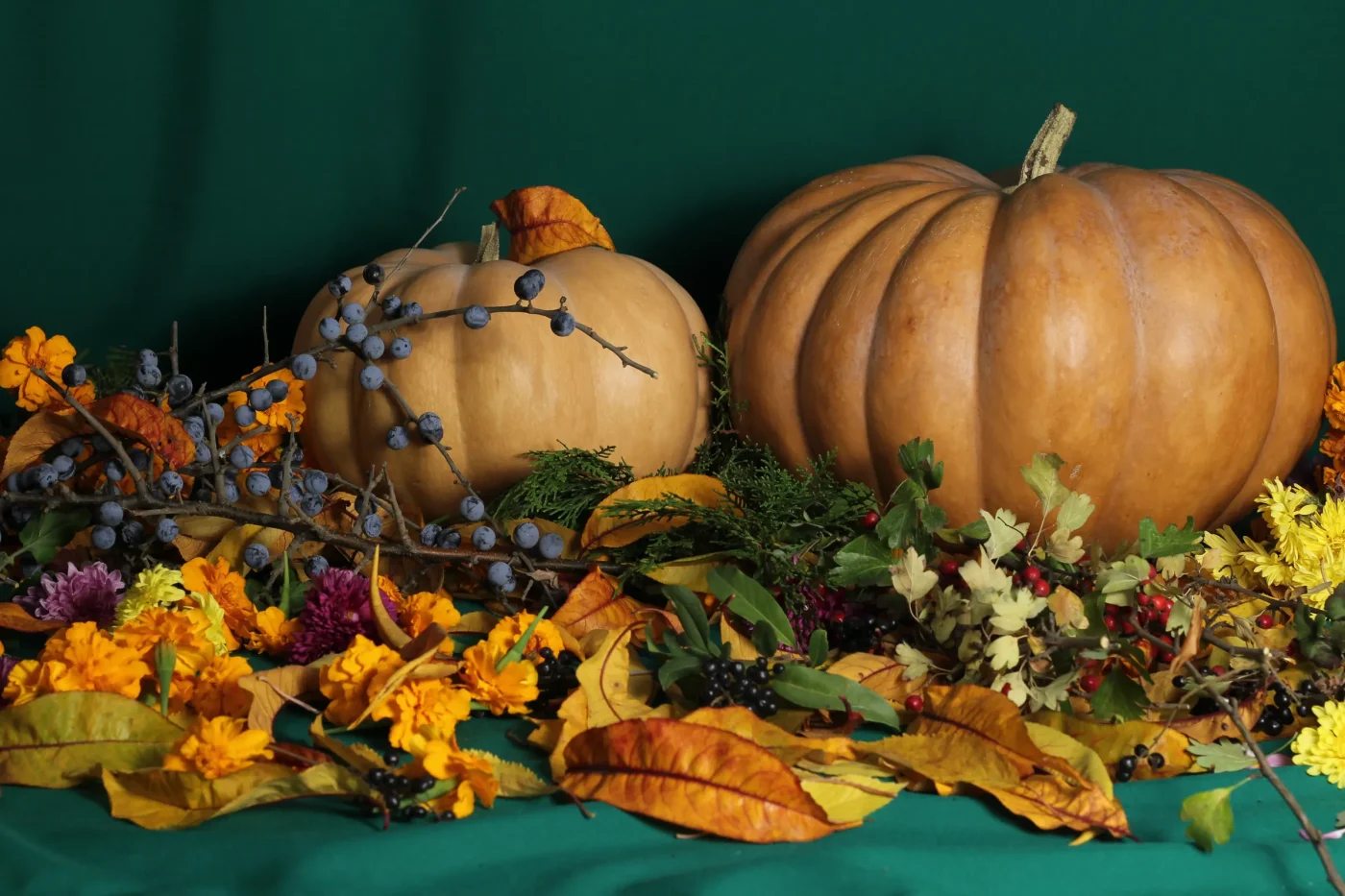
Executing an exterior design that resists weather requires proper rind preparation. Follow this tested protocol to ensure adhesives adhere firmly without damaging the fruit beneath.
- Select the right specimen: Inspect the base and stem carefully. Choose a gourd with an intact, woody stem and an unblemished base, free of soft spots or hairline punctures.
- Sanitize the exterior: Wash the surface thoroughly in a mild solution of water and gentle liquid soap to remove surface soil and microbial spores. Dry the skin completely with a clean cloth.
- Prepare the botanicals: Press fall leaves between heavy book pages for forty-eight hours until completely flat and dry of internal moisture.
- Affix the materials: Brush a thin layer of exterior-grade decoupage medium or craft sealant onto the gourd, position the pressed leaves, and coat with a second thin layer working outward from the center.
- Cure and display: Allow the coating to air-dry fully for twelve hours in a ventilated space before placing the display on a covered porch away from direct rainfall.
Myth vs. Reality: Preserving Autumn Displays
Many viral lifehacks claim that coating carved pumpkins with petroleum jelly, hairspray, or bleach solutions stops bacterial decay. Controlled horticultural testing reveals that these measures offer negligible protection once internal air exposure occurs. Bleach baths provide temporary surface sanitization, but airborne spores re-establish colonies almost immediately.
The only dependable way to avoid rapid rot is to keep the skin intact. Leaving the stem and wall unpunctured prevents internal oxidation, rendering chemical preservation sprays unnecessary.
💡 Ditch the carving knives this season and test a surface-only approach on your front steps.
🔍 Which no-carve style best matches your home aesthetic: minimalist chalk paint or pressed woodland leaves?
👇 Leave your thoughts in the comments below and share how long your uncarved designs have lasted outdoors.