
Forget Orange: The Moody Charcoal and Matte Black Halloween Decor Trend Taking Over Interiors

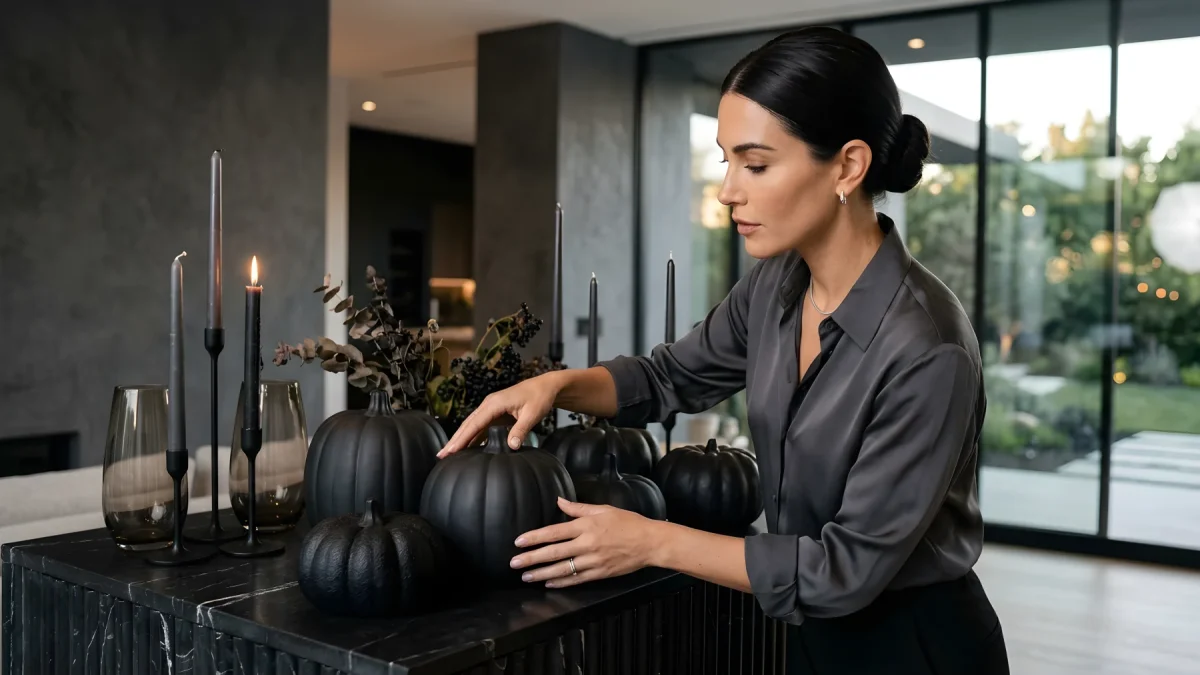 Halloween Decor
Moody charcoal and midnight tones offer an elegant departure from conventional neon holiday palettes.
Replacing traditional bright pumpkin hues with layered charcoal, obsidian, and deep midnight tones delivers an instantly elevated aesthetic that integrates seamlessly with modern home architecture. Interior design specialists increasingly favor dark Halloween decor over saturated neon shades because monochromatic palettes create dramatic contrast without feeling cluttered or temporary. Shifting away from standard plastic finishes allows seasonal styling to feel mature, architectural, and deliberate throughout the autumn months.
The movement toward moody seasonal interiors relies on visual weight rather than high-visibility novelty. Traditional holiday displays often disrupt an existing interior color scheme, clashing sharply with neutral furniture, cool stonework, or minimalist cabinetry. By embracing darker undertones, homeowners can introduce an eerie, celebratory atmosphere that feels like an intentional design choice rather than an afterthought.
Why Traditional Orange Palettes Are Losing Their Grip
Standard seasonal decorating kits historically leaned on high-visibility tones derived from agricultural harvests. However, modern residential lighting—especially warm-temperature LEDs and dimmable accent fixtures—tends to wash out bright secondary colors, making them appear overly artificial under ambient evening light.
Darker palettes, by contrast, absorb and shape ambient light. Matte black finishes, smoked glass, and raw cast metals create cast shadows that enhance architectural depth. This transition addresses a fundamental decorating dilemma: standard bright props demand center stage, whereas darker sculptural pieces harmonize with existing furnishings while still signaling the season.
A monochromatic dark palette shifts seasonal styling from novelty staging to architectural curation, emphasizing silhouette and texture over disposable visual noise.
This design philosophy also bridges the gap between early October and late November. Darker arrangements remain aesthetically relevant beyond a single evening, sidestepping the urgent need to dismantle holiday accessories the moment festivities conclude.
Core Textures That Define the Modern Dark Aesthetic

Executing this style successfully requires avoiding flat, lifeless surfaces. A monochromatic scheme falls flat if every element shares the exact same finish. Dimensional interest comes from the interplay of varied tactile materials that catch light in subtle, unexpected ways.
Balancing Sheen and Tactility
To prevent a dark room from feeling cavernous, layer light-reflective materials alongside light-absorbing surfaces. Blackened iron candlesticks offer structural rigidity, while smoked glassware adds translucent depth. Velvet accents in slate or soot soften hard surfaces, creating a multi-layered sensory experience that feels luxurious rather than severe.
Natural elements also play a decisive role. Incorporating dried botanicals—such as preserved eucalyptus, blackened seed pods, and twisted branches—introduces natural forms that soften the geometric lines of contemporary furniture.
| Traditional Approach | Dark Aesthetic Alternative |
|---|---|
| Glossy neon orange pumpkins | Carved charcoal stone or matte slate gourds |
| Synthetic white web batting | Distressed black open-weave linen runners |
| Polished brass and gold hardware | Antiqued pewter, gunmetal, and cast iron |
| Plastic battery-operated luminaries | Smoked glass votives with warm wax tapers |
Myth vs. Reality: Does Dark Decor Make Spaces Look Smaller?
A widespread misconception suggests that incorporating dominant black or dark charcoal pieces shrinks an interior and dampens the room’s energy. In reality, contrast defines spatial perception.
When placed against off-white, cream, or warm beige backdrops, dark accents act as visual anchors. They draw the eye through the room, establishing intentional focal points that can make ceilings appear higher and mantels appear wider. The key lies in strategic grouping rather than covering every surface with dark clutter.
How to Transition Your Space: A Step-by-Step Blueprint
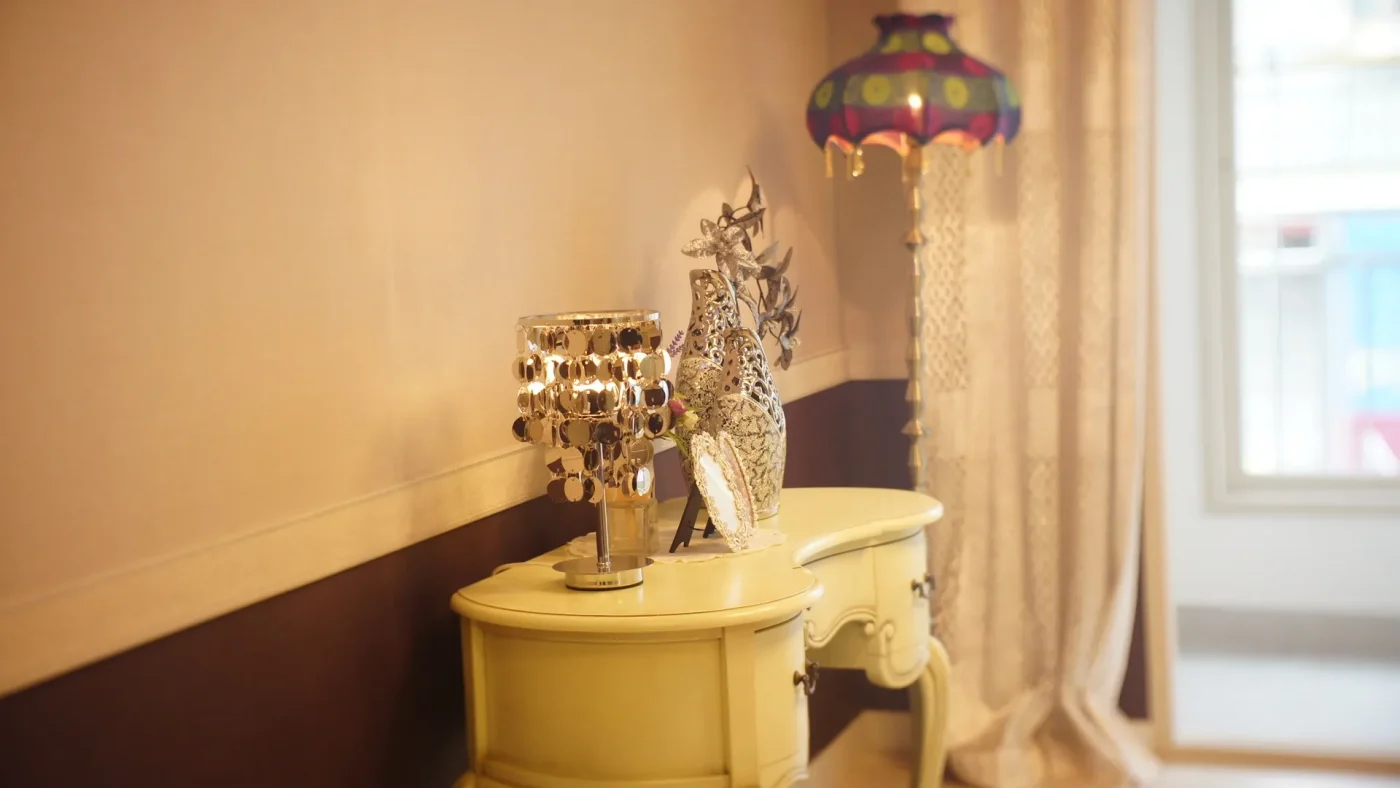
Transforming an interior without generating unnecessary waste involves editing existing pieces and swapping small accent details.
- Audit Existing Color Baselines: Remove existing vibrant summer throws, bright cushions, and colorful tabletop items to create a calm, neutral canvas.
- Anchor the Centerpiece: Establish a primary focal area—such as a dining table, mantelpiece, or entryway console—using a dark, textured base like charcoal slate or blackened linen.
- Layer Vertical Height: Arrange varied heights using iron taper holders, tall smoked-glass hurricanes, or sculptural stoneware vessels.
- Incorporate Natural Botanicals: Integrate dried florals, dark preserved foliage, or structural branches to break up uniform horizontal surfaces.
- Calibrate Ambient Lighting: Utilize warm-spectrum illumination, relying primarily on candle flames and low-wattage accent lamps to highlight textures.
This methodical approach ensures the resulting atmosphere remains cozy, sophisticated, and evocative throughout the entire season.
💡 Evaluate your home’s natural light before choosing between matte charcoal or reflective obsidian surfaces for your main display.
🔍 Experiment with texture over color to create subtle, eerie depth that complements your room’s existing layout.
📌 Focus your budget on versatile architectural pieces like stoneware vases and metal holders that easily adapt into winter arrangements.
👇 Share your favorite alternative fall decor ideas and tell us how you balance seasonal themes with modern home interiors.