
Why Giant Halloween Skeletons Still Dominate Front Yards Every October

 Halloween Decor
Oversized skeletons have evolved from a novelty trend into a staple of residential Halloween architecture.
Giant Halloween skeletons are dominating front lawns once again this October, transforming suburban streets into open-air monster showcases as towering seasonal props secure their position in residential decorating culture. These towering fixtures, often measuring twelve feet in height, provide an immediate visual spectacle that standard inflatables and carved pumpkins simply cannot match. What began as a viral novelty has expanded into an annual neighborhood competition focused on scale, lighting choreography, and structural ingenuity.
The enduring demand for these colossal figures is driven by a cultural shift toward theatrical, large-format residential displays. Rather than scattering smaller decorations across a property, homeowners increasingly treat their lawns as stages, with a massive central figure anchoring the entire scene. However, sustaining a towering installation in autumn weather introduces genuine engineering and logistical challenges that go far beyond standard holiday setup.
The Structural Engineering Behind Massive Lawn Displays
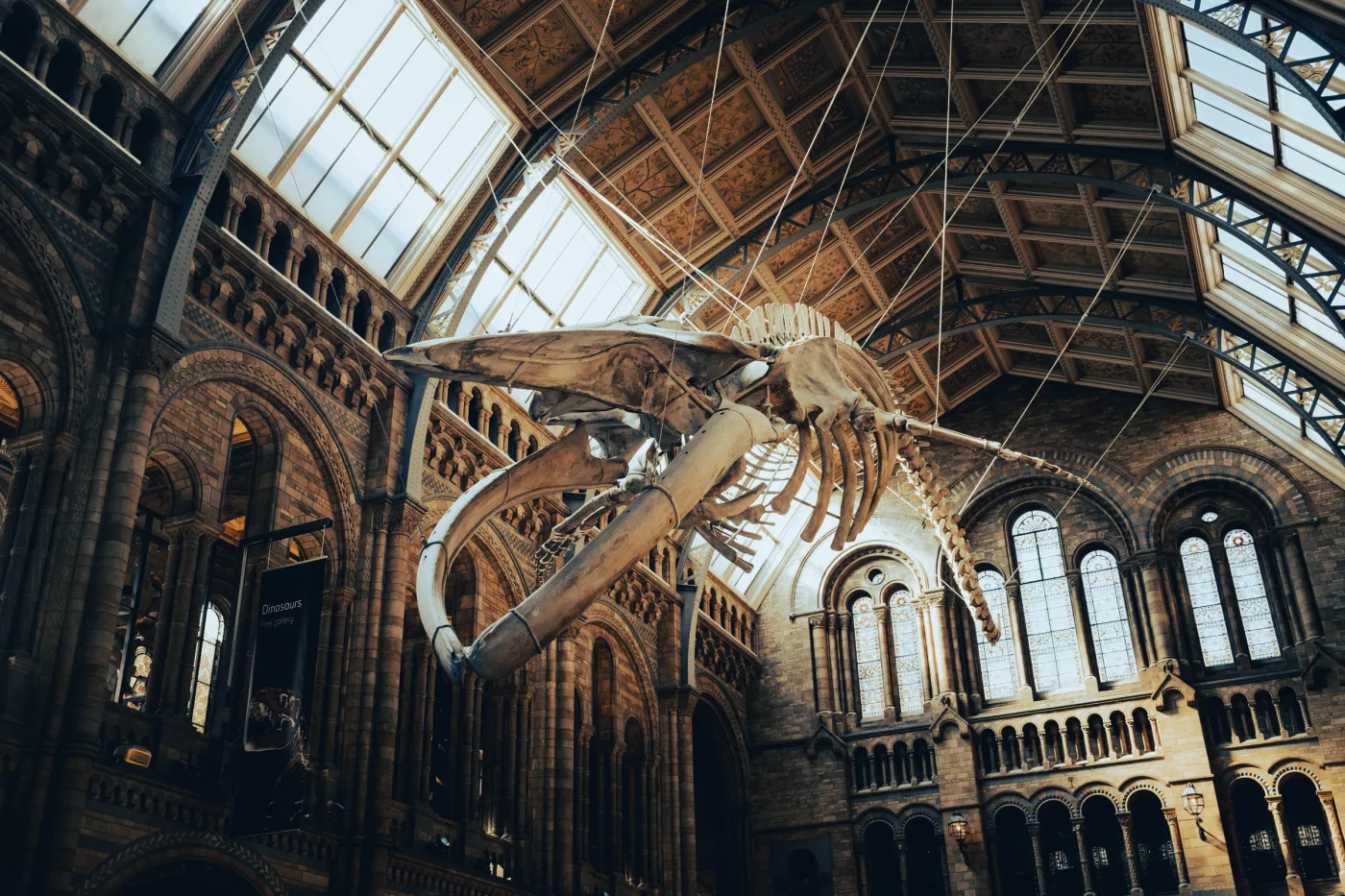
Erecting a prop that reaches twelve feet into the air requires a fundamental understanding of surface area, leverage, and ballast. High-density polyethylene frames keep the skeletal limbs lightweight enough for residential assembly, but the expanded frame acts as a sail when autumn wind gusts sweep across open suburban yards. Without proper mechanical support, the lateral force applied to the spine and pelvis of the figure can cause catastrophic joint failure.
Anchoring Protocols and Wind Load Management
Standard wire tent pegs are insufficient for securing structures of this magnitude. Stable setups depend on high-tensile steel ground augers, angled guy lines, and weighted baseplates that distribute vertical load across a wide footprint. Display builders must account for unpredictable autumn weather patterns, including sudden rainstorms that saturate turf and reduce the friction holding ground stakes in place.
- Assemble the baseplate on level ground: Position the metal mounting platform over firm, well-drained turf, ensuring the surface does not slant toward pedestrian walkways or public sidewalks.
- Drive heavy-duty ground augers: Replace stock wire stakes with screw-in spiral steel anchors driven at least twelve to fifteen inches into the ground at each corner of the base frame.
- Reinforce the primary vertical spine: Connect the internal support pole securely to the collar mechanism, verifying that all locking pins are fully engaged before lifting torso components.
- Attach tensioned guy-wire rigging: Run stainless steel aircraft cable or heavy weather-resistant braided cord from the upper torso down to external ground anchors at a forty-five-degree angle.
- Add internal ballast to the platform: Place commercial sandbags or weighted paver stones directly over the base rails to prevent uplift during sudden wind shear.
Saturating soil from heavy rainfall drastically reduces stake retention, meaning a giant lawn structure stable in dry conditions can easily tip over during a wet autumn squall if anchoring rely solely on vertical stakes without angled guy-lines.
Common Misconceptions vs. Mechanical Reality
A widespread assumption among casual decorators is that molded plastic decor requires zero weather maintenance once assembled. In practice, hollow blow-molded joints flex under continuous pressure, and fluctuating temperatures between daytime sun and freezing overnight lows cause repeated expansion and contraction. Over several weeks, this thermal movement loosens factory fasteners and compromises electrical wire channels embedded within the limbs.
Another persistent myth claims that setting a massive prop against a building or garage wall provides complete shelter from the elements. Wind often accelerates as it channels between closely spaced homes, creating a localized wind-tunnel effect that subjects the upper skull and ribcage to concentrated turbulence. Placing heavy displays close to structures can also risk significant siding or roof damage if an anchor shifts.
| Operational Factor | Best Practice Standard |
|---|---|
| Wind Threshold | Secure extra guy-lines above 20 mph; partially disassemble if sustained winds exceed 35 mph. |
| Ground Anchoring | Minimum four 12-inch steel augers driven into soil plus 100 pounds of base ballast. |
| Electrical Feed | GFCI-protected exterior circuits with heavy-duty weather-sealed outdoor extension cords. |
| Storage Requirements | Dry, temperature-moderated indoor space to prevent brittle plastic degradation over winter. |
Logistical Realities: Neighborhood Guidelines and Off-Season Storage
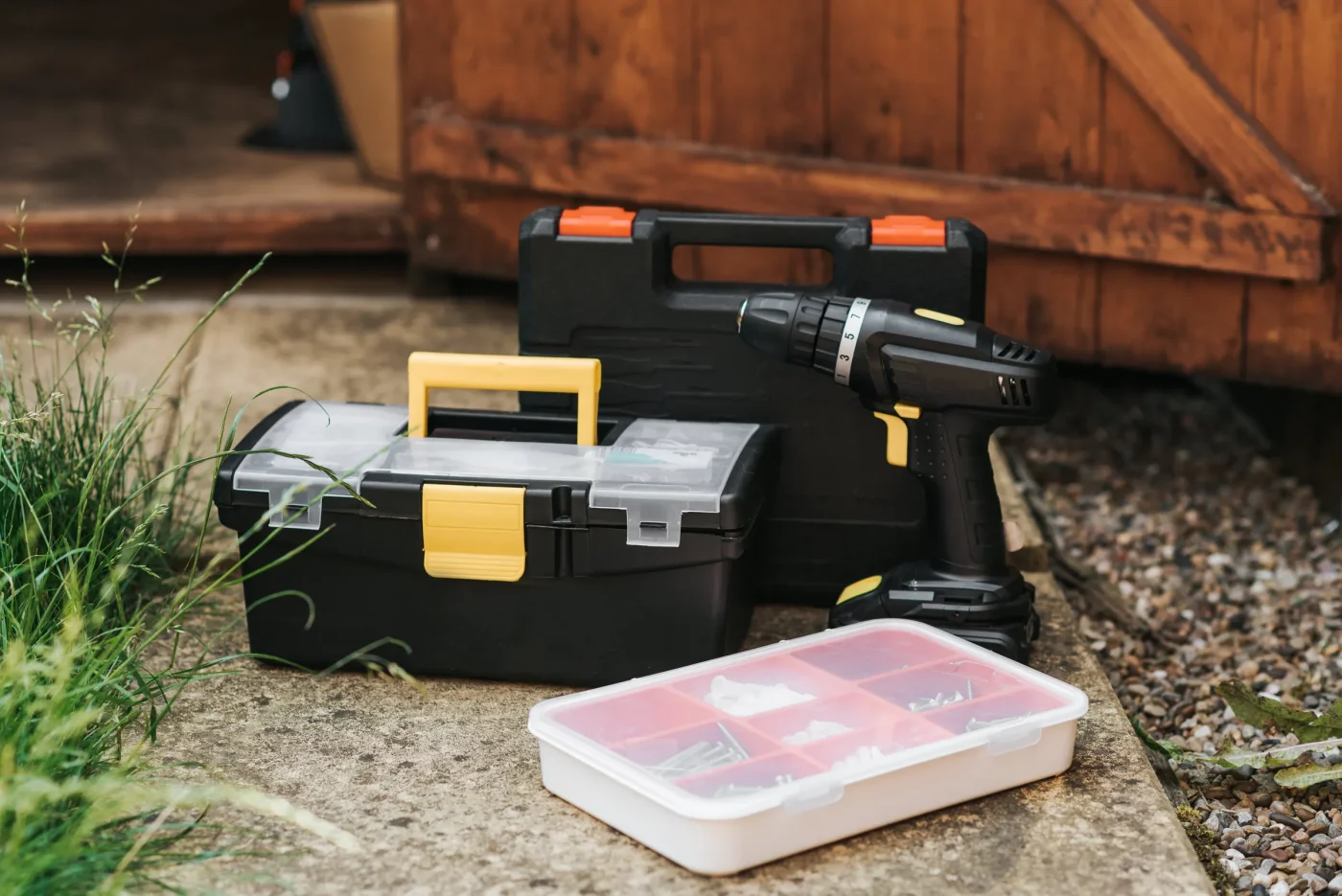
The scale of giant Halloween skeletons frequently intersects with municipal safety regulations and Homeowners Association rules. Structures placed too close to property edges can obscure driver sightlines near road curves, intersections, and driveway exits. Responsible placement requires maintaining clear visual corridors for road traffic and leaving adequate setback distances from overhead utility connections.
Off-season storage presents another formidable hurdle once November arrives. Disassembled twelve-foot fixtures fill multiple oversized industrial totes, requiring substantial garage, attic, or shed space that remains protected from extreme moisture and pest infestation. Homeowners who overlook storage planning often find themselves sacrificing vehicle parking or facing degraded components by the following autumn.
💡 Plan your lawn layout early to account for safe setbacks, driveways, and power connections before assembling heavy components.
🔍 Inspect all hardware and joints weekly throughout October to ensure wind vibration has not loosened critical fasteners.
📌 Upgrade your anchoring hardware using spiral earth augers and sandbags rather than relying on included stock stakes.
👇 Share your experiences with us: Have you added a massive skeleton to your front yard, or do you prefer traditional low-profile Halloween displays? Leave your thoughts in the comments below.