
Why the Authentic Gothic Halloween Look Taking Over 2026 Traces Back to Europe’s Most Haunted Historic Sites

 Halloween Decor
Centuries-old stone citadels and historic estates across Europe provide the authentic blueprint for modern Gothic seasonal styling.
The authentic Gothic Halloween look dominating October 2026 owes its design cues directly to real European heritage, replacing disposable plastic novelties with moody, historic realism. From the dimly lit bone corridors of the Parisian Catacombs sheltering the remains of six million people to the haunting Edwardian restraint of historic English bedrooms, seasonal aesthetics this year favor centuries-old stone, dramatic firelight, and genuine architectural antiquity.
Instead of neon decorations and fleeting pop-culture tributes, travelers and design enthusiasts are embracing the visceral textures of genuine medieval fortresses and candlelit legend. This stylistic shift emphasizes heavy velvet, weathered masonry, period-accurate woodwork, and the atmospheric gloom perfected across centuries of continental folklore.
Uncovering why this darker, elevated visual standard has captured widespread attention requires examining the authentic European destinations and historic manors currently establishing the benchmark.
The Old World Architecture Inspiring Modern Gothic Atmosphere
The foundation of this year’s prevailing Halloween visual language rests firmly upon the stark masonry and forested landscapes of Eastern and Western Europe. Romania’s historic Transylvania region remains the pinnacle of this aesthetic, anchored by the towering profile of Bran Castle and more than 100 historic castles scattered through the Carpathian Mountains. The juxtaposition of vibrant autumn mountain foliage against stark medieval citadels in cities like Brașov sets a dramatic, moody visual tone that modern seasonal decorators strive to replicate.
Further west, Bruges demonstrates how water and medieval stone combine to generate quiet suspense. The Belgian city pairs winding canals with cobblestone pathways, sinister water legends surrounding the Minnewater, and historical exhibits at the Torture Museum. These historic backdrops establish an unshakeable design principle: authenticity relies on natural textures, deep shadows, and weathered surfaces rather than artificial theatricality.
True Gothic ambiance does not emerge from synthetic cobwebs or garish props, but from architectural weight, deliberate shadow, and the tangible patina of age.
In France, the aesthetic plunges straight underground. The subterranean tunnels of the Paris Catacombs present an uncompromising confrontation with mortality, lined systematically with the bones of six million people. Above ground, the winding footpaths, weathered stone monuments, and ornate mausoleums of Père Lachaise Cemetery—housing luminaries such as Oscar Wilde, Marcel Proust, and Molière—reinforce an ornate, mournful elegance that heavily influences high-end seasonal styling.
Myth vs. Reality: Historic Gothic Heritage vs. Pop-Culture Halloween
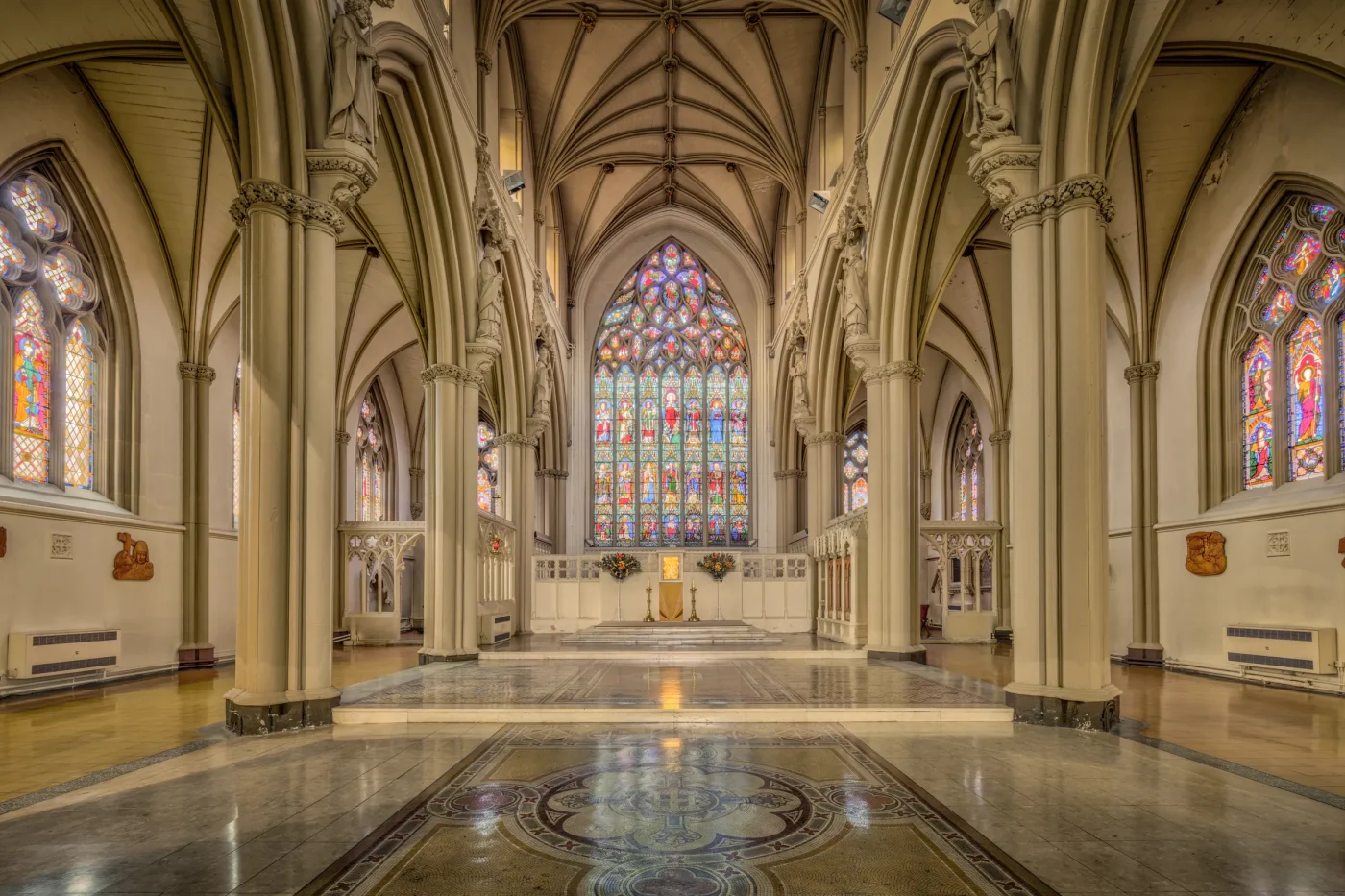
Modern commercial culture often equates the Gothic aesthetic with cartoonish horror, yet authentic Gothic tradition tells a vastly different story.
- Myth: Gothic seasonal decor requires fluorescent accents, fake spiderwebs, and synthetic gore.
- Reality: Authentic Gothic visual heritage relies on natural elements, including aged stone, beeswax tapers, wrought iron, and deep autumnal forest hues.
- Myth: Halloween traditions are modern commercial inventions designed solely for retail spectacle.
- Reality: Gatherings like the Samhuinn Fire Festival in Edinburgh preserve ancient Celtic calendar rites, deploying torchlit processions and traditional costuming down historic cobbled streets.
Living Relics: Haunted Historic Properties Setting the Interior Standard
The interiors defining the Gothic Halloween look in 2026 draw immediate inspiration from preserved period accommodations across the UK and Italy. At Talliston House and Gardens in Great Dunmow, Essex, the Haunted Bedroom recreates the unsettling atmosphere of an Edwardian child’s room, utilizing authentic antique furnishings, vintage books, and curated heritage toys rather than cheap visual gags.
Castles offer an even deeper architectural canvas. Northern Ireland’s Ballygally Castle Hotel embraces its 17th-century roots, where Lady Isabella Shaw reputedly perished after being confined within a tower room. Guests visiting Room 421 encounter an environment steeped in authentic stone staircases and reported cold spots, preserving the austere dignity of 1600s residential architecture without turning the legacy into a funfair attraction.
Similarly, on the shores of Lake Maggiore in Piedmont, Italy, Castello Dal Pozzo carries an enduring legend dating to 1467, when a young woman named Barbara was imprisoned in the estate’s tower by her father after falling for a captain exiled to France. The preserved Italian stone tower remains a masterclass in romance, solitude, and architectural melancholy.
Key Regional Elements of Authentic Gothic Halloween Design
Historic European destinations each contribute a distinct visual fingerprint to this season’s dark aesthetic palette.
| Destination / Estate | Core Aesthetic Influence |
|---|---|
| Transylvania (Bran Castle) | High-contrast mountain citadels, thick stone parapets, and Carpathian autumn foliage |
| Paris Catacombs | Skeletal subterranean corridors, limestone tunnels, and stark memento mori realism |
| Talliston (Haunted Bedroom) | Edwardian domestic restraint, vintage toys, dark timber framing, and curated heritage books |
| Ballygally Castle Hotel | 17th-century masonry, austere spiral stone stairs, and period residential chambers |
| Derry Halloween Festival | Celtic folklore staging, dramatic illuminated street displays, and acrobatic pageantry |
| Castello Dal Pozzo | 15th-century Italian fortified towers, dramatic lakeside stone walls, and romantic melancholy |
How to Recreate the Historic Gothic Look at Home
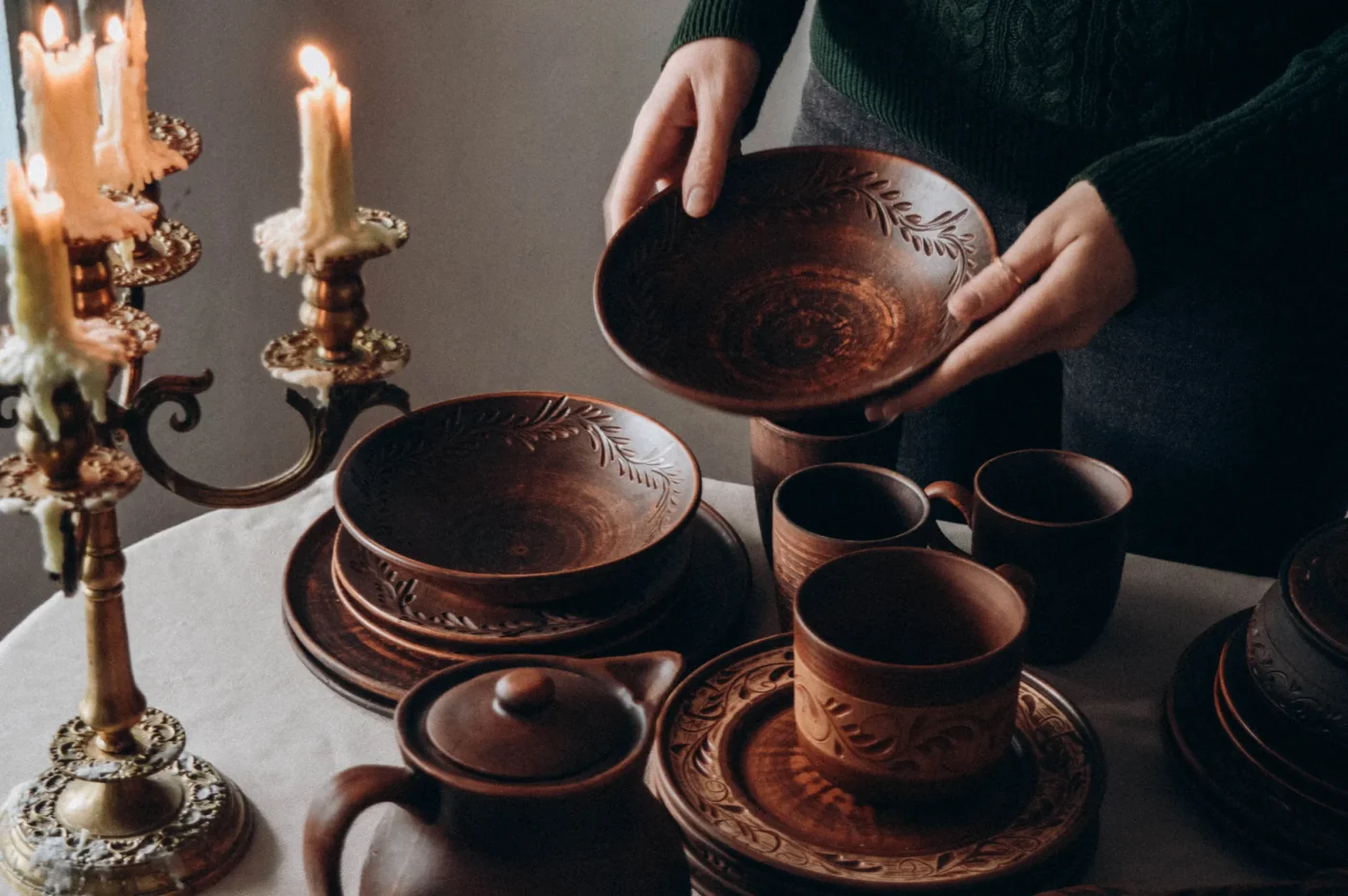
Translating centuries-old European architecture into a cohesive personal aesthetic requires thoughtful curation. The key is prioritizing organic weight over mass-produced plastics.
- Embrace a Restrained Palette: Eliminate loud neon shades in favor of charcoal, aged limestone gray, deep forest green, and unbleached bone tones.
- Incorporate Heavy Natural Textures: Introduce wrought iron candelabras, raw linen, heavy velvets, and rustic timber surfaces to ground the space in material authenticity.
- Prioritize Low, Warm Lighting: Mimic the fire-driven energy of Edinburgh’s Celtic festivals by using warm filament bulbs or beeswax candles, allowing shadows to define the contours of the room.
- Display Authentic Vintage Oddities: Channel the Edwardian styling of Talliston by styling aged hardback books, botanical pressings, and classic ceramics instead of disposable plastic figurines.
💡 The shift toward historical Gothic realism proves that the most powerful seasonal atmosphere stems from genuine heritage, patient craftsmanship, and timeless storytelling.
🔍 Whether drawing visual inspiration from 600-year-old York apartments or Celtic fire pageantry, classical design continues to outshine modern plastic novelties.
👇 Leave your thoughts in the comments below: Are you leaning into authentic Old World Gothic styling this October, or do you still prefer classic pop-culture decor?
📌 Share your favorite haunted historic destinations with us and tell us which European landmarks inspire your seasonal aesthetic the most.