
America’s Top Halloween Candy Revealed as Reese’s Leads Nationwide Sales

 Halloween Food & Parties
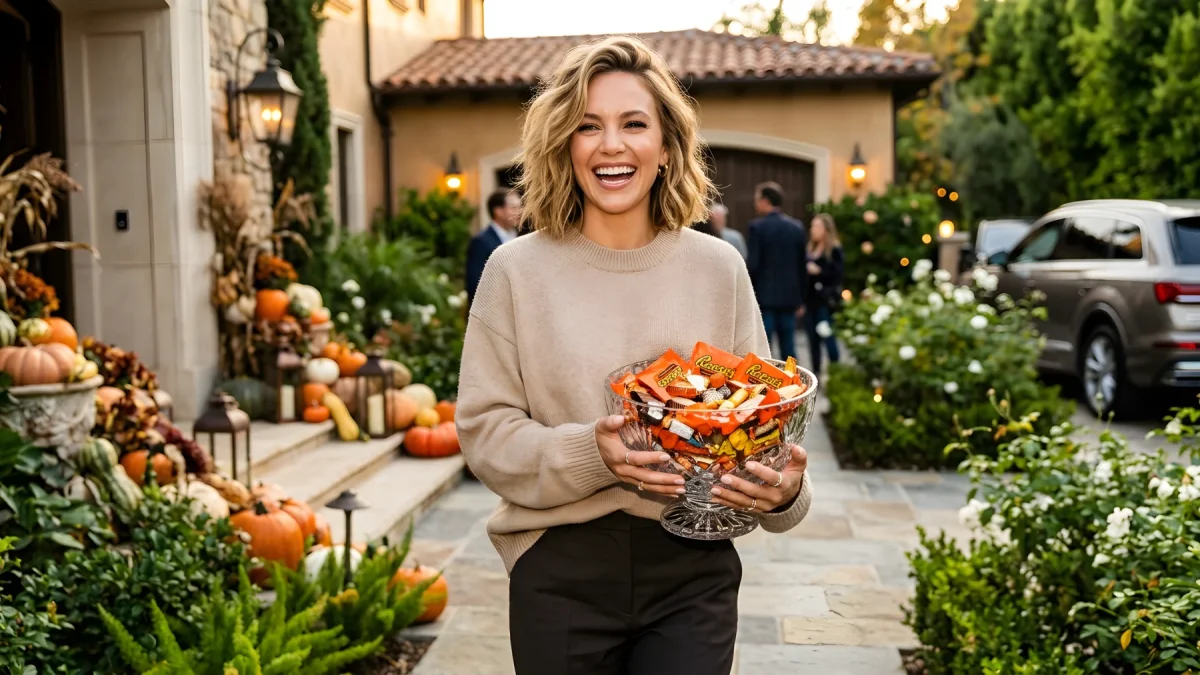
Chocolate peanut butter cups remain the premier prize in trick-or-treat bags across the country.
Reese’s Peanut Butter Cups dominate retail aisles as the premier Halloween candy purchase across the United States, driving household purchases and anchoring trick-or-treat hauls nationwide. Data tracking neighborhood routes across all 50 states reveals that iconic chocolate and peanut butter pairings consistently yield peak satisfaction ratings, reaching candy haul scores as high as 89.9 percent in top-performing trick-or-treat corridors. While regional variations emerge each autumn, classic chocolate confections remain the bedrock of America’s seasonal spending.
The race for neighborhood dominance is not entirely uniform. While chocolate giants move the highest overall volume, sour candies and regional specialties frequently disrupt the map. In states like Texas, confectionery tracking highlights Sour Punch Straws as a surprising local leader, illustrating how regional palates can deviate sharply from national averages.
This dynamic creates a competitive seasonal market where legacy chocolate brands compete directly with chewy, tart alternatives for space in the family candy bowl.
The Anatomy of America’s Seasonal Candy Haul
State-by-state route data illustrates just how focused trick-or-treaters have become on maximizing their hauls. Neighborhood tracking demonstrates that highly concentrated residential streets—such as Clark Avenue in Billings, Montana, which draws roughly 4,000 visitors annually, and South 3rd in Bozeman—yield candy haul success ratings approaching 90 percent.
Consumer preferences, however, reveal a distinct split between national volume leaders and state-level cult favorites. The data reflects a nuanced battle between traditional chocolate combinations and high-intensity sour treats.
| Category or Metric | Market & Health Benchmark |
|---|---|
| Leading National Staple | Reese’s Peanut Butter Cups |
| Regional Outlier (Texas) | Sour Punch Straws |
| Peak Neighborhood Haul Rating | 89.9% Efficiency |
| CDC Added Sugar Consumption Rate | 3 in 5 Americans age 2 and older exceed limits |
| Beverage Share of Added Sugars | 24% of total national intake |
| Dessert & Sweet Snack Share | 19% of total national intake |
These figures show that while trick-or-treaters target high-volume streets for maximum candy collection, the sheer volume entering households creates an annual nutritional challenge.
Navigating the Sugar Surge: Guidelines for Families
The annual surge in confection purchases brings heightened scrutiny to family consumption habits. Data from the Centers for Disease Control and Prevention (CDC) confirms that three in five Americans age 2 and older routinely consume more than the recommended quantity of added sugars. While trick-or-treat baskets face heavy scrutiny every October, public health data shows that desserts and sweet snacks account for 19 percent of added sugar intake, trailing behind sugary drinks at 24 percent.
“Halloween candy and holiday desserts can absolutely be part of enjoying the season. Rather than focusing on eliminating sweets, families can become more aware of where added sugars are coming from and make simple choices throughout the day that help create balance.”
Neuroscientist and nutrition expert Dr. Nicole Avena points out that addressing seasonal confections requires an understanding of daily dietary patterns rather than hyper-focusing on a single night of festivities.
Myth vs. Reality: The Candy Bowl Villain
A widespread assumption suggests that strictly banning confections on October 31 is the most effective way to safeguard children’s health. Dietary research indicates that villainizing seasonal sweets often backfires by increasing cravings and encouraging secretive eating habits.
The scientific reality points to daily beverage consumption as a far more substantial driver of surplus sugar intake. Addressing year-round soda, juice, and sweetened beverage habits yields a much greater nutritional benefit than outright confiscating a trick-or-treat stash.
Practical Strategies for Managing Autumn Confections
Balancing seasonal enjoyment with structured nutrition requires proactive planning before the front door opens on neighborhood visitors. Health professionals highlight practical steps to prevent impulse-driven overconsumption:
- Fuel up before going out: Serving a complete meal or whole-fruit snack prior to trick-or-treating stops children from using their treat bags as an immediate dinner substitute.
- Keep wholesome snacks accessible: Stocking freeze-dried fruits or simple grab-and-go options provides immediate sweetness with zero added sugars.
- Audit daily beverage intake: Reduce sweetened sodas and seasonal specialty drinks to leave room for occasional holiday treats without exceeding sugar thresholds.
- Encourage mindful pacing: Organize the post-trick-or-treat haul into manageable portions to avoid high-volume consumption in single sittings.
“Going into an environment filled with food when you’re extremely hungry can make it harder to make intentional choices. A snack beforehand can help kids enjoy their Halloween treats without candy becoming their dinner.”
Adopting structured routines allows families to embrace classic confectionery traditions while maintaining nutritional balance long after trick-or-treating concludes.
💡 Stocking up early ensures your household gets the exact treats your neighborhood expects.
🔍 Which sweet reigns supreme on your block this autumn?
👇 Leave your thoughts in the comments below and tell us your household’s favorite treat.