
Spirit Halloween Names Greek Goddess Costumes a Top 2026 Trend: How to Style the Look

 Halloween Ideas & Trends
Classical drapery and polished gold accents lead the mythological aesthetic this Halloween season.
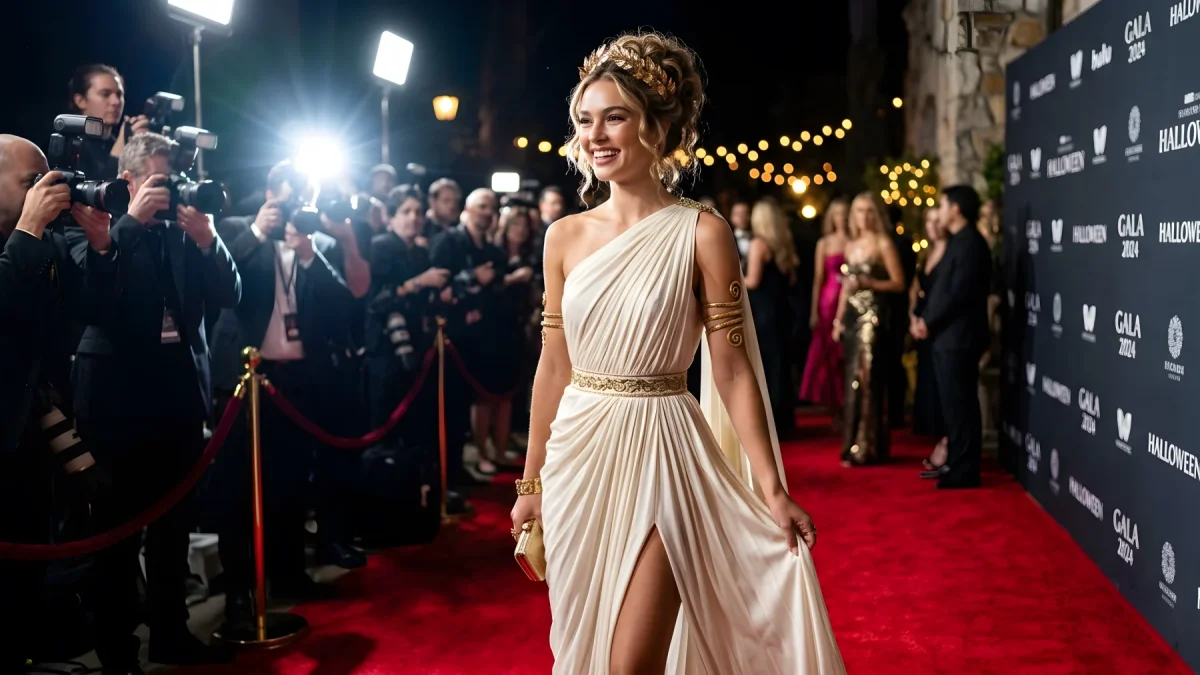
Spirit Halloween has officially named Greek goddess costumes among the top trending styles for 2026, signaling a massive consumer pivot toward classical mythology, fluid drapery, and regal golden accents. The retailer highlights the classical aesthetic as a dominant choice across all age demographics, driven by a collective preference for wearable elegance over cumbersome novelty suits.
This mythological surge reflects a deliberate shift in how holiday wear is approached nationwide. Rather than relying on single-piece foam garments, costume buyers are prioritizing breathable, adaptable silhouettes that offer both comfort and dramatic visual impact. The look bridges ancient antiquity with contemporary evening wear, creating an instantly recognizable silhouette that works in almost any autumn setting.
Behind the Surge: Why Classical Mythology Dominates 2026
The resurgence of classical antiquity in modern pop culture continues to reshape retail inventories across the United States. Retail displays confirm that shoppers are drawn to archetypes representing authority, wisdom, and nature, with figures like Athena, Aphrodite, and Artemis providing diverse avenues for creative personalization.
Beyond visual appeal, practical versatility makes these outfits stand out in high-volume retail environments. The fluid cut of Greco-Roman garments allows for easy thermal layering beneath light fabrics, accommodating unpredictable October weather without compromising the overall presentation.
A balanced mythological costume pairs fluid classical textiles with sharp metallic structure, preventing the drapery from looking like an afterthought.
This balance between structured accessories and free-flowing fabric forms the foundation of what makes the aesthetic compelling. When executed correctly, the ensemble appears intentional, commanding, and historically inspired.
Essential Components of the Greek Goddess Aesthetic
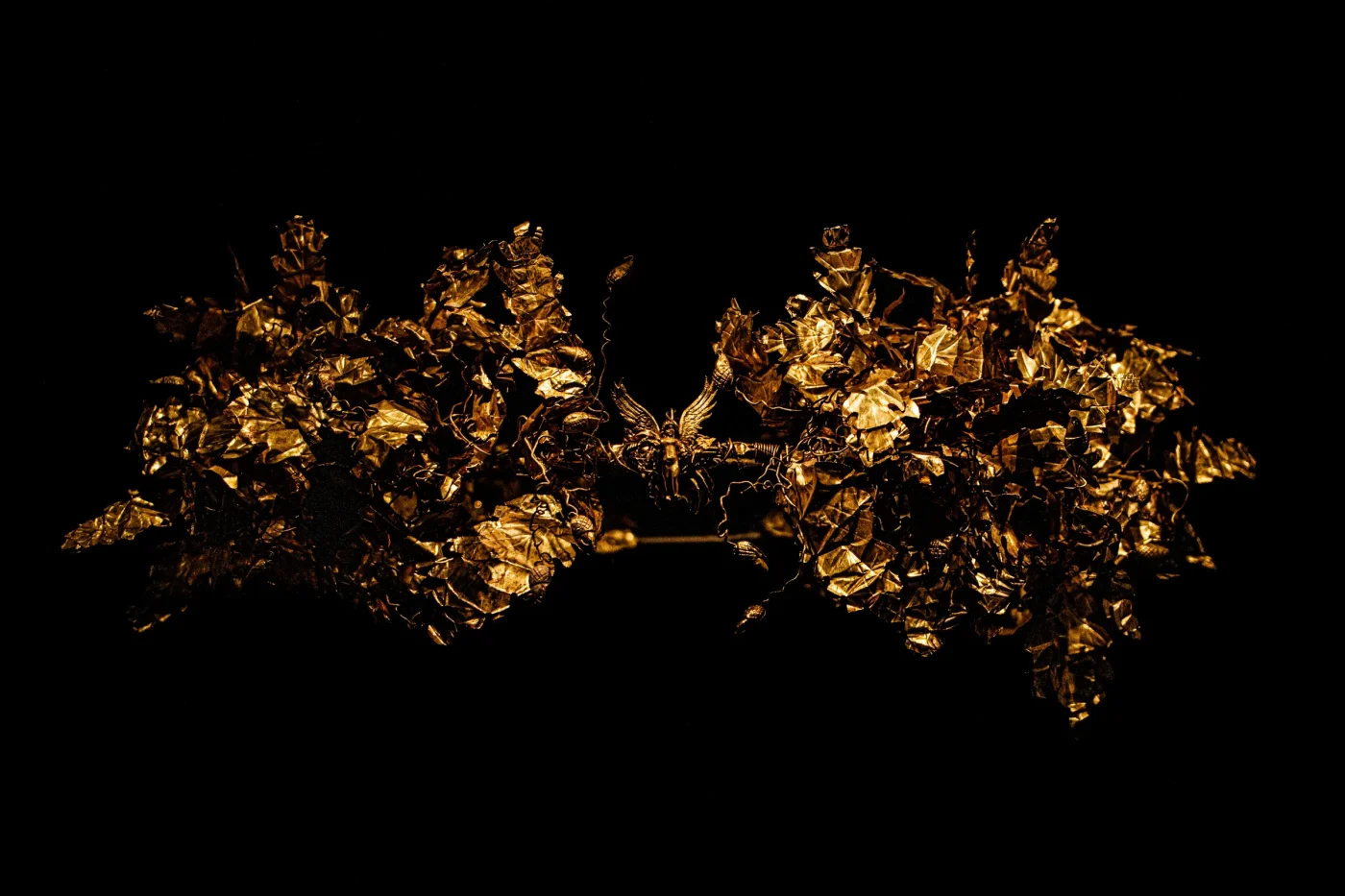
Achieving the standard recognized by major costume retailers requires paying attention to key structural pieces. The core elements break down cleanly across fabric selection, jewelry, and footwear choices.
| Costume Element | Style Focus |
|---|---|
| Primary Chiton or Tunic | Draped cream, ivory, or white fabric with an empire waistline |
| Metallic Accents | Polished laurel wreaths, coiled armbands, and waist cinchers |
| Footwear | Lace-up gladiator sandals or neutral flat metallic footwear |
| Layering Elements | Translucent ombré shoulder sashes or pleated back capes |
Focusing on these complementary components keeps the silhouette crisp and cohesive, preventing individual accessories from clashing with the main dress.
How to Assemble the Complete Look Step by Step
Mastering the Silhouette and Hardware
Building an authentic-looking goddess outfit requires an orderly assembly process to maintain proper proportions throughout an entire evening of wear.
- Anchor the Base Robe: Secure a draped floor-length or asymmetrical ivory dress, ensuring the chest pleats sit flat across the collarbone.
- Define the Waistline: Fasten a gold braided cord or a structured metallic belt high on the natural waist to establish classical proportions.
- Secure the Sashes: Affix shoulder-draped fabric panels with matching brooches or decorative pins to ensure symmetrical movement.
- Stack the Accessories: Position upper-arm cuffs above the bicep and finish the styling with a stamped laurel leaf crown nestled into relaxed waves or an updo.
Myth vs. Reality: Avoiding Common Costume Missteps
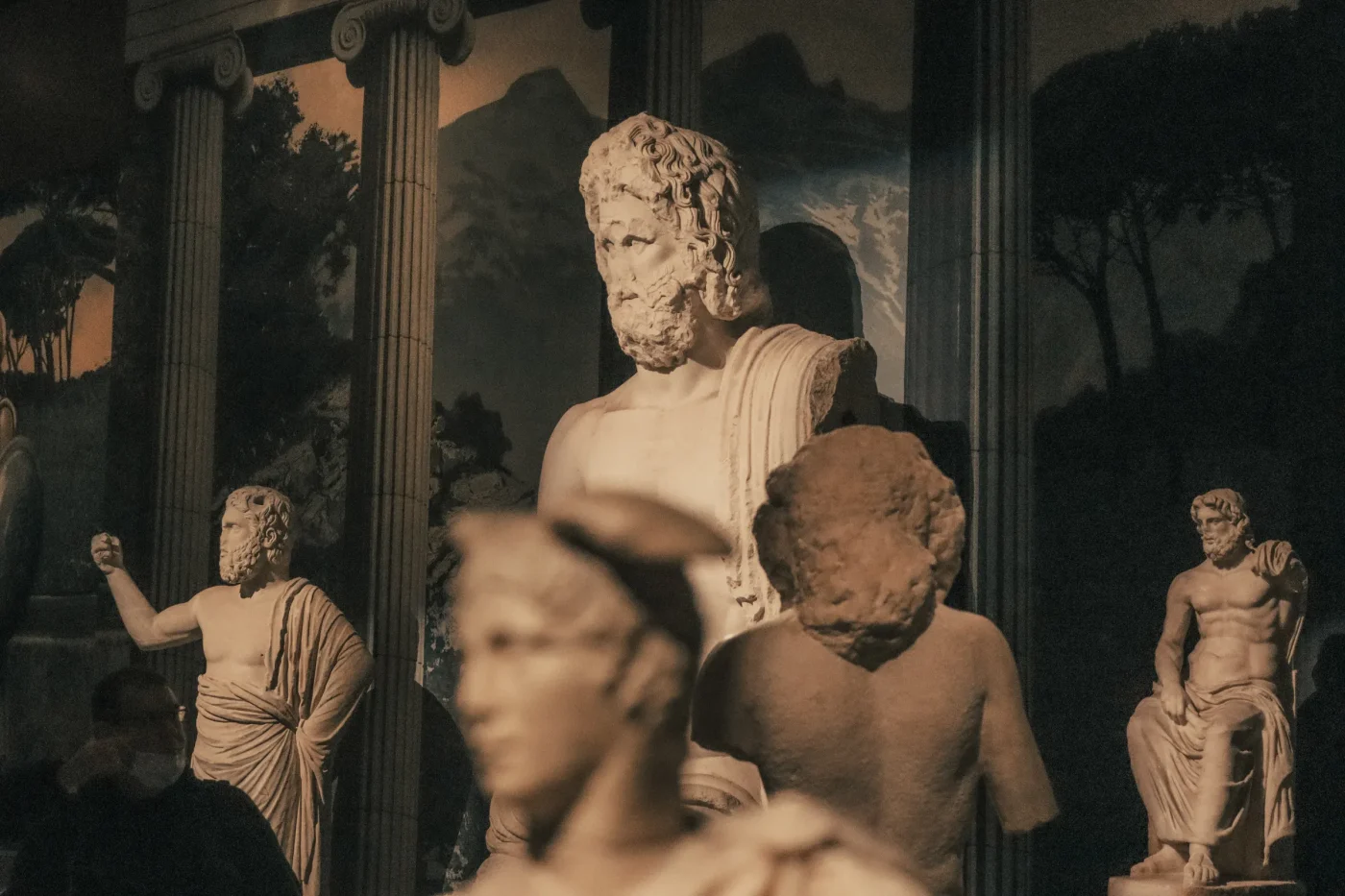
A widespread assumption is that any plain white sheet fastened with safety pins can adequately replicate classical drapery. In reality, actual Greco-Roman chitons and peplos garments relied on heavily weighted borders, specific linen weaves, and strategic fabric folds to fall cleanly around the body.
Improvised wraps frequently slide out of place, lose tension, and lack the structural support necessary for active mobility. Commercial designs engineered for the 2026 trend utilize reinforced seams, hidden elastic cinches, and balanced hemlines to maintain their regal shape throughout long events.
💡 Choosing a base fabric with moderate weight ensures the dress falls naturally without bunching up during indoor or outdoor festivities.
🔍 Prioritizing sturdy metallic accessories over lightweight plastic foils guarantees that headpieces and cuffs stay secure throughout the evening.
👇 Leave your thoughts in the comments below and share which classical goddess look you plan to wear this season.