
Why Neighborhoods Are Expanding Front Porch Halloween Setups Down to the Curb

 Halloween Decor
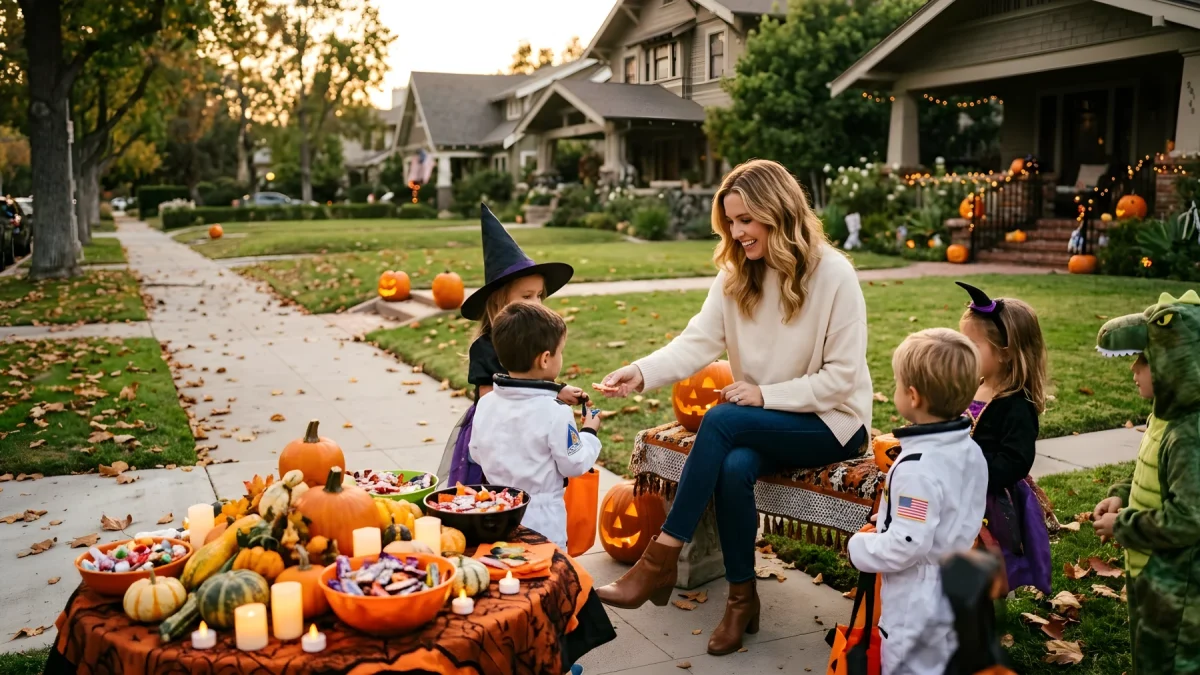
Neighborhood front porches are extending decorative and candy stations closer to the sidewalk for all trick-or-treaters.
A major shift is reshaping the traditional front porch Halloween setup this season, moving candy stations and elaborate decorative layouts away from cramped doorsteps and down toward the sidewalk. Homeowners are actively redesigning their outdoor entryways with wider pathways, gentler illumination, and sensory-friendly sound levels to ensure every child can participate without navigating physical obstacles.
For decades, standard decorating wisdom dictated clustering carved pumpkins, fog machines, and candy bowls directly by the front door. However, steep entryway steps, narrow walkways, and flashing strobe lights routinely create barriers for children with mobility devices or sensory sensitivities. Expanding the footprint of the display outward solves these structural bottlenecks before trick-or-treaters even reach the main stairs.
Rethinking Entryway Layouts for Complete Trick-or-Treating Access
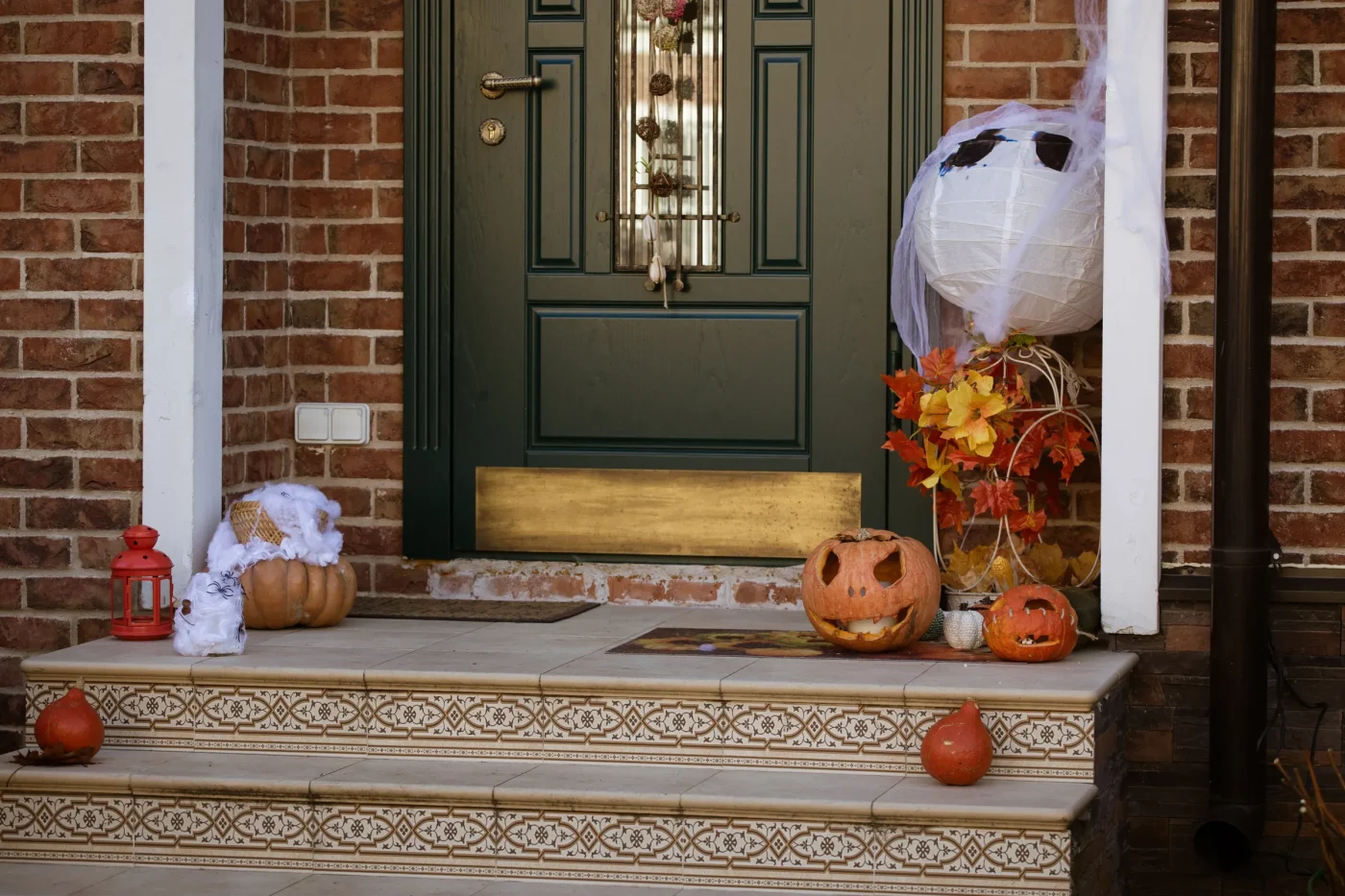
Expanding an outdoor holiday layout does not require high-voltage electronics or massive commercial animatronics. The fastest-growing design adaptation involves establishing a primary distribution station at the base of the driveway or near the front gate. Placing treat stations level with the public walkway removes the hazard of steep porch stairs and uneven lawn terrain entirely.
Pathways require continuous clearance to accommodate wheelchairs, wagons, and bulky costumes. Eliminating extension cords stretched across walkways and trimming low-hanging shrubs allows foot traffic to flow freely during peak evening hours. When decorative elements remain strictly on the perimeter of the lawn, congestion clears significantly faster.
Creating an inclusive entryway requires looking at your walkway from ground level, eliminating physical steps, and moderating extreme sensory triggers before the first visitor arrives.
Sensory-Friendly Lighting and Audio Adjustments
High-intensity strobes and sudden loud sound effects frequently overwhelm younger trick-or-treaters and children with neurodivergent conditions. Neighborhood organizers emphasize replacing disorienting strobe sequences with continuous, gentle ground-level lighting that highlights walking borders without creating harsh glare.
Adjusting the volume on atmospheric soundtracks or turning off sudden mechanical jump-scares ensures children can approach comfortably. When sound is dialed down, kids can communicate clearly, making the experience calm and enjoyable for families managing sensory sensitivities.
Porch Adjustments: Traditional Setups vs. Accessible Designs
Upgrading an exterior seasonal layout focuses primarily on flow, safety, and welcoming all visitors. The following breakdown outlines how traditional door-focused setups compare with modern, street-level layouts:
| Traditional Front Door Setup | Accessible Front Porch Setup |
|---|---|
| Candy bowl placed at the top of porch steps | Treat table stationed at ground level near sidewalk |
| Cords and props placed across main walkway | Wide, unobstructed paths with zero ground clutter |
| Rapid strobe lights and loud jump-scares | Gentle ambient pathway lighting and lowered audio |
| Candy-only treat selection | Dual bowls offering treats and non-food alternatives |
Practical Steps to Set Up an Inclusive Curb-Level Station

Transitioning your front yard to an open-access format requires only a few intentional structural adjustments before trick-or-treaters arrive:
- Relocate the Treat Station: Position a sturdy table or decorative stand at the end of your driveway or adjacent to the front sidewalk, keeping interaction fully step-free.
- Audit Pathway Lighting: Install warm, steady walkway lanterns along path borders to illuminate changes in elevation without casting blinding glare into visitors’ eyes.
- Provide Non-Food Options: Maintain a separate distribution bin stocked with small toys, stickers, or glow sticks to accommodate children managing severe food allergies.
- Display Clear Welcome Signage: Place a visible yard sign near the curb signaling to parents and children that your home features an accessible, barrier-free stop.
By shifting focus from vertical doorsteps to inclusive ground-level hospitality, neighborhoods are transforming Halloween into a shared celebration that welcomes every visitor from the curb upward.
💡 Have you relocated your treat station closer to the sidewalk this season?
🔍 Tell us what modifications worked best for your neighborhood layout.
👇 Leave your thoughts in the comments below and share your setup ideas.