
Carving Your Halloween Pumpkin Too Early? Here Is Exactly When It Rots

 Halloween Decor
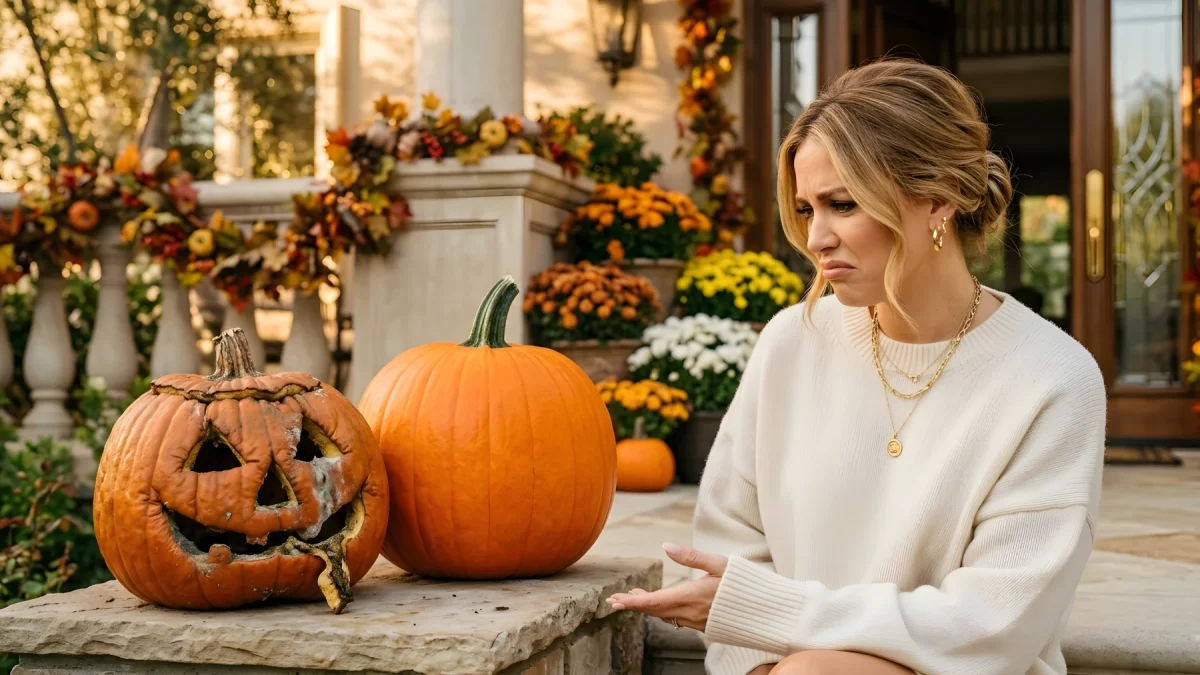
Carving too far in advance can leave your front porch decorated with a sunken pile of mold by October 31.
Carving Halloween pumpkin displays before the final week of October guarantees a collapsed, moldy shell long before trick-or-treaters reach your doorstep. Once cut, a pumpkin survives only three to five days before rapid decay takes over, meaning the optimal carving window begins strictly around October 28.
Buying an uncarved pumpkin weeks ahead of time will not ruin your holiday plans, but breaking its skin too early certainly will. Understanding the biological clock of your gourd ensures your porch display stays crisp, vibrant, and structural through Halloween night.
The Carving Timeline: Why Days Matter More Than Weeks
A whole, unblemished pumpkin easily lasts for a month or more on a cool, sheltered porch. The protective outer rind shields the moist interior from airborne spores, ambient bacteria, and hungry insects.
The moment a knife pierces the skin, that defense disappears completely. Exposed to oxygen and moisture loss, the inner flesh rapidly deteriorates into soft spots and mold colonies.
Keep pumpkins whole until Halloween week, then aim to carve them somewhere around the 28th or later.
Guidance from the Farmer’s Almanac confirms that while picking up pumpkins in early to mid-October is perfectly fine, carving them right away turns festive art into sunken, rotting pulp before the celebration even begins. Waiting until the final stretch of the month guarantees your jack-o’-lantern looks sharp when it actually counts.
Myth vs. Reality: Does Buying Early Mean Rotting Early?
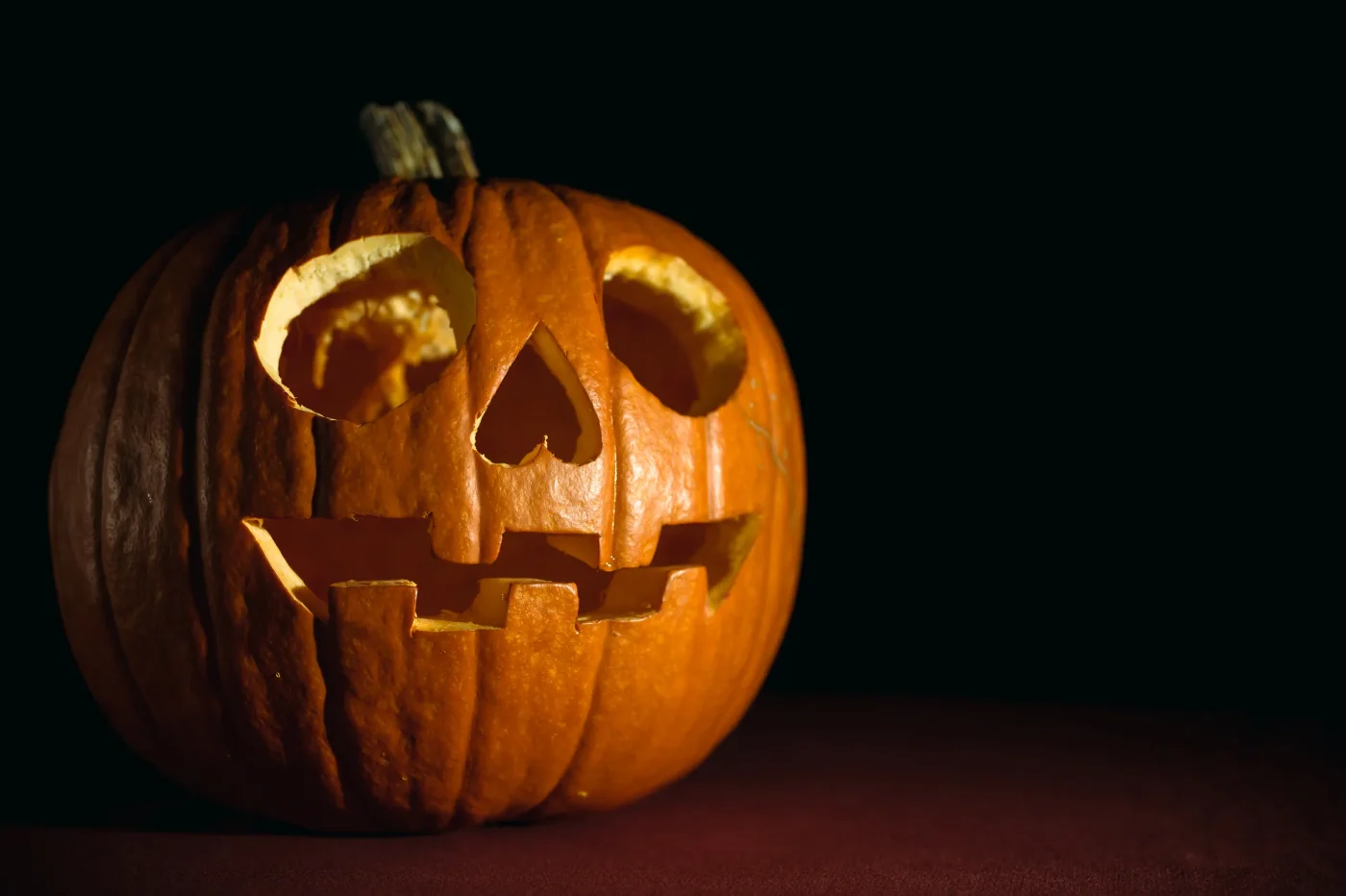
A widespread misconception suggests that bringing a pumpkin home in early October causes premature rot. Many decorators assume that because pumpkins appear on roadside stands and store shelves by late September, they must be carved immediately to kick off the fall season.
In reality, harvesting time and carving time operate on two completely different timelines. An uncut pumpkin remains stable for weeks if kept dry and elevated off damp ground. The actual destruction only starts when you scoop out the interior seeds and hollow out the walls.
Strategic Shopping: Finding the Healthiest Gourd
Keeping a pumpkin fresh until late October begins long before you touch a carving knife. The structural integrity of the gourd you choose at the retail register determines whether it survives the wait.
Traditional pumpkin patches often charge by the pound, with rates frequently reaching 69 to 79 cents per pound alongside admission fees that can reach $15 to $20 per person. For a typical 25-pound carving gourd, that can push your cost close to $20 before entry fees are factored in.
Warehouse retailers like Costco present an economical alternative, stocking jumbo carving pumpkins for $7.99 each and heirloom varieties for $6.99 flat. Choosing a sturdy, commercial gourd at a flat rate lets you secure large decorative pieces without overpaying.
| Pumpkin Retail Factor | Buyer Detail |
|---|---|
| Warehouse Club Pricing | $7.99 for jumbo; $6.99 for heirloom varieties |
| Patch Pricing by Weight | Roughly 69¢ to 79¢ per pound plus admission |
| Average Jack-o’-Lantern Lifespan | 3 to 5 days once hollowed and cut |
| Target Carving Date | October 28 or later for peak stability |
| Uncut Gourd Shelf Life | Several weeks if intact and dry |
Essential Inspection Rules Before Purchase
Before loading heavy gourds into your vehicle, inspect every surface to avoid bringing home hidden bacterial rot.
- Inspect the base: Check the bottom for soft, discolored spots, which signal existing internal decay.
- Never lift by the stem: Grabbing the stem can break or weaken the seal at the crown, opening a fast track for moisture and fungal rot.
- Lift from underneath: Always carry heavy pumpkins from the bottom while bending at your knees to protect your back.
- Store in a shaded spot: Keep uncarved pumpkins on elevated wood or cardboard, sheltered from rain and direct sunlight until you carve.
Step-by-Step Prep to Maximize Carved Freshness
When the final week of October arrives and you prepare your design, careful prep work extends your jack-o’-lantern’s brief window of survival.
- Clean the exterior rind: Wipe down the outside surface with a damp cloth to remove soil and microbial contaminants before cutting.
- Scrape the interior dry: Remove all pulp and loose fibers thoroughly; excess internal moisture accelerates bacterial growth.
- Coat exposed edges: Lightly coat all raw, exposed cut lines with petroleum jelly to slow moisture loss.
- Use battery-operated lights: Swap real wax candles for LED tea lights, as real flames create internal heat that cooks and softens the pumpkin walls.
By delaying the knife until October 28 and following basic preservation steps, your display will remain crisp, clean, and spooky right through Halloween night.
💡 When do you typically carve your family pumpkins?
🔍 Share your favorite preservation hacks with us in the comments below.
📌 Save this schedule to ensure your porch decorations stay fresh all season long.