
How to Master Frosted Halloween Makeup for an Ice-Queen or Futuristic Finish

 Costumes & Makeup
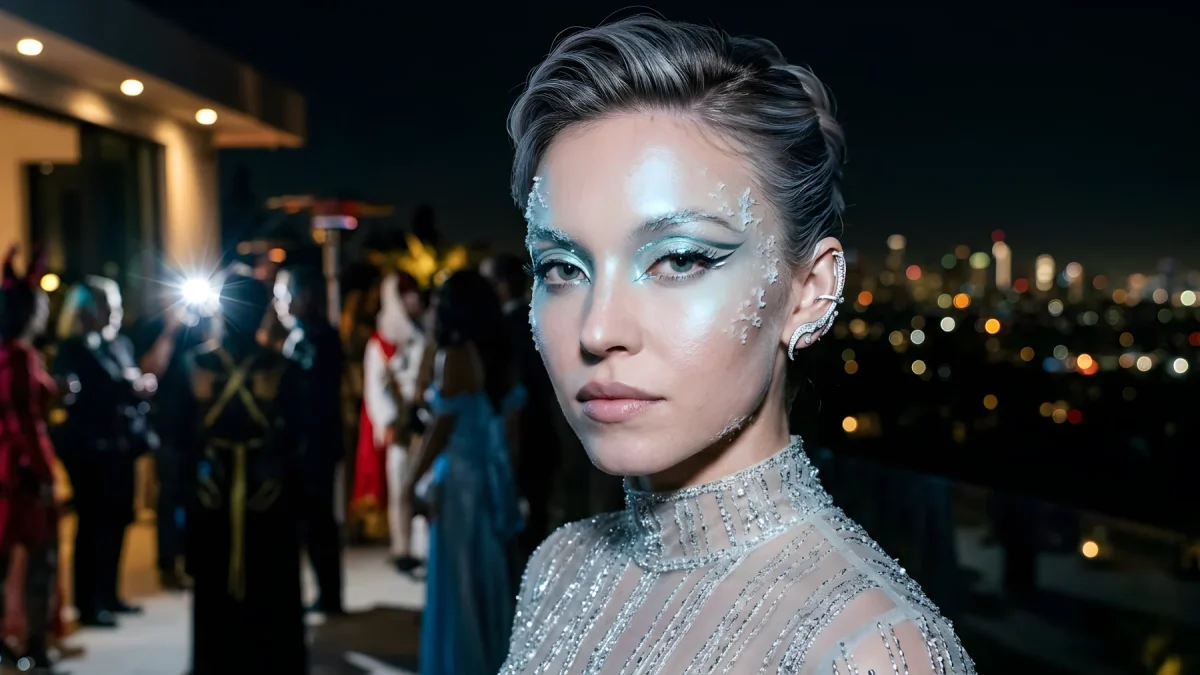
A seamless blend of iridescent pigments and cool undertones defines the modern frosted aesthetic.
Executing high-impact frosted Halloween makeup requires precise layering of cool-toned bases, chromatic shift pigments, and high-tensile setting agents rather than simply dusting white powder over the skin. Whether building a crystalline ice-queen or an austere futuristic android, achieving a multidimensional finish hinges on controlled light reflection and skin barrier preparation that prevents chalky creasing.
The visual distinction between an amateur costume and a studio-grade editorial finish comes down to undertone calibration. By replacing stark flat whites with translucent duochromes, metallic silvers, and glacial cyan hues, the face retains structural depth under artificial party lighting. Understanding the interplay between cream bases and micro-fine powders allows you to control exactly where the eye travels across the facial structure.
The Structural Divide: Ethereal Frost Versus Cyber Precision
While both aesthetics utilize cool temperatures and reflective finishes, their structural frameworks diverge completely. The ice-queen archetype focuses on organic crystal growth, textured rims along high planes, and soft-focus luminescence that mimics sub-zero climates.
In contrast, futuristic frosted design relies on calculated geometric architecture. Negative space, sharp cut-creases, chrome-painted temples, and reflective foil strips dictate the cyber aesthetic, where human skin visually merges with machine-grade alloy.
| Aesthetic Focus | Core Technical Application |
|---|---|
| Ice-Queen Styling | Soft gradient blending, organic crystallite placement, and cool lilac-blue contouring. |
| Futuristic Styling | High-contrast graphic lines, foil chrome finishes, and architectural negative space. |
Color Palette Matrix and Layering Dynamics
A resilient frozen look avoids monochromatic flat pigments. Professional application begins with a foundation that carries a neutral-to-cool undertone, paired with strategic contour shades using muted slate or periwinkle rather than traditional bronze or taupe.
Layering chromatic pigments over a tack-free cream shadow creates the illusion of internal luminescence. Applying a translucent lilac base beneath a sheer silver shimmer introduces depth, scattering light across the zygomatic arches without creating a heavy mask effect.
Step-by-Step Blueprint: Assembling the Frosted Finish

Achieving a professional-grade execution demands strict sequential application. Rushing into glitter or heavy metallics without anchoring the base results in premature pigment migration.
- Hydrate and Prime: Prep the face with a glycerin-rich, silicone-free moisturizer to establish pliancy. Apply a grip primer specifically across the nose, brow bones, and central forehead.
- Sculpt with Cool Undertones: Map the orbital sockets and sub-malar hollows with a muted lavender or pale grey cream stick, buffing outward to eliminate harsh borders.
- Deposit the Glacial Wash: Press a high-density metallic pigment—such as liquid chrome or silver shadow—across the high planes using a damp synthetic brush.
- Introduce Organic Frost: Stipple a white cosmetic mixing medium along the upper cheekbones, outer temples, and eyebrow tails to simulate frostbite-level crystallization.
- Anchor the Perimeters: Set the entire parameter with a fine micro-milled translucent powder, avoiding direct contact with high-shine chrome focal points.
Applying dry powder highlighters over untreated dry patches instantly shatters the illusion of sleek ice; reflectivity requires a uniformly smooth, hydrated canvas beneath the pigment layer.
This balance between liquid hydration and powder locking determines whether your makeup remains pristine through hours of wear or deteriorates under ambient room heat.
Safety Realities: Cosmetic-Grade Frost Versus Craft Glitter
A widespread misconception assumes that any shimmering white or holographic craft powder can safely simulate ice. In reality, standard craft glitter consists of micro-cut metallic plastics or glass compounds with razor-sharp edges that can cause permanent corneal lacerations.
Regulatory agencies such as the FDA enforce strict guidelines separating cosmetic-grade mica and synthetic fluorphlogopite from industrial craft embellishments. Eye-safe pigments utilize rounded polyethene terephthalate (PET) polymers or finely milled minerals that refract light safely without threatening delicate ocular tissue.
True frost effects rely on pigment formulation and particle shape, never on industrial plastics that pose acute physical hazards to the eye.
When adhering textured crystals around the perimeter of the face, use exclusively water-soluble lash adhesives or medical-grade skin barrier glues. Peeling industrial adhesives from delicate facial skin compromises the epidermal moisture barrier and creates acute contact dermatitis.
Refining the Details: Brows, Lashes, and Lips
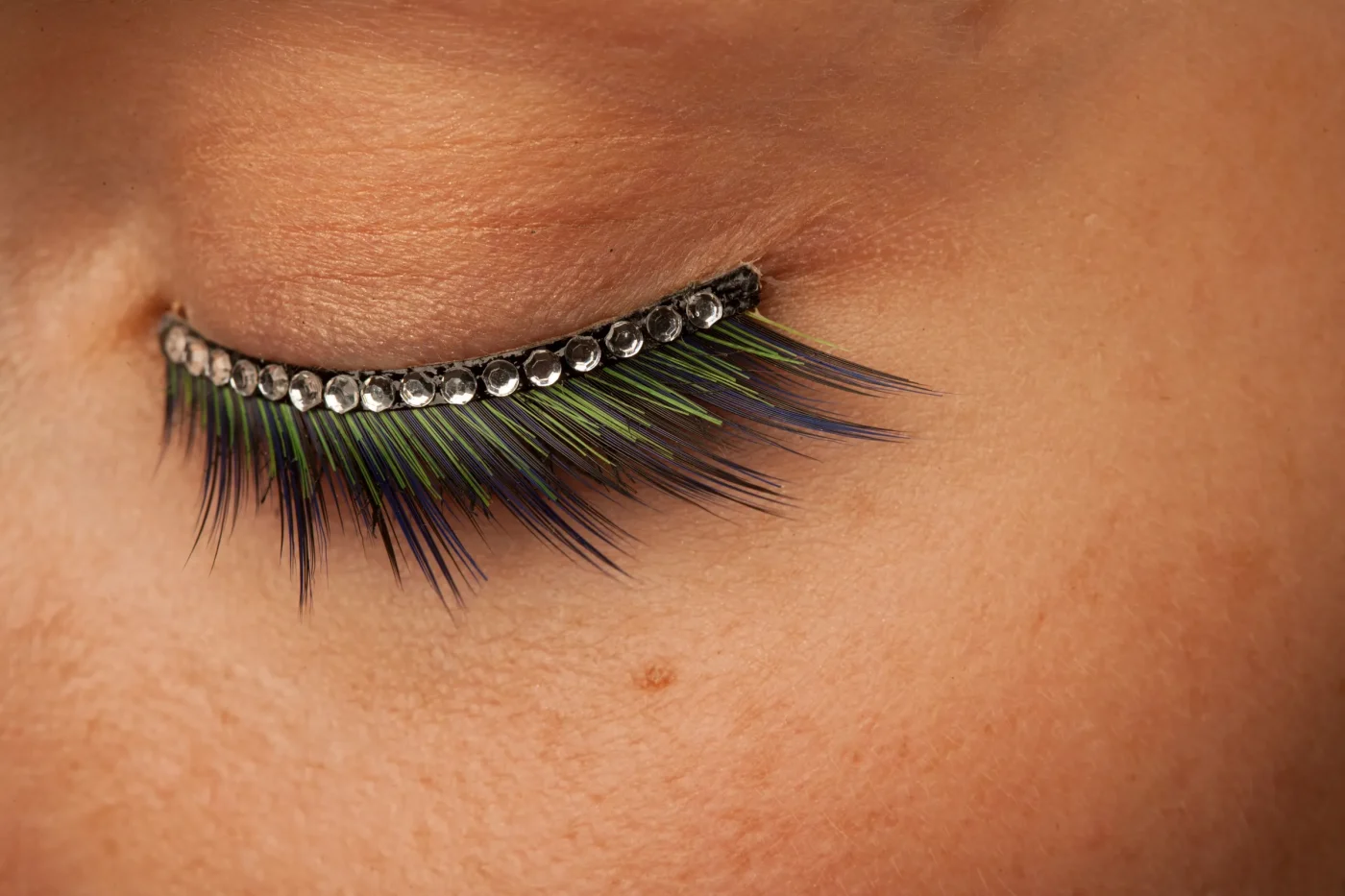
Leaving the facial features untreated while frosting the skin creates a visual disconnect. For an ice-queen concept, comb an opaque white cream or pale blue brow mascara through the natural arches, coating every hair individually before dusting with diamond-dust pigment.
Futuristic variants benefit from completely blocking the brow with cosmetic wax, replacing natural hair with a mirrored metallic line or leaving the orbital bone entirely bare to emphasize robotic simplicity.
For the lips, an ombre finish provides superior dimension compared to flat white lipstick. Line the outer rim with deep berry or plum, buff the perimeter inward, and pack high-impact metallic silver or holographic gloss into the exact center of the cupid’s bow and lower lip.
💡 Which frosted aesthetic fits your Halloween vision this season?
🔍 Audit your cosmetic kit early to ensure all reflective additives meet eye-safe standards.
👇 Share your favorite techniques for long-lasting, high-impact makeup execution below.