
Ghost-Shaped Ravioli Hack: How Store-Bought Wonton Wrappers Create Quick Homemade Pasta

 Halloween Food & Parties
Pre-made wonton wrappers cut into playful ghost silhouettes provide an effortless shortcut for Halloween pasta dishes.
Making fresh, tender ghost-shaped ravioli at home does not require mixing flour, kneading dough, or rolling pasta sheets through a mechanical press. By using pre-packaged, refrigerated wonton wrappers as the base, home cooks can assemble and seal custom seasonal dumplings in under twenty minutes. This straightforward culinary shortcut provides the delicate texture of fresh egg pasta while slashing prep time to a fraction of traditional methods.
Pre-made wrappers eliminate the high moisture variance that often causes homemade pasta dough to tear or turn gummy when cut into intricate shapes. Because commercial wrapper dough is rolled to a consistent thickness and dusted with cornstarch, it holds defined edges cleanly under a metal cutter. The result is a crisp silhouette that maintains its distinct haunting outline even after boiling.
Why Wonton Wrappers Work Better Than Traditional Pasta Dough
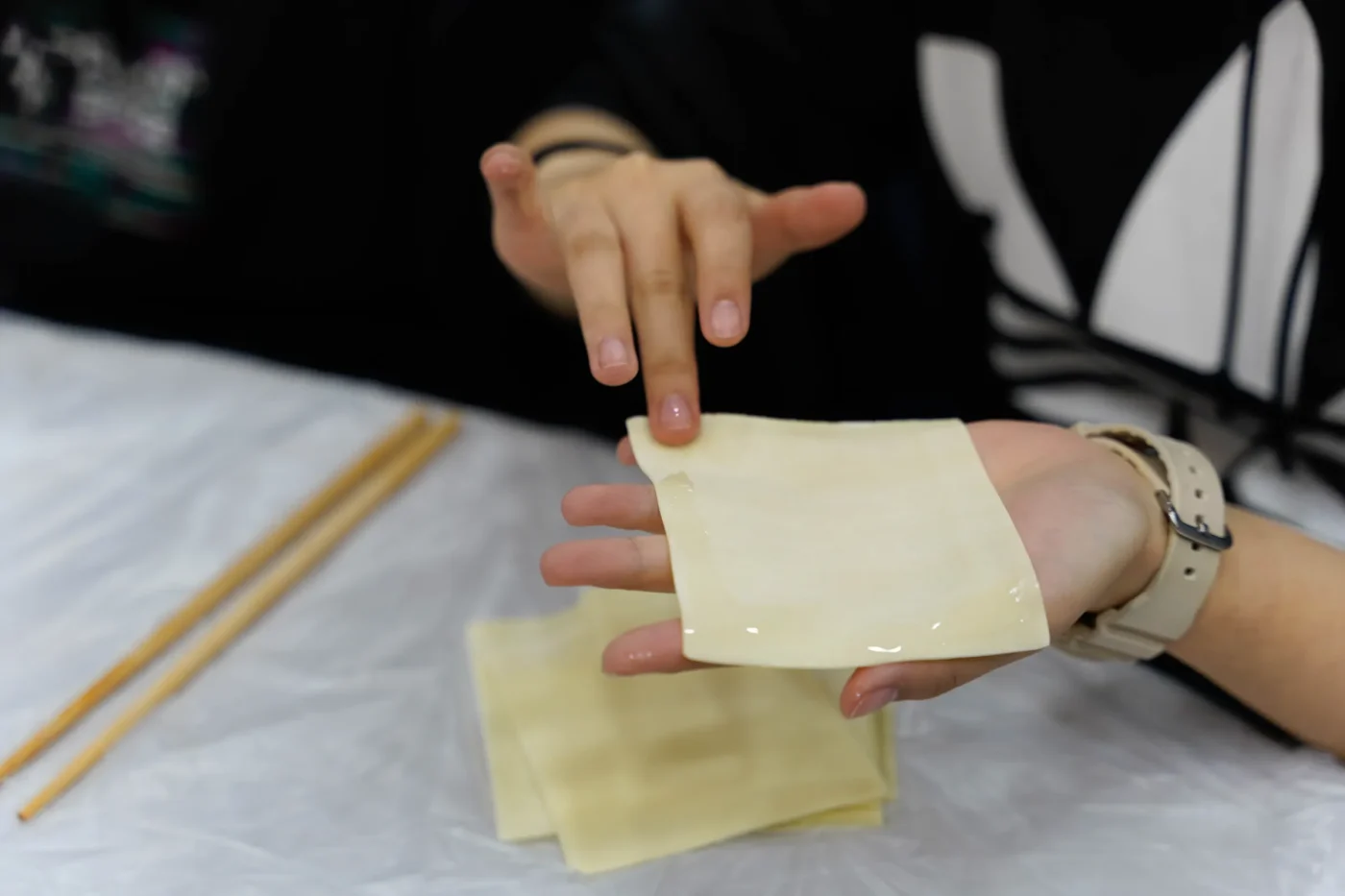
Traditional pasta dough requires balanced hydration, gluten development, and extended resting periods before it can be rolled thin enough for stuffed shapes. When cutting detailed seasonal designs such as ghost silhouettes, freshly rolled scratch dough often shrinks or warps due to gluten elasticity. Wonton skins solve this issue because the resting and rolling steps are completed during manufacturing, ensuring the dough remains stable when stamped.
The thin profile of wonton dough also ensures fast, uniform cooking. Stuffed ravioli made with standard dough often cook unevenly where layers overlap, leaving thick, chewy seams around the edges. In contrast, thin wrappers cook through in barely three minutes, matching the cooking time of the melted cheese interior precisely.
The most frequent error when adapting wonton wrappers for Italian-style ravioli is using too much water along the edges, which creates a slick barrier instead of a firm bond.
A light brush of egg wash or plain water around the perimeter activates the starch on the wrapper surface, creating an airtight bond that locks filling inside. This seal prevents water from seeping into the center and diluting the cheese mixture during cooking.
Choosing Fillings and Avoiding Common Sealing Pitfalls
A widespread misconception is that any standard ravioli filling works directly inside wonton wrappers. Because wrapper dough is thinner than scratch pasta, fillings with excess moisture can cause the bottom layer to disintegrate before reaching the boiling pot. Wet ricotta or un-drained vegetables rapidly weaken the dough structure, resulting in blowouts during cooking.
To ensure structural integrity, whole-milk ricotta should be strained through cheesecloth or a fine-mesh sieve to remove excess whey before mixing. Combining strained cheese with finely grated Parmesan and an egg yolk produces a firm, spreadable filling that holds its shape beneath the top wrapper.
| Assembly Factor | Best Practice |
|---|---|
| Dough Base | Refrigerated square wonton wrappers |
| Cutting Tool | Metal ghost-shaped cookie cutter |
| Moisture Barrier | Light egg wash along edges only |
| Filling Consistency | Strained ricotta blended with dry aged cheeses |
| Boiling Duration | Two to three minutes at a gentle simmer |
Maintaining a gentle water simmer rather than a violent rolling boil protects the delicate ghost edges from tearing against the sides of the pot. Working in small batches ensures that the temperature of the cooking water remains steady throughout the process.
Step-by-Step Preparation Guide
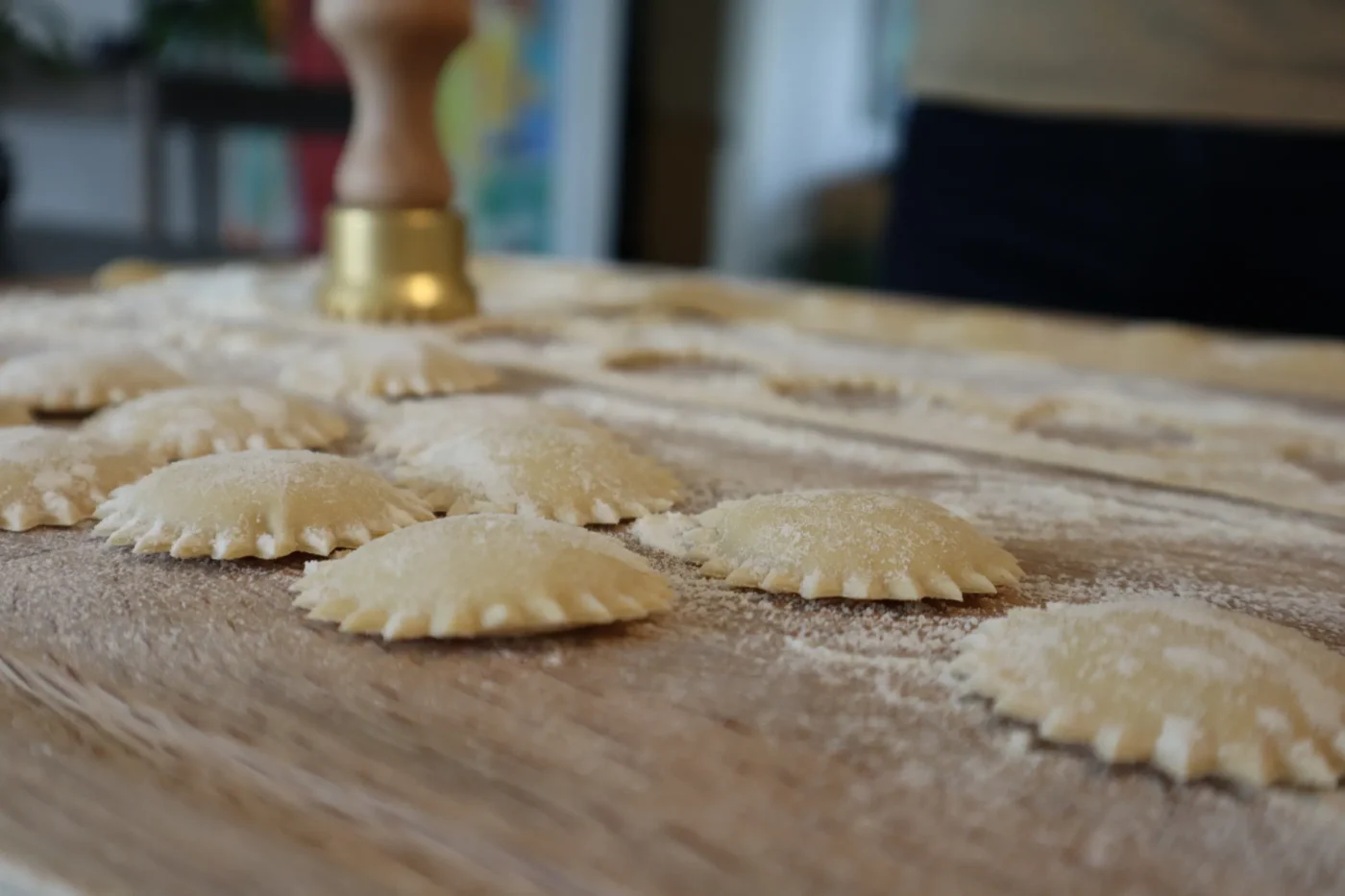
Assembling these themed pasta parcels requires minimal equipment: a standard ghost-shaped cookie cutter, a small pastry brush, and a slotted spoon or spider strainer.
- Cut the wrappers: Stack four wonton sheets on a dry cutting board. Press a metal ghost cutter firmly through the layers to produce uniform pairs, keeping them covered under a damp towel so they do not dry out.
- Form the facial details: Take half of the cut shapes to serve as the top covers. Use the tip of a round piping tip or a clean straw to stamp out small round eyes and a mouth on each top piece.
- Add the filling: Place the bottom wrapper pieces flat on a parchment-lined surface. Spoon one teaspoon of seasoned cheese filling directly onto the center of each shape, keeping the edges clear.
- Moisten and seal: Dip a pastry brush or fingertip into beaten egg wash or water and lightly trace the outer perimeter. Drape the cutout top layer over the filling, gently pressing outward from the center to eliminate air pockets before crimping the borders securely.
- Simmer gently: Lower the assembled shapes into a pot of gently simmering, salted water. Cook for two to three minutes until the wrappers turn translucent and float to the surface, then transfer them to warmed plates using a spider strainer.
Serving Suggestions for High Visual Impact
Heavy, thick meat sauces often overwhelm the fine cutouts and obscure the ghost features completely. A light sauce showcases the shape far more effectively while complementing the delicate wonton wrapper.
Tossing the finished pasta in warm brown butter infused with sage leaves creates an aromatic coating that leaves every facial detail visible. Alternatively, spooning a vibrant red marinara sauce across the bottom of a shallow bowl provides a bold, contrasting background for the pale floating ghosts.
💡 Have you tested wonton wrappers for quick pasta dishes before?
🔍 Pairing them with a vibrant sauce helps the distinct ghost silhouettes stand out on the plate.
👇 Share your favorite filling combinations and holiday kitchen shortcuts below.