
Harry Houdini Returns in New AI Series Marking 100 Years Since His Halloween Death

 Halloween Ideas & Trends
Harry Houdini's legendary life and stage illusions receive an artificial intelligence overhaul for his death centennial.
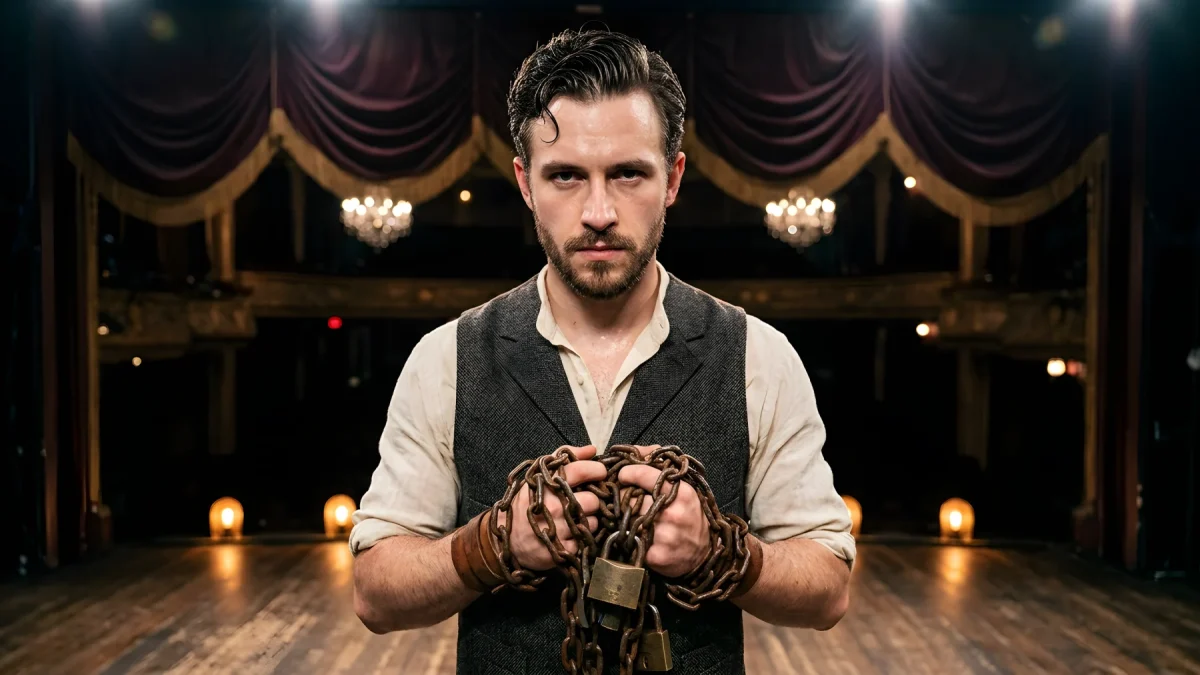
A new documentary project powered by Harry Houdini AI imagery is bringing the world’s most iconic escape artist back to the screen on Fox Nation, timing the digital resurrection directly to the 100th anniversary of his death on Halloween. By deploying cutting-edge visual reconstruction techniques, the production reconstructs the death-defying stunts, complex illusions, and private struggles of an entertainer who passed away a century ago on October 31, 1926.
The centennial milestone has reignited international fascination with the master magician, whose tragic end remains inextricably linked to the spooky folklore of late October. Rather than relying solely on grainy black-and-white archival reels and degraded still photographs, modern generative tools have been harnessed to simulate historical moments that cameras of the 1920s could never capture.
Resurrecting an Escape Legend on Fox Nation
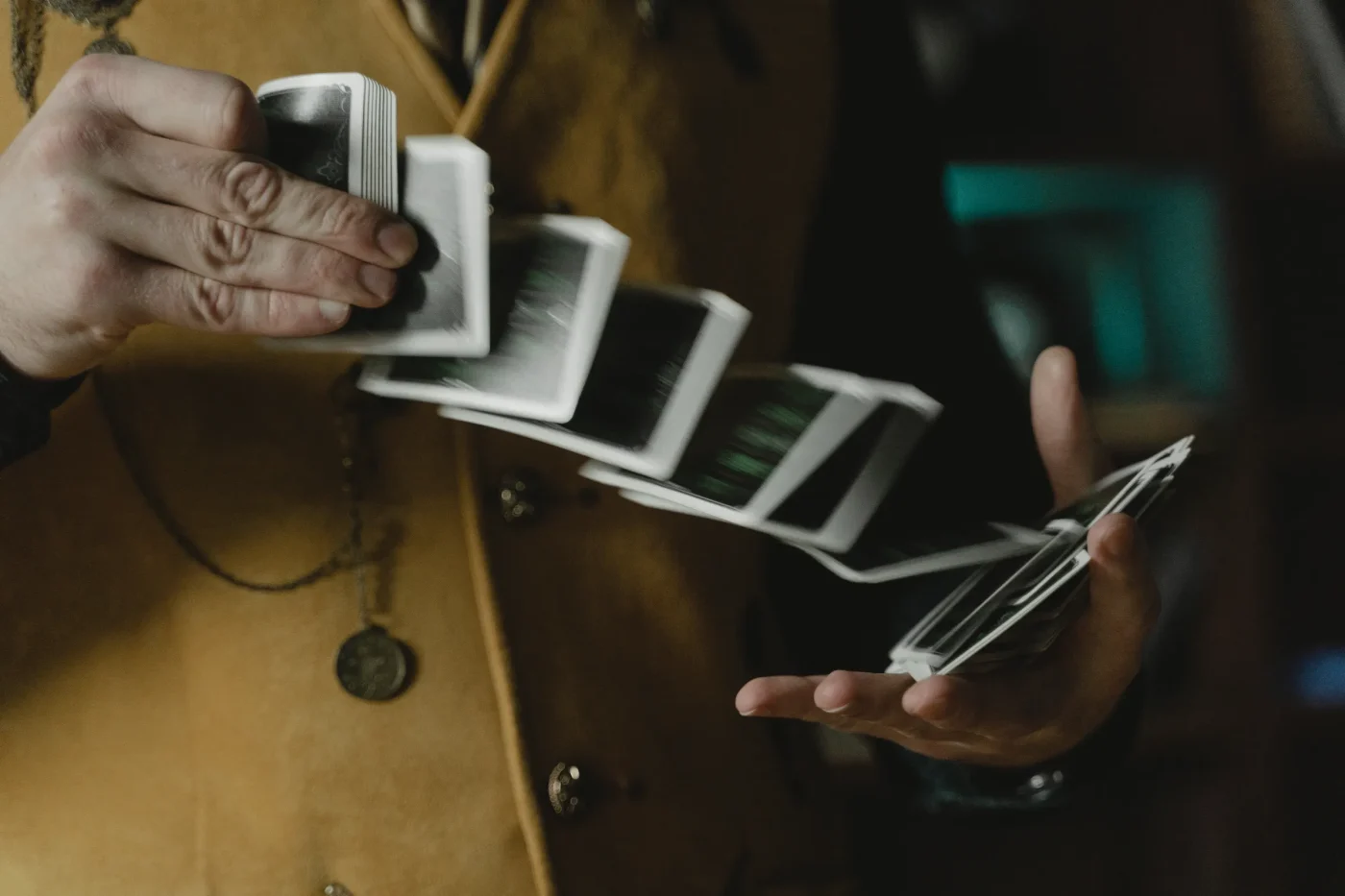
The production marks a daring intersection between historic preservation and generative digital imaging. By feeding archival photographs, audio records, and period-accurate historical documentation into advanced neural networks, visual effects teams can simulate Houdini’s presence with striking photorealism.
Viewers are taken behind the curtain of his most perilous feats, from the Water Torture Cell to heart-stopping suspended straightjacket escapes high above bustling city streets. The visual technology enables viewers to witness these performances from perspectives that mirror what early twentieth-century crowds experienced firsthand on American stages.
Generative visualization serves as a digital bridge between fragile historic archives and modern visual storytelling, allowing lost moments of performance art to reemerge with photographic clarity.
By blending verified biographical records with computer-generated visual sequences, the series offers audiences an intimate look at the immigrant boy born Erik Weisz in Budapest who redefined global entertainment before collapsing on stage.
Fact vs. Folklore: Deconstructing Houdini’s Fatal Halloween
Houdini’s sudden death exactly on Halloween has fostered persistent urban legends for a century. The popular misconception suggests the illusionist perished trapped inside one of his underwater tanks during an illusion gone wrong. Medical and historical records show an entirely different reality.
- The Myth: Houdini failed to escape his submerged Chinese Water Torture Cell on stage and drowned in front of a live audience.
- The Historical Fact: Houdini died in a Detroit hospital bed from acute peritonitis caused by a ruptured appendix, days after enduring unexpected blunt trauma blows to his abdomen in his dressing room.
- The Stage Connection: Despite burning with high fever and battling severe abdominal inflammation, he insisted on finishing his scheduled theater performance before agreeing to hospital admission.
The dramatic clash between the reality of his appendicitis and the eerie timing of his death on October 31 turned Houdini into an enduring Halloween icon, inspiring annual séances by magicians seeking to make contact across the veil.
Centennial Production Breakdown
Recreating a historical figure using machine-learning visual pipelines presents specific creative and technological challenges. The table below outlines how the modern series approaches historical assets versus digital reconstruction techniques.
| Element | Production Approach |
|---|---|
| Visual Generation | Photorealistic generative synthesis modeling early 20th-century stage lighting and physical escapes |
| Historical Scope | Comprehensive chronicle tracing his rise to international fame up to his 1926 death |
| Distribution | Streamed nationwide across the Fox Nation platform ahead of the Halloween centennial |
| Source Foundation | Strict reliance on authenticated archival photography, letters, and contemporary records |
Ethical Reconstruction in Historical Media
The reliance on synthetic visuals to depict deceased public figures introduces significant discussion across the media landscape. Creative teams behind digital revivals emphasize that maintaining strict historical fidelity is essential to avoid distorting verified facts.
Generative imagery in historical documentary work serves as illustrative dramatization rather than documentary deception. When applied responsibly, machine learning models fill severe visual gaps left by fragile, missing, or nitrate-degraded film reels of the silent era.
💡 The blend of vintage stagecraft and modern artificial intelligence demonstrates how classical history can captivate contemporary audiences without sacrificing factual integrity.
🔍 As streaming services expand the boundaries of synthetic media, historical figures may soon be experienced with immersive realism previously restricted to science fiction.
📌 Share your perspective in the comments below on whether artificial intelligence enhances or complicates historical documentaries.
👇 Join the conversation and tell us which historic stunt or mystery you want to see reimagined through modern technology.