
Is It Cake? Halloween Season 2 Debuts With $50,000 Stakes and Spine-Chilling Illusions

 Halloween Ideas & Trends
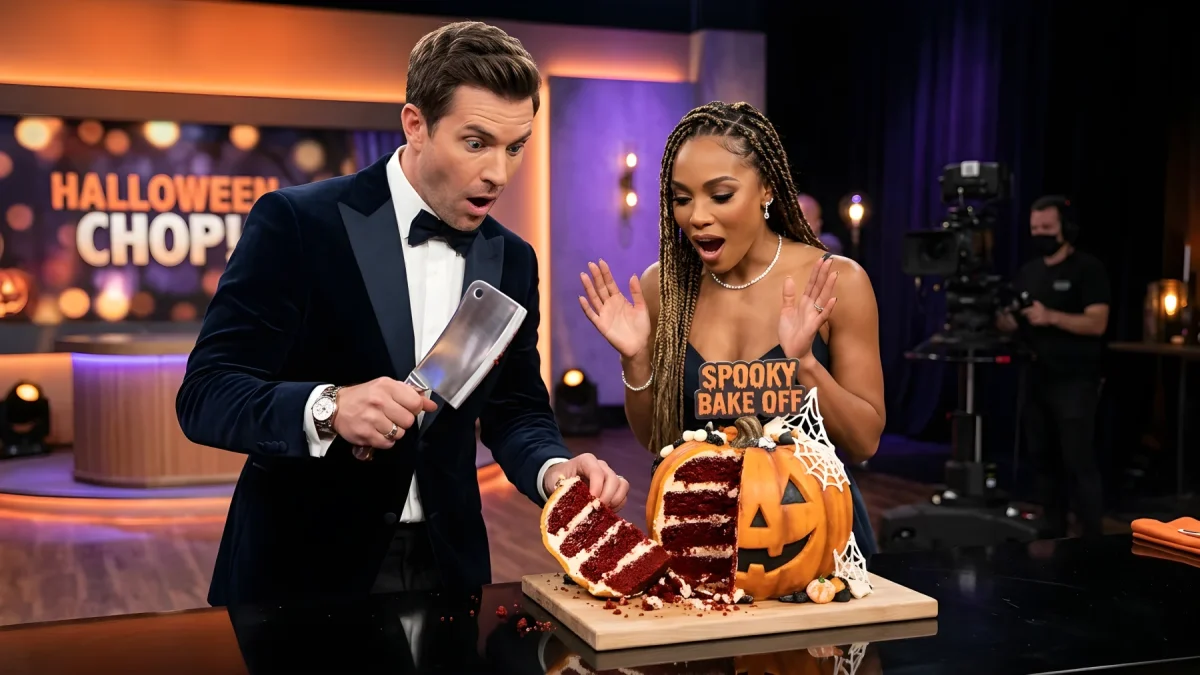
Cleavers replace standard kitchen knives as bakers disguise edible cakes among eerie holiday props.
The hyperrealistic baking phenomenon Is It Cake? Halloween returns to screens with three high-stakes episodes, pitting elite returning bakers against sharp cleavers for a $50,000 grand prize. Competitors who deceive the panel of guest judges secure a baseline win of $5,000 per round, alongside a shot at an additional $5,000 cash bonus before entering the championship round.
Host Mikey Day returns to oversee the spine-chilling competition, where bakers build deceptive replicas of severed limbs, creepy pumpkins, and lifelike dolls. The festive spin-off pushes the boundaries of food illusion, demanding flawless texture and painting techniques to survive the chopping block.
High-Stakes Trickery: How the Halloween Rules Work
The core mechanic mirrors the flagship competition, but the seasonal edition increases the drama with thematic tools and higher tension. Rather than using conventional slicing knives, celebrity judges wield heavy meat cleavers to test whether a display item is an actual decor piece or a hyperrealistic dessert. When a judge targets the wrong decoy, the baker remains safe from elimination and instantly secures the episode’s $5,000 prize.
Successful bakers earn an immediate opportunity to double their haul with an additional $5,000 mini-game. To capture the extra payout, the contestant must identify an authentic stack of money hidden among replica cakes sculpted to look like currency. Finalists who navigate the preliminary rounds advance to the finale to battle for the definitive $50,000 championship purse.
The margin between an obvious fake and an undetectable illusion comes down to microscopic surface texture, directional sheen, and how light reflects off edible glazes compared to hard plastic props.
Episode Breakdown: From Bubbling Cauldrons to TV Horror Props
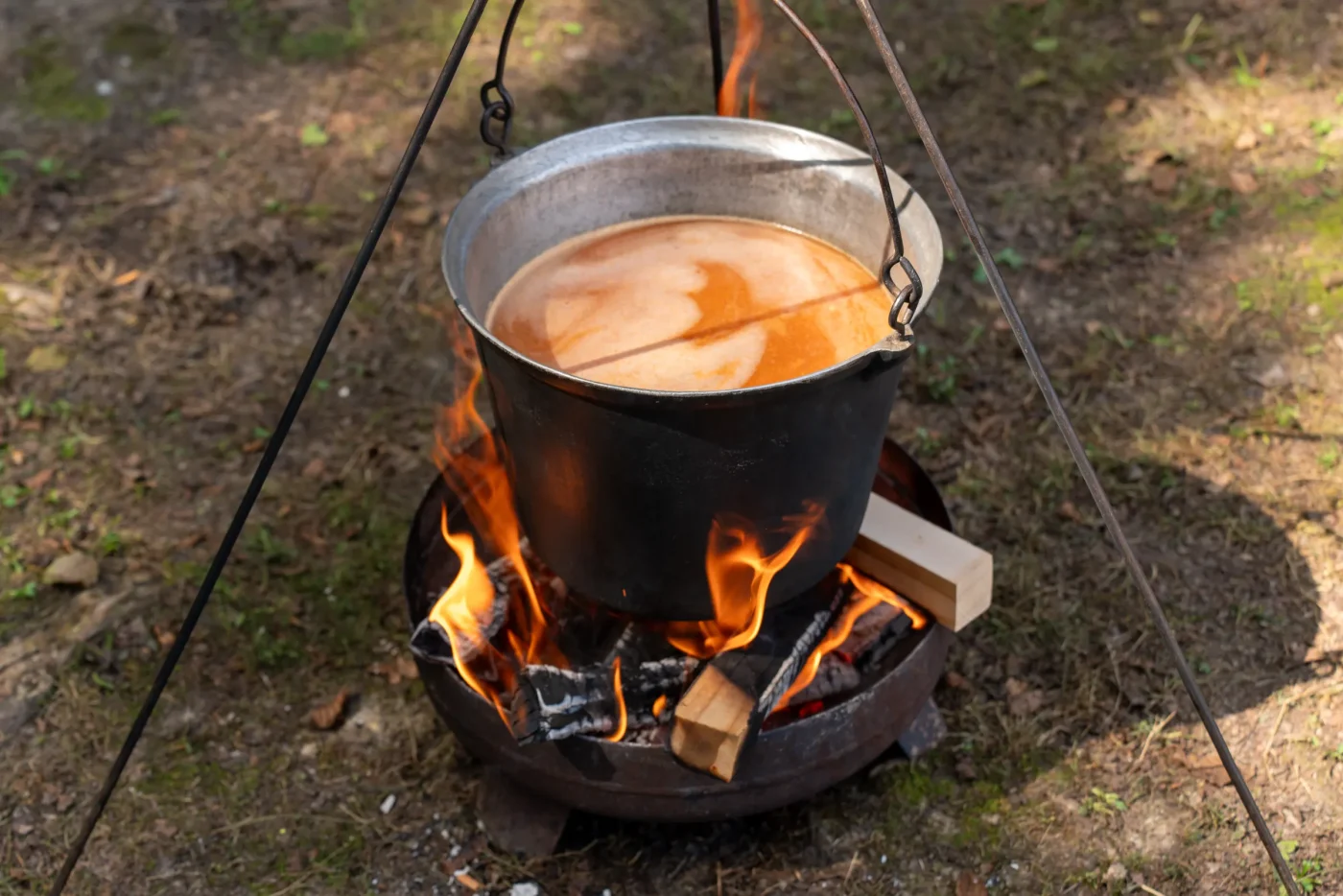
The three 40-minute installments guide viewers through distinct horror aesthetics designed to challenge structural cake engineering.
- Episode 1: The Haunted House Challenge – Competitors must tackle classic haunted house staples, crafting bubbling cauldrons complete with sculpted bones and reaching tentacles to outsmart the panel.
- Episode 2: TV Horror and Classic Decoys – The second challenge pivots toward classic horror television props, requiring artists to recreate realistic bone matter, skulls, and eerie decor.
- Episode 3: The Grand Finale – Finalists must construct unsettling Jack-o’-lanterns and complex seasonal illusions to determine who walks away with the top cash reward.
The Celebrity Judging Panels
A rotating lineup of guest evaluators joins Mikey Day across the three rounds to inspect the bakers’ deception. The premiere features WWE Superstar Bianca Belair, children’s entertainer Blippi, and actor Lil Rel Howery facing off against the first batch of spooky builds.
The second episode reunites three cast members from the hit series Wednesday: Hunter Doohan, Issac Ordonez, and Joy Sunday. The finale turns to veteran comedy performers to evaluate the championship pumpkins, seating Cedric Yarbrough, Kristen Schaal, and Paul Scheer behind the judging desk.
Returning Fan Favorites Tackle the Illusion Gauntlet
Rather than introducing fresh novices, the seasonal tournament recruits seasoned competitors from past seasons of the franchise. Mike Elder and Tiphani Anderson return from the inaugural season. Elder brings his background in precision engineering, which previously produced an undetectable bowling pin, while Anderson is known for realistic savory food textures, including her iconic burger and fries build.
Corinna Maguire, Frankie Velez, and Rodolfo Goncalves also rejoin the kitchen. Velez and Goncalves built reputations on replicating leather and fabric textures in footwear challenges, while Maguire mastered realistic textile work when creating a vintage sewing machine. Rounding out the roster is Bonne Bedingfield, who previously produced a hyper-detailed vintage typewriter featuring individually set keys.
Baking Reality Versus Edible Illusion
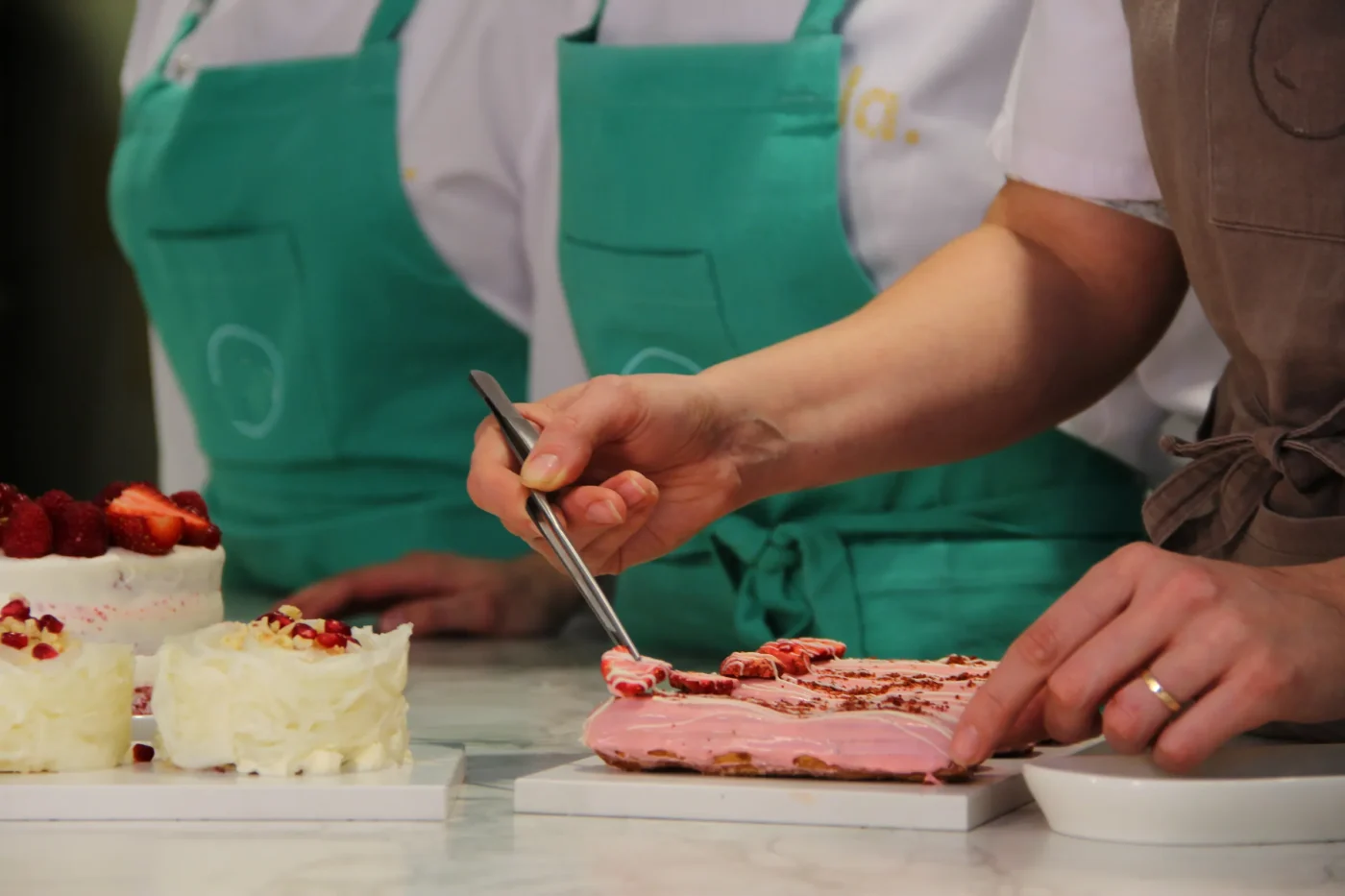
A common misconception about hyperrealistic cakes is that structural integrity relies mostly on inedible foam or internal wooden armatures. In competitive formats, however, sculptures must remain largely edible while supporting moist cake crumb, fillings, and outer sculpting mediums under warm studio lights.
| Tournament Element | Format Specification |
|---|---|
| Episode Count | 3 episodes (40 minutes each) |
| Host | Mikey Day |
| Per-Episode Win Bonus | $5,000 base prize |
| Mini-Game Reward | $5,000 cash stack challenge |
| Finale Grand Prize | $50,000 cash |
| Testing Implement | Heavy meat cleaver |
The craft requires an understanding of light refraction. A rubber prop absorbs and bounces light differently than chilled modeling chocolate or fondant, meaning bakers must paint matte and glossy finishes with surgical precision to ensure the cleaver misses their plate.
💡 The Halloween competition turns visual deception into an art form, showing just how far edible sculpting has advanced under high-pressure studio lights.
🔍 Which spooky illusion would fool you first on the display table?
👇 Leave your thoughts in the comments below and share which returning baker you are backing to claim the top prize.