
Chicago’s Historic Hull-House Opens After Dark for Chilling Ghost Folklore Tours

 Halloween Ideas & Trends
The Jane Addams Hull-House Museum in Chicago stands as both a social justice landmark and a legendary focal point of Midwestern ghost lore.
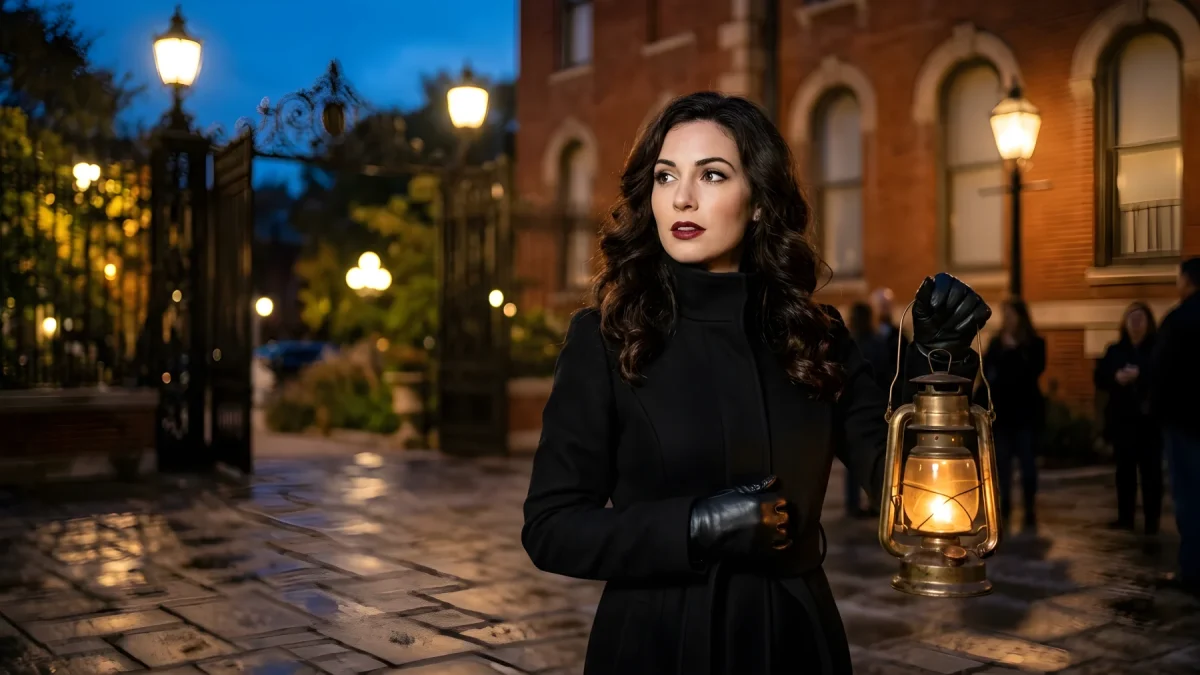
The historic Jane Addams Hull-House Museum in Chicago opens its doors past sundown to host specialized folklore tours, inviting visitors to investigate more than a century of paranormal rumors through the lens of verified social history. Rather than operating as a conventional haunted house attraction, these evening walks explore how immigrant trauma, neighborhood gossip, and Victorian architecture birthed some of the most enduring urban legends in the American Midwest.
Set on the campus of the University of Illinois Chicago, the surviving settlement buildings provide an eerie, atmospheric backdrop for historical storytelling. Guests walk the same creaking floorboards where reformer Jane Addams lived and worked, confronting tales of spectral apparitions and mythical creatures that once sent thousands of Chicagoans into a collective frenzy.
The transition from a daylight museum of progressive reform to an after-hours study of the uncanny reveals a surprising truth: Chicago’s ghost lore tells us far more about the living than the dead.
The Century-Old Panic Behind the Infamous Devil Baby Legend
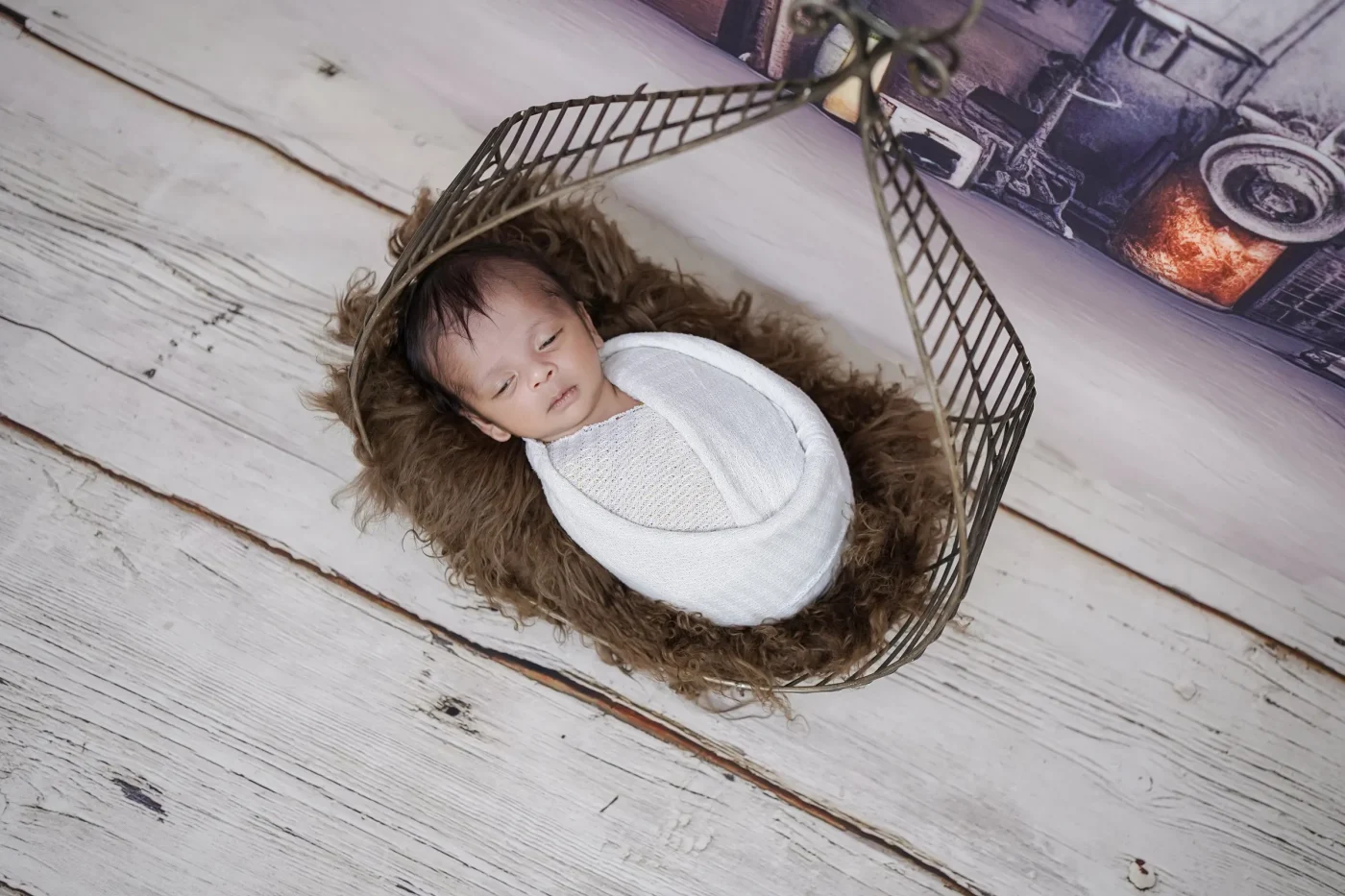
No tale associated with Hull-House carries greater notoriety than the legend of the Devil Baby. According to neighborhood rumors that erupted across the Near West Side in 1913, an infant born with cloven hooves, pointed horns, and a scaly tail was brought to the settlement house for sanctuary after an abusive father allegedly cursed an image of the Virgin Mary.
The rumor triggered an immediate public sensation that caught the settlement workers completely unprepared.
Thousands of Chicago residents swarmed the settlement’s entrance along South Halsted Street for six consecutive weeks, desperate to catch a glimpse of the child. Visitors offered hard currency at the front desk, refusing to believe the staff when Addams insisted that no such infant existed inside the complex.
Folklore in industrial immigrant quarters rarely emerged from superstition alone; it functioned as an oral warning system against domestic cruelty, extreme poverty, and the physical hazards of unregulated labor.
Rather than simply dismissing the crowds as foolish, Jane Addams closely studied the phenomenon in her work The Long Road of Woman’s Memory. She documented how older immigrant women frequently used the supernatural tale as a protective moral parable against abusive domestic conditions, transforming a terrifying rumor into an indictment of neighborhood hardship.
Architecture of the Paranormal: Inside the Hull Mansion
Before the settlement house opened in 1889, the land belonged to real estate developer Charles J. Hull, who erected the red-brick Italianate mansion in 1856. Decades of sudden deaths, neighborhood upheaval, and shifting demographics within the West Side corridor helped solidify the structure’s reputational haunting long before reformers moved in.
The primary focal point of early paranormal reports remains the second-floor bedroom where Charles Hull’s wife passed away. Multiple early residents, including settlement co-founder Ellen Gates Starr, recorded uneasy encounters in the room, recounting persistent cold drafts and unexplainable footsteps pacing the hallway floorboards during late night hours.
Later reports added claims of a spectral “Lady in White” drifting near the courtyard fountain, an image that local newspapers continuously sensationalized throughout the twentieth century.
Folklore Versus Historical Evidence
Sorting authentic archival history from decades of sensationalized Chicago myth reveals how distinct the physical record is from neighborhood mythology.
| Folklore Element | Documented Historical Reality |
|---|---|
| The Cursed “Devil Baby” Room | Hull-House operated as a social center, public kitchen, and nursery; staff never harbored supernatural infants. |
| Haunted Hull Mansion Bedroom | Private quarters of settlement founders; Jane Addams maintained that natural architectural settling caused drafts. |
| Hidden Courtyard Catacombs | Standard domestic utility basements used for settlement workshops, communal meals, and textile production. |
| Paranormal Burial Grounds | No cemetery ever existed on the site; property was originally a suburban estate before rapid industrialization. |
How to Experience Hull-House After Dark

Because the historic settlement stands as a preserved cultural institution rather than a commercial amusement park, evening access requires proper planning. The museum periodically schedules after-dark walking sessions, folklore seminars, and thematic nighttime access that align with historic preservation guidelines.
Anyone preparing to attend an evening event at this iconic West Side site should follow practical preparation steps to maximize the experience:
- Check the official museum schedule: Visit the official Jane Addams Hull-House Museum website to confirm verified evening dates, as night tours operate on limited, seasonal calendars.
- Reserve tickets well in advance: Space inside the preserved historic rooms is strictly limited to prevent architectural wear on the mid-nineteenth-century flooring.
- Utilize public transit: The site sits adjacent to the UIC-Halsted Blue Line station, making rapid transit the simplest route amid busy university campus traffic.
- Dress for walking: Guided programs routinely feature exterior stops around the courtyard and the surrounding historic district before moving inside the mansion.
💡 Have you ever explored the folklore of a historic landmark after dark?
🔍 Share your favorite Chicago ghost stories or experiences in the comments below.
📌 Save this guide for your next historical walking tour through the Windy City.