
Hollywood Monster Maker Behind Stranger Things Unveils Massive 70,000-Square-Foot Halloween Haunt

 Halloween Ideas & Trends
Veteran Hollywood special-effects creator Wayne Anderson brings movie-grade nightmare creatures to life for his massive interactive attraction.
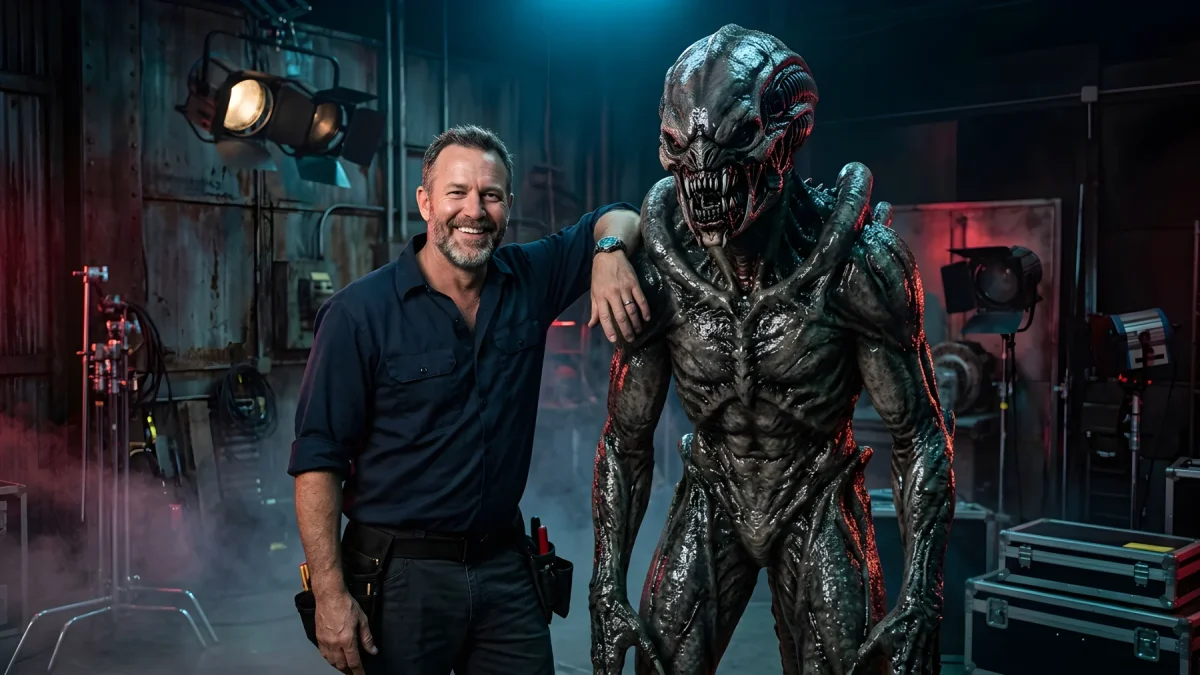
Hollywood creature designer Wayne Anderson has officially launched his massive 70,000-square-foot interactive attraction, Legends of Oblivion, translating nightmare creations from blockbusters like “Stranger Things” directly into a sprawling live-action horror walk-through. Built inside the grounds of Mike Greenwell Regional Park, the production delivers feature-film production quality directly to terror-seeking crowds through sculpted silicone, custom animatronics, and cinematic scare craft.
The attraction marks a major escalation in scale for seasonal horror fans, relying entirely on bespoke creature suits and practical special effects rather than off-the-shelf haunted house props. With decades of creature fabrication experience behind it, the production serves as an unnerving proof-of-concept for how silver-screen monster design functions outside a movie theater.
From Blockbuster Sets to Walk-Through Nightmares
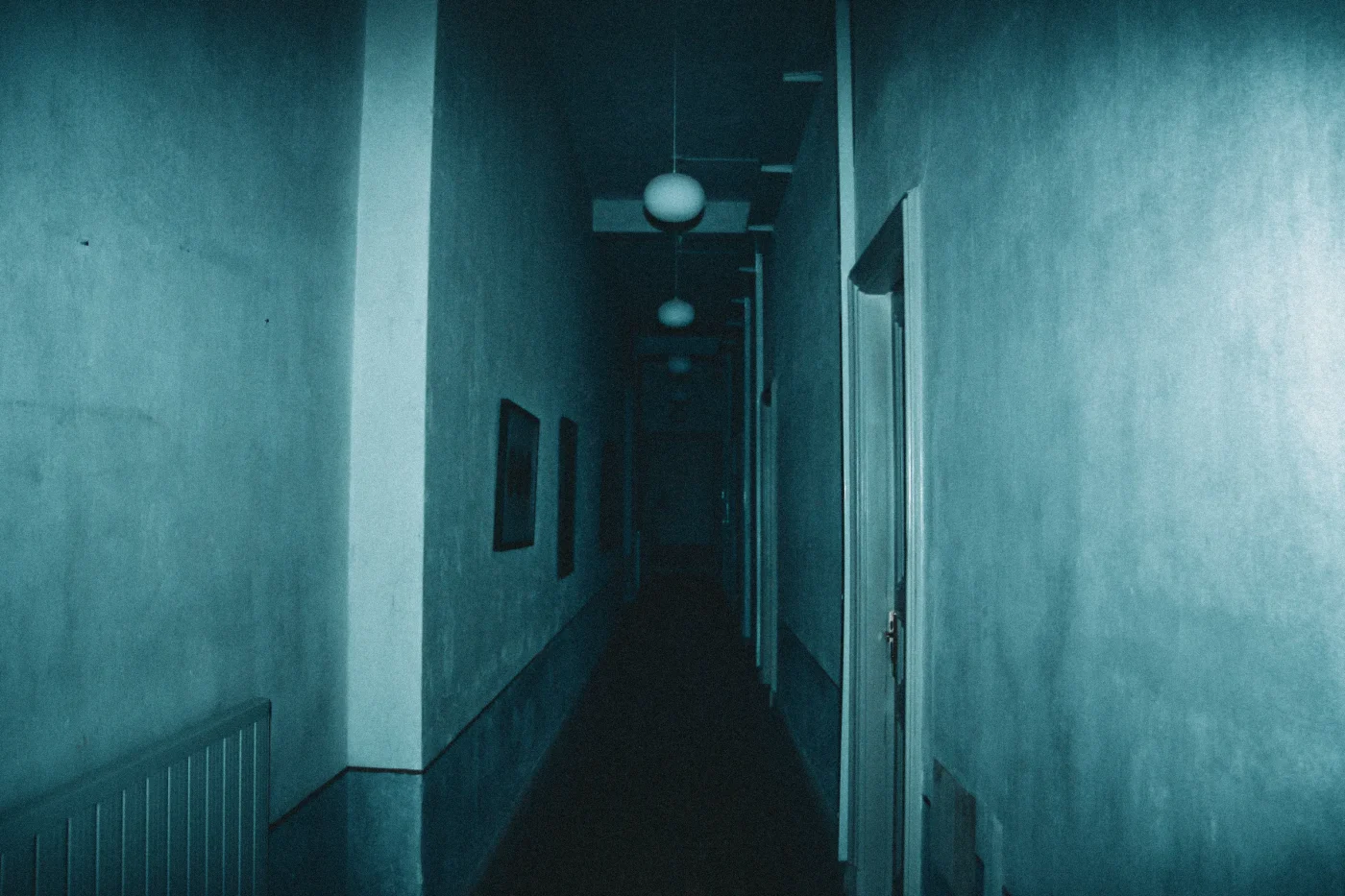
Anderson developed an extensive portfolio across roughly 15 years in cinematic production, sculpting and painting iconic beasts for major studios. His credits include crafting the lethal clown teeth for Pennywise in the hit adaptation of “It,” sculpting the “hero head” for the title alien in the 2018 release “The Predator,” and creating the distinctive stilt leg extensions for the Demogorgon in Netflix’s “Stranger Things.”
I think if you come here, you’re going to be wowed… We’ve had people that actually couldn’t go all the way through. They wanted to exit because they were too scared.
Beyond supernatural horror, Anderson contributed physical practical assets to major blockbusters such as a 55-foot animatronic stegosaurus for “Jurassic World: Fallen Kingdom” and special-effects makeup for the feature film “Bright.” He refined his craft after earning the prestigious Dick Smith Legends of Makeup Scholarship in 2011, later becoming a national finalist on the SyFy channel competition series “Face Off.” Those experiences established him as a premier Hollywood “creature-suit guy,” a discipline focused on building wearable, anatomically altered suits made of specialized foam latex.
Busting the Haunt Myth: Practical Craft vs. Cheap Props
A pervasive misconception about modern Halloween attractions is that commercial haunts rely strictly on plastic store-bought masks, simple darkness tricks, and automated strobe lights. In reality, film-grade haunts function as high-stress practical theater. Authentic movie-level creature builds alter the human silhouette completely through lightweight foam latex, intricate mechanical teeth, and engineered prosthetics known in the trade as “appliances.” This technical rigor creates believable anatomical distortion that simple rubber masks cannot replicate.
| Production Element | Legends of Oblivion Standard |
|---|---|
| Footprint Size | 70,000 square feet |
| Creature Fabrication | Custom hand-sculpted foam latex and practical FX |
| Production Crew | 60 to 65 paid builders and scare actors |
| Key Creature Credits | Stranger Things, The Predator, Jurassic World, It |
The Engineering Behind the Fear
Constructing a 70,000-square-foot walk-through requires nearly a year of planning, engineering, and design. Working out of his specialized shop, Vitruvian FX Studio, Anderson leads a crew of roughly 60 to 65 paid builders and dedicated scare performers to bring original concepts like the snake-haired “Queen of the Serpents” to life alongside witches and ghouls.
- Concept Sculpting: Designing anatomical profiles in oil-based clay to establish realistic bone structures, musculature, and textures.
- Molding and Foam Casting: Running multi-piece molds with ultra-lightweight foam latex to permit maximum actor mobility inside the suit.
- Gore and Appliance Finishing: Hand-painting skins with alcohol-activated pigments, embedding custom acrylic teeth, and applying specialized skin appliances.
- Scenic Integration: Anchoring the creature suits within dynamic, controlled environments with tailored soundscapes and spatial disorientation techniques.
You can literally create something that lives and breathes like what you saw in your own imagination. To me, that’s the most rewarding thing. And then you get to see other people look at it and appreciate it and get scared by it.
By combining cinema-grade creature engineering with live immersive theater, the Halloween haunt raises the bar for interactive scare attractions.
💡 Do you prefer hyper-realistic, movie-grade practical creature suits or psychological walk-throughs when visiting a haunted attraction?
🔍 Practical special effects continue to show unmatched power in visceral horror compared to pure digital effects.
👇 Leave your thoughts in the comments below and share your favorite creature designs from Hollywood horror history!