
How to Shape Halloween Chicken Wings Like Bats With a Glossy Black Glaze

 Halloween Food & Parties
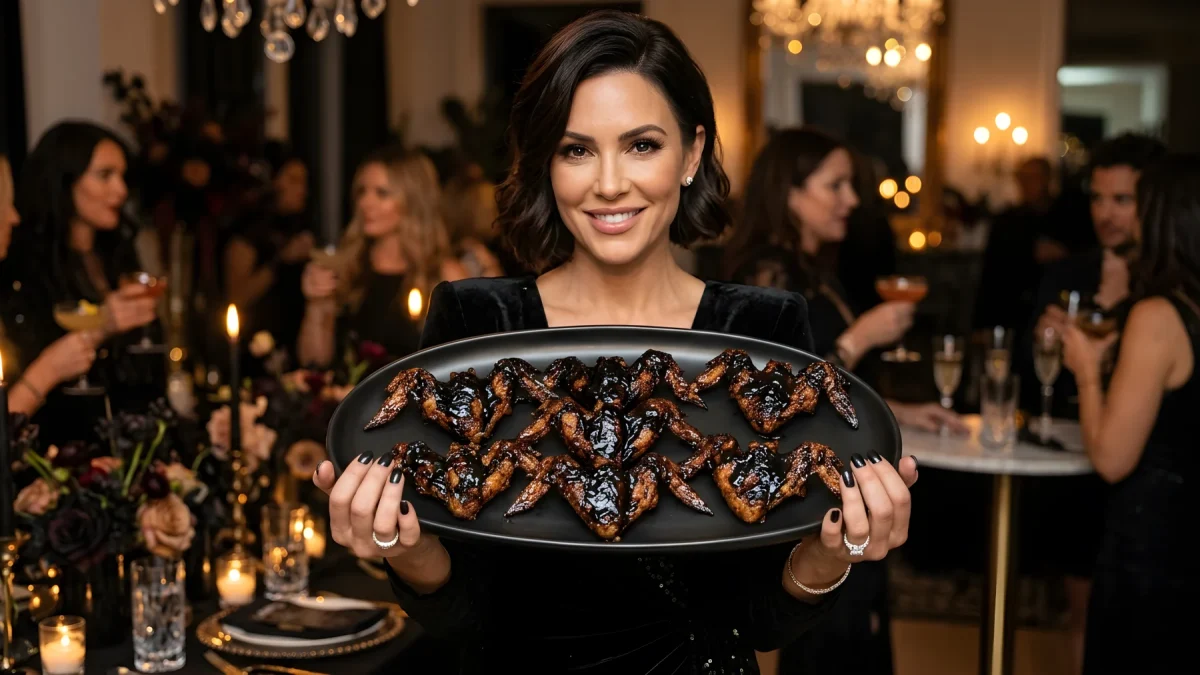
Crispy whole chicken wings carved and pinned into extended wings take on an eerie bat silhouette beneath an obsidian soy glaze.
Shaping Halloween chicken wings into dramatic bat silhouettes requires extending the whole wing joint and coating the rendered skin in a high-shine reduction of dark soy, balsamic vinegar, and natural black colorants. This method transforms standard party appetizers into sleek, jet-black finger food while preserving the crackling exterior and juicy interior expected of top-tier poultry. The secret rests on manipulating poultry anatomy to create outstretched wings before applying a late-stage lacquer that clings without burning.
Seasonal dining menus have embraced dark presentation aesthetics, with autumn concepts from Chandler to Phoenix showcasing bat-themed wings alongside smoky cocktail menus. Replicating that visual drama in a home kitchen does not rely on artificial flavors or burnt sauces. Instead, a targeted balance of precise butchery, high-heat rendering, and an emulsion of dark sugars produces wings that look gothic and taste savory.
Engineering the Bat Silhouette: Whole Wing Butchery
Most commercial appetizers rely on split party wings, but crafting bat wings requires intact, three-joint whole chicken wings containing the drumette, flat, and tip. The wing tip serves as the extended claw of the bat silhouette, which is essential to framing the entire piece. Leaving the full joint intact also provides structural stability during roasting or frying.
To produce the stretched wing look, flip the raw wing skin-side down on a stable cutting board. Locate the web of skin and cartilage connecting the drumette to the flat, as well as the hinge leading to the wing tip. Using kitchen shears, make a small partial snip through the inner tendon joint without severing the bone, which allows the wing to pull outward into an elongated, airborne pose.
Thread a soaked wooden skewer through the base of the drumette, straight across the meat of the flat, and out through the tip to freeze the joint in an extended flight position. This skewer holds the wing rigid as the proteins contract under high heat. Once cooked, the meat retains its spread-eagle profile permanently, allowing you to remove the skewer before serving.
Applying sugar-dense dark glazes too early in the cook cycle is the primary reason decorative wings turn bitter instead of glossy, as surface temperatures scorch the reduction before the skin renders.
The Chemistry of an Obsidian Glaze
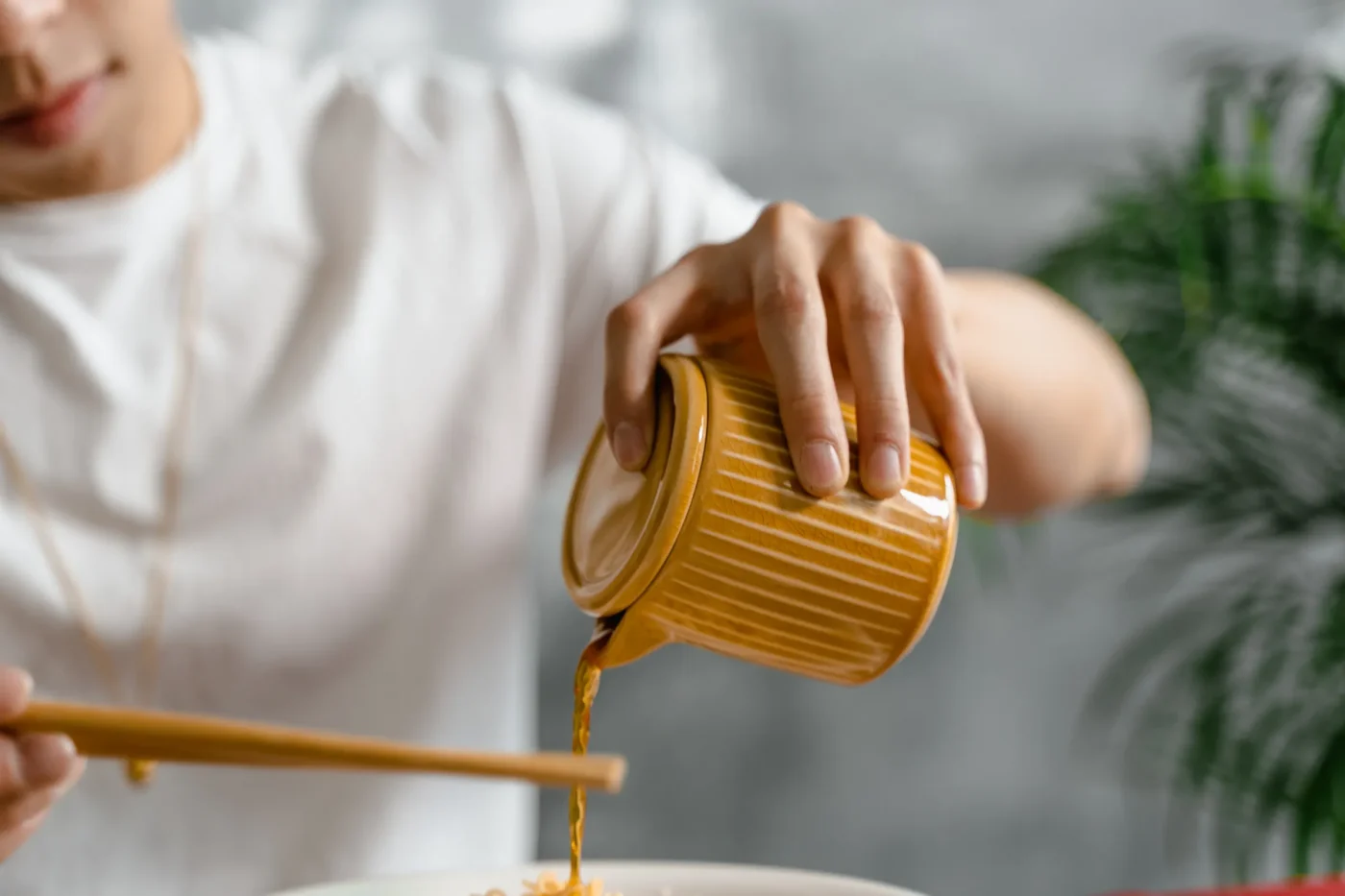
Achieving a mirror-like black coating presents a distinct culinary challenge because standard barbecue sauce caramelizes into an uneven mahogany rather than a true jet black. A successful black glaze relies on deep, naturally dark base liquids paired with a pigment booster and a glossy fat emulsion to reflect light.
Balancing Deep Pigments and Gloss
The foundation of the sauce starts with aged balsamic vinegar, dark mushroom soy sauce, and black garlic paste or molasses. These ingredients introduce deep brown and purple undertones along with robust umami compounds. To push the hue into total darkness without altering the savory flavor profile, professional kitchens blend in food-grade activated charcoal powder or dark black gel color.
A glossy finish requires surface tension and melted lipids. Whisking cold unsalted butter or a touch of toasted sesame oil into the warm glaze right after taking it off the burner emulsifies the sugars. This step produces a mirror-like shine that coats the poultry skin evenly rather than dripping off into the pan.
| Glaze Component | Culinary Function |
|---|---|
| Dark Mushroom Soy Sauce | Establishes deep base pigment and high-salinity umami |
| Balsamic Reduction | Provides tart acidity to cut through rendered poultry fat |
| Brown Sugar or Honey | Creates tackiness and surface adherence on cooked skin |
| Cold Butter Emulsion | Produces a high-gloss, reflective lacquer finish |
| Food-Grade Charcoal or Black Gel | Transforms dark mahogany tones into true obsidian black |
Busting the Scorched Skin Myth
A widespread misconception assumes that achieving black poultry requires intense charring over open flames or deliberately burning the outer basting sauce. In reality, scorching meat produces acrid, bitter flavors that ruin the meal and dry out the meat fibers. The United States Department of Agriculture notes that poultry must reach an internal temperature of 165°F for food safety, which should always be achieved through gentle, controlled heat rather than surface burning.
Proper execution separates the rendering stage from the glazing stage. Cooking the stretched Halloween chicken wings at 400°F (204°C) renders the sub-epidermal fat, turning the skin dry and crisp while ensuring the meat remains tender. The jet-black glaze is painted on only during the final three to four minutes of cooking, allowing the sauce to set and bubble into a lacquer without scorching its delicate sugars.
Step-by-Step Execution Guide
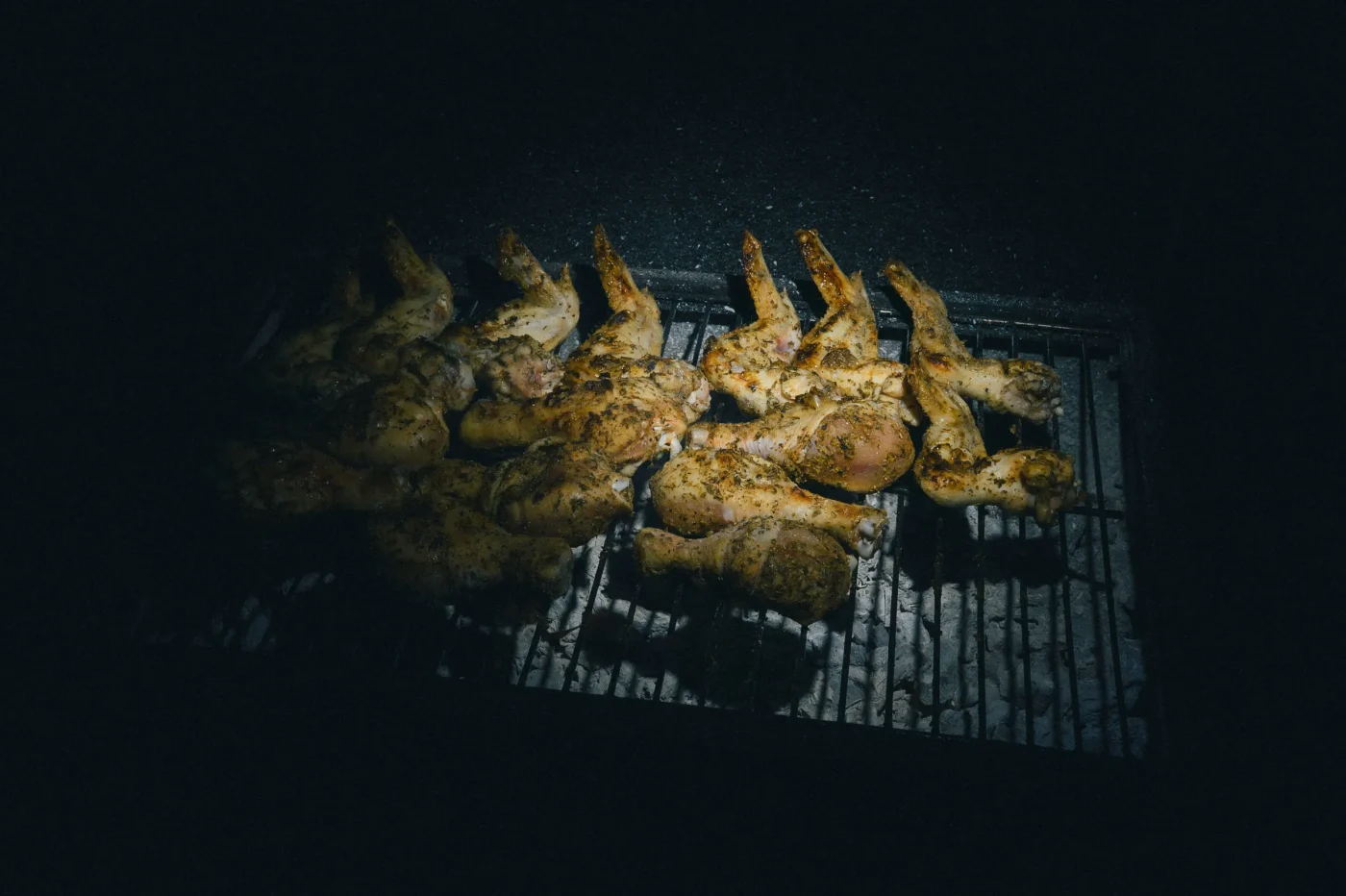
Follow these steps to ensure structural consistency and an even glaze across every batch:
- Pat dry and trim: Thoroughly dry the whole wings with paper towels to eliminate surface moisture, then trim any loose excess skin flaps around the drumette base.
- Extend and pin: Snip the inner connective tendon lightly, pull the joint flat, and secure the extended silhouette from drumette to tip using a thin skewer.
- Season and bake: Toss the wings with kosher salt, black pepper, and baking powder to promote blistered skin, then bake on a wire rack at 400°F (204°C) for roughly 35 to 40 minutes until crisp.
- Simmer the lacquer: Combine dark soy, balsamic vinegar, brown sugar, garlic, and your chosen dark pigment in a saucepan, simmering until the mixture coats the back of a spoon before whisking in cold butter.
- Glaze and flash-set: Remove the wooden skewers, brush each wing liberally on both sides with the glossy black sauce, and return them to the oven for 3 minutes to set the mirror finish.
The resulting wings display a dramatic wing span with skin that maintains a distinct crunch underneath the dark, reflective coating.
💡 Try this method at your next seasonal gathering to elevate your appetizer table.
🔍 Have you experimented with dark savory reductions or wing carving techniques before?
👇 Leave your thoughts in the comments below and tell us your favorite creative party recipes.