
Why Bat Conservation Holds the Key to Authentic Mexican Spirits

 Halloween Ideas & Trends
Nocturnal pollinators sustain wild agave varieties essential for traditional spirits.
Bat conservation serves as the biological lifeline for traditional Mexican spirits, linking nocturnal nectar-feeding pollinators directly to the survival and genetic vitality of flowering agave crops. Without these nocturnal foragers, the wild cross-pollination that sustains agave species behind heritage mezcal and tequila faces catastrophic decline.
Educational dinners and tasting events designed around seasonal themes like Halloween highlight this ecological reality. By placing conservation science on dinner tables, conservation advocates bridge the gap between nightly field biology and consumer appreciation for regional craft spirits.
The Nocturnal Partnership Powering Mexican Agave
Agave plants and nectar-feeding bats share a co-evolutionary bond stretching back millions of years. Species such as the lesser long-nosed bat and the Mexican long-tongued bat rely on high-energy agave nectar during seasonal migrations across arid landscapes.
In turn, the plants depend on bats for genetic exchange. Agaves open their pale, nectar-laden blossoms exclusively after dusk, emitting pungent scents designed specifically to attract winged mammals navigating in the dark.
A fundamental mistake in agricultural management is assuming cultivated crops remain resilient without the wild genetic diversity preserved by natural pollinators.
Industrial harvesting methods frequently disrupt this natural exchange. Commercial operations routinely harvest agaves right before blooming to maximize fermentable sugar concentrations inside the plant’s core, known as the piña. This practice eliminates floral food sources for migratory bat colonies and forces producers to rely entirely on asexual cloning.
The Realities of Clonal Fragility
Cloning agave offsets the short-term wait for seeds, but leaves vast monocultures vulnerable to opportunistic blights and changing environmental conditions. When an entire crop shares identical DNA, a single pathogen can eliminate regional harvests.
Myth Versus Reality in Bat Ecology
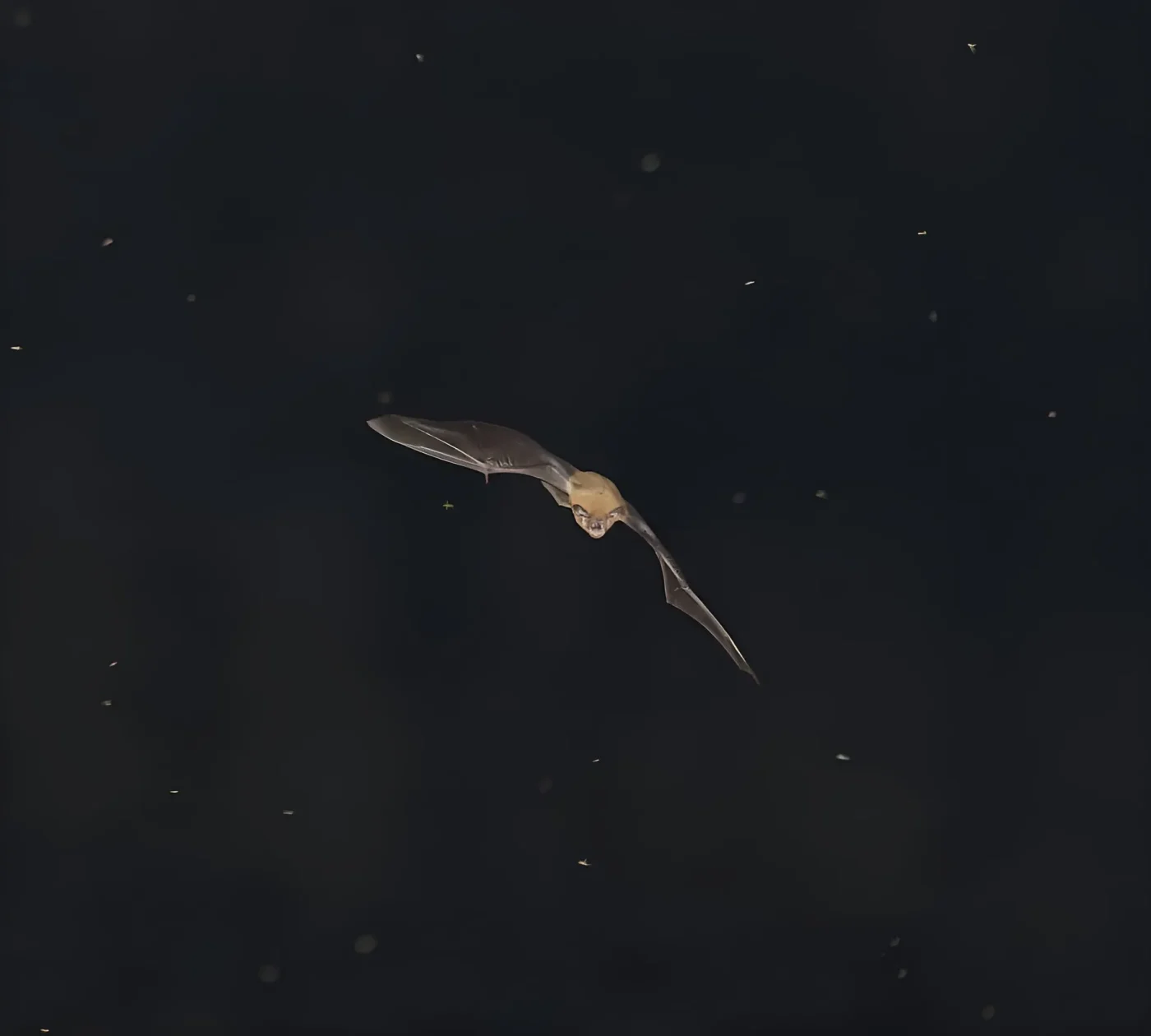
Popular holiday lore often depicts bats as sinister omens or dangerous bloodsuckers. In scientific reality, nectar-feeding bats perform indispensable ecological labor that protects agricultural economies.
- Myth: Bats are agricultural pests that harm cash crops and fruit production.
- Fact: Nectar-eating bats are primary pollinators, while insectivorous bats save farmers billions each year in natural pest reduction.
- Myth: Agave spirits can sustain long-term production through mechanical cloning alone.
- Fact: Sexual reproduction via bat pollination is the only mechanism that introduces wild genetic resistance against evolving plant diseases.
Contrasting Cultivation Strategies
To combat habitat depletion, conservation biologists have partnered with spirit producers to establish sustainable harvesting protocols that integrate bat conservation directly into farm operations.
| Farming Approach | Ecological Impact |
|---|---|
| Conventional Monoculture | Harvests all agaves prior to flowering, cutting off food supplies for bats and halting genetic cross-pollination. |
| Bat-Friendly Management | Allows a designated percentage of agaves to flower fully, maintaining migration corridors and seed viability. |
How Dinners and Tastings Drive Preservation Action
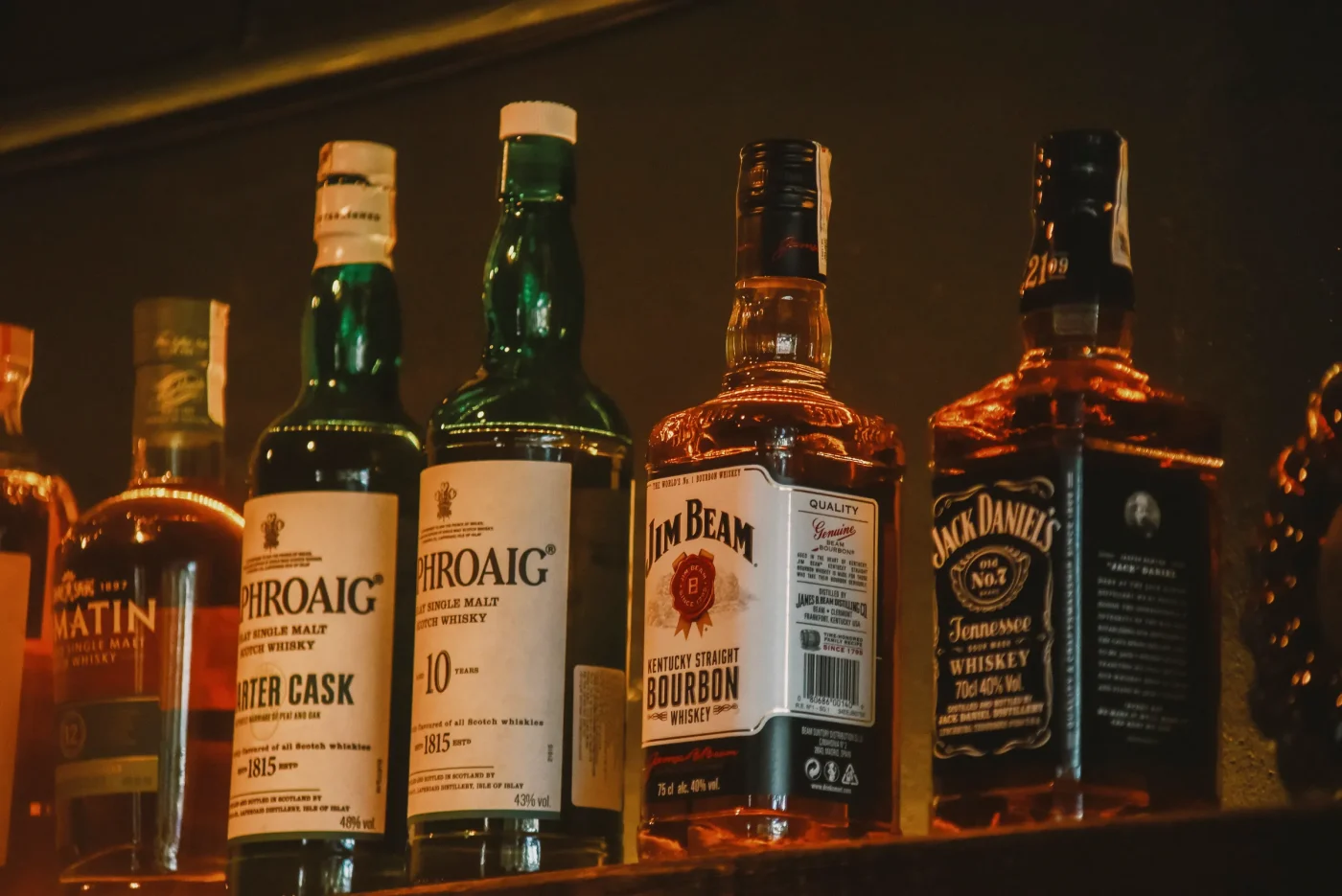
Curated dinners and tasting initiatives turn culinary curiosity into measurable habitat preservation by guiding consumers toward verified practices:
- Showcasing Floral Diversity: Presenting flight tastings of spirits crafted from bat-pollinated wild agaves demonstrates tangible differences in botanical terroir and complexity.
- Funding Field Research: Integrating educational programming into culinary evenings directs resources to migratory route mapping and roost cave preservation.
- Incentivizing Producers: Encouraging consumer demand for certified bat-friendly bottles creates reliable financial premiums for distillers who reserve flowering plants.
💡 Consumer choices play a decisive role in agricultural ecosystems. Demanding spirits verified by sustainable pollinator programs ensures that traditional distillation does not come at the expense of nocturnal biodiversity.
🔍 The survival of century-old culinary traditions depends on preserving the wildlife that built them. Every flowering agave allowed to bloom secures the genetic future of Mexican spirits.
👇 Share your thoughts in the comments below on how conservation-focused dining influences the way you choose artisanal spirits.