
This Lace-Stencil Makeup Trick Creates an Intricate Halloween Mask Without Wearing Plastic

 Costumes & Makeup
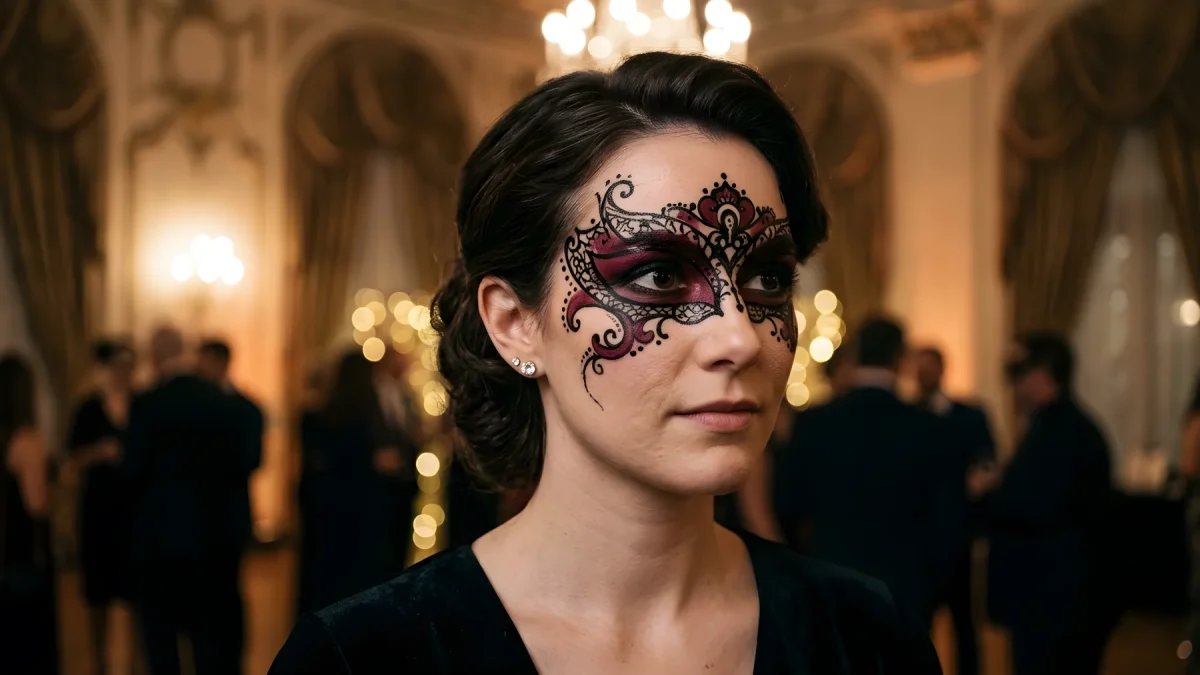
Using textured lace as a temporary stencil transfers intricate textile patterns directly onto facial contours.
A simple scrap of textured lace fabric pressed firmly against the skin acts as an instant stencil, allowing high-pigment cosmetics to reproduce the delicate weave of an ornate masquerade mask directly on facial contours. This lightweight application eliminates the vision impairment, constant readjustment, and heat buildup associated with physical plastic or resin masks while delivering sharp, photo-ready definition.
Traditional masquerade accessories often pinch the bridge of the nose and slip under humid party conditions. By transferring real textile geometry straight onto the epidermis, lace mask makeup mimics three-dimensional brocade, floral embroidery, or gothic filigree with zero added weight. Achieving this finish requires specific tool mechanics rather than advanced artistic drawing skills.
The Physics of the Stencil Transfer
The success of the technique depends entirely on uniform surface tension and vertical pigment placement. When lace fabric lifts even a fraction of a millimeter away from the skin during application, airborne cosmetic powder scatters beneath the negative spaces, muddying the sharp edges of the design.
Professional body painters and special effects makeup artists rely on stabilizing the stencil against natural facial curves. Securing the fabric tautly around the temples, across the bridge of the nose, and over the brow bones prevents micro-shifts between brush strokes.
The most frequent error with fabric stencils is dragging or sweeping brushes across the weave, which pushes pigment underneath the fibers rather than through them.
Dense synthetic brushes or firm cosmetic sponges work best because they deposit product straight down. This perpendicular motion—known as stippling—packs color exclusively into the open voids of the fabric, ensuring that the finished pattern displays distinct borders once the textile is peeled away.
Selecting the Proper Fabric and Pigment Combinations
Not all lace yields an identical visual result. Thicker crochet laces produce bold, graphic borders reminiscent of heavy Venetian masks, while fine Chantilly lace creates delicate, veil-like textures ideal for subtle vintage aesthetics.
Pairing fabric density with the correct cosmetic formulation dictates both the durability and sharpness of the mask:
- Pressed Matte Eyeshadows: Ideal for beginners due to easy blendability and low slip, creating soft-focus, velvet-matte lace edges.
- Activated Cake Eyeliners: Water-activated formulas provide ultra-crisp, opaque graphic lines that resist smudging once dry.
- Cream Paints and Greasepaints: Deliver deep saturation but require a heavy translucent setting powder layer to lock down fully.
Step-by-Step Lace Stencil Application
Executing clean lace mask makeup requires methodical preparation to keep the skin matte and steady throughout the process.
- Prep and Prime: Cleanse the face and apply an oil-free matte primer across the forehead, temples, and cheekbones. Dust a sheer layer of translucent setting powder over the entire upper face to eliminate surface tackiness that might snag the fabric.
- Anchor the Lace: Cut a strip of lace wide enough to span from ear to ear across the eyes and bridge of the nose. Secure both outer ends behind the head using bobby pins, cosmetic tape, or an elastic band to keep the fabric taut without manual holding.
- Press and Stipple: Load a firm, round synthetic stippling brush or a dense makeup wedge with a highly pigmented black, plum, or metallic shadow. Tap off any excess loose dust before gently pressing the pigment directly into the openings of the lace.
- Build Depth: Without shifting the fabric, switch to a smaller detailing brush to tap a secondary metallic shade—such as gold, bronze, or silver—into selected center motifs to create a multi-dimensional illusion.
- The Reveal: Unclip the fasteners and lift the lace cleanly outward away from the face in a single, fluid motion without dragging the fabric across the skin.
- Lock the Finish: Spray an oil-control makeup setting mist across the face to melt the powders slightly together and seal the design against sweat.
Separating Application Myths From Cosmetic Reality
A widespread assumption suggests that saturated liquid foundations or wet cream concealers make the best stencil base because they offer immediate opacity. In practice, wet liquid cosmetics soak into the fabric threads through capillary action, saturating the fibers and blurring the structural outline before application is complete.
Dry, micro-milled powders and rapid-drying water-activated pigments remain the standard choices because they do not migrate past the textile boundary. Selecting formulations approved by regulatory authorities such as the FDA ensures that heavily pigmented products applied close to the sensitive eye area remain safe and non-irritating.
| Feature | Detail |
|---|---|
| Recommended Tool | Dense synthetic stippling brush or firm sponge wedge |
| Best Pigment Type | Micro-milled pressed matte powder or water-activated cake liner |
| Fabric Anchor Method | Cosmetic tape or rear-pinned elastic band |
| Wear Comfort | Weightless, full peripheral vision, zero facial pressure |
| Removal Method | Standard micellar water or oil-based cleansing balm |
Adding Dimensional Accents for a Masked Effect
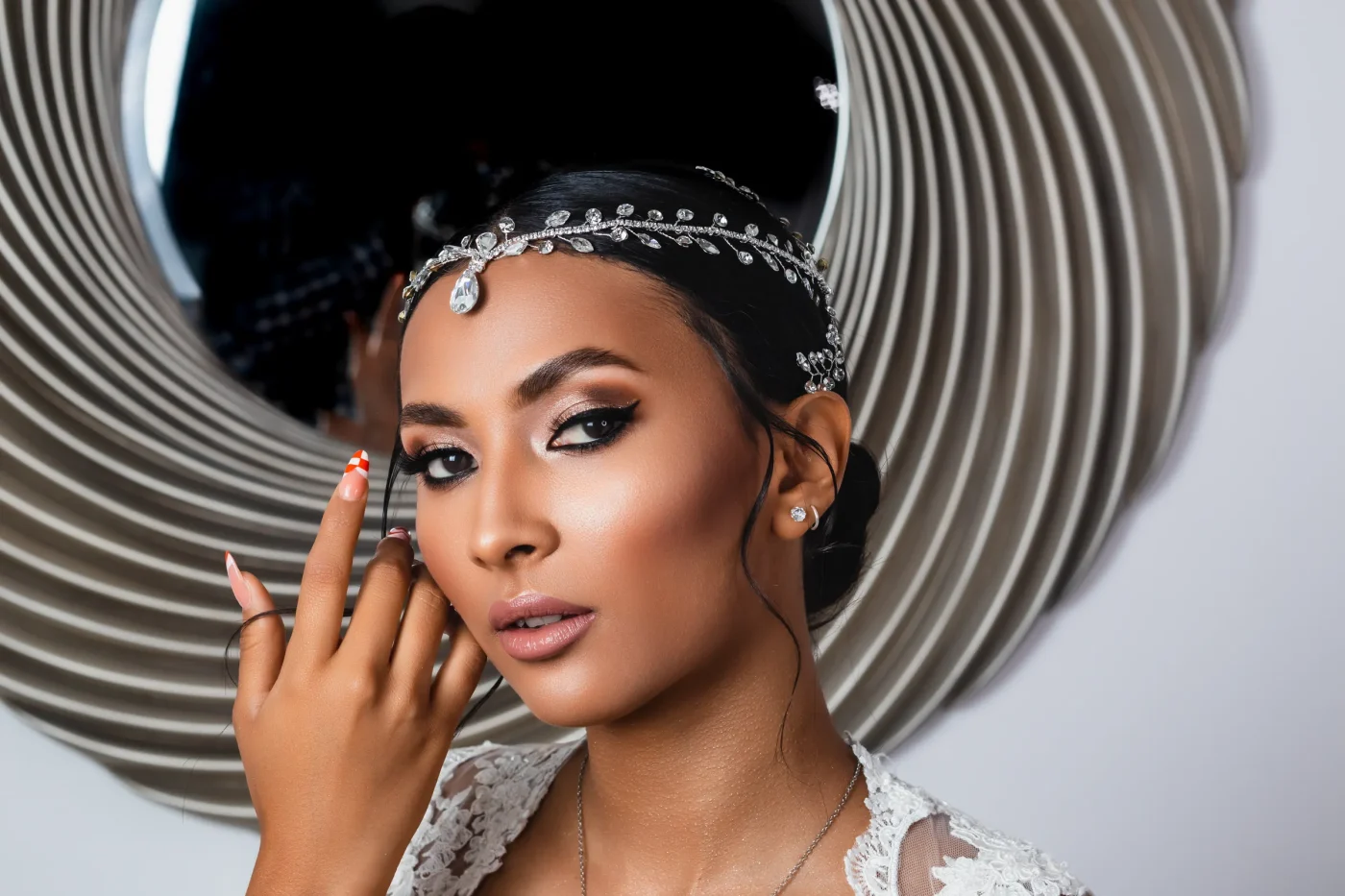
Once the basic stencil lifts away, the illusion can be amplified with minimal freehand detailing. Running a fine liquid eyeliner along the upper and lower lash lines connects the painted lace directly to the natural contours of the eye, preventing an unfinished gap between the mask and the iris.
Small, skin-safe cosmetic rhinestones or self-adhesive pearl beads placed along the peaks of the painted lace arches add genuine light reflection. This blend of two-dimensional stenciling and subtle physical elements tricks the eye into seeing an elaborate, wearable masquerade prop that stays firmly in place through hours of wear.
💡 Have you tested using household lace or trims for your costume makeup?
🔍 Tell us your favorite color combinations for masquerade makeup in the comments below.
📌 Share your own stencil application techniques with fellow readers.