
How Your Beard Cuts Werewolf Halloween Makeup Time Directly in Half

 Costumes & Makeup
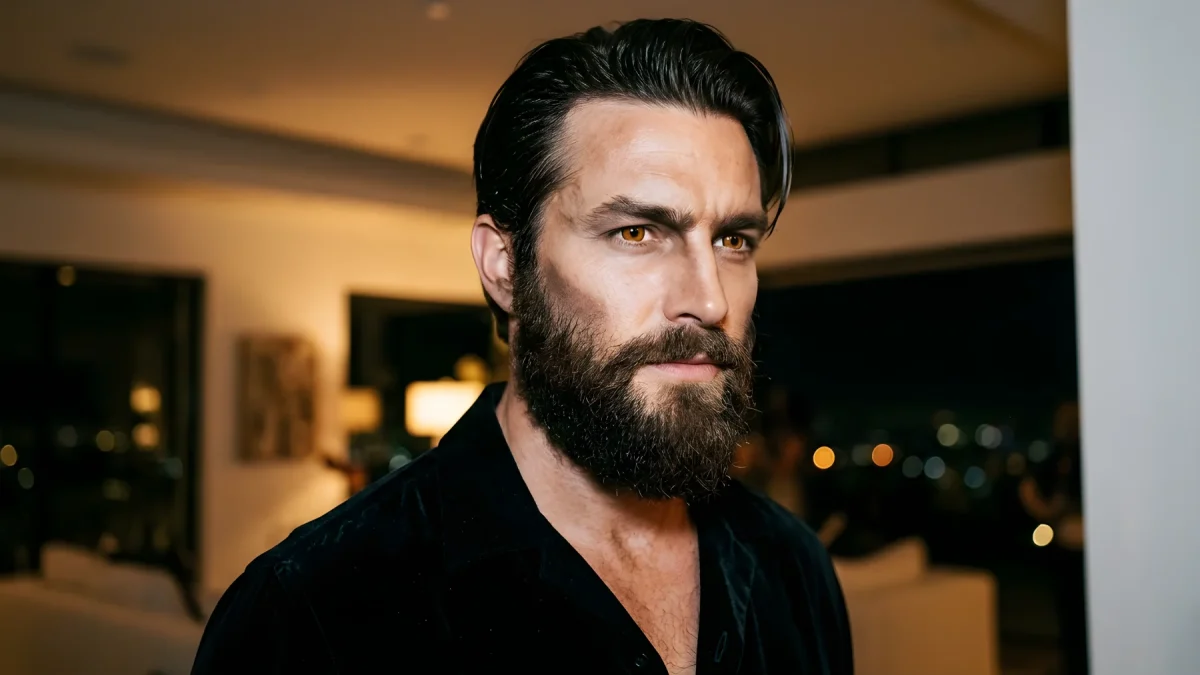
Natural facial hair creates instant texture and depth for classic monster transformations.
A natural beard instantly eliminates over 50 percent of the labor required for a convincing werewolf Halloween look, replacing messy Spirit Gum, loose crepe hair, and rigid latex chin pieces with built-in organic texture. By using existing facial hair as the base layer, anyone can bypass the most grueling half of creature makeup and focus solely on structural shading across the forehead and cheekbones.
Building a movie-quality monster transformation usually demands hours of delicate application. Traditional prosthetics require continuous maintenance, chemical adhesives that irritate sensitive skin, and hours spent cutting synthetic hair tracts into precise lengths. Your jawline already possesses the required biological volume to anchor the transformation effortlessly.
The real secret lies in bridging the divide between groomed human hair and an untamed lupine predator using strategic highlight, shadow, and matte texturizers.
The Structural Advantage of Real Facial Hair
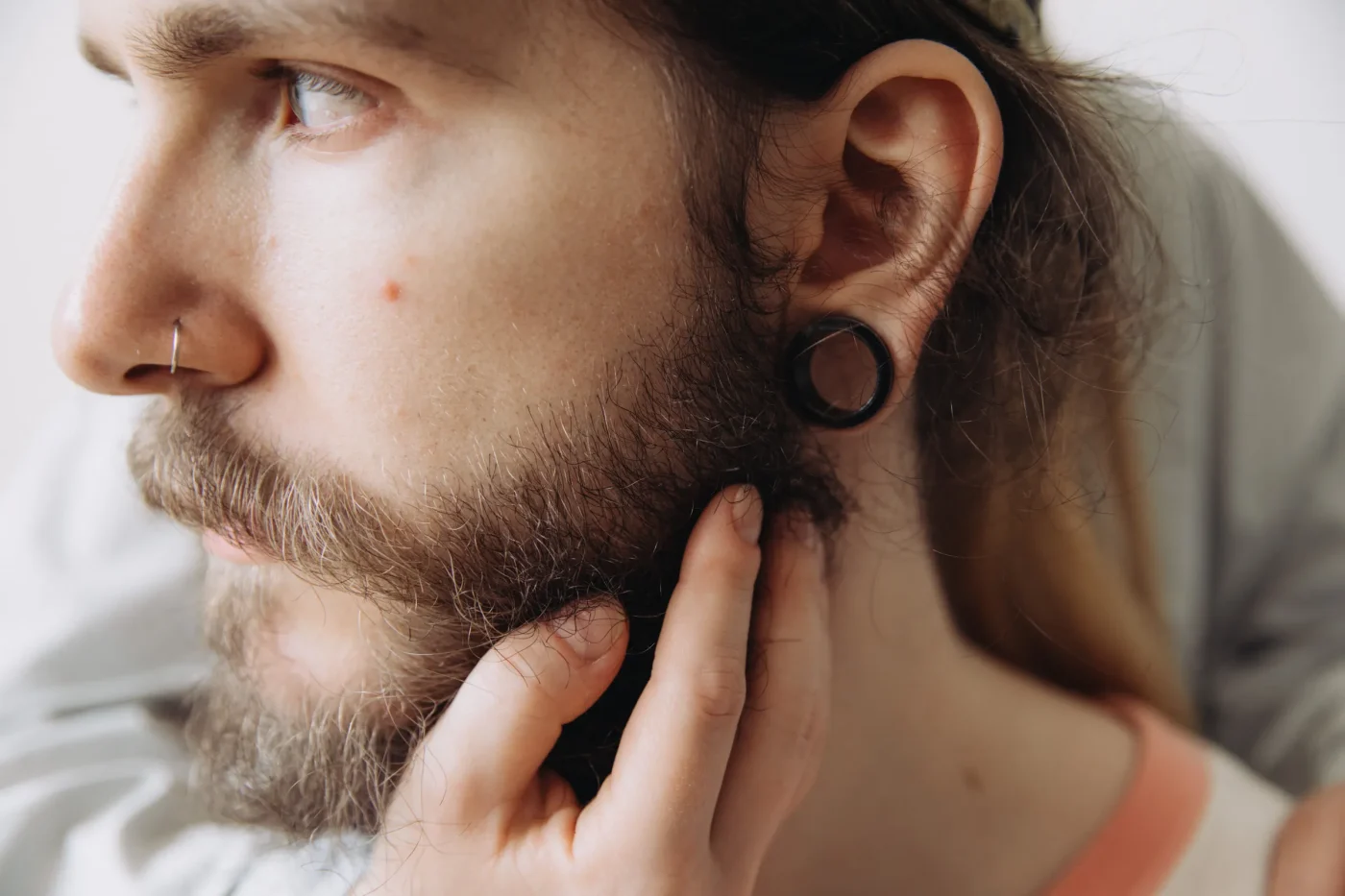
The standard masculine face offers roughly 300 square inches of surface area, with the lower third dominated by hair follicles that provide natural dimensionality. Prosthetic artists spend hours trying to replicate natural hair direction, follicular density, and organic root taper. A real beard already possesses realistic movement that moves in sync with speech and facial expressions.
Applying heavy liquid latex over the chin and jaw often restricts movement, causing synthetic monster pieces to peel away at the edges during a long night. Bypassing synthetic jaw prosthetics prevents edge peeling and keeps you comfortable without restricting breathing or talking.
A common mistake in creature makeup is covering functional natural texture with artificial appliances, which adds unnecessary weight and creates rigid edges around dynamic facial features.
Rather than hiding that growth, treating existing facial hair as an active special effects component turns an everyday beard into a high-impact costume centerpiece.
Myth vs Reality: Creature Beard Transformations
Many believe that pulling off a high-end monster look requires starting with a blank, cleanly shaved canvas. The reality of creature design reveals a different approach altogether.
| Common Misconception | Practical Reality |
|---|---|
| Clean-shaven skin is essential for realistic monster designs. | Natural hair provides organic depth that synthetic adhesives struggle to replicate. |
| Crepe hair must cover the jawline for true werewolf texture. | Natural growth anchors the transition, needing only temple and brow extensions. |
| Adhesive glue holds up better during events than natural hair. | Real hair never peels or lifts at the jawline while eating or talking. |
| Greasepaint should be brushed heavily through hair strands. | Dry brow powders and texturizing clays protect hair shafts and wash out cleanly. |
Understanding this distinction spares your skin from heavy solvent removers while significantly cutting down prep time on party night.
Step-by-Step Execution: Transforming Your Lower Face
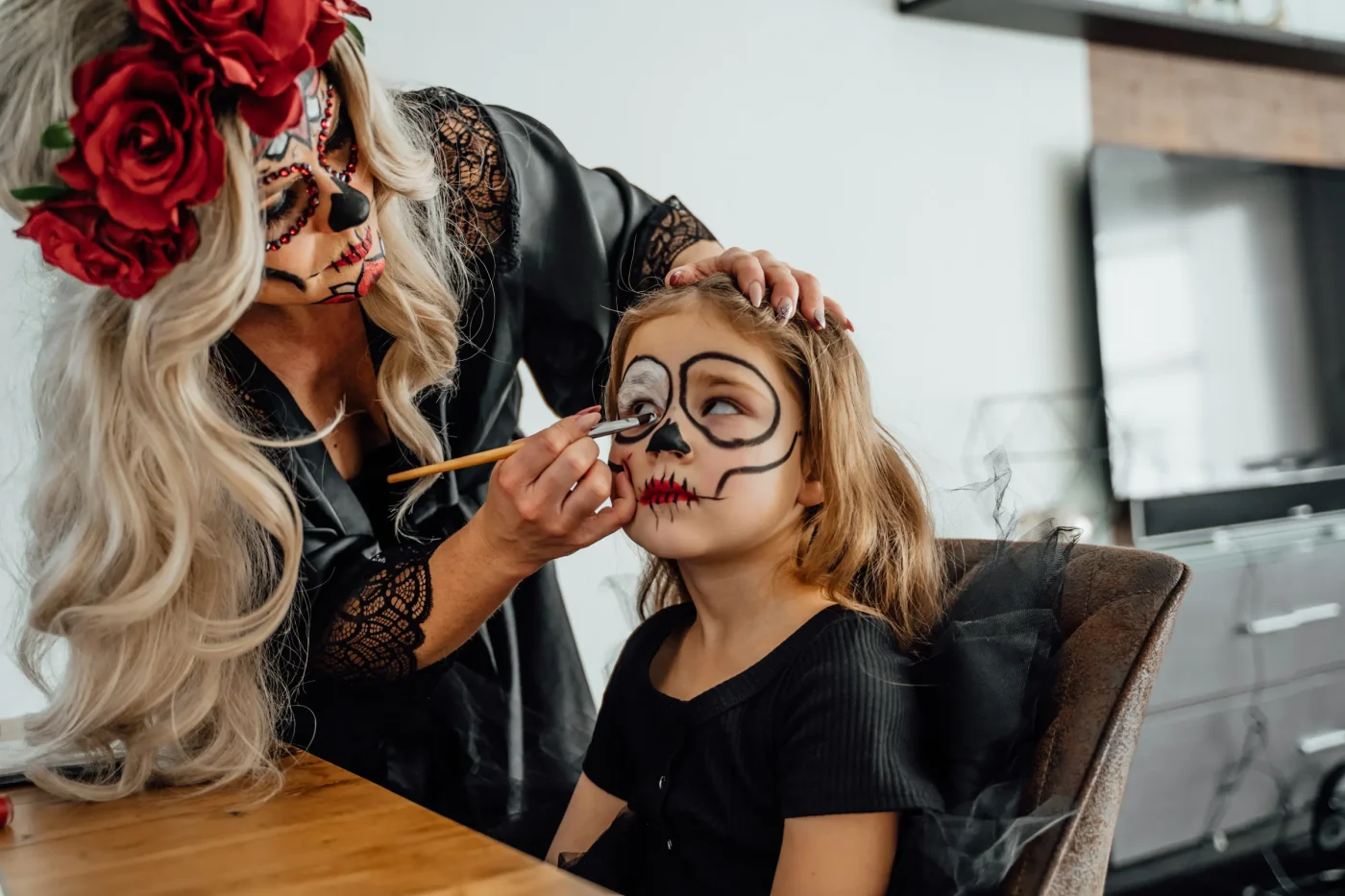
Executing a rugged, cinematic beast profile requires only a handful of basic tools and techniques to transition your natural beard upward toward the eyes.
- Texturize and Tease the Base: Work a matte styling clay or texturizing paste through the beard from root to tip, backcombing lightly to build outward volume and break up uniform grooming lines.
- Block Out the Snout: Use an oil-free dark brown or charcoal cream shadow to shade the sides of the nasal bridge and the tip of the nose, angling sharply outward beneath the cheekbones.
- Feather the Transition Line: Using a stiff angled detail brush, flick matte dark cosmetic powders upward from the upper edge of your beard line toward the temples, mimicking fine fur sprouts.
- Accentuate the Brow Ridge: Deepen the hollows above the eyebrows with heavy matte shading to create an aggressive, predatory brow bone that complements the heavy jaw below.
- Add Animalistic Highlights: Lightly dust dry white or light-tan powder across the high points of the mustache and chin beard to highlight individual hair clusters under low party lighting.
Dialing in the Fangs and Finishing Textures
To seal the look without compromising ease of removal, steer clear of water-insoluble adhesives in your beard. Standard matte hair styling pastes give facial hair an untamed, weather-beaten stiffness while washing out completely in a single shower. Pair this textured frame with realistic acrylic canine fangs to finish the beastly silhouette.
A few quick adjustments turn daily facial hair into the most convincing, comfortable costume at any gathering.
💡 Have you ever incorporated your natural beard into your Halloween costume?
🔍 Tell us your favorite low-effort costume shortcuts.
👇 Leave your thoughts and makeup tips in the comments below!