
The Lace Mask Halloween Makeup Technique That Replaces Bulky Party Masks

 Costumes & Makeup
A textured lace pattern stenciled with matte cosmetic pigment creates an intricate masquerade effect directly on skin.
Creating a flawless lace mask makeup application eliminates the slipping, sweating, and peripheral vision loss caused by traditional plastic costume masks. By transferring intricate fabric weaves directly onto the skin using high-density pigments or securing cosmetic-grade textiles with medical adhesive, you achieve an ornate masquerade appearance that withstands hours of wear.
The entire visual impact hinges on crisp pattern transfer and surface tension. A single shift in fabric tension during application blurs the delicate floral geometry, turning a sharp masquerade disguise into an uneven smudge across the cheekbones.
Understanding the balance between pigment formulation, skin priming, and structural placement ensures your design remains sharp from the start of the evening to the final curtain.
The Mechanics: Stenciling Pigment vs. Direct Fabric Adhesion
Achieving a lace effect comes down to two primary technical pathways: stenciling with loose pigments or adhering actual lace fabric directly to the face. The stencil method uses a section of textured lace as a physical barrier while cosmetic pigment is pressed over the top, leaving a negative imprint on the skin.
Adhesion, by contrast, relies on skin-safe adhesives such as pros-aide or cosmetic spirit gum to mount precut lace panels directly over the brow and nose bridge. This offers physical three-dimensional texture, though it requires meticulous solvent removal at the end of the night.
Applying dry powder over an un-set cream base causes the stencil weave to drag, destroying the microscopic mesh lines required for a convincing lace effect.
Key Materials for Clean Stencil Pigment Transfer
A successful stenciled lace mask makeup look demands specific cosmetic tools to keep edges razor-sharp:
- Open-Weave Textured Lace: Thick crochet, venice lace, or guipure lace yields significantly sharper pigment borders than ultra-sheer nylon tulle.
- Highly Pigmented Pressed Powders or Water-Activated Paints: These dry down quickly without bleeding beneath the fabric weave.
- Dense Stippling Sponge or Firm Buffing Brush: A tool that deposits color vertically without lateral dragging movements.
- Oil-Free Setting Powder: Essential for neutralizing natural sebum before any color touches the skin surface.
Step-by-Step Execution: How to Stencil Lace Onto Skin Without Bleeding
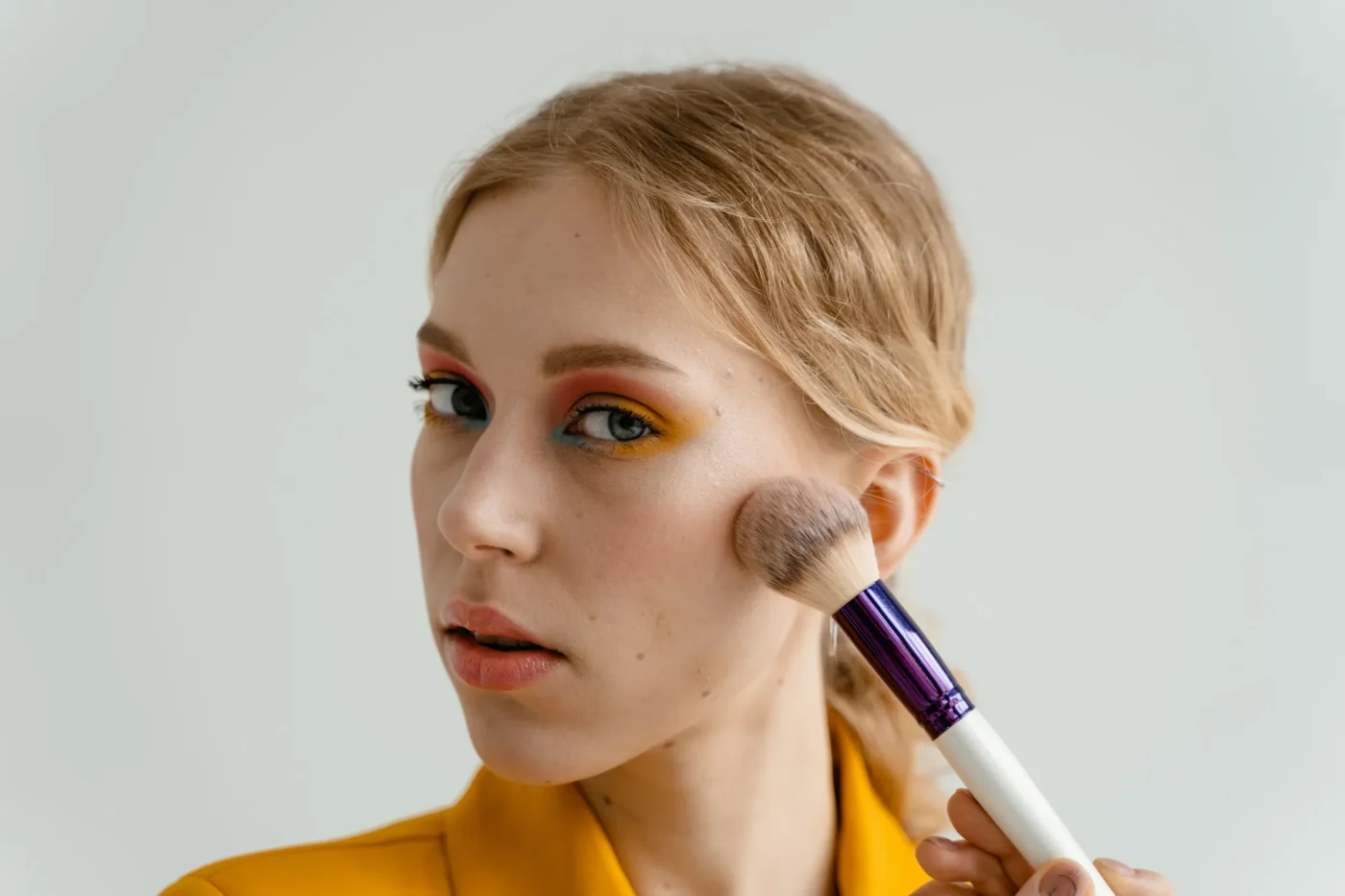
Precision is everything when executing this design. Follow this structured sequence to keep lines crisp:
- Prep and Matte the Skin: Cleanse thoroughly and apply an oil-control primer across the upper half of the face. Dust a translucent, talc- or silica-based powder over the forehead, temples, and nose bridge to ensure zero surface tackiness.
- Position and Anchor the Lace: Cut a swatch of lace large enough to cover the eye area. Stretch the fabric flush against the skin contours. Any gap between the fabric and your pores will cause pigment bleed.
- Stipple the Core Pigment: Saturate a dense sponge with black, burgundy, or metallic cosmetic pigment. Press directly into the open holes of the lace in a firm, up-and-down motion. Never drag or wipe sideways.
- Lift Straight Away: Peel the lace cleanly away from the face in a single upward movement without letting the cloth drag across the wet pigment.
- Lock with Setting Spray: Seal the transfer using an acrylic-based cosmetic barrier spray to guard against sweat and natural skin oils.
Method Breakdown: Stencil vs. Fabric Application
Selecting the right technique depends on your wear-time expectations, skin sensitivity, and comfort preferences.
| Application Method | Performance Profile |
|---|---|
| Powder Stencil | Lightweight, zero weight on the skin, fast removal with standard micellar water, high breathability. |
| Adhered Fabric | True 3D relief, physical texture, requires specialized adhesive removers, lower breathability. |
Busting the Craft Adhesive Myth
A widespread misconception across online beauty spaces is that household craft glue or standard fabric adhesives can double as skin-safe binders for face lace. Standard fabric glues contain chemical solvents that can trigger severe allergic contact dermatitis, thermal reactions on sensitive facial tissue, or chemical burns.
Only use products designated as cosmetic-grade adhesives, such as medical-grade silicone adhesives or hydrocolloid binders tested for dermatological contact. If using physical lace, always wash the textile with a fragrance-free detergent beforehand to remove industrial sizing starches that irritate the delicate eye area.
💡 Ready to craft your own masquerade look this season?
🔍 Test your lace scrap against your forearm first to confirm how cleanly the pattern transfers before moving to your face.
📌 Share your favorite makeup techniques with us and let fellow artists know what color palette you plan to wear.
👇 Leave your thoughts in the comments below and share your results!