
Crazy Halloween Makeup Looks: How to Recreate 3 Bold Illusion Transformations

 Costumes & Makeup
Crazy Halloween Makeup Looks: How to Recreate 3 Bold Illusion Transformations
Recreating high-impact Halloween makeup looks requires mastering three foundational elements: structural face contouring, high-pigment color blocking, and optical line precision. Whether crafting an ethereal woodland deer, a hyper-stylized pop-culture graphic, or a vibrant neon rainbow tiger, achieving professional results comes down to the order of product application and understanding how lighting interacts with cosmetic pigments on skin.
Many elaborate transformations fail not from a lack of creativity, but from premature blending that turns vibrant colors into a muddy wash. By working in distinct stages—priming, mapping anatomical guidelines, laying down dense water-activated or cream bases, and setting with matching powders—anyone can replicate intricate, head-turning designs without specialized SFX training.
Essential Preparation for Complex Face Art
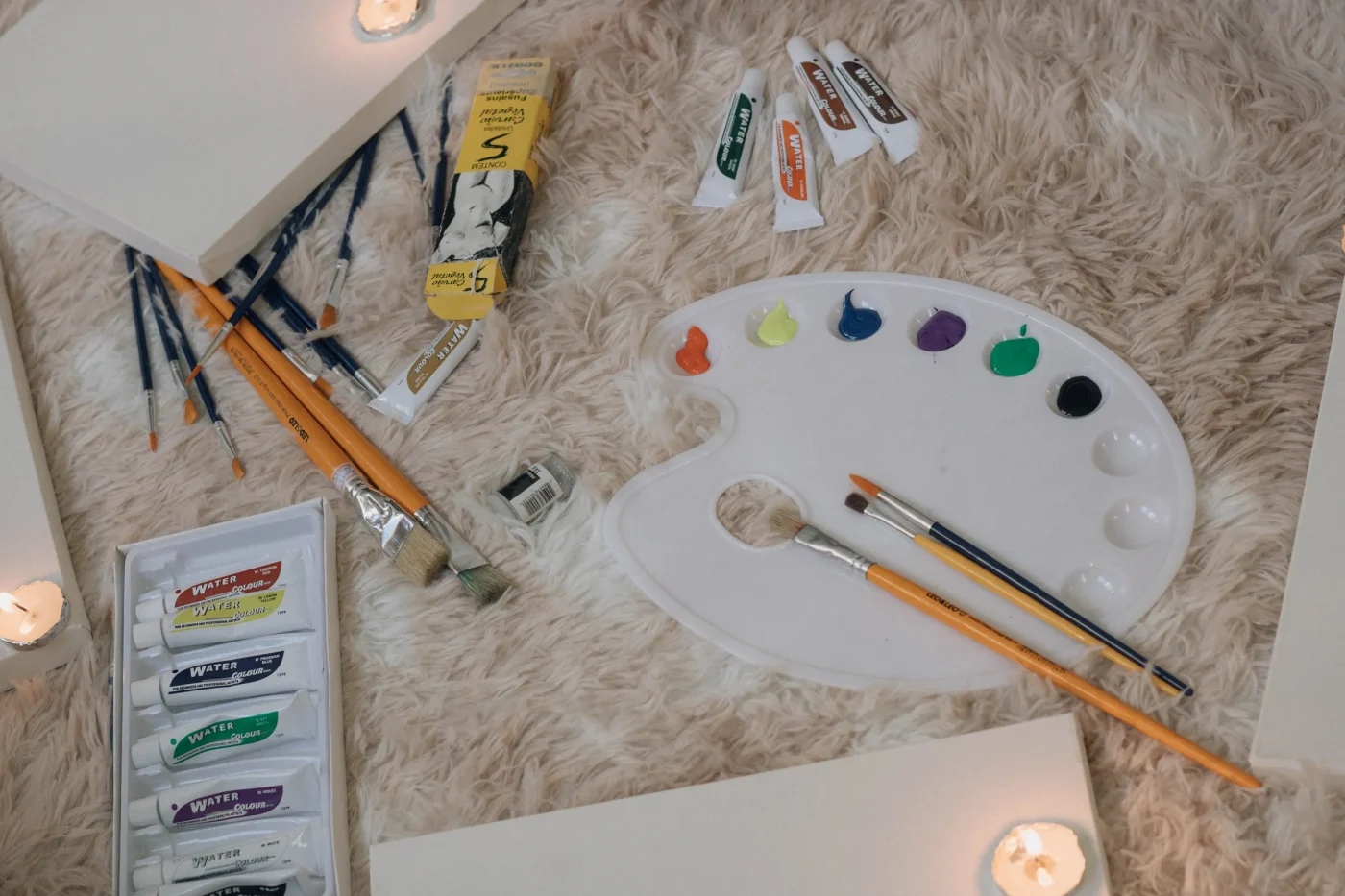
Skin preparation dictates how well face paint bonds to the skin and how comfortably it wears over multiple hours. Standard foundations often contain oils that cause heavy body paints to crack or slide, meaning standard daily skincare routines must be adapted.
Cleansing with a gentle, oil-free face wash creates a neutral base. Applying a gripping, water-based primer ensures that high-pigment creams lock into the epidermal layer without sinking into fine lines. When working near sensitive zones like the eyes, using products tested and cleared for cosmetic use by the FDA prevents severe contact dermatitis or staining.
A common mistake in practice is applying cream and water-based paints over heavy moisturizers, which prevents pigments from curing and causes immediate transfer.
Dispelling the Professional Grade Myth
A frequent misconception is that jaw-dropping Halloween transformations require expensive movie-studio prosthetics or inaccessible theatrical formulas. In reality, modern consumer cosmetic pigments, water-activated graphic liners, and high-opacity cream palettes provide identical visual density when paired with proper setting powders.
| Makeup Style | Core Technical Focus |
|---|---|
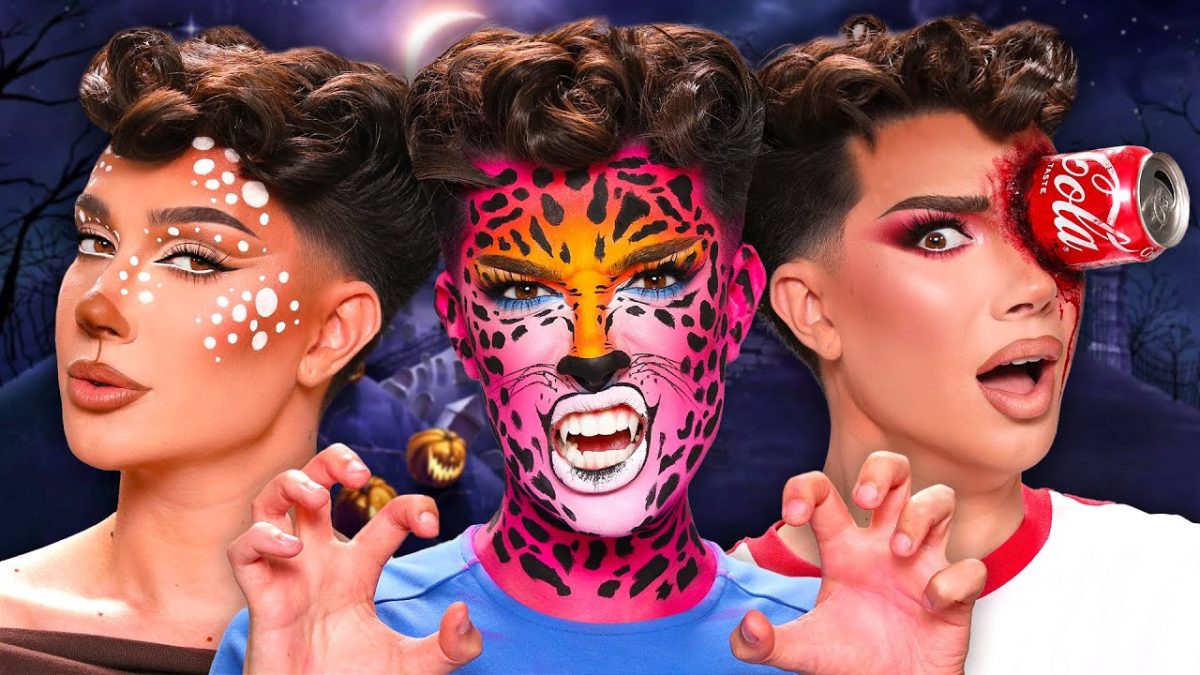
| Woodland Deer | Aggressive nose contouring and white dot stippling |
| Pop-Art Graphic | High-contrast typography and razor-sharp border lining |
| Rainbow Tiger | Vibrant gradient blending beneath opaque black linework |
Technique Breakdown: 3 Distinct Artistic Styles
Transformative cosmetic art generally groups into three technical disciplines: soft anatomical shifts, precision graphic illusions, and hyper-saturated fantasy gradients.
1. Soft Anatomical Illusion: The Sculpted Woodland Deer
The deer concept remains a seasonal favorite because it relies on exaggerated, theatrical contouring rather than messy SFX pastes.
- Nose and Forehead Elongation: Run a deep taupe or warm bronze cream from the inner brows straight down the bridge of the nose, expanding across the tip to mimic an animal snout.
- Negative Space Highlights: Brighten the under-eye area, upper lip, and center of the forehead with an ivory base several shades lighter than your natural skin tone.
- White Stippling: Use a fine, synthetic detail brush and a water-activated white cake paint to deposit crisp spots across the high points of the cheekbones.
2. Structural Precision: The Pop-Art Brand Illusion
Creating wearable brand art or graphic typography directly on the face requires mechanical precision. Hand tremors or uneven spacing can instantly break the illusion.
- Mapping with Flesh-Tone Pencils: Lightly sketch out lettering or border frames using an easily erasable nude lip liner before committing to bold pigments.
- Opaque Color Blocking: Fill large background panels using a dense, flat synthetic brush loaded with primary reds, blacks, or whites.
- Black Outline Definition: Lock in graphic borders using an ultra-fine felt-tip liquid eyeliner to provide dramatic, comic-book depth.
3. High-Saturation Fantasy: The Neon Rainbow Tiger
Inspired by nostalgic, hyper-saturated 90s aesthetics, this style balances smooth gradient transitions with razor-sharp animal stripes.
Begin by laying down vivid shades in horizontal or diagonal bands across the face—transitioning through purple, magenta, yellow, and cyan. Blend the borders using clean fluffy brushes to ensure the colors bleed into one another without turning gray. Once the rainbow background is thoroughly set with translucent setting powder, layer intense, sweeping black tiger stripes across the temples and cheekbones using an angled liner brush.
Long-Wear Setting and Safe Removal Protocol
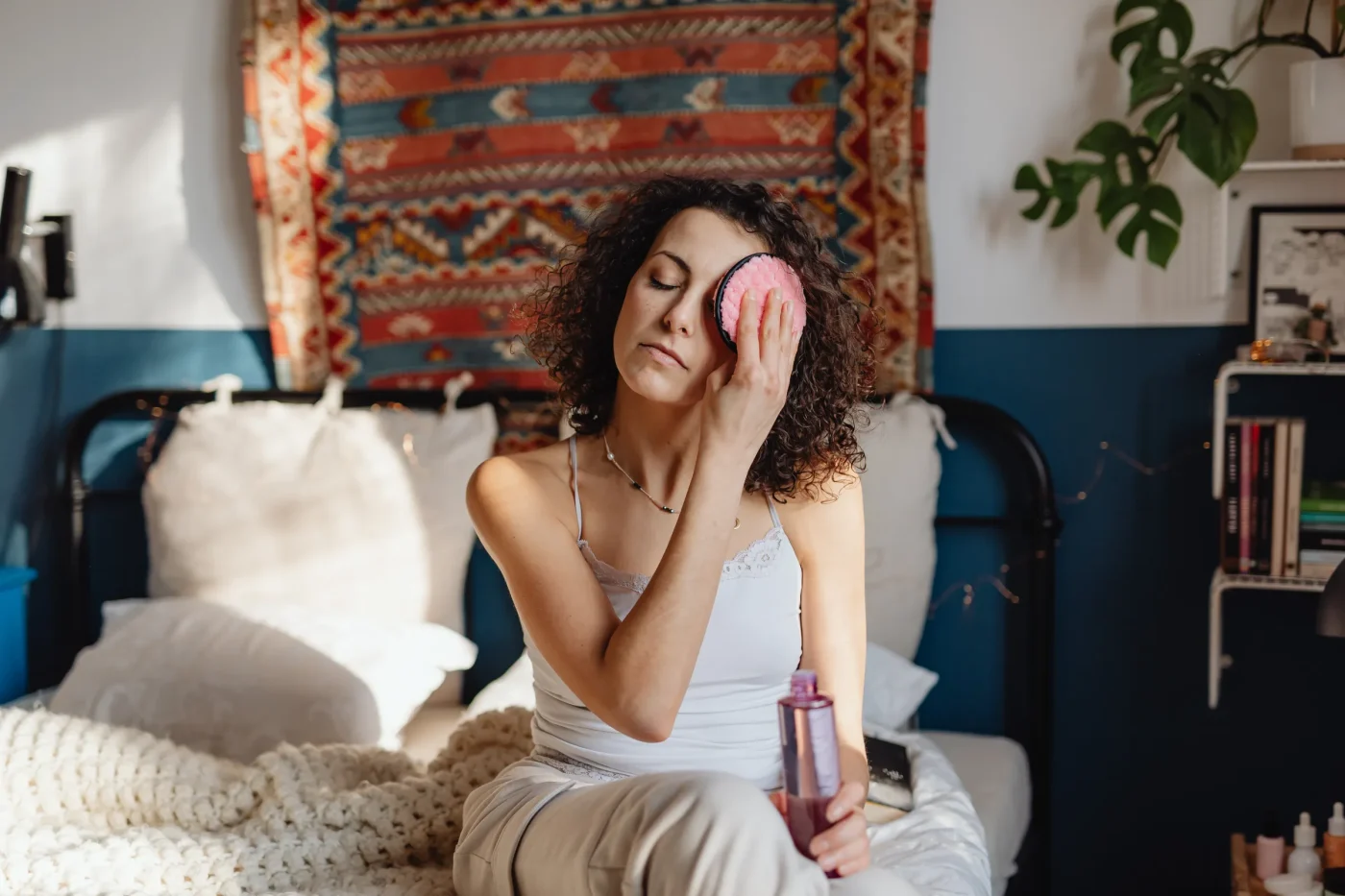
The most critical phase of wearing intensive Halloween makeup looks happens after application and during end-of-night cleanup. Heavy, high-opacity formulas demand a dual-locking mechanism to survive sweat and friction.
Douse the completed look in a fine mist of alcohol-free fixing spray, followed immediately by a light dusting of silica-based micro-powder pressed firmly into high-movement areas like the smile lines and eyelids.
When removal time arrives, avoid scrubbing with harsh makeup wipes, which cause micro-tears and irritate pigmented skin. Instead, massage an oil-based cleansing balm or pure micellar water over dry skin to dissolve cosmetic waxes, then wash thoroughly with a foaming cleanser to restore the skin barrier. A practical demonstration of these dynamic visual styles in action appears in online showcase tutorials covering creative seasonal looks.
💡 Plan your cosmetic layout ahead of time by sketching borders with a nude pencil before applying saturated pigments.
🔍 Always perform a quick patch test on your inner wrist when using new water-activated paints or high-pigment palettes to avoid sudden allergic reactions.
📌 Remember to set every layer thoroughly with matching pressed powders to prevent vibrant neon tones from smudging into black linework.
👇 Share your experiences with us and let us know which intricate design you plan to master this season!