
How Social Media Filters Are Transforming Halloween Makeup into Real-World Art

 Costumes & Makeup
How Social Media Filters Are Transforming Halloween Makeup into Real-World Art
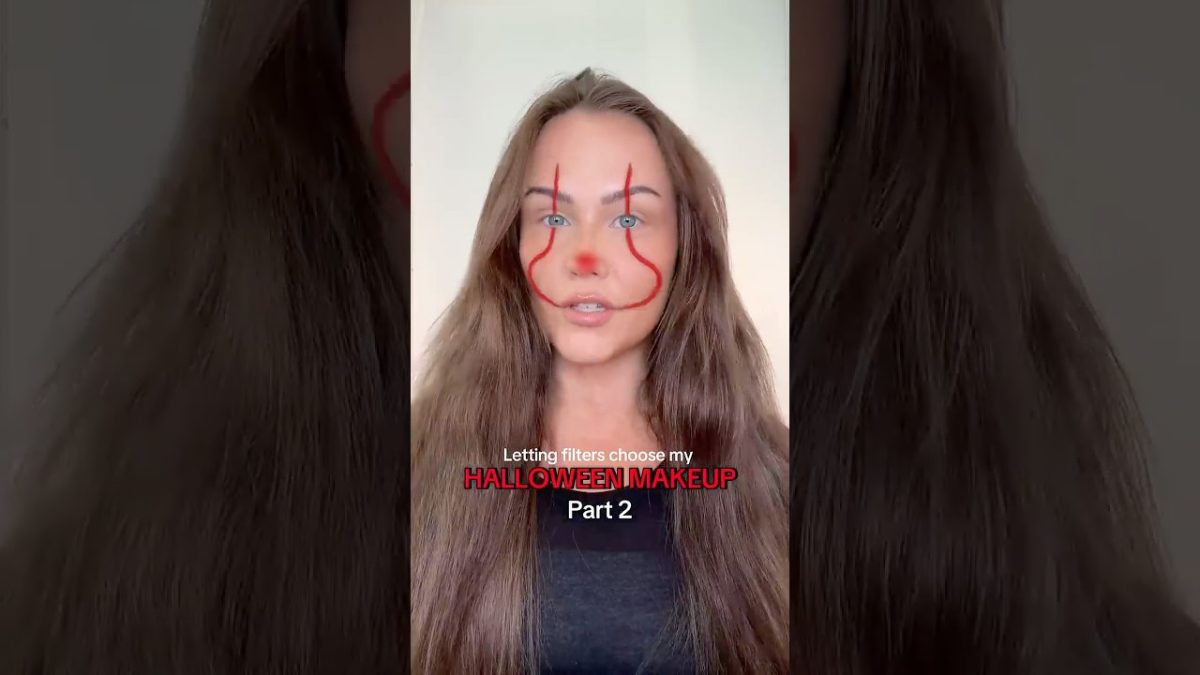
Augmented reality filters now dictate some of the most creative seasonal beauty trends, turning randomized digital prompts into fully realized physical cosmetics routines. By allowing algorithms to assign contrasting colors, asymmetrical linework, and unexpected themes, beauty enthusiasts push past predictable costume tropes and test technical application skills under unpredictable constraints.
Translating digital pixels into wearable cosmetic art requires a solid grasp of color theory, product formulation, and structural face mapping. Digital overlays often disregard human facial anatomy, casting neon highlights across deep shadows or blending incompatible textures effortlessly on screen. Converting those algorithmic ideas into real-world cosmetics demands strategic product selection and precise skin preparation.
The Mechanics Behind Filter-Selected Makeup Challenges
Randomized beauty filters function by cycling through digital assets—such as graphic eyeliner templates, creature textures, bold lip designs, and faux prosthetics—before landing on a final combination. When recreating these concepts, artists must treat the digital render as an abstract blueprint rather than a strict manual.
The primary hurdle involves matching the hyper-smooth gradients generated by mobile rendering engines. Digital filters rely on virtual light emitters that make pigments look luminous regardless of ambient light. To achieve a comparable effect physically, artists turn to pigmented water-activated cake liners, high-density cream paints, and translucent setting powders that prevent muddy blending.
Translating an algorithmic facial filter into physical cosmetics requires viewing the screen output as an architectural sketch rather than an exact color match.
Preparing the Canvas for Complex Special Effects
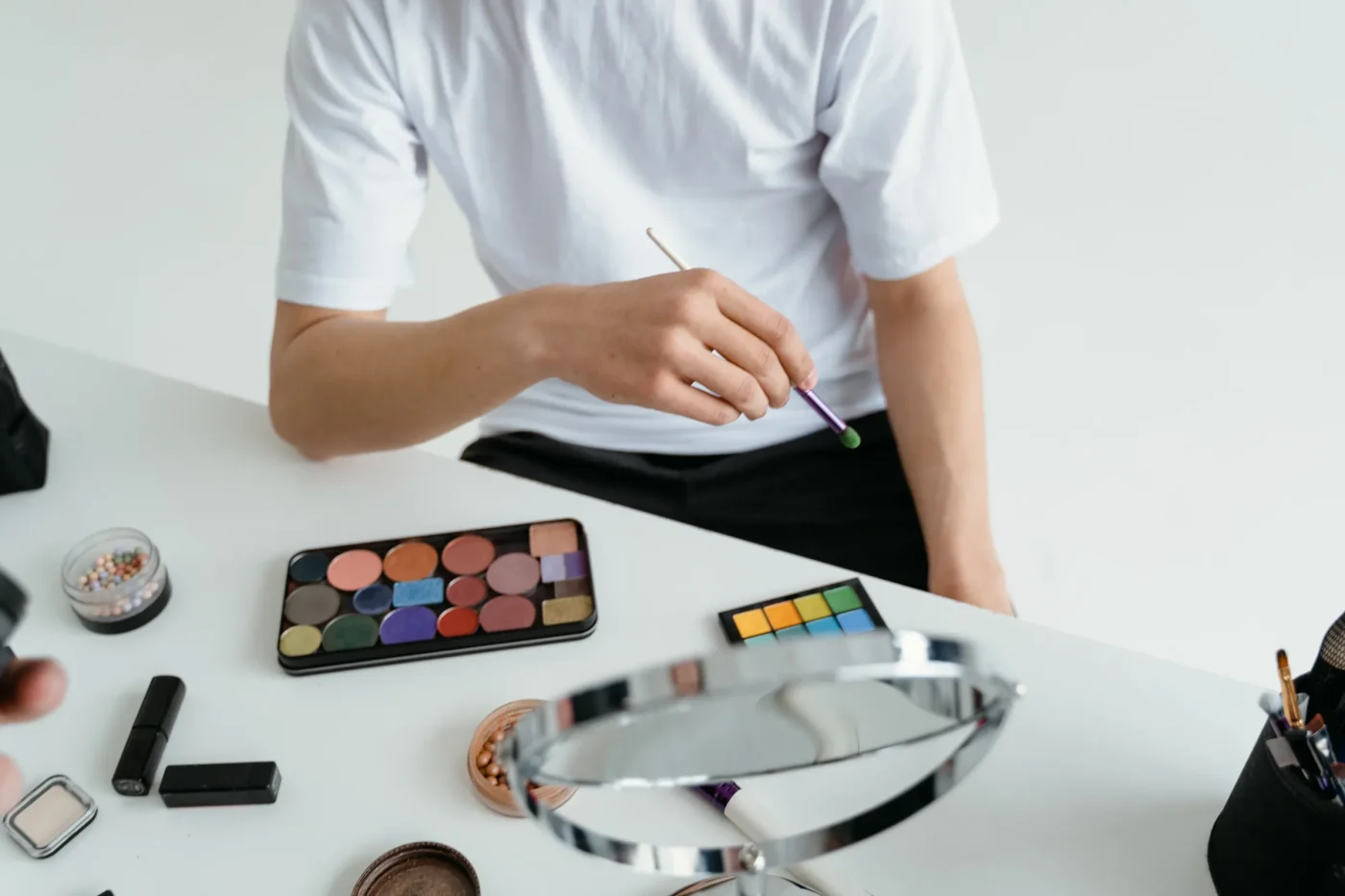
Heavy cosmetic products and high-pigment body paints behave very differently from daily foundations. Applying pigmented layers directly onto bare skin often leads to stubborn staining, premature creasing, and uneven texture. Proper barrier prep ensures the look stays intact while keeping the skin barrier protected throughout extended wear.
A reliable barrier begins with a lightweight, oil-free moisturizer allowed to absorb completely into the skin. Following up with a gripping primer creates a tacky surface that anchors water-based and cream formulations. For areas requiring intense color blocking, applying a sheer layer of white cosmetic base or full-coverage concealer cancels out natural skin undertones, allowing vibrant pigments to display their true hue.
Digital Concepts Versus Physical Cosmetics
Understanding how virtual effects translate into practical formulas prevents costly application mistakes. The table below outlines key structural differences between digital renders and cosmetic equivalents.
| Filter Element | Cosmetic Equivalent |
|---|---|
| Luminous Neon Linework | UV-reactive or water-activated cake eyeliner applied with fine detail brushes |
| Smooth Color Gradients | High-pigment matte pressed eyeshadows buffed over semi-set cream bases |
| High-Gloss Accents | Clear cosmetic face vinyl or dense eye gloss applied as a final surface layer |
| Artificial Contouring | Cool-toned cream pigments blended outward to mimic synthetic shadows |
Busting Common Application Myths
A common misconception is that professional-grade stage paints are universally superior for achieving filter-like vibrancy. In practice, dense oil-based clown paints rarely set fully without vast amounts of powder, which dulls neon shades and causes fine linework to blur over time. Professional beauty educators recommend water-activated paints for sharp graphic details and hybrid silicones for broad coverage.
Another persistent myth suggests that layering makeup setting spray over each step locks in every tier. Applying wet setting mist over delicate water-activated liners can instantly reactivate the binders, causing sharp lines to run and bleed across base makeup. Setting sprays belong strictly under water-soluble graphics or as an ultra-fine, dispersed final mist held well away from the face.
A common mistake in practice is treating water-activated paints like standard liquid makeup, forgetting that moisture introduces instant reactivation.
Step-by-Step Execution: Recreating an Unpredictable Prompt
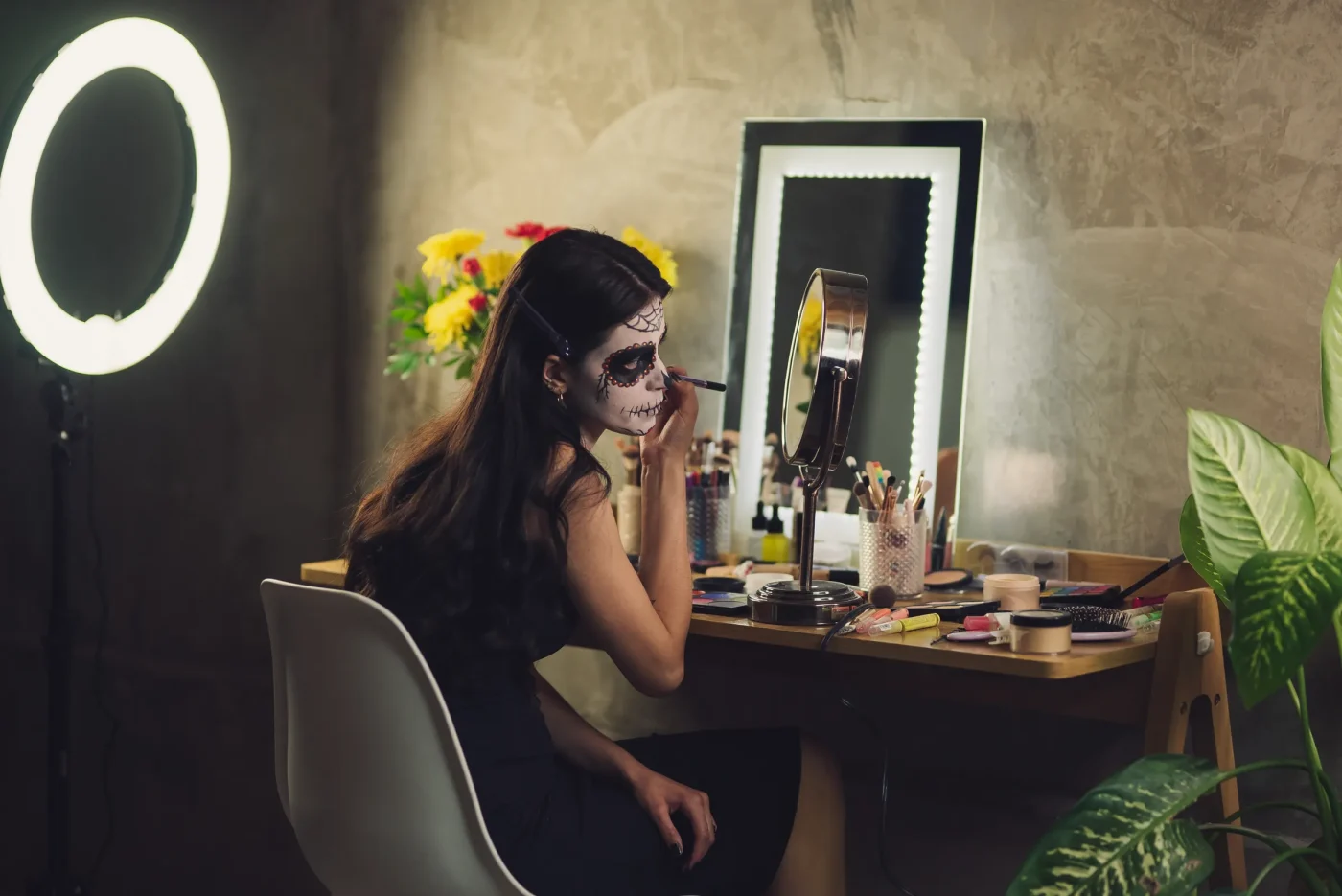
Whether testing an interactive beauty filter or tackling an ambitious seasonal look, methodical sequencing keeps the process manageable and clean. A structured workflow prevents early layers from smudging as the design becomes more complex.
- Map the Framework: Use a neutral nude eyeliner pencil to lightly sketch out proportions, facial divisions, and graphic angles dictated by the digital design.
- Lay the Base Colors: Block out large zones of cream or water-based pigment, moving from the lightest undertones to the darkest contour shades.
- Lock with Powders: Press matching matte eyeshadow pigments directly over cream areas to intensify color payoff and eliminate surface tackiness.
- Execute Graphic Linework: Dip an ultra-fine nail art or detail brush into water-activated liner to trace sharp borders, faux stitches, or intricate linework.
- Add Structural Highlights: Apply reflective highlights, cosmetic glitters, or deep contrast shadows to mimic the simulated depth of augmented reality software.
Following this precise order keeps the surrounding skin clean while ensuring fine details remain crisp throughout the application.
💡 Embracing randomized design challenges builds confidence in color placement and specialized product manipulation.
🔍 Experimenting with diverse formulas reveals which textures hold up best under real-world lighting.
📌 Save your favorite digital beauty filters now to streamline your next seasonal makeup concept.
👇 Leave your thoughts in the comments below and share your experiences with us.