
How to Bake Foolproof Halloween Cookies with Toddlers Without the Usual Mess

 Halloween Food & Parties
How to Bake Foolproof Halloween Cookies with Toddlers Without the Usual Mess
Baking festive Halloween cookies with young children succeeds when you combine a firm, no-spread dough recipe with controlled decorating stations and toddler-friendly squeeze bottles. When parents like Kylie Jenner share seasonal traditions like making holiday cutout cookies with Stormi and Aire, the focus shifts to creating fun, low-stress kitchen routines that keep toddlers actively engaged without overwhelming the workspace.
The foundation of any successful holiday baking session with toddlers rests on eliminating common points of failure before turning on the oven. By pre-measuring ingredients, dividing icing into manageable dispensers, and selecting forgiving cutouts like pumpkins and ghosts, you create an environment where young kids can explore tactile skills without sticky mishaps.
The Science of Shape Retention in Holiday Cutouts
The biggest challenge during seasonal holiday baking is cookie spreading, which turns crisp bat wings and pumpkin stems into unrecognizable blobs on the baking sheet. Standard sugar cookie recipes rely heavily on chemical leaveners like baking soda and high ratios of warm butter, both of which cause dough to expand aggressively under high heat.
To preserve sharp cookie cutter edges, the butter must remain cool during the creaming stage, incorporating just enough air without over-aerating the structure. Professional pastry chefs omit baking powder entirely or reduce it to a quarter teaspoon, allowing the natural steam from eggs and butter to provide sufficient lift while maintaining structural integrity.
Chill the cutout dough for at least 30 minutes on the baking sheet immediately before baking; this resets the butter’s melting point and guarantees clean edges every time.
Temperature control also impacts safety when young children participate in the prep work. The Food and Drug Administration (FDA) continually cautions home bakers against allowing children to sample unbaked batter, as raw flour and uncooked eggs carry risks of foodborne pathogens like Salmonella and E. coli. Heat-treating flour in the oven or relying on fully baked bases guarantees that tasting remains entirely risk-free.
The Chill-and-Roll Technique for Clean Edges
Rolling dough between two large sheets of parchment paper avoids the need for excess flour on the countertop, which can dry out the dough and make the final texture tough. Once rolled to an even quarter-inch thickness, the entire slab goes directly into the refrigerator for forty minutes before cutting.
Cold dough releases effortlessly from plastic and metal cookie cutters, giving toddlers the tactile satisfaction of punching out festive shapes without distorting the dough. Transferring the cut shapes directly on their baking parchment straight to the oven sheet limits handling and preserves every intricate detail.
Myth vs. Reality in Toddler Decorating

A widespread assumption among holiday bakers is that traditional royal icing is essential for decorating picture-perfect holiday cookies. In reality, traditional royal icing sets rapidly and requires precise piping bag pressure that frustrates toddlers with developing fine motor skills.
A simple powdered sugar and milk glaze—or a soft American buttercream tinted with festive gel colors—offers far greater flexibility and ease of use. Transferring icing into miniature silicone squeeze bottles rather than flimsy piping bags allows small hands to apply even pressure without blowouts or sticky counter spills.
Step-by-Step Festive Cookie Workflow
- Batch the Prep Ahead: Mix, roll, and chill your sugar cookie dough several hours in advance so toddlers join only when it is time to cut shapes.
- Select Sturdy Cutters: Choose broad, recognizable silhouettes such as pumpkins, rounded ghosts, and crescent moons that do not snap at narrow joints.
- Bake and Cool Completely: Bake at 350°F (175°C) until edges show a pale golden color, then allow the cookies to cool completely on a wire rack before icing.
- Set Up Individual Stations: Place individual baking sheets or silicone craft mats at each child’s seat to corral sprinkles, colored sugar, and icing drips.
- Portion the Decorating Supplies: Distribute sprinkles into muffin tins or shallow bowls alongside squeeze bottles filled with orange, purple, and green glazes.
Cookie Dough Setup and Management
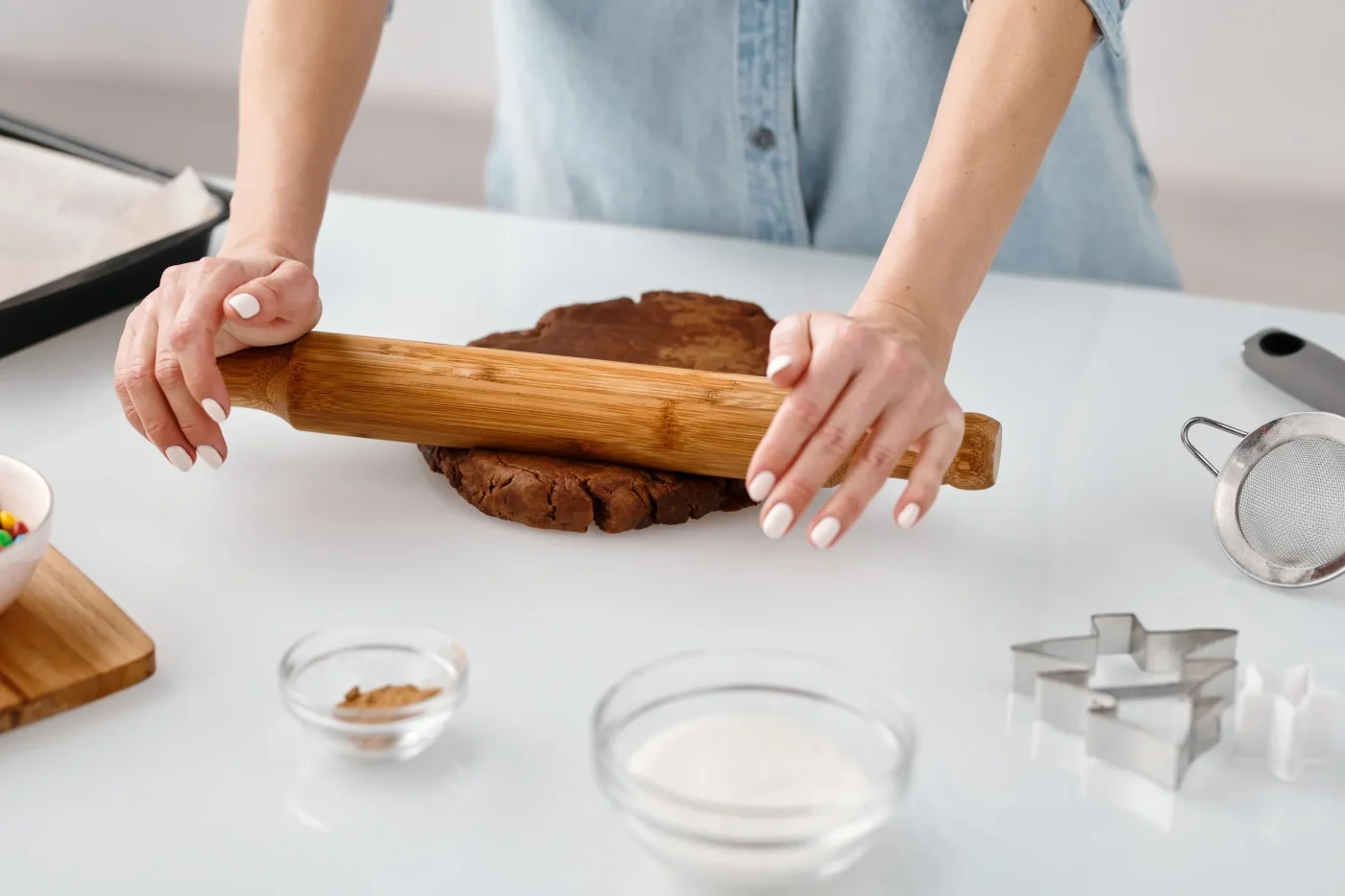
| Preparation Factor | Best Practice for Kids |
|---|---|
| Dough Thickness | Roll evenly to 1/4 inch to ensure even baking and resist breaking during handling. |
| Chilling Duration | Refrigerate rolled sheets for 45 minutes minimum before letting children cut shapes. |
| Work Surface | Use silicone mats or parchment sheets to prevent sticky residue and simplify cleanup. |
| Icing Delivery | Swap delicate piping bags for squeezable 4-ounce silicone squeeze bottles. |
| Topping Control | Place sprinkles in 6-cup muffin tins so toddlers can easily pinch without dumping jars. |
By shifting focus from Pinterest-style perfection to practical sensory play, family baking sessions become an anticipated seasonal highlight. Establishing predictable prep routines turns festive kitchen projects into shared moments where creativity and delicious treats go hand in hand.
💡 What are your favorite holiday cookie traditions to bake with little ones at home?
🔍 Do you prefer using buttery sugar cookies or spiced gingerbread cutouts for Halloween?
👇 Leave your thoughts in the comments below and share your go-to kitchen hacks!