
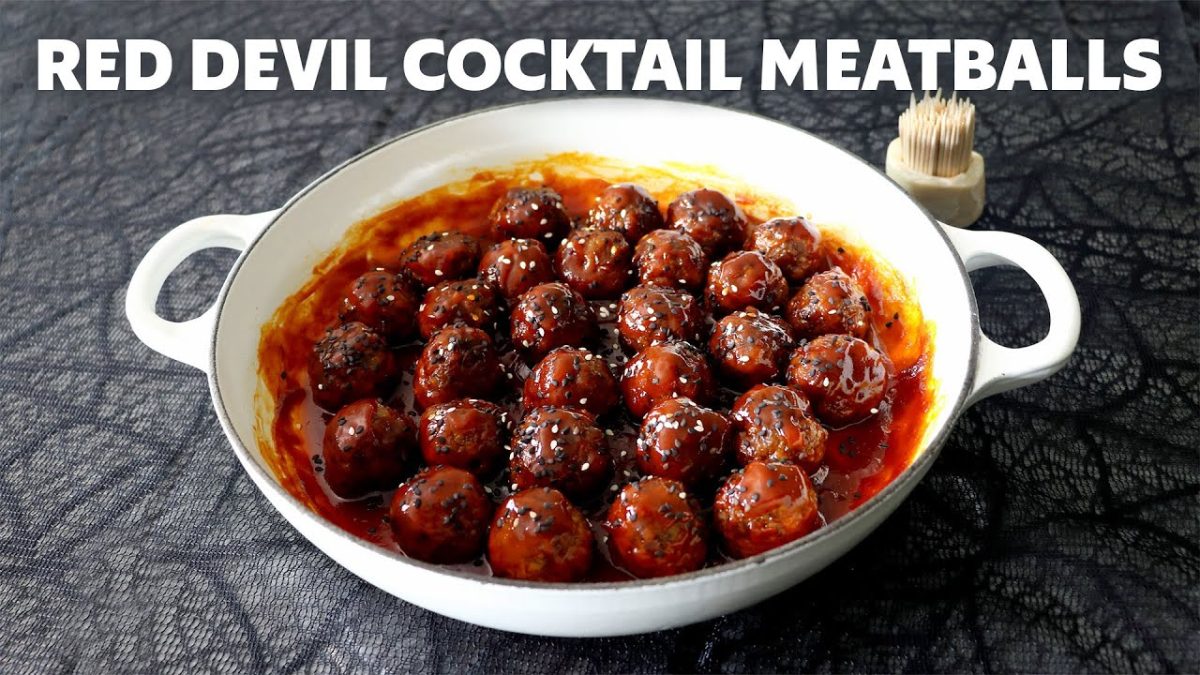
Spicy Red Devil Cocktail Meatballs Deliver the Ultimate Sweet and Tangy Game Day Bite

 Halloween Food & Parties
Spicy Red Devil Cocktail Meatballs Deliver the Ultimate Sweet and Tangy Game Day Bite
Savory meat, a sharp kick of heat, and a sticky, sweet-and-sour exterior make cocktail meatballs an enduring staple of casual entertaining. The Red Devil profile revamps the familiar party appetizer into a bold centerpiece coated in a crimson, clingy glaze designed to balance rich meat with noticeable acidity and spice. Whether prepped for a high-stakes football tailgate or a lively holiday gathering, getting the texture and sauce consistency right is the secret to keeping guests hovering by the serving dish.
Traditional party meatballs often lean heavily on convenience sauces that turn cloying after a single bite. Elevating the concept requires balancing three essential elements: a tender, well-seasoned meat mixture, a sauce that thickens without burning, and enough sustained heat to cut through the richness of the beef and pork. Mastering this balance ensures every bite delivers contrast rather than just sugar.
The Culinary Science Behind the Sweet and Fiery Glaze
The magic of the “Red Devil” profile relies on the classic balance of sugar, acid, and capsaicin. Sweetness tempers the sharp sting of chili heat on the palate, while natural acidities—typically from vinegar, tomato, or citrus—cleanse the palate between bites. When reduced over moderate heat, the sugars caramelize slightly, creating a glossy, viscous coating that clings to meat rather than pooling at the bottom of the dish.
A balanced cocktail sauce requires enough natural viscosity to coat a spoon completely, preventing the meat from absorbing the liquid and turning soggy during extended warming.
Many home cooks assume that adding raw hot sauce at the very end produces the best punch. In practice, simmering the spicy elements directly into the glaze allows the capsaicin to bond with the sugars and fats. This mellows harsh chemical burn while leaving behind a deep, lingering warmth that complements the savory core.
Key Components of the Red Devil Glaze
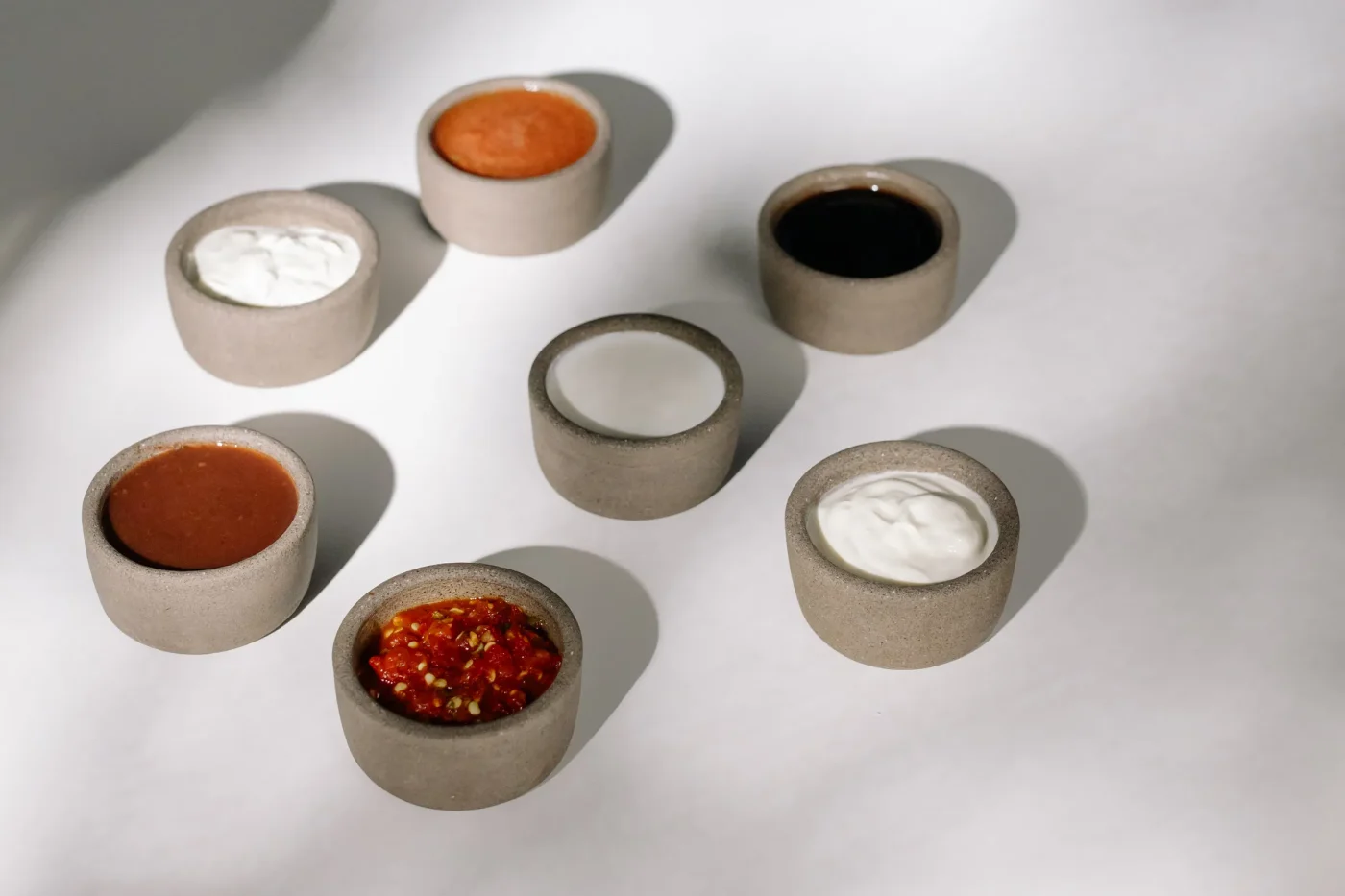
Constructing an exceptional glaze comes down to choosing ingredients that provide texture and punch in equal measure. While variations exist, authentic Red Devil glazes avoid overly processed shortcuts in favor of layered pantry staples.
- The Sweet Base: Honey, brown sugar, or preserves lend body, sheen, and the necessary stickiness.
- The Acidic Core: Cider vinegar or Worcestershire sauce introduces sharpness that cuts through rich ground meat fats.
- The Fiery Kick: Cayenne pepper, red pepper flakes, or concentrated hot pepper sauce bring bright, clean heat.
- Aromatic Depth: Garlic powder, onion powder, and a touch of mustard flour anchor the sharper top notes.
Step-by-Step Method for Maximum Tenderness
Overworking the meat mixture remains the single most common reason cocktail bites turn rubbery. Keeping the protein tender requires gentle handling and proper pan management.
- Prepare the Panade: Combine breadcrumbs with a small splash of milk or broth before mixing. This starchy paste creates a protective matrix that traps juices inside the meatball as proteins contract under heat.
- Shape Uniformly: Roll the mixture into uniform, bite-sized portions roughly one to one-and-a-half inches in diameter. Uniform sizing guarantees that every piece cooks through at the exact same rate.
- Brown at High Heat: Bake at high heat on a parchment-lined baking sheet or sear briefly in batches. You want a crisp exterior crust without cooking the interior to dryness.
- Simmer and Glaze: Transfer the browned meatballs into the simmering sauce. Allow them to cook gently until the glaze reduces to a thick, lacquer-like consistency that coats the back of a spoon.
Classic Appetizer vs. Red Devil Style
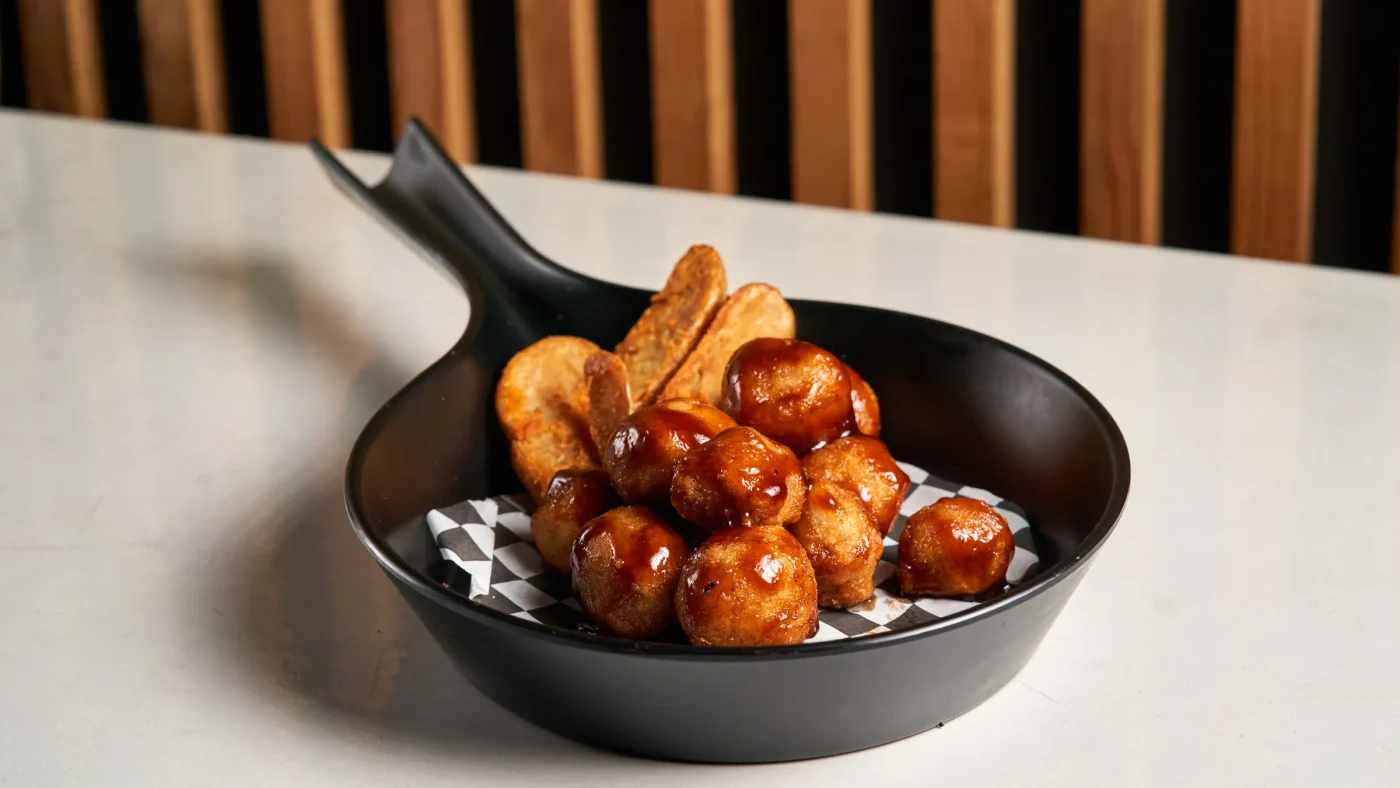
Deciding how to season party appetizers often comes down to the desired flavor profile and crowd preference. The table below outlines how the Red Devil approach differs from vintage mid-century alternatives.
| Element | Red Devil Style |
|---|---|
| Primary Flavor Profile | Spicy, tangy, balanced sweetness |
| Sauce Consistency | Thick, sticky, clinging glaze |
| Heat Level | Moderate to sharp lingering warmth |
| Best Occasion | Tailgates, game days, autumn parties |
Food Safety and Buffet Holding Temperatures
When serving finger foods across several hours, food safety guidelines from the U.S. Department of Agriculture (USDA) are critical. Ground meat mixtures containing beef, pork, or poultry must reach a safe minimum internal temperature of 160°F (71°C) to destroy harmful bacteria.
Once glazed and ready for service, keep the dish warm using a slow cooker or chafing setup maintained at or above 140°F (60°C). If the sauce reduces too much during a long party, whisk in a tablespoon of warm water or low-sodium broth to loosen the texture without muting the seasoning. Those looking for visual demonstration of proper meatball shaping and sauce reduction can find step-by-step culinary execution in corresponding recipe footage on YouTube.
💡 Tailor the heat level to your crowd by adjusting the cayenne pepper while keeping the core sugar-to-vinegar ratio stable.
🔍 Monitor your glaze closely during the final simmer to avoid scorching the sugars against the bottom of the pan.
📌 Prepare the meatballs ahead of time by baking and freezing them plain, leaving only the fresh glazing step for party day.
👇 Share your favorite twist on cocktail meatballs and let us know your go-to spice blend in the comments below!