
How Rigged Candy Bowls Use Smart Engineering to Stop Porch Candy Thieves

 Halloween Ideas & Trends
How Rigged Candy Bowls Use Smart Engineering to Stop Porch Candy Thieves
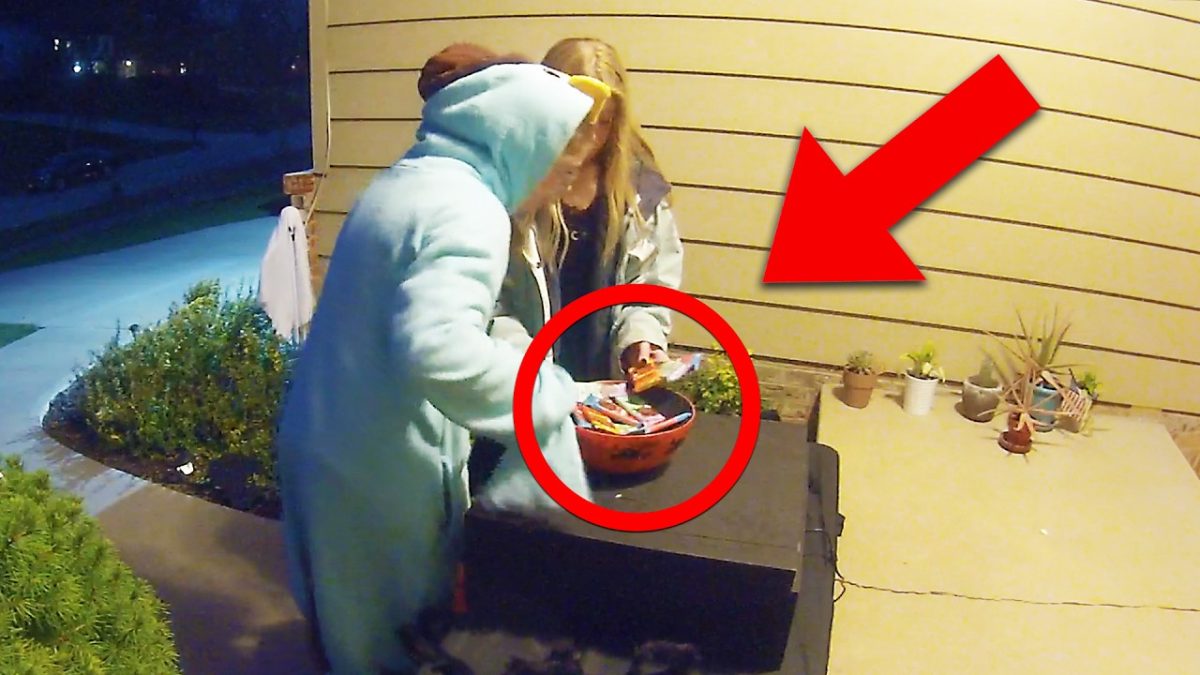
Unattended candy bowls left on front porches routinely vanish into the bags of greedy visitors within minutes, turning a neighborhood courtesy into an easy target for opportunistic theft. Deploying an engineered rigged candy bowl counters this grab-and-run behavior by introducing automated sensors, unexpected audio cues, and mechanical locks that enforce the honor system in real time. Rather than losing an entire evening’s supply of treats to a single masked culprit, homeowners are using practical mechanics to protect their porch.
The issue mirrors modern porch piracy, where unattended items left in plain sight invite low-risk opportunistic crime. When a bowl sits completely unmonitored, social accountability collapses. A single individual realizes no one is watching, dumps the entire contents into their bag, and leaves nothing for the neighborhood children who follow.
Stopping this pattern requires understanding why the honor system fails in the first place, and what specific mechanical triggers cause an opportunistic taker to immediately drop the bowl and walk away.
The Psychology Behind the Front Porch Honor System
Leaving a bowl outside with a handwritten note reading “Please Take One” relies on informal social contracts. In daylight or direct view of neighbors, compliance remains high because public visibility enforces polite behavior. Once darkness falls and costumes provide anonymity, the psychological barrier known as de-individuation takes over.
An unmonitored bowl creates an perceived absence of consequences, shifting normal hesitation into rapid opportunism within two to three seconds.
Research into public compliance demonstrates that when individuals believe an automated system is tracking their actions, adherence to basic rules spikes dramatically. A rigged candy bowl does not need to trap an offender; it simply needs to eliminate the illusion of total anonymity.
Core Engineering Methods Behind Deterrent Candy Bowls

Building a reactive candy station generally combines low-cost microcontrollers, environmental sensors, and mechanical actuators. When calibrated correctly, these components distinguish between a polite hand taking a single piece and an aggressive hand scooping the entire stash.
Sensor Integration and Trigger Systems
A successful setup relies on fast, reliable input detection before the taker can sprint down the driveway. Builders commonly implement three distinct trigger methods:
- Ultrasonic distance sensors: Mounted to the inner rim or behind the bowl, these measure the distance to approaching hands. If an object stays within the detection zone for longer than a few seconds, the trigger fires.
- Micro-switch weight plates: Positioned underneath the container, mechanical switches or load cells detect sudden drops in mass. A single candy bar reduces weight incrementally, while an entire haul causes an instant drop that sets off the mechanism.
- Passive infrared (PIR) modules: These detect heat signatures and movement directly in front of the porch step, arming the system before the visitor reaches the table.
Once the sensor registers suspicious movement, the signal routes to a microcontroller such as an Arduino or ESP32 board, which switches on an active response.
| Deterrent Mechanism | Operational Function |
|---|---|
| Load Cell Cutoff | Measures sudden mass drops and instantly activates internal locks or warnings. |
| Solenoid Lid Clamp | Snaps a clear protective shield shut over the opening to block excessive reaching. |
| Directional Audio Cue | Fires a loud, pre-recorded verbal call-out directly at the visitor to break anonymity. |
| Air Blaster Pulse | Releases a safe burst of compressed air upward to create an immediate startle reflex. |
Dispelling the Myth of Complex Industrial Robotics
A widespread misconception is that creating a reactive container demands expensive industrial hardware or proprietary software. In reality, most high-impact deterrence relies on simple physics and basic switch logic rather than complex computing.
A mechanical false-bottom bowl connected to a spring-loaded latch costs very little to construct and requires zero lines of code. When someone attempts to tip or hoist the entire bowl, the release of tension trips a noisy rattle or mechanical pop-up figure. The goal remains psychological disruption rather than physical restraint.
Step-by-Step Construction of a Smart Deterrent Station

Creating an effective setup requires testing the balance between welcoming genuine visitors and startling bad actors. Follow this systematic approach to assemble an effective unit:
- Anchor the base: Secure a weighted secondary platform to the porch table using heavy-duty clamps or sandbags so the entire station cannot simply be picked up and carried off.
- Calibrate the threshold: Set the weight or distance sensor to ignore minor disturbances while reacting decisively to sudden shifts exceeding four ounces.
- Mount the disruption payload: Connect a high-decibel buzzer, flashing strobe LED, or pneumatic burst tube inside the perimeter of the secondary housing.
- Enforce a timed reset: Program a ten-second delay into the controller to allow genuine guests to recover their treat and leave before the system rearms itself.
Testing the sensitivity beforehand ensures the system never misfires on younger trick-or-treaters who might linger slightly longer while choosing their favorite candy.
💡 Have you ever caught an ambitious candy hoarder clearing out your porch supply on camera?
🔍 Tell us what clever deterrents or sensor ideas you would build into your own front-door setup.
👇 Share your funniest porch experiences and DIY security fixes in the comments below!