
Redoing Decade-Old SFX Makeup: Faster Techniques for Flawless Character Body Paint

 Costumes & Makeup
Redoing Decade-Old SFX Makeup: Faster Techniques for Flawless Character Body Paint
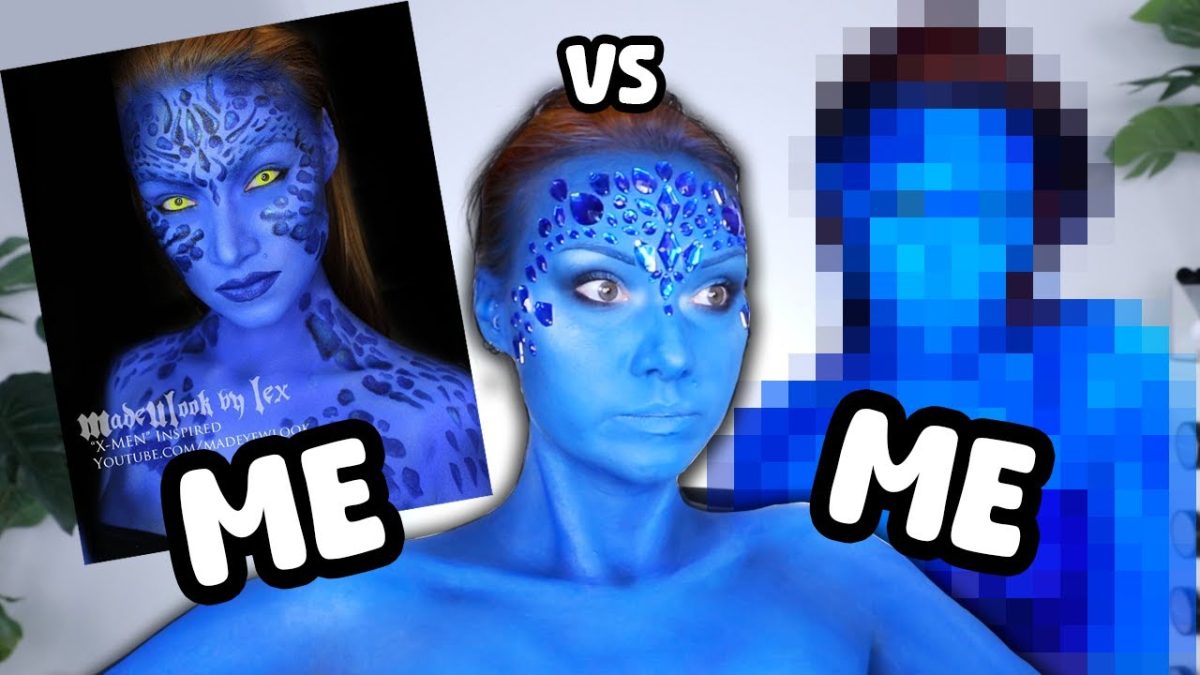
Redoing makeup from a decade ago exposes a dramatic evolution in cosmetic formulas, skin preparation, and application speed: modern water-activated pigments and lightweight primers cut full-coverage character transformations down to a fraction of their original application time. Looks that once demanded hours of heavy, cake-prone greasepaint can now be executed with breathable, flexible layers that bend naturally with facial movement. The result is a vivid, multidimensional finish that stays intact for conventions or seasonal events without requiring constant touch-ups.
Ten years ago, achieving a solid, hyper-pigmented base—such as the vibrant blue and patterned texture of iconic shapeshifters like Mystique—meant wrestling with thick formulations that took ages to dry. Cosmetic chemistry and application strategy have fundamentally transformed how artists approach these expansive transformations. Modern techniques prioritize skin barriers, dimensional contouring using powder over paint, and ultra-precise fluid linework.
The Evolution of SFX Formulations Over a Decade
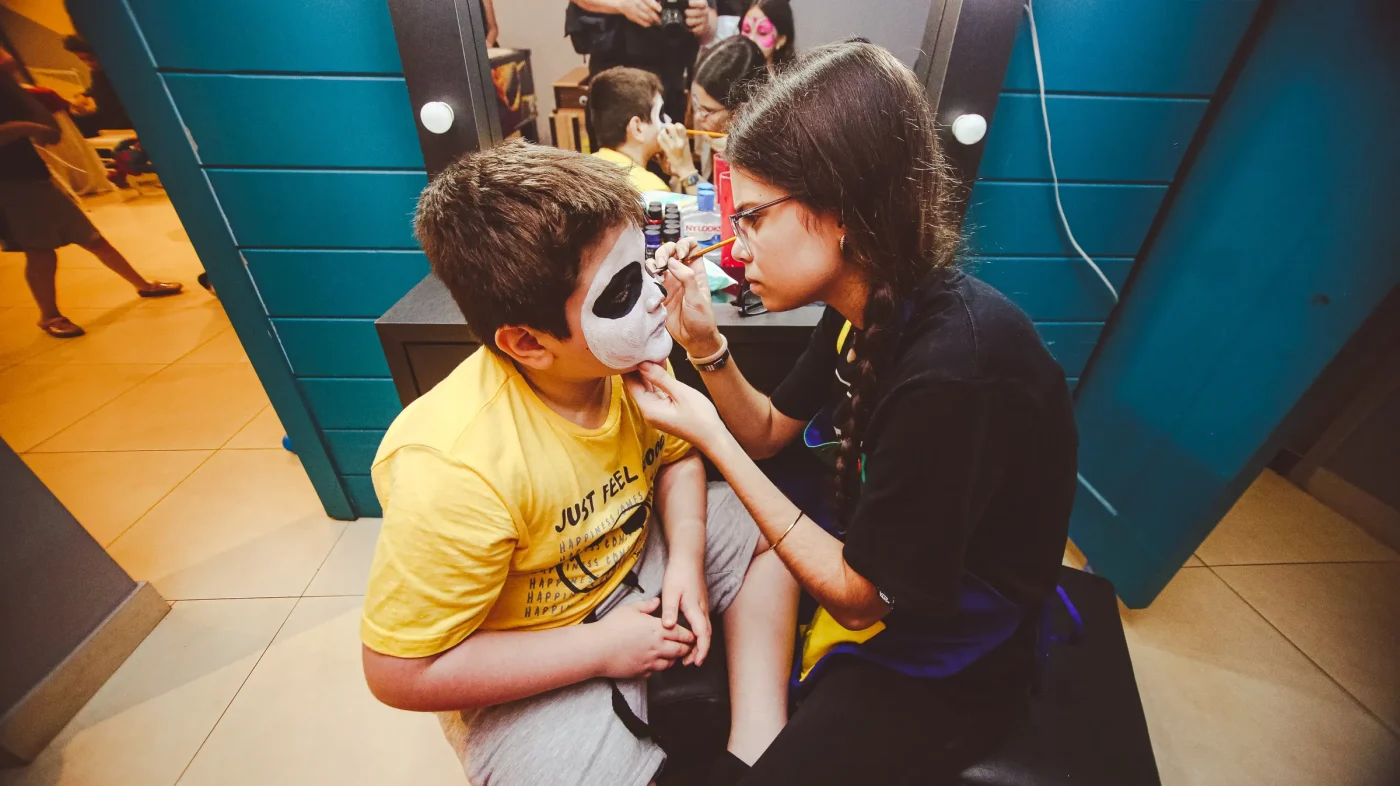
A decade ago, special effects artists and costume enthusiasts frequently relied on heavy cream sticks, alcohol palettes, or dense theatrical foundations for full-face and body coverage. While these products offered deep saturation, they posed distinct challenges: they settled heavily into expression lines, degraded quickly under body heat, and required massive amounts of setting powder that dulled the original shade.
Contemporary body painting relies heavily on purified water-activated pigments and smudge-resistant acrylic-hybrid body paints. Formulations such as Madeyewlook Body Paint allow for fluid, streak-free opacity in a single swipe while drying down to a weightless, touch-safe barrier. Skin preparation has also shifted significantly. Applying a dedicated barrier such as e.l.f. Eyeshadow Primer or silicone-free skin shields creates a uniform surface, prevents pigment from clinging unevenly to dry patches, and blocks intense dyes from staining the epidermis.
Thick, continuous layers of body paint inevitably crack along dynamic facial zones; building opacity through thin, fluid washes preserves skin elasticity and prevents premature flaking.
Step-by-Step Modernized Character Application
Streamlining a full-face character paint requires an organized order of operations to prevent muddy colors and reduce touch-up time.
- Skin Prep and Priming: Cleanse the skin thoroughly to remove surface oils, then apply a resilient eye and face primer to high-movement zones around the eyes, forehead, and jawline.
- Base Color Blocking: Apply a vibrant, water-activated base pigment using a broad, synthetic filbert brush or a dense sponge, applying the pigment in thin, uniform strokes rather than dabbing excessively.
- Dimensional Shading: Instead of layering wet paint to create shadows, sweep deep matte and metallic pigments—such as dense Urban Decay eyeshadows—into the hollows of the cheeks, temples, and neck to carve out three-dimensional depth.
- Graphic Texturing: Map out scale patterns, character textures, or anatomical details using a waterproof liquid eyeliner pen like the NYX Epic Ink Liquid Eyeliner, which provides crisp micro-control without dragging on the paint.
- Dynamic Highlights: Add reflective accents or fine cosmetic sparkles over the raised planes of the face to catch ambient convention lighting and break up flat blocks of color.
Decade-Old vs. Modern Body Paint Execution
Comparing past routines with modern application protocols reveals how small adjustments eliminate hours of unnecessary work while boosting visual clarity.
| Metric / Technique | Decade-Old vs. Modern Approach |
|---|---|
| Base Formulation | Heavy theatrical greasepaint shifted to flexible, fast-drying water-activated pigment. |
| Contour Strategy | Wet cream blending replaced by dry pressed-pigment shading for faster depth. |
| Detailing Precision | Standard brush dips replaced by flexible felt-tip waterproof liquid liners. |
| Wearability | Prone to transfer and cracking replaced by touch-dry, flexible film-forming wear. |
Busting the Myth of Heavy Layering
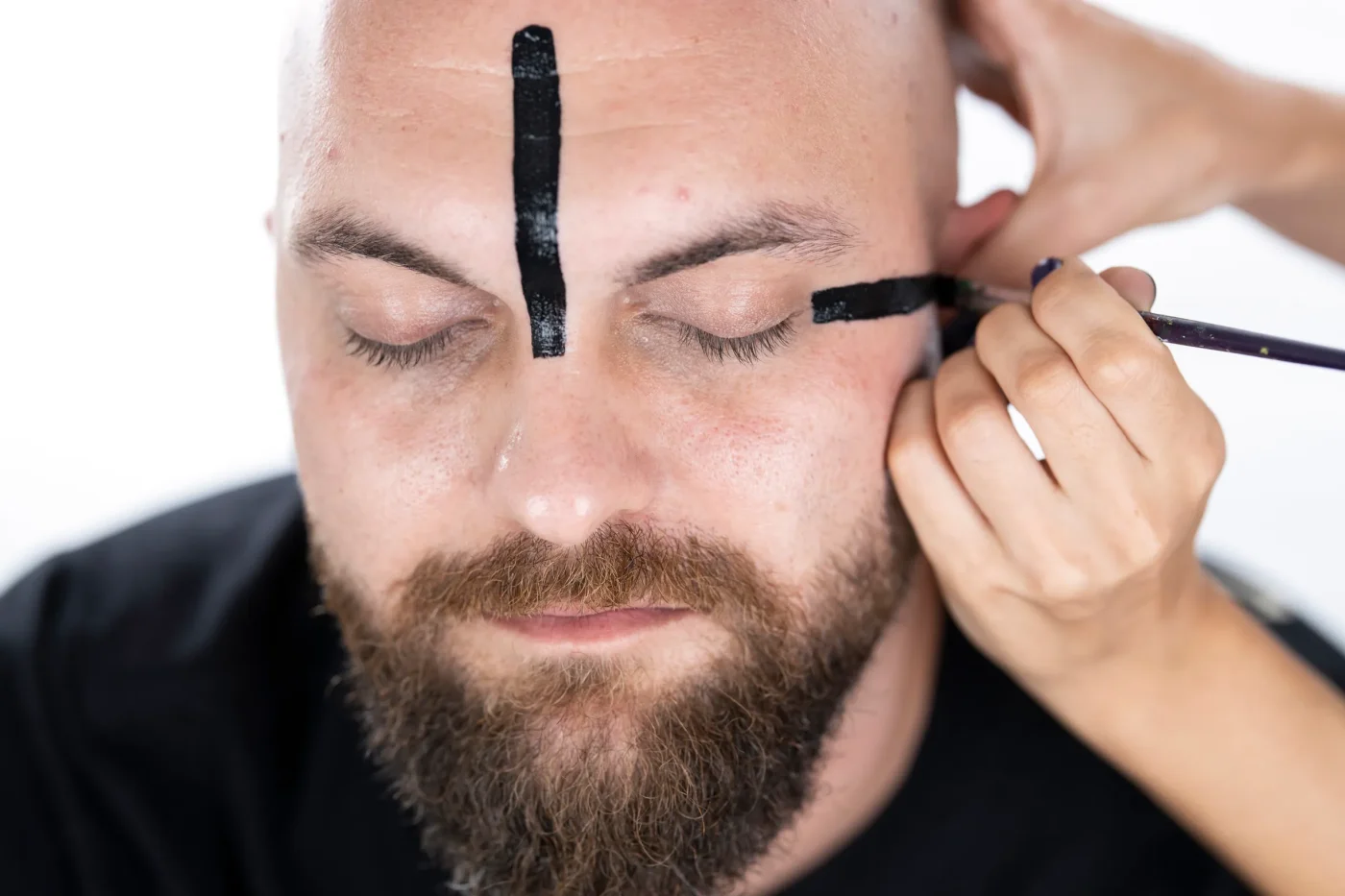
A persistent misconception in cosplay and theatrical makeup is that full coverage requires thick, opaque layers of cream or cake makeup. In reality, applying dense layers of paint acts like spackle: as soon as the jaw moves or the brow furrows, the product shears off along natural skin creases, creating visible gaps and shedding dry flakes onto clothing.
Modern professional artistry treats body paint much like watercolor rather than oil paint. High-grade cosmetic pigments deliver total opacity at a microscopic film thickness. When paired with high-performance matte eyeshadows for shading and fine liquid liners for structural borders, the skin retains its natural flexibility while maintaining flawless camera-ready saturation.
💡 Revisiting past creative projects with current tools is one of the best ways to measure your artistic growth and cut down your prep routine.
🔍 Audit your current makeup kit to see which older, heavy formulas can be swapped for high-pigment, weightless alternatives.
👇 Leave your thoughts in the comments below and tell us which classic character look you want to see reimagined next.