
The Baker’s Secret to Crafting a Beautiful Halloween Pumpkin Bread

 Halloween Food & Parties
The Baker's Secret to Crafting a Beautiful Halloween Pumpkin Bread
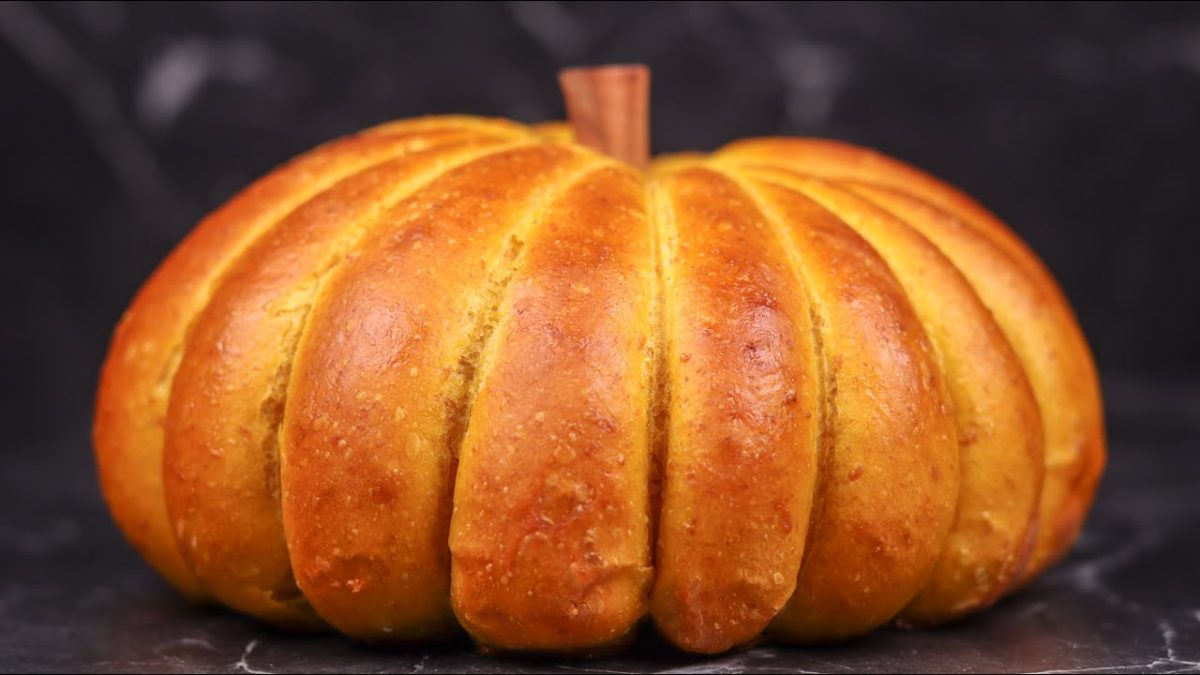
Baking an eye-catching **Halloween pumpkin bread** requires combining real pumpkin purée with an enriched yeast dough and binding it with oiled butcher’s twine before the final proof. This physical restriction forces the expanding loaf to billow outward into eight distinct lobes during baking, producing an authentic heirloom pumpkin shape without specialized pans or molds.
Beyond its festive aesthetic, incorporating vegetable purée directly into bread dough introduces natural moisture, tender crumb structure, and a deep golden color. Achieving the perfect bake comes down to controlling dough hydration, selecting the right squash base, and tying your shaping strings with precise tension.
Why Purée Dramatically Alters Dough Hydration
Pumpkin and related winter squashes such as butternut contain high percentages of water alongside complex starches and dietary fiber. When mixing pumpkin purée into flour, that vegetable moisture releases gradually during kneading rather than behaving like pure water or milk.
Dumping standard liquid amounts into a pumpkin dough often produces a sticky, slack mess that collapses on the baking stone. Working with purée demands holding back a portion of your recipe’s hydration until the flour begins absorbing the vegetable solids.
Working with squash purée requires patience; its water content varies significantly between fresh roasts and canned varieties, making gluten development the primary indicator of dough readiness rather than strict liquid ratios.
For bakers who find field pumpkin slightly bland or overly watery, roasted butternut squash or sweet potato serves as an exceptional alternative. They bring a denser texture and a milder, sweeter profile that blends effortlessly into buttery yeast doughs.
Busting the Quick Bread Fallacy
A widespread misconception across home kitchens is that pumpkin bread must always be a heavily spiced, cake-like loaf baked in a standard tin. While sweet quick breads dominate holiday mornings, they lack the structural tensile strength needed for ornate seasonal shaping.
An enriched yeast dough provides the necessary gluten lattice to hold deep geometric indentations. By adjusting sugar levels downward and leaning on warm spices like nutmeg, cardamom, and cinnamon, you produce a versatile bread that pairs equally well with savory soups, sharp cheeses, or honey butter.
The Twine Technique: Step-by-Step Pumpkin Shaping
Creating rounded, defined lobes on your **Halloween pumpkin bread** comes down to mechanical shaping using food-safe kitchen twine.
Mastering the String Method
- Prepare the strings: Cut four equal lengths of 100% cotton butcher’s twine, each roughly 30 inches long. Submerge them completely in neutral cooking oil to prevent the expanding dough from fusing to the fibers during baking.
- Form the star: Lay the four oiled strings flat on your work surface, overlapping them at their midpoints to resemble a wheel with eight symmetrical spokes.
- Position the dough: Shape your fermented dough into a smooth, tight round boule. Place the smooth top side face down directly onto the center intersection of the strings.
- Tie with slack: Gather the opposing ends of each string and tie a single knot over the bottom of the boule. Leave enough slack for two fingers to fit beneath the string—if tied too tightly, the dough will tear and rupture as it rises.
- Final proof and bake: Invert the dough onto parchment paper so the knots are hidden underneath. Allow it to complete its secondary rise before transferring it to a preheated Dutch oven or baking stone.
Once the loaf turns a rich mahogany gold and sounds hollow when tapped, let it cool completely on a wire rack before cutting and gently sliding out each string.
| Element | Best Practice |
|---|---|
| Dough Type | Enriched yeast dough (flour, butter, egg, pumpkin purée) |
| Shaping Twine | Food-safe cotton string soaked thoroughly in oil |
| Tying Tension | Loose knot with fingertip clearance to accommodate oven spring |
| Stem Finishing | Cinnamon stick, pecan half, or fresh herb sprig inserted after baking |
Finishing Touches for the Ultimate Halloween Centerpiece
A hollow indented center crowns the top of the baked loaf where the strings converged. This natural divot provides the perfect anchor point for a realistic stem.
Insert a short cinnamon stick, an intact pecan half, or even a real dried squash stem into the warm recess immediately after removing the strings. A light brush of melted butter straight out of the oven gives the crust an inviting satin sheen that catches holiday candlelight.
💡 Have you ever tried shaping yeast bread with baker’s twine?
🔍 Experimenting with sweet potato instead of canned pumpkin can completely redefine the flavor and moisture balance of your harvest loaves.
📌 Share your favorite autumn bread-shaping techniques and autumn table centerpieces in the comments below.