
The Viral Nun Cat Costume Dominating Halloween Feeds: What Pet Owners Need to Know

 Halloween Ideas & Trends
The Viral Nun Cat Costume Dominating Halloween Feeds: What Pet Owners Need to Know
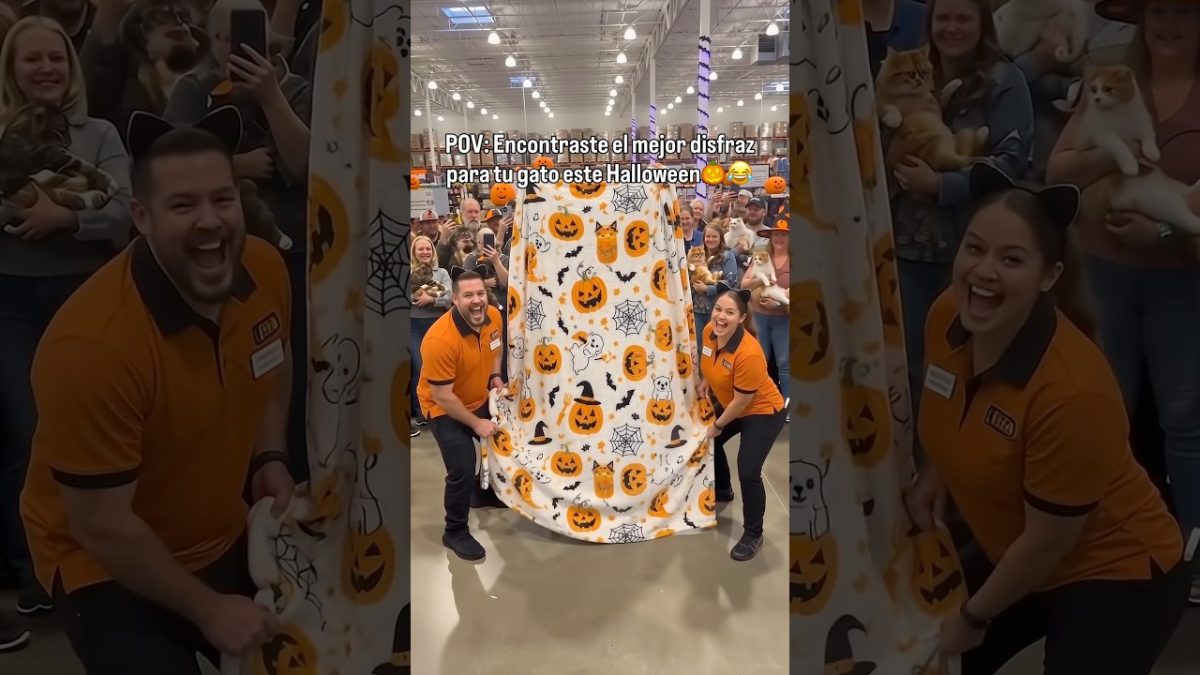
Novelty optical illusion outfits—led by the wildly viral miniature nun suit—rank among the most shared pet trends this season. Designed with built-in stuffed arms and a front-facing cowl, this specific **cat Halloween costume** creates the uncanny visual effect of a tiny upright person striding across the room the moment your feline walks forward.
The sudden surge of these miniature clerical and character suits across social feeds highlights a significant shift in pet fashion design. Rather than constricting a cat’s entire body with heavy cloaks, the front-step layout targets visual comedy while prioritizing minimal physical encumbrance.
Getting the visual gag right without causing sensory overload requires understanding how these outfits actually interact with feline biomechanics.
The Mechanics Behind the Optical Illusion Costume
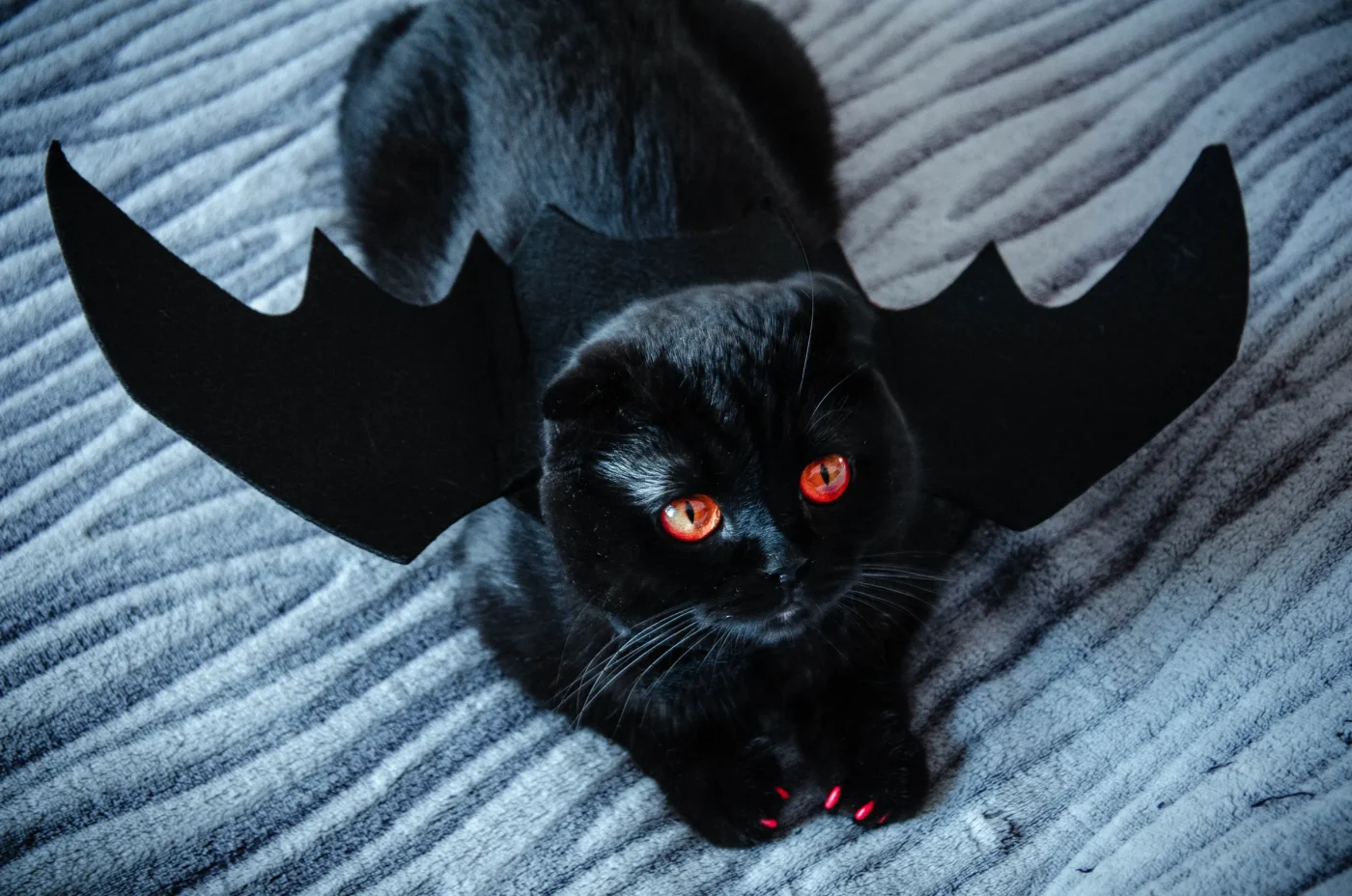
Traditional pet wear often fails on cats because it covers their flank, belly, and rear legs, triggering a freeze-or-flop response. Cats rely heavily on spatial input gathered through tactile body awareness, which means standard body coats can immediately disrupt their balance.
Front-facing illusion costumes bypass this issue through a split-panel construction. The garment slips exclusively over the front legs and fastens loosely behind the neck or upper chest, leaving the back, hindquarters, and tail completely unobstructed.
Optical illusion pet outfits succeed visually because feline front-leg movement mirrors an upright bipedal stride when framed by false arms and draped fabrics.
When the animal takes a natural step, the front hem swings forward in tandem with the paws. The brain interprets the motion as an independent pair of walking human legs, transforming ordinary feline movement into comedic theater.
Step-In Construction vs. Full Coverage
The miniature habit ensemble generally pairs a two-legged front tunic with a lightweight, elasticated headpiece. Because the headpiece functions independently from the body section, pet owners can adjust each component separately to gauge tolerance levels.
If an animal objects to neck fabric or ear coverings, removing the hood still preserves the walking illusion intact. That flexibility makes the layout far more adaptable than all-in-one onesies or structured suits.
Novelty Outfits Compared: Mobility vs. Aesthetic Impact
Different costume designs produce drastically different reactions depending on garment weight, attachment points, and sensory interference.
| Costume Style | Mobility and Tolerance Profile |
|---|---|
| Front Illusion Tunic (e.g., Nun, Doctor) | High mobility; leaves spine and hindquarters free; minimal interference with natural gait. |
| Full-Body Jumpsuit | Low mobility; restricts torso flexion; frequently triggers complete immobilization or distress. |
| Backpack Harness Wings | Moderate mobility; sits on familiar harness points; low behavioral impact if lightweight. |
| Enclosed Head Cowl | Variable tolerance; can flatten whiskers and restrict auditory cues if improperly fitted. |
Essential Fitting and Safety Rules for Feline Comfort
A successful holiday look should never come at the expense of an animal’s wellbeing. Before setting up a photo session, inspect the garment for structural hazards that could irritate sensitive skin or cause accidental snagging.
- Clear the Whisker Zone: Any hood or collar must sit well behind the cheeks, preventing pressure on the facial vibrissae that cats use for navigation.
- Verify Armhole Clearance: Tight seams around the armpits restrict natural shoulder extension and can cause chaffing within minutes.
- Eliminate Choking Hazards: Cut off dangling threads, miniature plastic rosaries, or decorative beads that a cat might chew free during grooming.
- Keep Sessions Brief: Limit novelty wear to short increments, removing the outfit immediately after photos or interactive play.
Cats communicate discomfort through subtle behavioral cues long before vocalizing. A twitching tail, flattened ears, or repeated backward stepping indicates that the garment should come off immediately.
💡 Comfort always takes priority over aesthetics when outfitting your pet for autumn celebrations.
🔍 Test individual pieces in advance to ensure your companion remains relaxed and mobile throughout the process.
📌 Share your funniest pet costume experiences in the comments below and let us know which viral outfit your pet tolerated best!