
Halloween Preparation Guide: Smart Vehicle Tech, Home Automation, and Critical Neighborhood Safety

 Halloween Ideas & Trends
Halloween Preparation Guide: Smart Vehicle Tech, Home Automation, and Critical Neighborhood Safety
Modern Halloween preparation now spans far beyond buying candy and carving pumpkins, integrating automated home sensors, vehicle exterior light shows, and vital roadway vigilance. As neighborhoods gear up for peak evening foot traffic, aligning high-tech vehicle capabilities with proven visibility protocols ensures festivities remain entertaining without compromising pedestrian safety.
Advanced connected vehicles offer custom seasonal modes, such as synchronized lighting sequences and external pedestrian speaker cues, while outdoor smart lights synchronize with motion detectors along walkways. However, hardware features only achieve their goal when drivers and families balance automated convenience with direct situational awareness.
Smart Vehicle Tech and Seasonal Automation
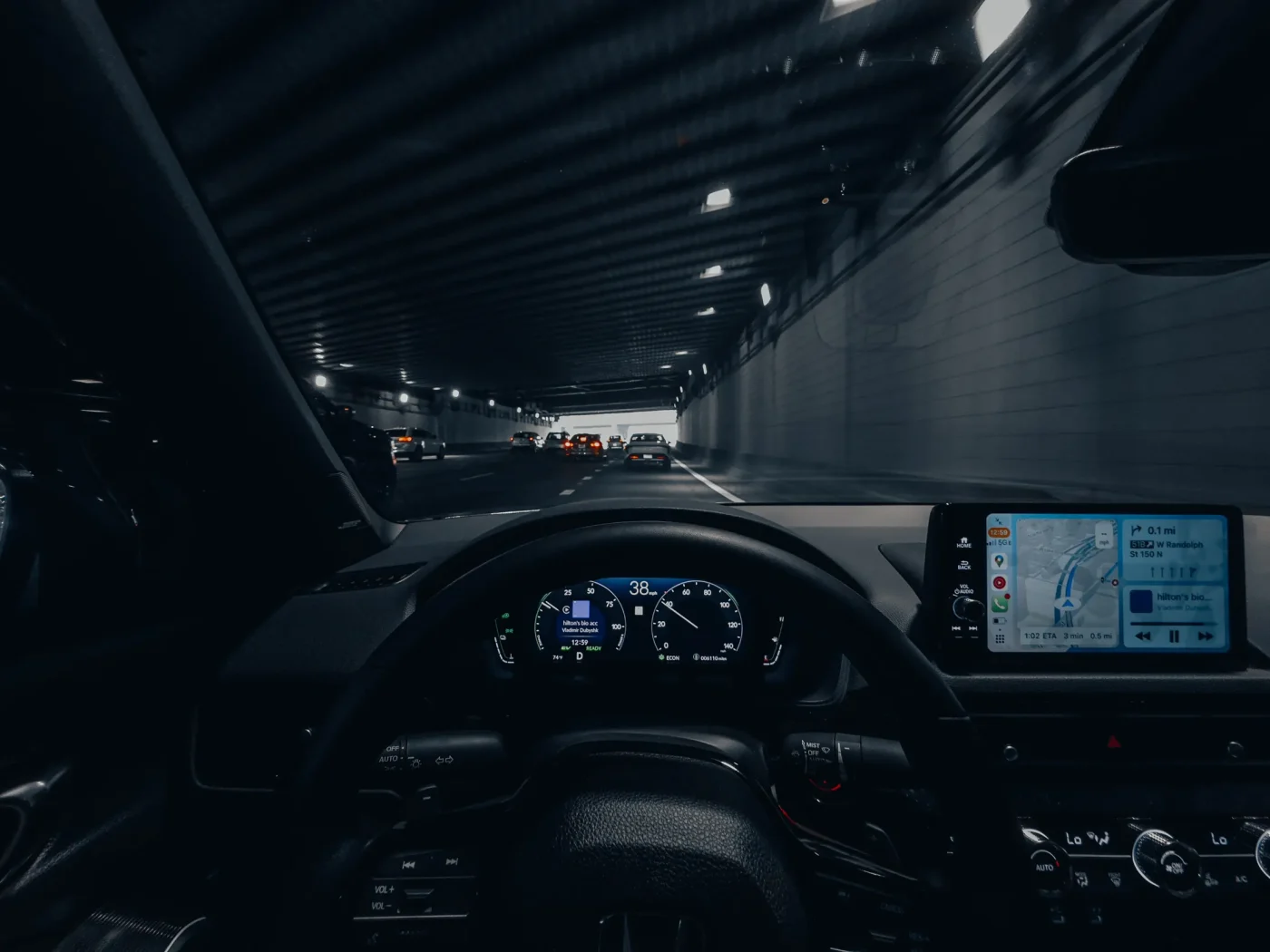
Modern electric vehicles and connected cars increasingly offer built-in seasonal software elements that transform standard functions into holiday entertainment. Drivers can activate programmed exterior light sequences, flash headlamps to ambient audio tracks, and set customized low-speed pedestrian warning tones through external acoustic speakers. While accompanying digital media demonstrations show these dynamic lighting features in action, deploying them responsibly requires understanding neighborhood guidelines and local noise ordinances.
Automating these features provides an engaging backdrop for neighborhood gatherings, but vehicle owners must ensure safety controls remain intact throughout the evening.
- Designate stationary staging areas: Position vehicles entirely off active roadways, such as on private driveways, before engaging automated lighting sequences or exterior sound demonstrations.
- Configure ambient illumination: Use vehicle auxiliary lighting or smart pathway lamps to clearly illuminate curbs, driveway edges, and trip hazards for young visitors.
- Disable sudden hazard lights in traffic: Avoid using emergency flashers or novelty exterior sequences while actively navigating suburban streets, as this creates visual confusion for surrounding motorists.
Automating seasonal vehicle displays should never override basic operational discipline; stationary entertainment must stay separated from active pedestrian thoroughfares.
Balancing Visual Spectacle with Street Safety
Residential vehicle movement peaks sharply during early evening trick-or-treating hours, creating unique roadway challenges. Automotive safety agencies like the National Highway Traffic Safety Administration (NHTSA) emphasize that low-light hours see the highest concentration of young pedestrians crossing residential streets, often emerging unpredictably from between parked cars.
Active Driver Assistance and Sensor Limits
While automated emergency braking and ultrasonic sensors provide an essential digital safety net, darkness, highly reflective costumes, and sudden darting movements can test the physical detection limits of automotive cameras and radar. Drivers must keep windshields meticulously clean and resist relying entirely on automated cockpit warnings in crowded cul-de-sacs.
| Preparation Area | Recommended Action |
|---|---|
| Vehicle Speed | Maintain speeds well under posted neighborhood limits to preserve stopping distance. |
| Headlight Alignment | Clean low-beam lenses to eliminate road glare while illuminating low-profile obstacles. |
| Pedestrian Gear | Incorporate retroreflective tape and high-output LED markers into dark costumes. |
| Driveway Clearances | Keep parked cars locked and perimeter sensors active to monitor nearby foot movement. |
Dispelling the Common Myths of Nighttime Visibility
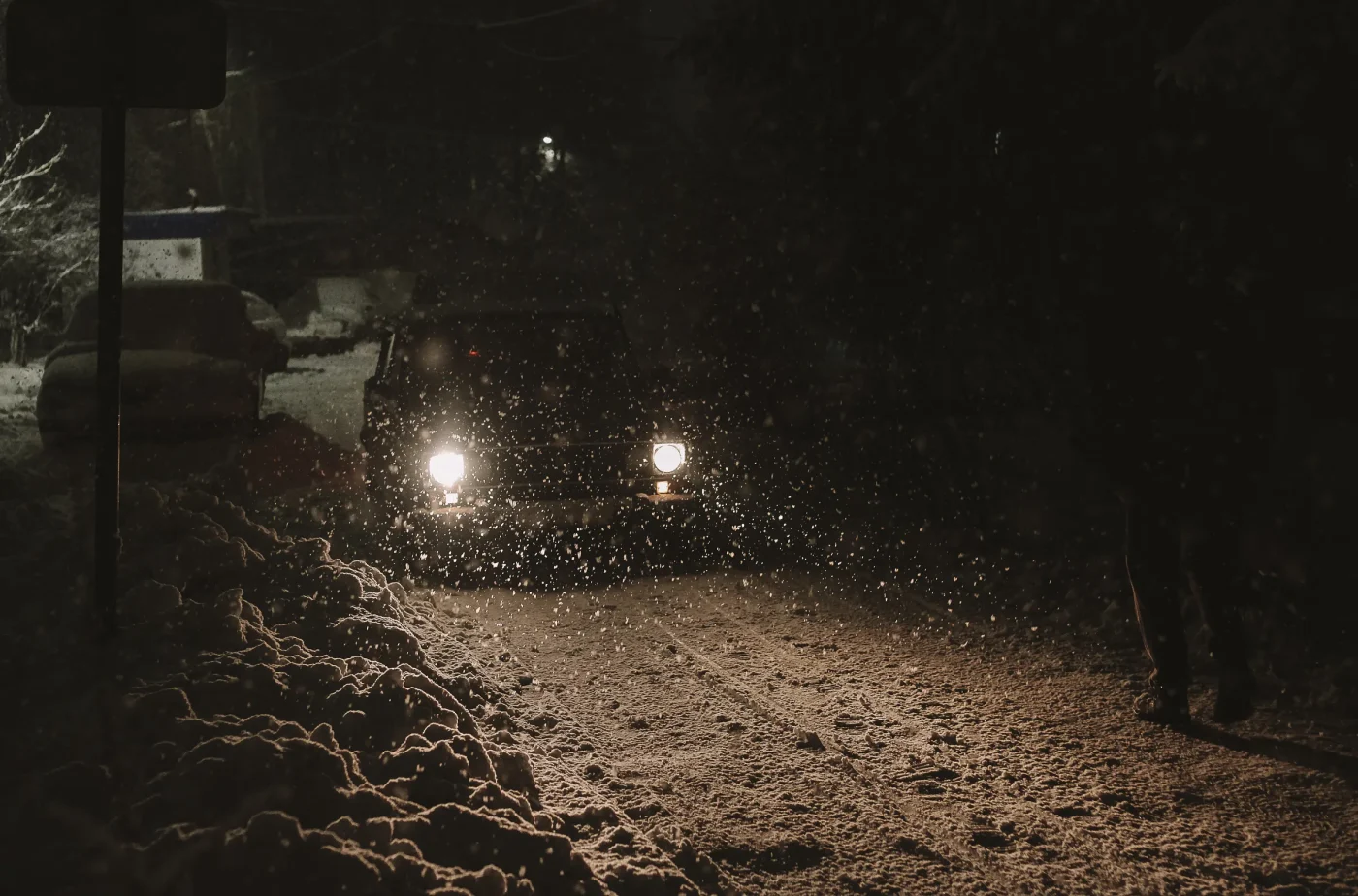
A frequent misconception among parents and drivers is that light-colored fabric provides sufficient visibility under standard streetlights. Photometric testing demonstrates that standard white cloth reflects minimal ambient illumination compared to true retroreflective micro-prismatic tape, leaving pedestrians difficult to spot until a vehicle is already within braking range.
Another prevalent assumption is that automatic pedestrian detection systems identify all costume shapes equally. Voluminous inflatables, dark masks, or props can distort the human silhouette that on-board machine-vision systems look for, making human driver scanning the indispensable primary defense.
💡 Check exterior lighting and motion sensors before dusk settles to ensure high-traffic pathways remain thoroughly illuminated.
🔍 Test your vehicle’s obstacle detection and keep cabin distraction levels to an absolute minimum when navigating residential areas.
📌 Share your neighborhood safety routines and smart tech setups with fellow drivers to help keep holiday evenings secure.
👇 Leave your thoughts in the comments below and share how you prepare your home and vehicle for the upcoming festivities.