
How to Host a Halloween Costume Swap Party That Cuts Waste and Costs

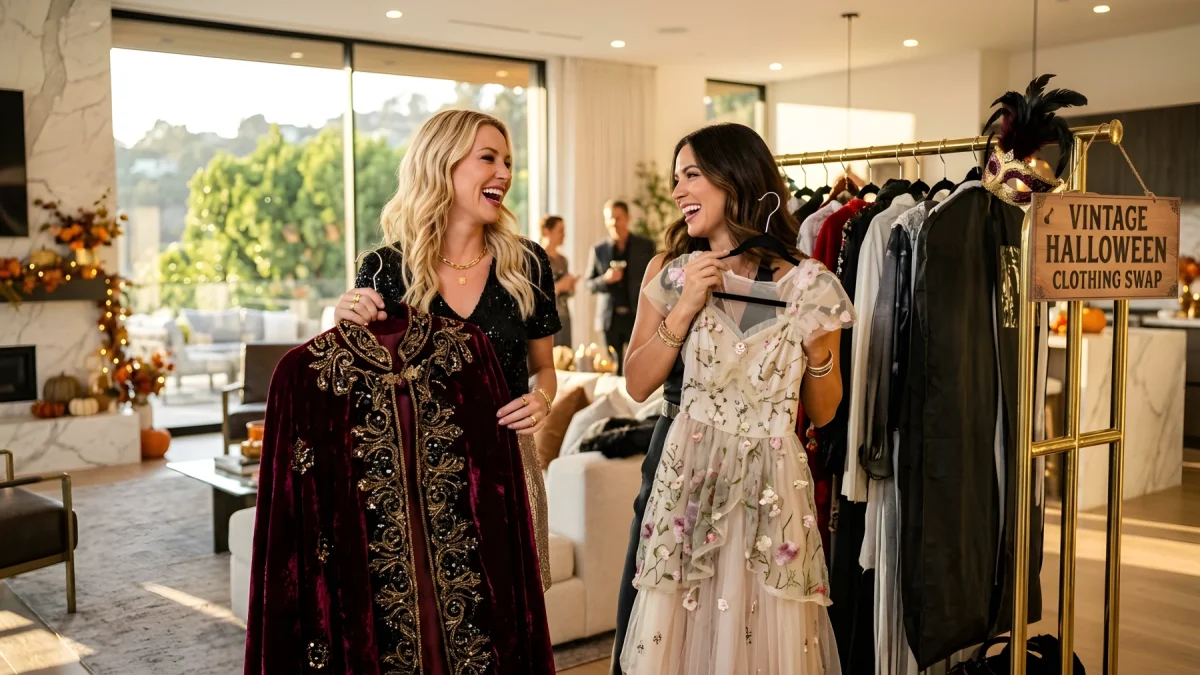 Halloween Ideas & Trends
Community costume exchanges provide families an affordable, zero-waste alternative for the spooky season.
Americans are projected to spend a record $13.5 billion on Halloween, with $4.4 billion poured directly into costumes, even as an estimated 80% of festive garments ultimately end up in landfills. Hosting a Halloween costume swap shatters this costly cycle by offering families an easy method to trade outgrown gear for fresh outfits without spending a cent. Organizing an exchange requires straightforward logistics, early drop-off points, and basic sorting systems that turn unwanted garments into prime holiday gear.
Consumer research from the National Retail Federation indicates that 71% of holiday celebrants intend to buy costumes. Yet the lifecycle of the average mass-produced outfit spans only a single night, driving massive household expenditure and putting unnecessary strain on municipal waste facilities. Community swaps transform this dynamic into an engaging social gathering that values creative reuse over fast fashion.
Setting up your own exchange bypasses the retail markup entirely, but executing a smooth gathering requires clear guidelines on drop-off schedules, quality standards, and inventory management.
The Ecological Case for Swapping Over Buying
The vast majority of packaged costumes rely on synthetic polymers and cheap plastic masks designed for single use. When those garments are tossed out in November, they remain in waste streams for decades without breaking down.
“It’s estimated that up to 80% of all Halloween costumes end up in the landfill.”
Municipal organizers in Buncombe County, North Carolina, identified that keeping discarded disguises in circulation directly mitigates local landfill overflow while giving families complete costumes for free. By redirecting full character outfits, vintage garments, and accessories back into neighborhood circulation, a swap intercepts pounds of solid waste before it reaches the bin.
Step-by-Step Execution: How to Organize the Event
A successful swap hinges on timing and structured collection so participants are not left digging through disorganized piles on the day of the event.
- Establish an early collection window: Set up donation bins at a local community center, school lobby, or porch two weeks ahead of the gathering. Gathering items in advance gives organizers time to inspect, mend, and organize inventory.
- Screen for condition and safety: Accept full outfits, masks, capes, and clean accessories for all age groups. Filter out garments with missing structural fasteners or visible stains.
- Sort by age and category: Group donations across clearly labeled hanging racks or tables divided into infant, child, teen, and adult sections. Accessories like wands, hats, and wigs should have designated bins nearby.
- Choose a distribution model: You can implement a token system where bringing an outfit yields a voucher for a new one, or operate an open-door exchange where any attendee can take an outfit regardless of whether they brought a donation.
Determining your inventory system in advance keeps the event equitable and ensures that late-arriving guests still find wearable options.
Comparing Costume Swap Operating Models
Deciding how to manage inventory depends on your venue size and community goals. Review the primary differences between token-based and open-access setups before opening your doors:
| System Type | Operational Focus |
|---|---|
| Token Exchange | Guarantees one-to-one fairness by issuing a ticket for each donated item to redeem during the main event. |
| Open Community Access | Eliminates donation requirements so that families in need can claim costumes without bringing items to trade. |
| Staged Entry Format | Allows early donors first access during opening hours before welcoming general walk-in traffic later in the day. |
Busting the Myth of Secondhand Halloween Outfits

A prevalent misconception assumes that pre-owned costumes are either worn down, incomplete, or hygienically questionable. In reality, most seasonal outfits have only been worn for a three-hour trick-or-treating window before being stored away inside a closet.
Modern swaps focus on curation. Simple quality benchmarks ensure donated pieces arrive clean, structurally intact, and immediately ready to wear.
Add a Creative Reuse Workshop
Not every donated piece arrives as a complete superhero or storybook set. Setting up a dedicated crafting table lets participants combine mismatched scraps into brand-new concepts.
Providing recycled cardboard, remnant fabrics, and safe adhesive tools enables children and parents to build custom masks or fabricate original accessories on the spot. Adding this workshop element turns a standard clothing exchange into an interactive maker space that keeps even partially damaged textiles out of the trash.
💡 Have you ever participated in a neighborhood costume exchange?
🔍 Setting up drop bins a fortnight early ensures your racks are fully stocked before guests walk through the doors.
👇 Share your experiences with us and let us know your favorite DIY costume trade hacks in the comments below!