
How to Master Easy Werewolf Halloween Makeup in Under 20 Minutes

 Costumes & Makeup
How to Master Easy Werewolf Halloween Makeup in Under 20 Minutes
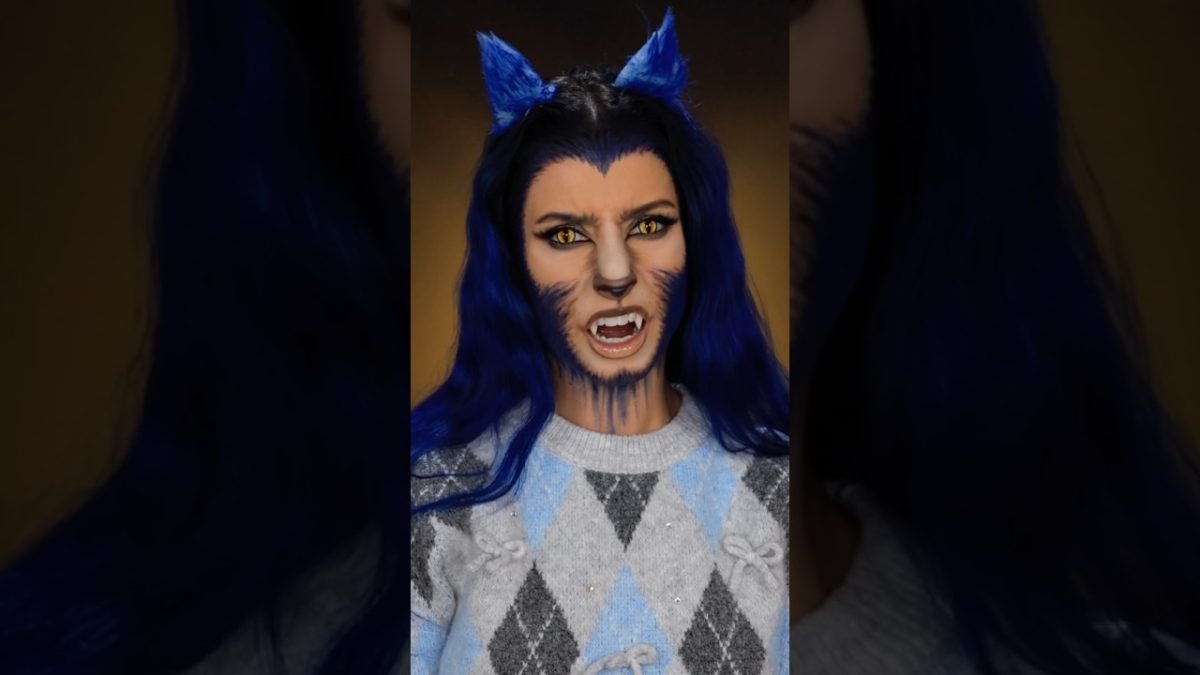
Crafting an authentic, predatory werewolf transformation does not require high-grade silicone prosthetics, stage adhesive, or hours of painstaking special effects work. With basic cosmetic staples—primarily neutral eyeshadow palettes, matte dark brown eyeliner, and a stiff angled brush—you can construct an impactful easy werewolf makeup look in under twenty minutes.
The entire illusion hinges on structural distortion rather than complex painting. By realigning the natural architecture of human cheekbones, brows, and the nasal bridge, simple cosmetic depth tricks the eye into perceiving animalistic anatomy. Understanding where to carve out dark shadows and build textured hair strokes allows anyone to achieve theatrical-grade dimension with minimal effort.
The Structural Illusion: Animal Contouring and Canine Framing
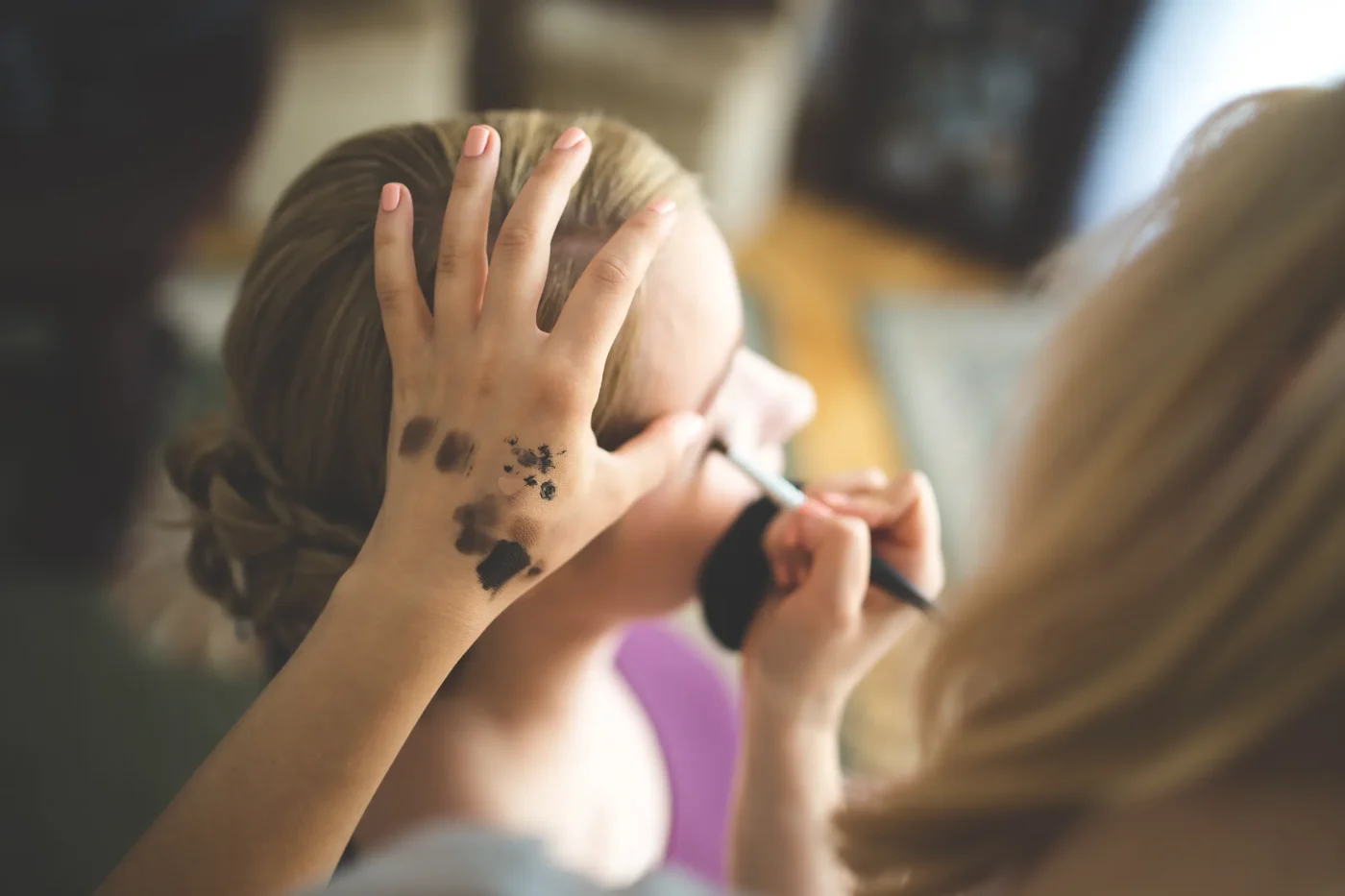
Human faces feature soft, rounded transitions, whereas lupine predators possess elongated snouts, sharp brow ridges, and deep-set ocular hollows. Achieving this aesthetic begins with structural contouring using deep taupe, warm espresso, and matte charcoal pigments. Applying these dark tones down the sides of the nose and connecting them directly into the inner head of the eyebrows instantly eliminates the human nasal taper.
Extending this shadow straight down toward the nostril flare creates the optical illusion of a prolonged snout. Deepening the hollows under the cheekbones and drawing harsh lines toward the corners of the mouth reinforces an aggressive, gaunt jawline that complements feral teeth or faux fangs.
Core Technique Breakdown
| Application Zone | Primary Focus |
|---|---|
| Nasal Bridge | Parallel dark contour lines connecting into inner brow corners |
| Forehead & Temples | Feathered vertical flick strokes simulating coarse wolf hair |
| Nose Tip | Matte black inverted triangle with connected philtrum line |
| Cheek Hollows | Sharp, angular downward shading toward jawline boundaries |
Step-by-Step Execution for Lasting Impact
Executing this transformation requires disciplined layer control. Working in progressive stages prevents pigments from muddying together while ensuring the final design resists sweat throughout a long evening.
- Foundation and Base Prep: Apply a standard skin-tone or slightly paler foundation base. Set the perimeter of the face lightly with translucent powder, leaving the central snout area tacky enough to grip cream or powder contour pigments.
- Sculpting the Snout: Using a dense blending brush, sweep a medium brown shade from the base of each inner eyebrow down the full length of the nose. Gradually build depth by packing a darker charcoal or espresso tone closer to the nasal bone edge.
- The Inverted Apex Nose: Outline an inverted rounded triangle at the tip of the nose using a smudge-proof black gel liner. Fill the shape completely, then drag a sharp black line down the vertical philtrum groove, terminating at the center of the upper lip.
- Feathering Faux Fur: Dip an angled brow brush into a mix of dark brown and black cream makeup. Using rapid, upward flicking motions, paint fine strokes across the bridge of the nose, between the eyes, along the jawline, and radiating outward from the temples.
- Aggressive Brow Styling: Comb your natural brow hairs upward using a clear styling wax or glue stick. Once dry, use a fine-tip mechanical brow pencil to extend the inner ends sharply downward and the outer tails sharply upward into jagged, feral peaks.
- Mouth and Snarl Accent: Coat the upper lip with opaque black lipstick, keeping the lower lip neutral or smudged with a crimson tint. Lightly sketch subtle wrinkle lines along the bridge of the nose to emulate a perpetual snarl.
Dispelling the Heavy Face Paint Myth
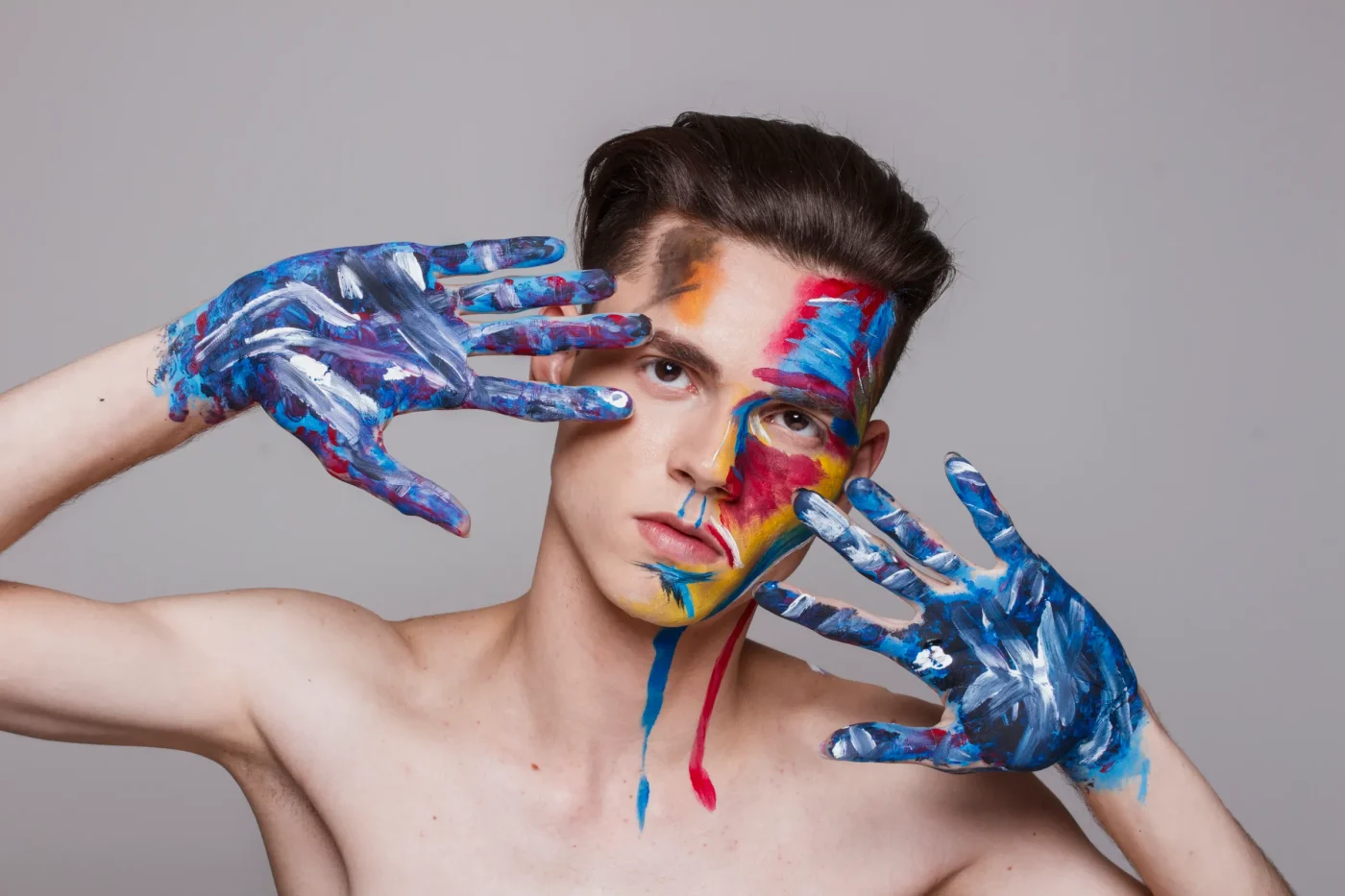
A widespread misconception across amateur Halloween styling is that transformative character makeup requires full-coverage, water-activated clown paints. In reality, thick greasepaints and water-based formulas often crack around dynamic facial zones like the mouth and forehead within two hours of movement.
Powder-based shading over targeted cream liners provides superior endurance, dynamic skin flex, and natural blending compared to thick blocks of stage paint.
Working primarily with standard beauty cosmetics—such as transfer-resistant gel liners and ultra-blendable contour palettes—yields a significantly more realistic animal texture. Powder-blended gradients simulate organic muscle shadow far better than stiff theatrical cakes ever could, while keeping your skin comfortable all night.
💡 Prep your skin thoroughly with an oil-control primer before applying any deep pigments to ensure your hair strokes remain razor-sharp.
🔍 Experiment with layering different shades of brown and gray to give your faux fur realistic multidimensional depth.
👇 Have you attempted this quick werewolf technique before? Share your favorite application tips and product choices below!