
How to Sew a Chic Bat Dress Costume With Elegant Wings and Stretch Crepe

 Costumes & Makeup
How to Sew a Chic Bat Dress Costume With Elegant Wings and Stretch Crepe
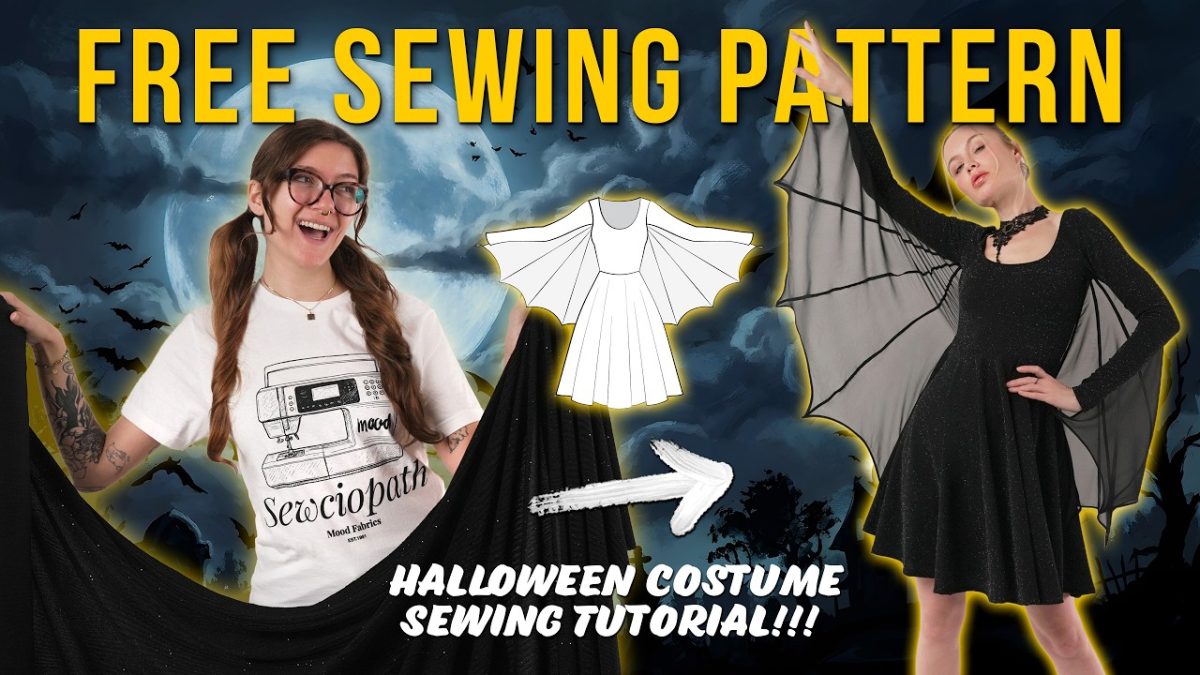
You can sew a bat dress costume that looks sleek, tailored, and sophisticated in size Small using three yards of metallic stretch crepe knit paired with flowing chiffon wings. Moving past cheap synthetic novelty costumes starts with combining structured knit fabrics with sheer draping textiles, transforming a playful Halloween concept into high-end DIY eveningwear.
Constructing this winged silhouette relies on balancing ease of movement against stable seam architecture. Because the winged sleeves attach directly along the side seams and underarms, understanding fabric tension and seam finishing prevents heavy pulls from distorting the garment during wear.
Essential Materials for a Dramatic Halloween Silhouette
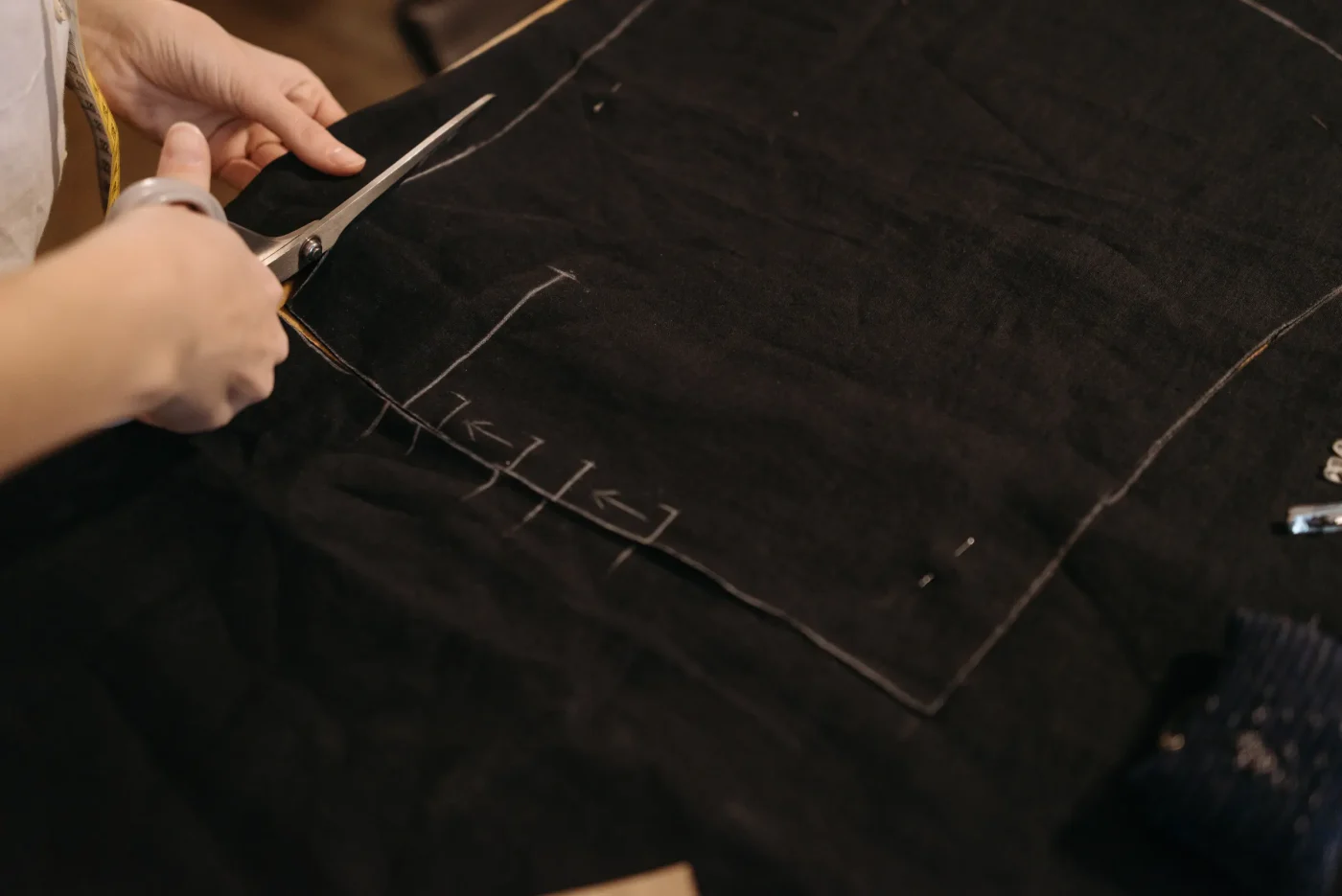
A polished result depends entirely on fabric pairing. The bodice and circle skirt require a stable knit with recovery, while the dramatic bat wings demand weightless, fluid drape to catch the air without dragging the shoulder seams down.
Using stretch polyester crepe knit provides both opacity and structural give for a form-fitting bodice. In contrast, polyester high-multi chiffon delivers the sheer, ethereal wing texture necessary to replicate bat silhouettes without adding bulk.
| Component | Recommended Material & Hardware |
|---|---|
| Bodice & Skirt | 3 yards Metallic Stretch Crepe Knit (or Velour/Spandex Knit), for size Small |
| Wing Panels | 3 yards Polyester High-Multi Chiffon, for size Small |
| Wrist Attachments | Dritz Black Beading Cord Elastic (5 yards) |
| Thread & Notions | Gütermann Sew-All Polyester Thread, Ballpoint Needle |
These fabric quantities are for size Small. For other sizes, follow the Vesper Winged Costume Dress pattern’s fabric requirements and the size-specific estimates in Mood Fabrics’ “SHOP THIS LOOK” box.
Working with lightweight sheer fabrics alongside medium-weight stretch knits requires matching thread tension precisely to prevent puckering along continuous side seams.
Advanced Seam Finishes: French Seams vs. Flat-Felled Seams
A common mistake when assembling DIY costumes is treating every seam with a standard straight stitch. Lightweight chiffon frays rapidly and will pull apart under dynamic movement unless you secure raw edges inside enclosed seams.
Chiffon wings benefit most from French seams. By sewing the panels first with wrong sides together, trimming the seam allowance closely, and stitching again with right sides together, all raw edges stay neatly encased. For the bodice stress points, flat-felled seams or enclosed overlock stitches ensure the stretch fabric handles physical strain without snapping threads.
Step-by-Step Construction Guide
- Cut the bodice and skirt panels: Measure your waistline and calculate your skirt radius using a circle skirt formula to cut an even hemline across your stretch knit yardage.
- Assemble the bat wings: Cut two large chiffon wing shapes featuring scalloped outer edges. Finish the scalloped hems using a tight rolled hem or narrow double-fold stitch to keep the curves fluid.
- Attach elastic wrist loops: Form small finger or wrist loops using black beading cord elastic, basting them securely at the wing tips so the fabric extends whenever you raise your arms.
- Join wings to the bodice: Sandwich the straight inner edge of the chiffon wings into the side seams of the dress, sewing from the underarm down toward the waistline.
- Set the circle skirt: Pin the skirt to the bodice waist opening, distributing stretch evenly, and stitch using a flexible stretch stitch to ensure the garment pulls comfortably over the hips.
Taking time to hem each scallop carefully keeps the edges crisp, ensuring the wings retain their aerodynamic structure when your arms spread wide.
Dialing in Fit and Elastic Anchors
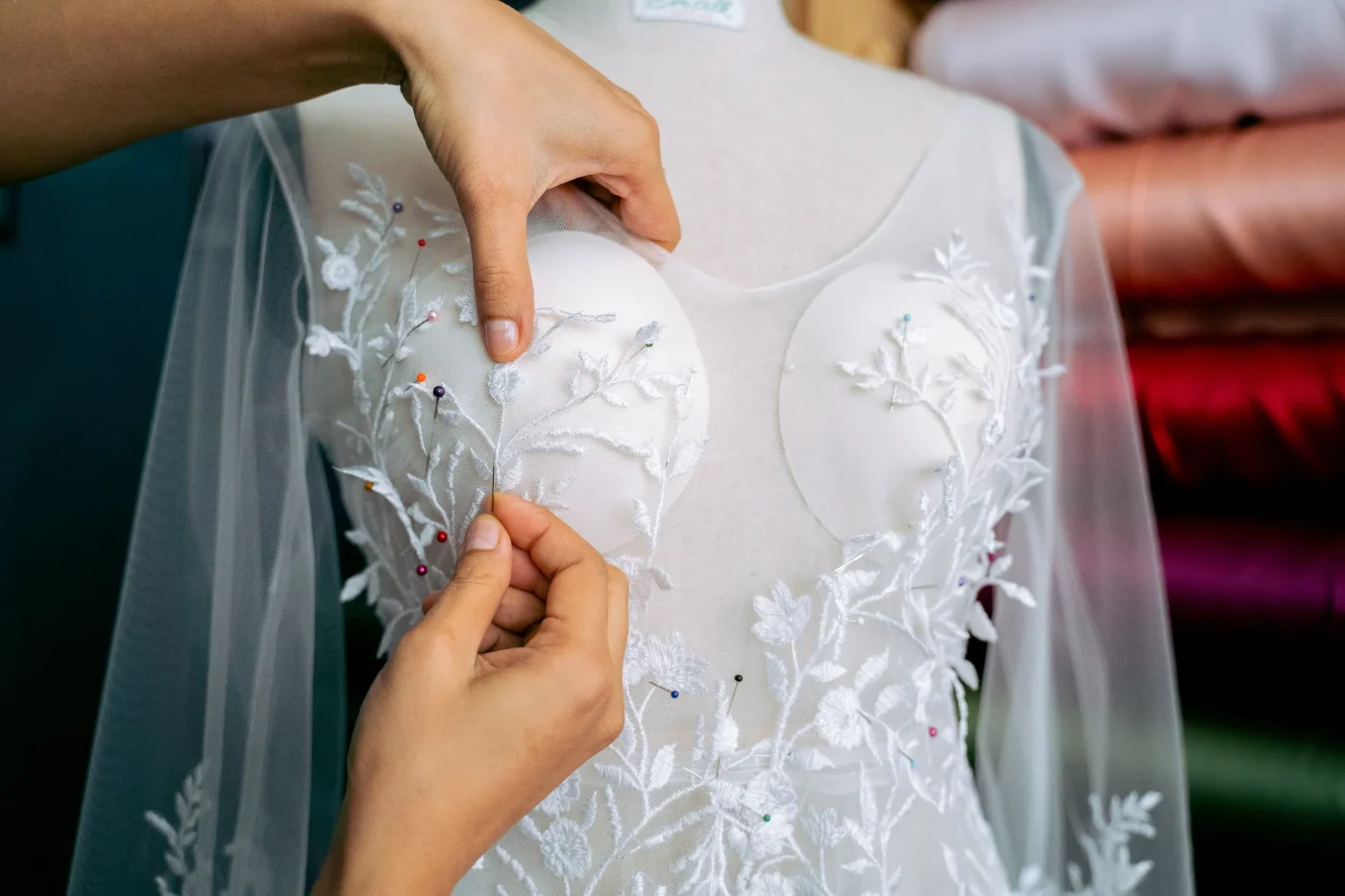
Because the sleeves rely on natural arm movement, wrist attachment placement determines whether the wings sit taut or bunch up awkwardly. Anchoring the thin cord elastic firmly inside the outer seam allows the fabric to glide smoothly across the hand without cutting off circulation.
If you prefer an alternate aesthetic, swap the metallic crepe for deep velour, matte spandex, or rich jacquard knits. The pattern architecture accommodates any medium-weight textile with at least moderate two-way stretch, giving you full creative control over the final presentation.
💡 Share your costume tailoring experiences with us in the conversation space below.
🔍 Have you tried incorporating French seams into sheer costume wings before?
👇 Leave your thoughts in the comments below and tell us which fabrics you plan to pair this season.