
Mastering the Horror Deer Look: The Secret to Realistic Halloween SFX

 Costumes & Makeup
Mastering the Horror Deer Look: The Secret to Realistic Halloween SFX
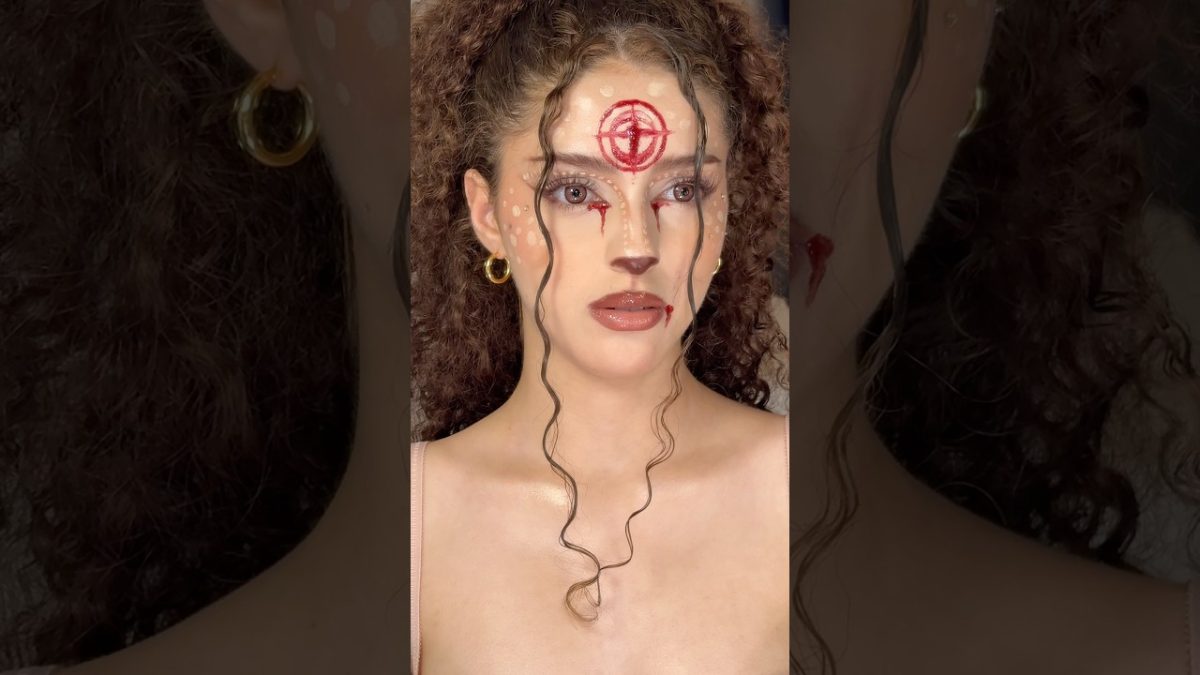
Creating a standout horror deer look requires balancing soft, natural contouring with controlled special effects to turn an innocent woodland creature into a haunting spectacle. Achieving this contrast relies on heavy earth-toned shading, crisp white pigment dots, and carefully placed theatrical blood that catches the light without running into your eyes. This approach delivers an unforgettable visual punch without demanding professional prosthetics.
The traditional deer concept has long been a staple for seasonal costume parties, but adding dark, cinematic horror elements completely reframes the aesthetic. Mastering the transition between warm animalistic features and jarring special effects requires understanding pigment layering, skin prep, and product safety.
Deconstructing the Dark Woodland Aesthetic
The foundation of any successful deer design starts with structural exaggeration. Natural human facial features must be reshaped using heavy bronzer, cream contour, and matte white pigments to emulate the bridge of a fawn’s nose and wide, reflective eyes.
Deep shading along the temples, the sides of the nose, and the hollows of the cheeks establishes the animalistic canvas. High-contrast white cream spots along the cheekbones and forehead break up the shadows, mimicking natural woodland camouflage.
Proper blending between the dark contouring powders and pure white accents determines whether the look appears photographic or muddy under indoor lighting.
Once the base is set, the transition to horror relies entirely on texture. Rather than spreading crimson paint across the face haphazardly, precision detailing around the jawline, neck, or simulated scratch marks creates a compelling narrative of survival against dark folklore beasts.
Step-by-Step Application for Long-Lasting Wear
Executing detailed Halloween makeup ideas demands a clean sequence to prevent cream products from smudging into powder layers.
- Skin Preparation: Wash thoroughly and apply an oil-free primer across the T-zone to lock down sweat and natural oils throughout the night.
- Structural Base: Apply your everyday foundation shade, then carve out the nose and forehead with an ultra-deep taupe or warm brown cream pigment.
- Animal Features: Paint the tip and nostrils of the nose with waterproof black gel eyeliner, extending a fine line down through the cupid’s bow and covering the upper lip entirely.
- The Fawn Accents: Using an angled detail brush or the back of a makeup brush, press opaque white cream paint onto the upper cheeks and forehead in varied, organic dot clusters.
- Setting the Canvas: Dust translucent setting powder over the entire face before moving to liquid or gel-based special effects.
- The Horror Elements: Stipple coagulated scab blood along the neck or brow bone using a textured sponge, finishing with a small amount of liquid stage blood for a fresh sheen.
This sequence guarantees that wet theatrical effects never compromise the structural face makeup underneath.
Essential Materials and Formula Breakdown

Selecting the right medium directly affects skin comfort and removal ease at the end of the evening. Choosing cosmetic-grade pigments over craft supplies protects the skin barrier from breakouts or contact dermatitis.
| Element | Recommended Formula |
|---|---|
| Deep Contour | Matte cream or pressed powder |
| Deer Nose & Lip | Waterproof gel or liquid eyeliner |
| White Fawn Spots | Water-activated face paint |
| Fresh Trauma Effects | Coagulated blood gel or syrup blood |
| Durability Finish | Alcohol-free barrier setting spray |
Dispelling the Craft Paint Myth
A widespread misconception is that acrylic paints or household liquid glues can serve as quick budget substitutes for professional body makeup. In reality, craft paints lack cosmetic safety testing, often leading to allergic reactions, chemical burns, or severe skin irritation around sensitive areas like the eyes.
Cosmetic-grade water-activated paints and skin-safe theatrical blood are formulated with FDA-compliant pigments designed to wash away cleanly with warm water and an oil cleanser. Investing in dedicated beauty tools ensures both intense color payoff and painless post-party removal.
💡 Prep your skin with a rich moisturizer several hours before starting heavy cream applications to minimize dry patches.
🔍 Keep a pack of micellar wipes nearby for crisp edges around the black nose and lip details.
📌 Share your favorite spooky costume creations and let us know what classic look you plan to twist this year.
👇 Leave your thoughts in the comments below and tell us your top tricks for making Halloween cosmetics last all night.