
The Secrets Behind Award-Winning Halloween Costumes That Turn Heads Every October

 Halloween Food & Parties
The Secrets Behind Award-Winning Halloween Costumes That Turn Heads Every October
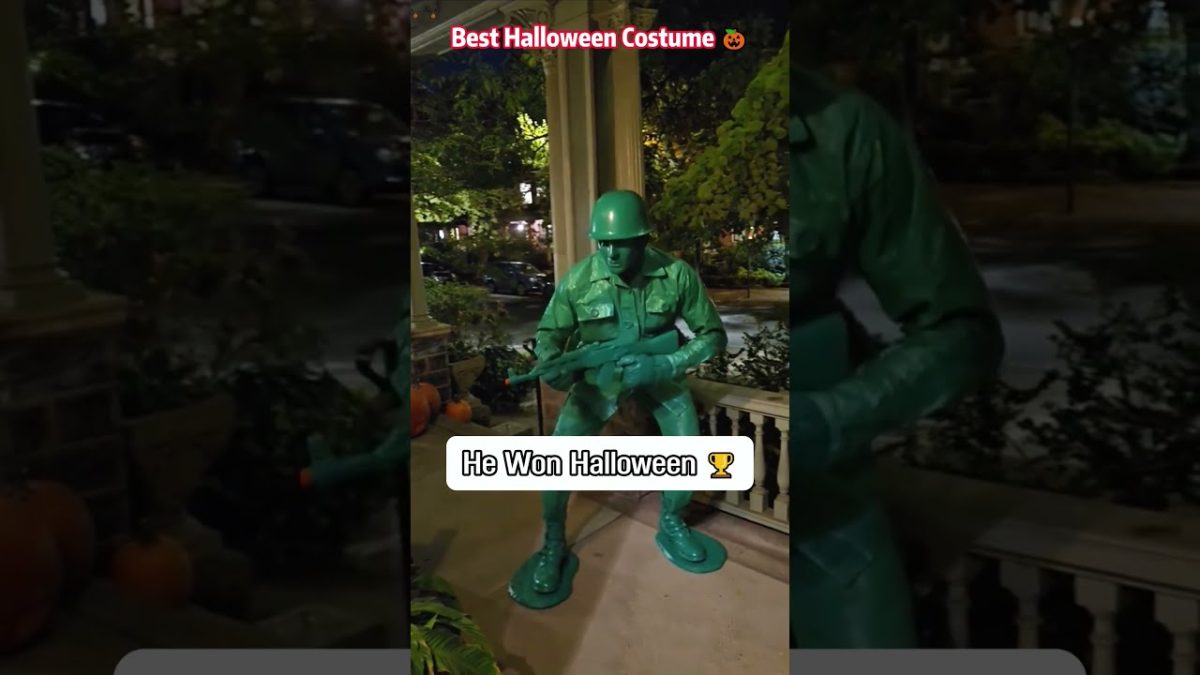
Award-winning Halloween costumes succeed through precise visual timing, witty concept execution, and recognizable cultural references rather than massive budgets. Moving away from off-the-rack synthetic outfits allows partygoers to craft genuinely funny and memorable disguises that spark immediate recognition in any crowded room.
The difference between an average disguise and an unforgettable one comes down to how quickly onlookers understand the punchline. When a concept takes more than three seconds to decode, the humor evaporates. Striking the balance between clever nuance and instant clarity is the foundation of high-impact costume design.
The Mechanics of Humorous and Clever Costume Design
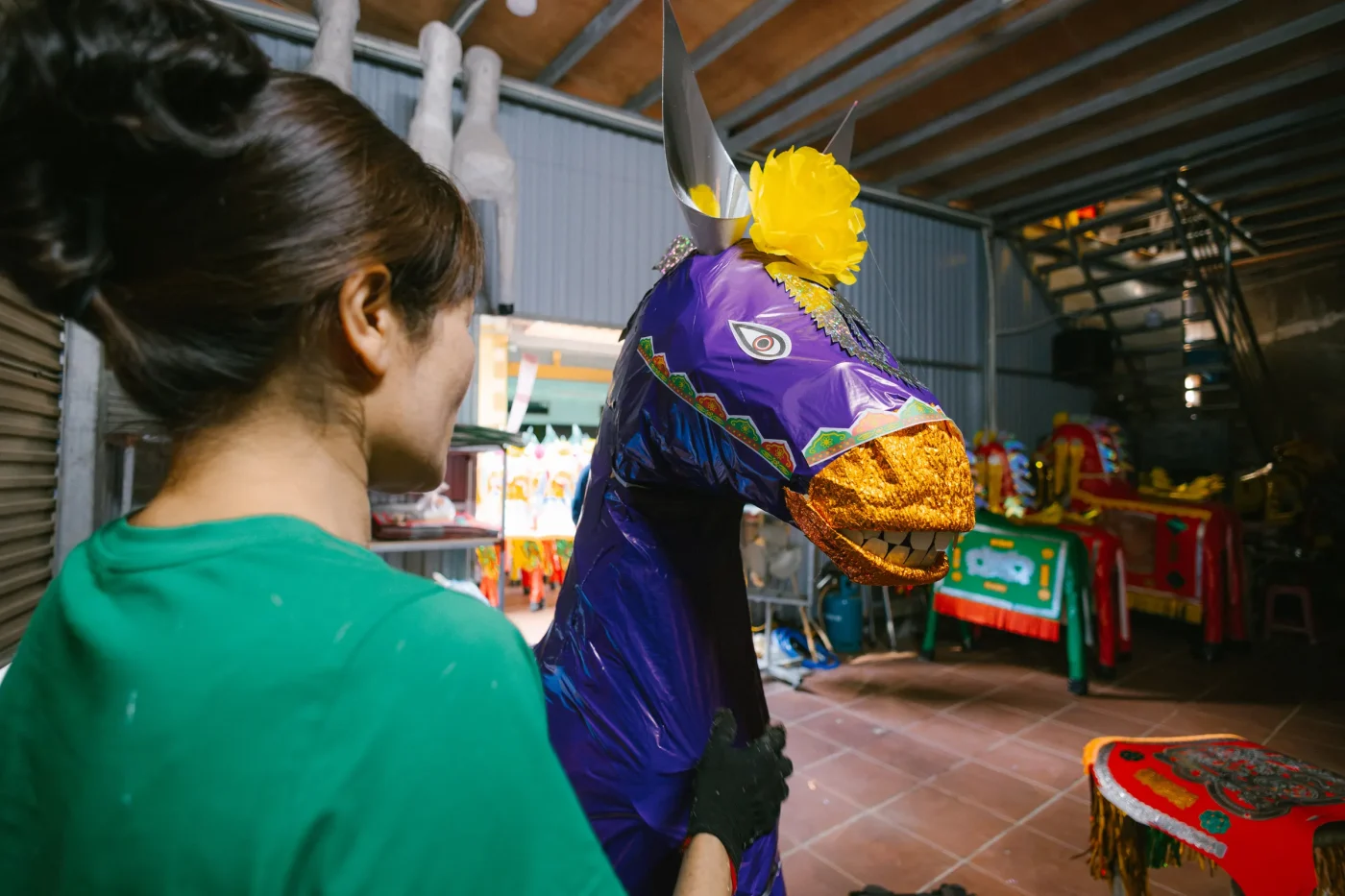
Most viral and crowd-pleasing outfits rely on three core categories: the literal visual pun, the hyper-specific cultural trope, and the unexpected inanimate object. Visual puns take well-known idioms or phrases and translate them into physical garments. A classic example involves affixing sponges across plain clothing to become “self-absorbed,” or carrying a ceiling fan pennant to play an enthusiastic “ceiling fan.”
Hyper-specific tropes work by turning relatable everyday frustrations into wearable satire. Dressing as an unsent email draft, an error notification popup, or a barista calling out a hilariously misspelled name taps into shared social experiences. These concepts cost almost nothing to assemble, relying on cardboard, markers, and printouts rather than bespoke tailoring.
The most memorable disguises work like an editorial cartoon: one glance delivers the setup, and the second glance delivers the punchline.
Inanimate objects turned human-scale offer another reliable route to laughter. Transforming into a vending machine, a scented candle, or a supermarket receipt generates comedy purely through absurd juxtaposition. The sheer disproportion of everyday household items built around a walking human creates instant amusement before words are exchanged.
Balancing Comfort With Visual Impact
A brilliant costume concept fails if the wearer abandons it after an hour due to restricted movement or overheating. Functional designs prioritize mobility, breathability, and clear vision throughout the night. If an outfit prevents someone from sitting in a car or holding a beverage, its practical lifespan is severely limited.
According to consumer guidance from the U.S. Consumer Product Safety Commission (CPSC), safety should anchor every build. Flame-resistant fabrics, non-toxic face paints, and non-restrictive headgear remain essential standards, especially when working with hot glue, synthetic batting, or repurposed plastic containers.
Myth vs. Reality in DIY Costume Building
A widespread misconception assumes that high-ranking contest entries require professional makeup skills or specialized sewing expertise. In reality, structural ingenuity and clear lettering regularly defeat intricate fabric work during live party judging.
Judges and fellow revelers respond to novelty and wit far more than technical stitch precision. A rough cardboard frame labeled with bold, clean type often garners more photo requests than a costly replica of a movie superhero suit. The charm lives in the audacity of the idea.
| Design Strategy | Key Advantage |
|---|---|
| Visual Pun | Instant recognition with minimal construction effort |
| Everyday Object | High comedic value through scale distortion |
| Pop Culture Trope | Strong conversational appeal across social groups |
| Interactive Element | Encourages direct crowd participation and voting support |
A Four-Step Blueprint for Engineering High-Impact Outfits
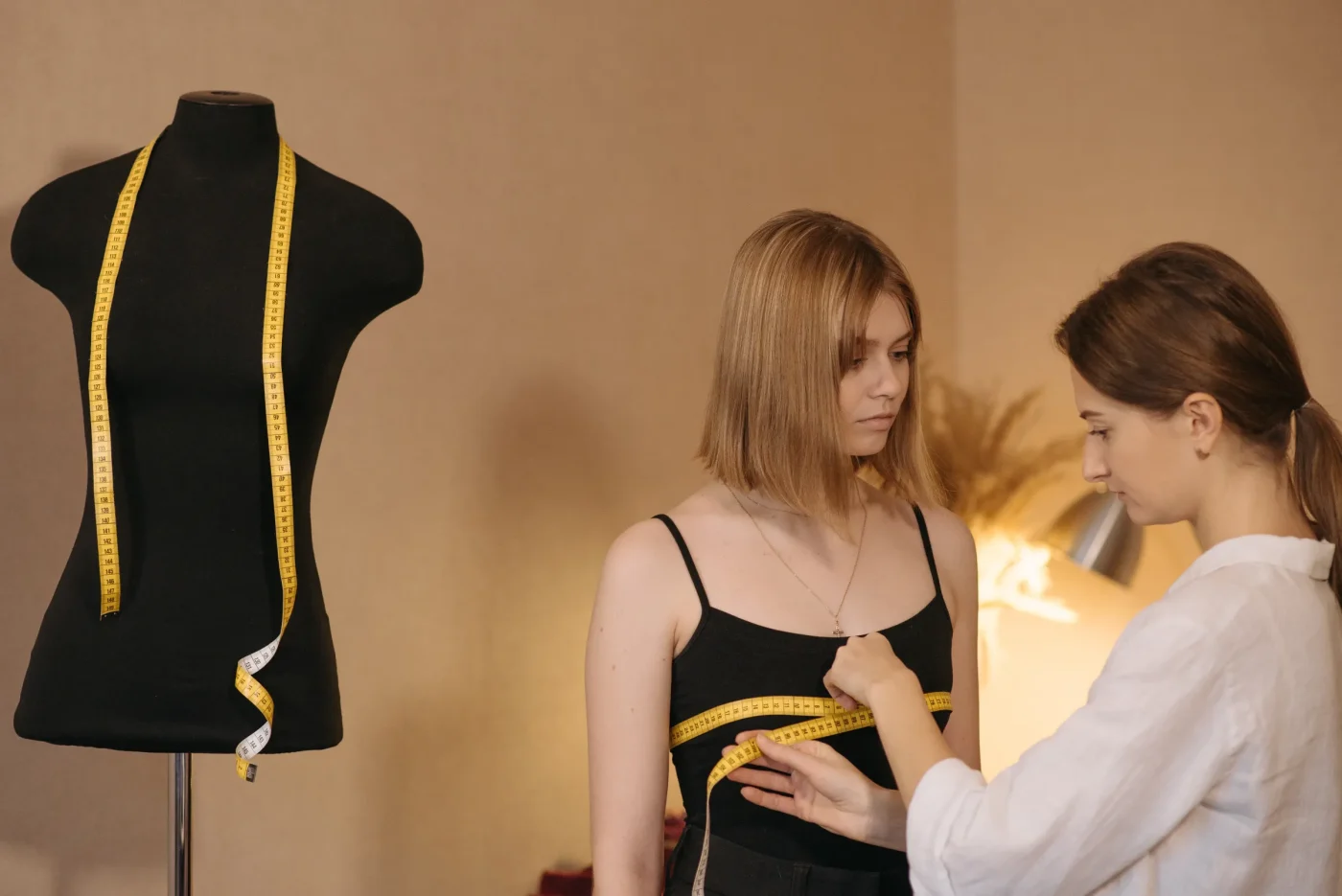
Transforming a funny concept into a wearable, structurally sound reality requires systematic execution. Following a direct construction plan prevents last-minute stress on October 31.
- Isolate a single phrase or visual paradox: Choose one distinct concept rather than attempting to mash several jokes into a single garment.
- Audit existing household wardrobe pieces: Use standard neutral clothing as the base anchor, avoiding the unnecessary expense of buying single-use foundational garments.
- Construct lightweight structural elements: Rely on corrugated cardboard, foam board, and adhesive hook-and-loop fasteners to maintain shape without adding excessive weight.
- Test movement and field of view: Walk through doorways, practice sitting down, and ensure peripheral vision remains clear before heading out to an event.
Smart designers also incorporate interactive components, such as peel-off sticky notes, dry-erase speech bubbles, or functional dispensers. Giving observers something physical to do transforms passive spectators into enthusiastic supporters during costume contests.
💡 Focus on a clear punchline that anyone can read across a crowded room.
🔍 Test your base materials early to ensure durability, comfort, and easy mobility.
👇 What is the most creative disguise you have ever seen at a Halloween party? Share your favorite concepts below.