
85% of Shoppers Turn to Thrift Stores: How to Build a 70s Groovy Costume with Bell Bottoms

 Costumes & Makeup
Assembling a classic 1970s aesthetic requires little more than flared trousers and authentic thrift-store gems.
A staggering 85% of Halloween costume shoppers plan to incorporate thrifted finds or DIY elements into their looks this season, with overall holiday spending reaching a record $13.5 billion. Costumes alone account for $4.4 billion of that nationwide total, averaging roughly $115 per person according to data from the National Retail Federation. For anyone looking to bypass mass-produced polyester bags and stand out at an October gathering, piecing together a thrifted 70s groovy costume anchored by flared pants offers the ultimate balance of individuality and financial savvy.
Thrifting has transitioned from an alternative bargain hunt into the primary method for costume creation. Fully 60% of shoppers now assemble their outfits rather than buying pre-packaged sets off commercial retail shelves. Over half of consumers head directly to second-hand rails specifically to cut costs, while 44% prioritize securing one-of-a-kind vintage items that mass-market party stores simply cannot replicate.
The iconic silhouettes of the 1970s deliver high visual impact with minimal complexity, making them a perennial favorite on the vintage circuit. Finding that standout flare is only the beginning of crafting a truly memorable retro ensemble.
The Anatomy of an Authentic 1970s Silhouette
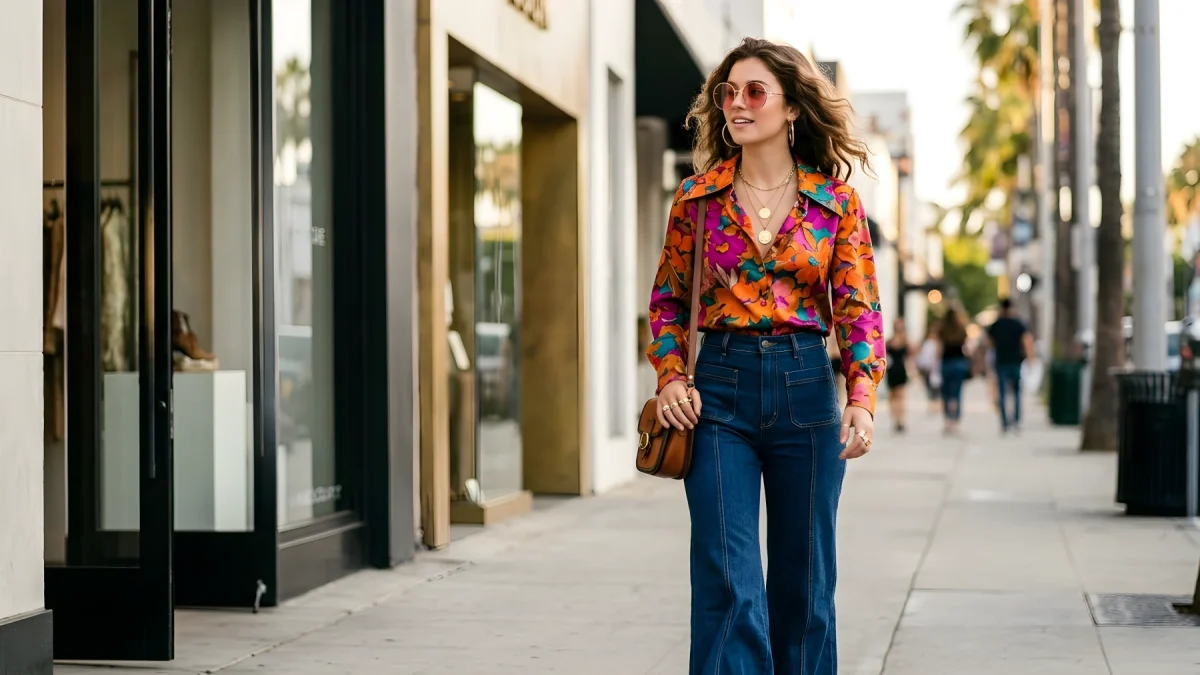
A convincing 1970s aesthetic demands strict attention to proportion. The defining garment remains the wide flare, whether crafted from stiff raw denim, textured corduroy, or stretchy synthetic knits. Bell bottoms visually balance an outfit by widening dramatically from the knee down, which dictates that tops must stay relatively fitted or neatly tucked to maintain the decade’s signature proportions.
Second-hand racks regularly yield genuine retro garments alongside modern flare revivals. Pairing exaggerated trousers with a sparkly orange tank top, a psychedelic floral blouse, or an oversized dagger-collar button-up creates an immediate visual connection to the disco or counterculture movements. Layering on a matching wig or round tinted glasses seals the look instantly.
Authentic retro styling relies entirely on contrast: wide-leg trousers need structured, fitted tops to balance the exaggerated flare of the hem.
Busting the Single-Use Costume Myth
A pervasive misconception suggests that holiday costumes inevitably end up discarded on November 1. Modern shopping patterns demonstrate the opposite reality: 71% of surveyed consumers seek out pieces that can be reused, re-worn, or repurposed long after the party concludes.
A classic pair of denim flares or a patterned button-down thrifted for an evening party naturally integrates into daily casual wardrobes. Unlike flimsy packaged costumes made from unbreathable synthetic mesh, second-hand everyday apparel offers functional durability that outlasts a single night of festivities.
How to Thrift and Style Your Groovy Look Step by Step
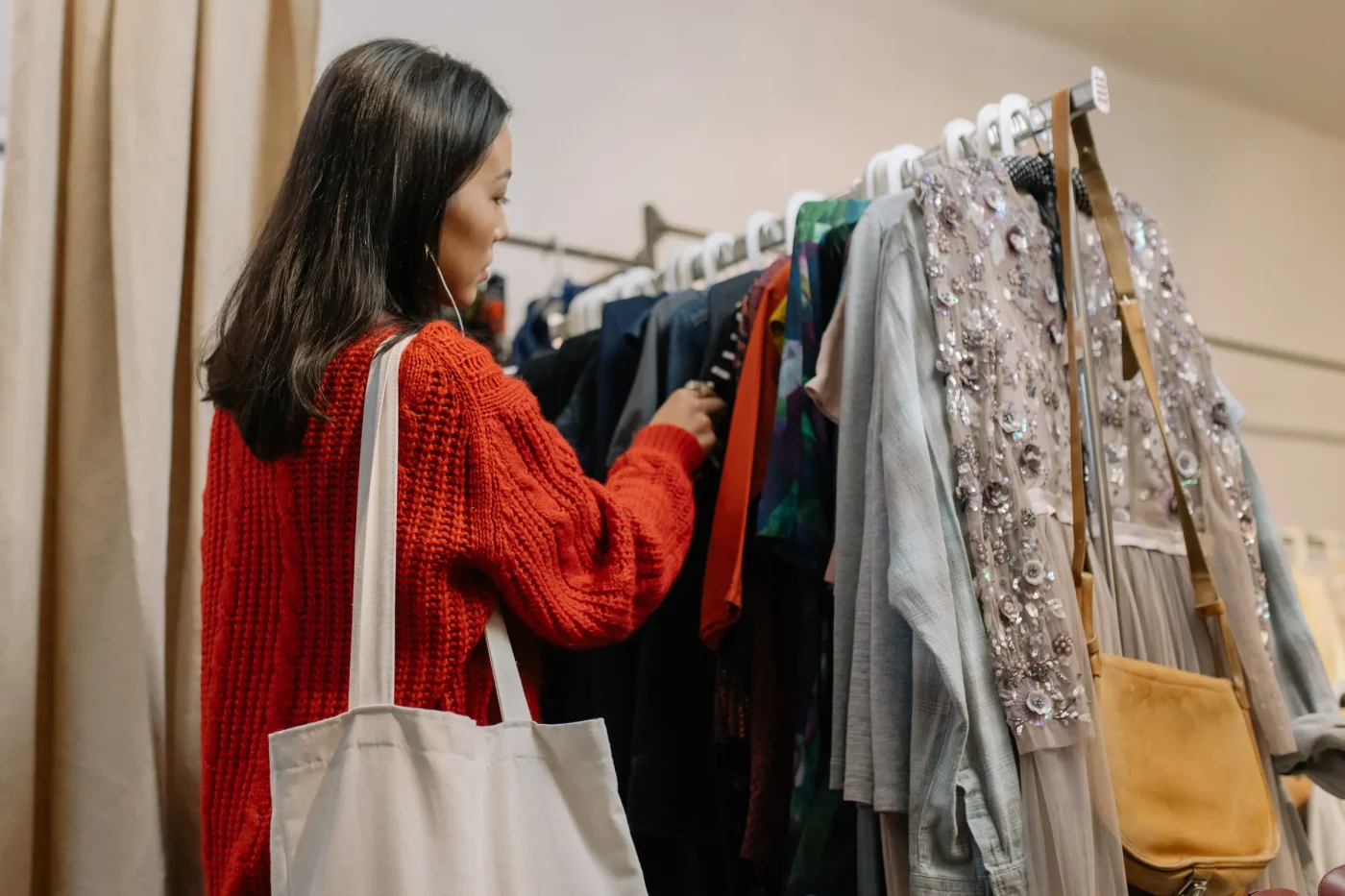
Navigating crowded thrift racks requires a focused strategy, especially since 49% of shoppers begin their seasonal costume hunting in September or even earlier. Implementing a structured approach ensures you unearth high-grade retro pieces without feeling overwhelmed by inventory turnover.
- Hunt the Trouser Aisles First: Check both modern denim sections and vintage trouser racks for distinct flares, bootcuts, or high-waisted corduroy pants.
- Select a Vibrant Anchor Top: Target metallic finishes, bold paisley patterns, or earth-toned crochet knits that tuck cleanly into the waistband.
- Layer with Functional Accessories: Add wide faux-leather belts, beaded jewelry, oversized sunglasses, or platform shoes to reinforce the period look.
- Enlist Creative In-Store Tools: Many retail locations offer costume helpers or digital apps like Summon the Tailor, which suggest cohesive outfit pairings based on individual rack items you photograph.
- Complete the Ensemble with Hair and Accents: Finish the aesthetic with a feathered wig, an afro, or a simple center-part hairstyle complemented by subtle vintage accessories.
Thrifted Assembly vs. Packaged Retail Costumes
Choosing between building a custom outfit and picking up a standard costume bag involves clear trade-offs in durability, uniqueness, and long-term utility.
| Factor | Thrifted 1970s Outfit |
|---|---|
| Garment Quality | Real everyday fabric that withstands regular laundering |
| Uniqueness | Completely original; 44% of shoppers cite unique finds as primary motive |
| Post-Holiday Utility | 71% of shoppers repurpose separate pieces into daily wardrobes |
| Financial Approach | 53% shop second-hand specifically to curb high seasonal costs |
Closing the Sustainable Fashion Loop
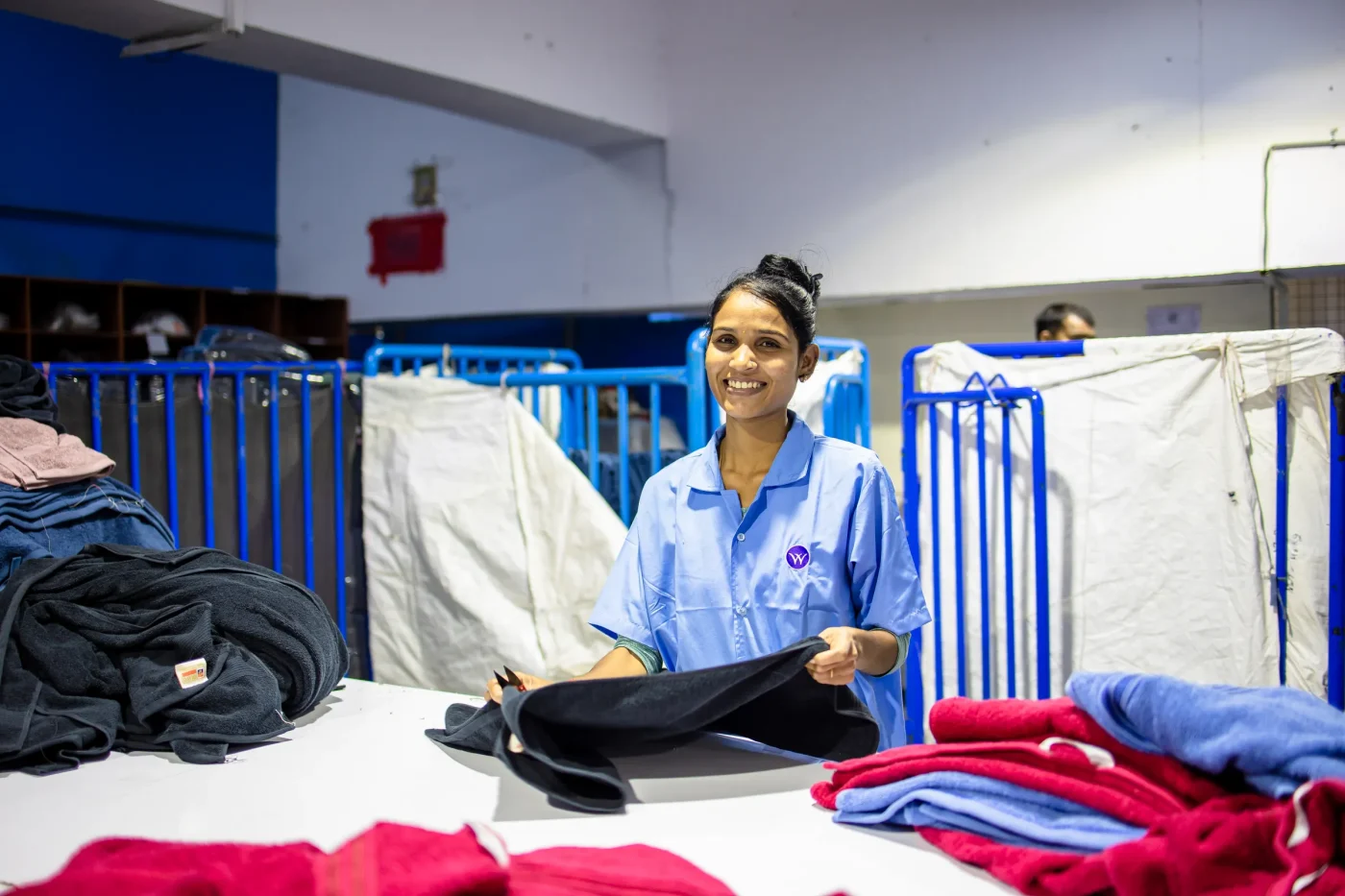
Crafting a DIY costume also serves the broader circular economy. Every piece purchased at local charitable thrift centers supports community initiatives, including free job training, high school diploma completion, and local heating assistance programs during cold weather seasons.
Once the celebration ends, returning gently used items back to donation centers keeps garments circulating for future holiday seasons. This sustainable cycle prevents reusable clothing from ending up in landfills while directly assisting neighborhood outreach programs.
💡 What classic vintage look are you hunting for on the thrift racks this year?
🔍 Share your favorite retro styling tips and second-hand scores in the comments below.
📌 Follow our consumer style guides for more practical wardrobe transformations that protect your budget.