
DIY NeeDoh Cube Costume Guide: Recreate the Trending Squishy Sensation for Halloween

 Costumes & Makeup
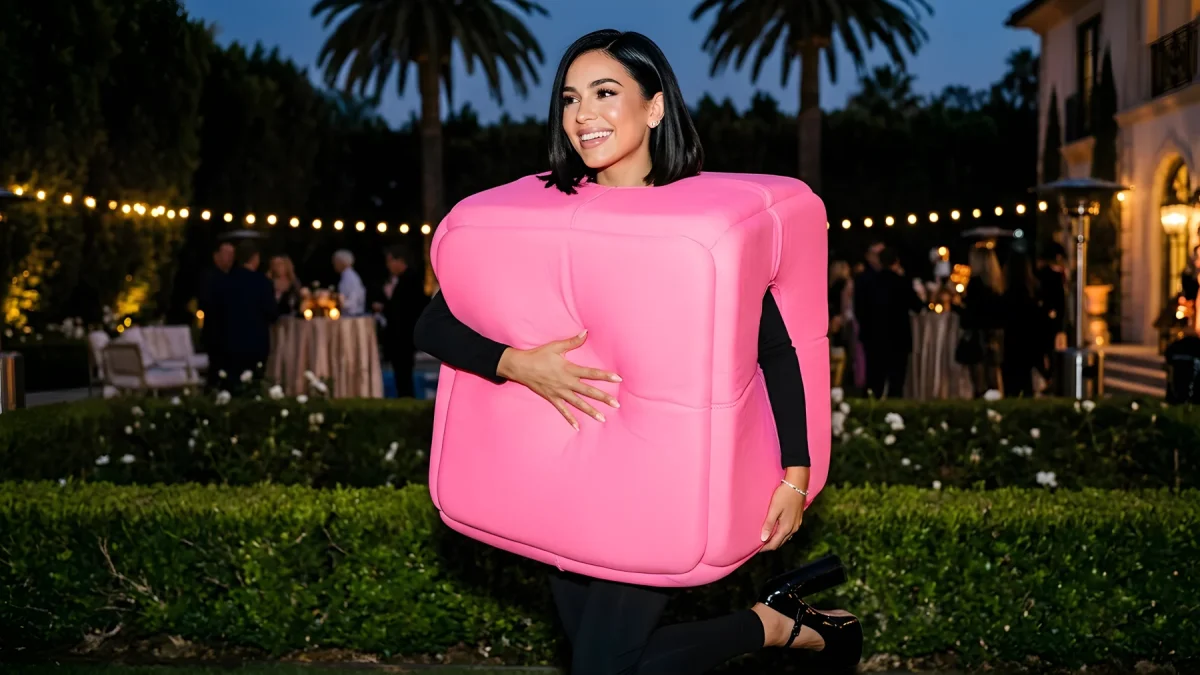
Crafting a squishy NeeDoh cube costume brings the viral sensory toy to life for Halloween.
Google’s official Frightgeist rankings reveal that NeeDoh has surged to the very top of search trends, holding the number two overall costume spot in the United States. Unlike traditional franchise characters with ready-to-wear store sets, this tactile sensation requires a handmade approach to recreate its signature geometric, malleable look.
The viral demand highlights a major shift toward sensory, playful aesthetics over standard store-bought jumpsuits. Crafting a standout DIY NeeDoh costume centers on capturing that recognizable rounded-cube silhouette while maintaining mobility, breathability, and structure throughout a busy night out.
Deconstructing the NeeDoh Squishy Cube Aesthetic
A true NeeDoh cube is defined by soft, pillowy edges, a matte or translucent finish, and a vibrant color palette spanning neon pink, electric blue, lime green, and sunny yellow. The challenge in wearable fabrication is creating a boxy profile that looks squishy without actually weighing down the wearer.
Rigid cardboard boxes often fail because they produce razor-sharp edges and an uncomfortable, stiff shell. Instead, lightweight upholstery foam, flexible boning, and spandex blends allow the cube to maintain its volumetric shape while visibly compressing and bouncing back as you walk.
Proper costume framing balances internal structural memory with external flexibility, preventing accidental collapse during movement.
Understanding this balance makes the construction straightforward, whether you want an exaggerated, oversized build or a sleek, wearable geometric vest.
Step-by-Step Build: Engineering the Wearable Squish
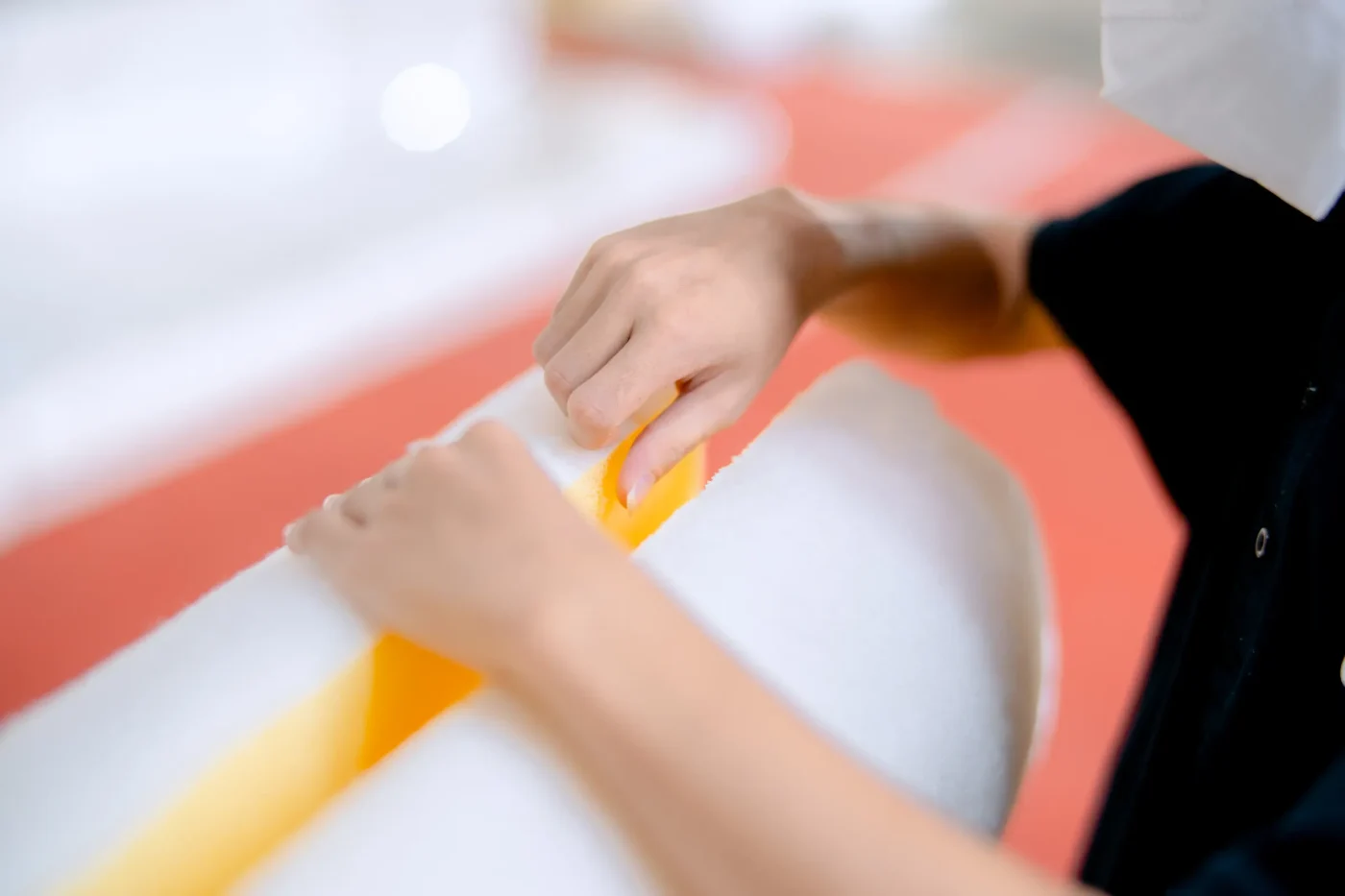
Creating the cube requires a reliable lightweight framework that supports high-stretch outer fabric. Follow these functional steps to assemble the piece:
- Form the inner structure: Cut flexible 1-inch to 2-inch high-density upholstery foam into six equal square faces, omitting the bottom face or trimming leg and arm openings.
- Bevel the corners: Shave down the hard edges using an electric carving knife or craft scissors to create rounded, organic corners typical of the squishy toy.
- Secure wearable harness points: Fasten wide nylon webbing shoulder straps to the interior top corners to distribute the costume weight comfortably across your torso.
- Wrap in stretch spandex: Stretch a vibrant, four-way stretch spandex or scuba knit fabric over the exterior foam structure, securing the seams with heavy-duty fabric adhesive or blind stitches.
- Add interior puff batting: Slide light polyester fiberfill between the foam and the outer fabric skin to provide that pillowy, dough-filled depth without adding heft.
- Apply minimal branding: Stencil the subtle, rounded typography or cheerful character face near the upper center using flexible matte heat-transfer vinyl.
Once the primary torso shell is assembled, ensuring comfortable movement becomes the priority for any party or street setting.
Commercial Pick vs. DIY Build: What Works Best?
While licensed outfits simplify character cosplay, novelty sensory concepts rely almost exclusively on custom fabrication. Evaluating current trending costume options illustrates the structural differences.
| Costume Concept | Build Method & Structural Reality |
|---|---|
| NeeDoh Squishy Cube | Custom DIY required; uses high-density foam, fiberfill, and high-stretch spandex skin. |
| Standard Licensed Character | Direct retail purchase; relies on pre-printed polyester jumpsuits and plastic half-masks. |
| Wig-Anchored Celebrity | Semi-DIY assembly; pairs commercial wigs with personal vintage or modern wardrobe pieces. |
Choosing the handmade approach delivers an unmistakable visual punch that standard off-the-rack garments cannot match.
Busting the Cardboard Box Myth
A frequent mistake in geometric costume making is relying on corrugated packing boxes covered in spray paint. Cardboard crinkles easily upon contact, cannot flex when navigating tight doorways, and lacks the tactile softness that defines the sensory toy. Utilizing foam core wrapped in batting and spandex yields an authentic, touchable look while remaining completely resilient to bumps in crowded spaces.
Styling the Rest of the Outfit

Because the cube torso takes center stage, the rest of the outfit should function as a neutral, cohesive base. Pair the foam block with color-matched leggings, compression sleeves, or solid monochromatic thermals that blend directly into the chosen hue.
Footwear should remain comfortable and minimal. Clean retro sneakers in a matching colorway or deep neutral tones prevent visual clutter and keep all focus firmly on the vibrant, squishy centerpiece.
💡 Crafting an oversized foam costume requires patience, but the unique finished look stands out in any crowd.
🔍 Selecting flexible upholstery foam over rigid paperboard ensures your squishy silhouette bounces right back throughout the night.
👇 Share your DIY costume plans and styling ideas in the comments below!