
How to Host a Non Chocolate Halloween Candy Tasting Party With a Mystery Flavor Round

 Halloween Food & Parties
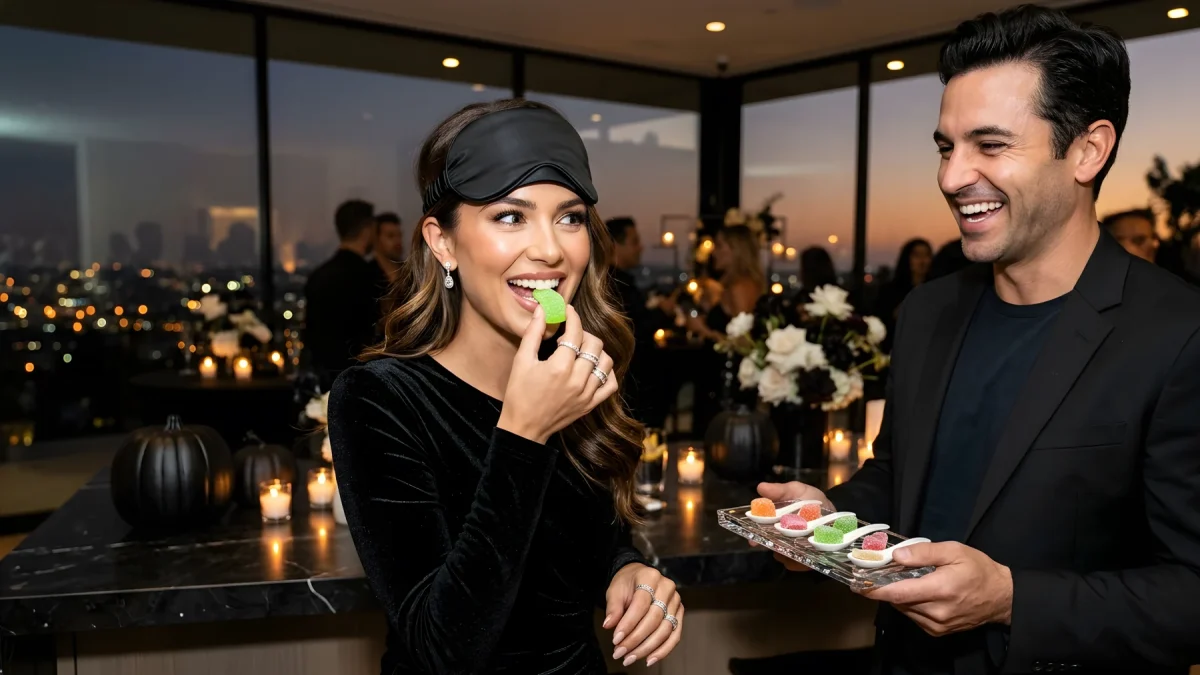
Organizing a non chocolate tasting board creates a vibrant, sensory party centerpiece.
A structured **non chocolate Halloween candy tasting party** with a blind mystery flavor round delivers a sensory social game that breaks away from typical seasonal sweets. By curating fruit chews, sour gummies, and hard confections into distinct flights, hosts challenge guests to evaluate texture, aroma, and acidity before facing unlabelled wild-card samples.
Halloween celebrations frequently center on chocolate variety packs, yet fruity, chewy, and sour confections offer broader sensory range for interactive events. Designing an intentional tasting progression prevents palate fatigue while introducing competitive deduction to the gathering.
Curating the Tasting Lineup Across Confectionery Categories
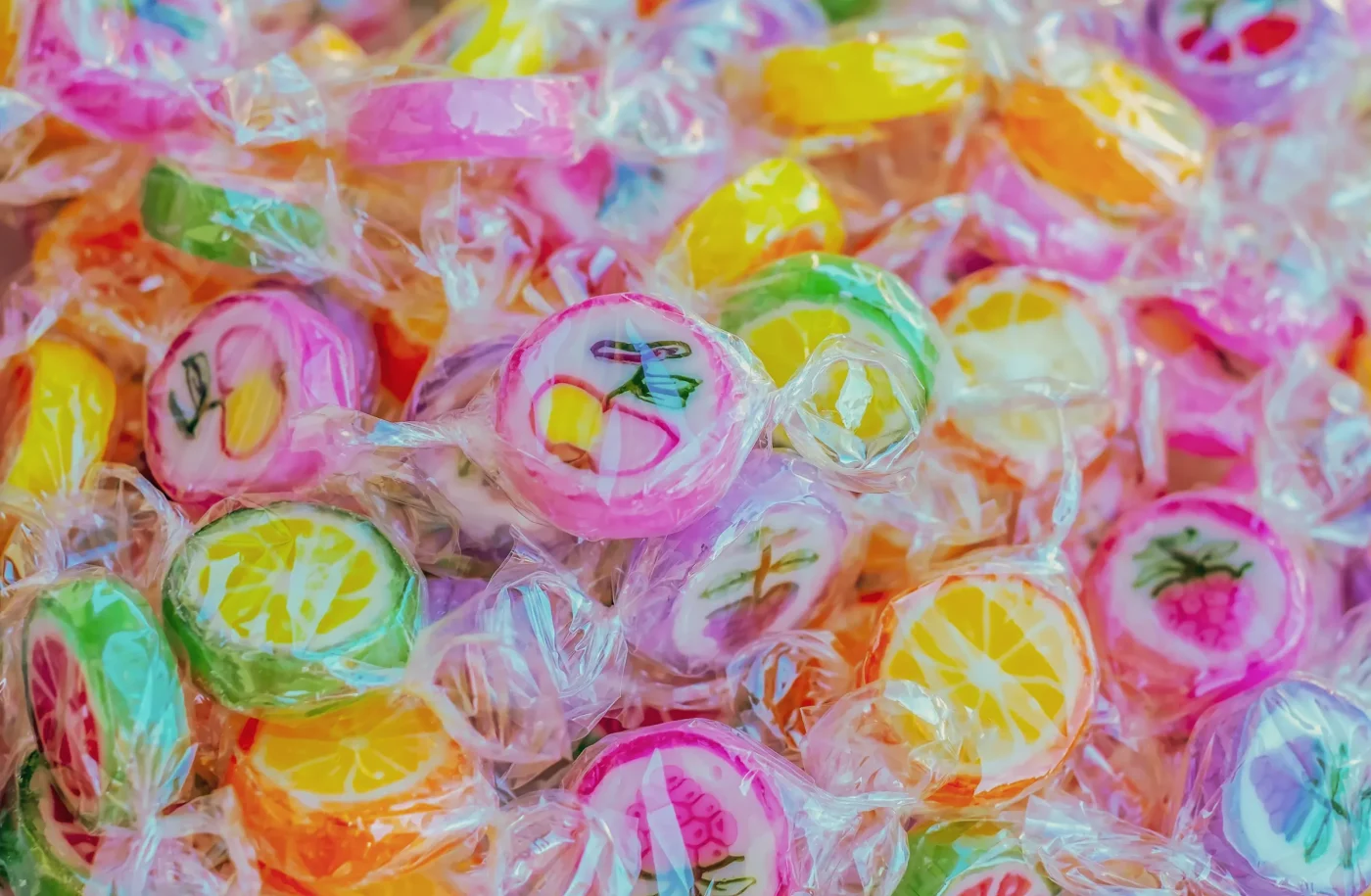
A balanced candy tasting requires contrast. Setting out identical fruit candies leads to sensory overload within minutes. Organizing selections into defined categories keeps guest palates sharp across multiple flights.
Begin with classic sugar-pulled candies and traditional pectin chews, advance through intense sour profiles, and conclude with dense jellies or hard-boiled varieties.
- Gummies and Jellies: Bear shapes, gelatin worms, and starch-molded fruit shapes that emphasize bounce and subtle sweetness.
- Sour and Acid-Coated Chews: Confections dusted with citric, malic, or fumaric acids to test sensitivity to sourness.
- Hard and Pressed Dextrose Candies: Chalky wafers, seasonal sugar drops, and long-lasting hard candies that melt slowly.
- Chewy Taffies and Fruit Bites: High-density textures requiring prolonged chewing that release layered flavorings.
This categoric flow ensures lighter, single-note sweets prepare the palate for acidic and complex formulas later in the evening.
A common mistake in practice is serving intensely sour or cinnamon-spiced candies first, which numbs taste buds before delicate fruit notes can register.
The Mechanics of the Blind Mystery Flavor Round
The mystery flavor round serves as the centerpiece of the event. Rather than relying on familiar supermarket staples, this round uses unlabelled samples to test raw deduction.
Prepare identical numbered tasting dishes marked only with letters or numerals. Remove all packaging beforehand in a separate room to avoid accidental reveals of visual cues.
- Obscure Visual Indicators: Cut uniform squares or select white, clear, or artificially single-hued candies that lack obvious color-to-flavor hints.
- Standardize Portion Sizes: Ensure every guest receives the exact same bite-sized portion to equalize the flavor release.
- Implement Silent Scoring: Prevent vocal guesses from skewing opinions by requiring players to log observations on paper before discussion.
- The Big Reveal: Announce the real profile only after every player has locked in their guesses for sweetness, base notes, and specific food identity.
A popular format contrasts artificial profiles against authentic fruit extracts. Guests often struggle to separate visual expectations from actual taste when red candies taste like blue raspberry, or clear jellies feature spiced autumn profiles.
Designing Mobile-Friendly Tasting Scorecards
Paper scorecards give structure to each flight. Instead of simple ratings, prompt guests to break down what they experience into objective components.
Evaluate chew resistance, upfront tartness, peak sweetness, and lingering finish. Assigning point values for correctly guessing mystery profiles adds a natural game dynamic to the party.
| Tasting Stage | Evaluation Focus |
|---|---|
| Visual & Aroma | Color accuracy, surface texture, initial scent intensity |
| First Bite & Texture | Gelatin bounce, chew resistance, surface powder dissolution |
| Palate Development | Acid delivery (citric vs. malic), sustained sweetness |
| Finish | Aftertaste duration, artificial residue, accurate flavor guess |
Palate Cleansers and Texture Reset Strategies
Non-chocolate candies rely heavily on granulated sucrose, corn syrup, and food acids. Without active palate management, tasters experience flavor exhaustion halfway through the lineup.
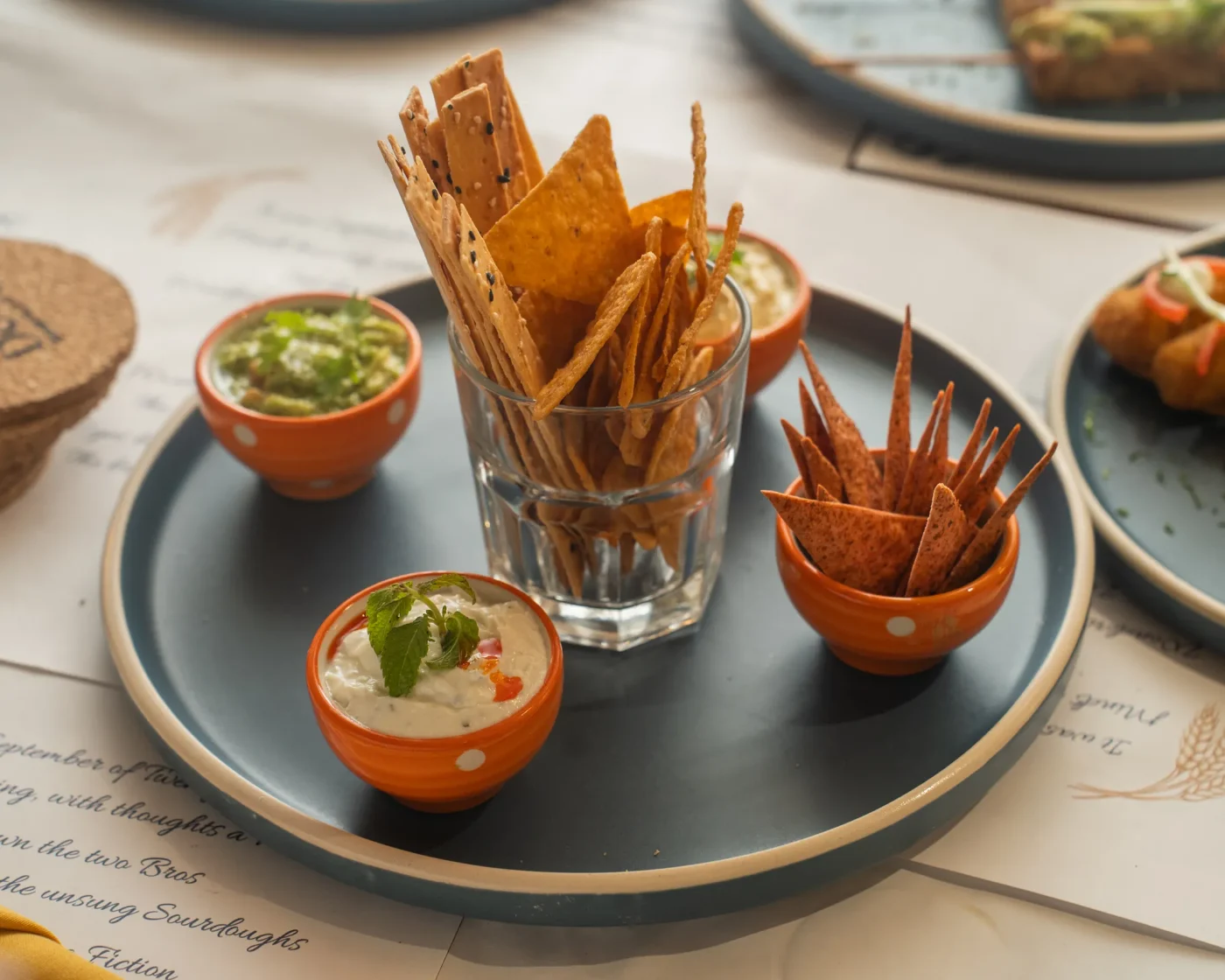
Sparkling water provides carbonation that scrubs gelatin coatings and sugars from the tongue. Plain, unsalted soda crackers or sliced crisp green apples reset acidity perception between sour drops.
Keep liquids unsweetened and room temperature to avoid dulling taste receptors with excessive chill.
💡 Plan small tasting portions so guests can complete every round without sugar burnout.
🔍 Keep ingredient lists nearby to verify allergens like gelatin or specific food colorings.
📌 Prepare your scorecards early to keep the mystery round seamless and competitive.
👇 Share your favorite non-chocolate party candy combinations in the comments below.