
How to Watch Every Halloween Movie in Order Across All Timelines

 Halloween Ideas & Trends
How to Watch Every Halloween Movie in Order Across All Timelines
When John Carpenter’s low-budget horror film Halloween debuted in a Kansas City theater on October 25, 1978, nobody anticipated it would reshape cinema. Produced for roughly $300,000, it earned $47 million worldwide and became the most successful independent movie of its era.
The film introduced two permanent pop-culture figures: masked killer Michael Myers and defining final girl Laurie Strode, played by a 19-year-old Jamie Lee Curtis. Curtis received $8,000 for the breakout role, which launched her career and eventually sparked 12 additional franchise installments spanning over four decades.
Navigating the slasher series today is famously complex. Across 13 films, Michael Myers exists in several conflicting timelines, alongside standalone entries and total reboots.
Every Halloween Movie in Order of Release
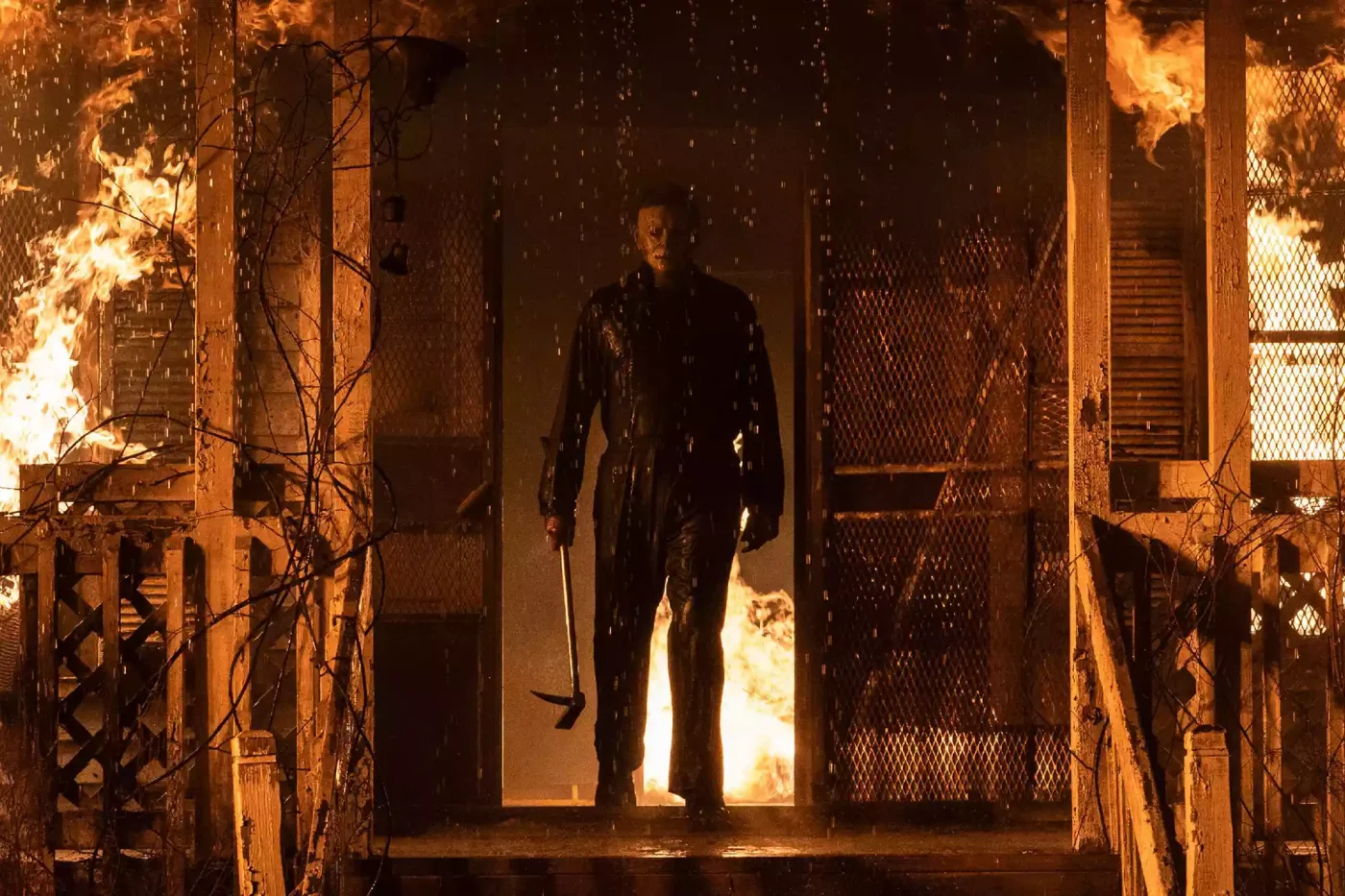
James Jude Courtney as Michael Myers in Halloween Kills
For purists who want to watch the franchise evolve as audiences did in theaters, viewing by release date offers the direct path:
- Halloween (1978)
- Halloween II (1981)
- Halloween III: Season of the Witch (1982)
- Halloween 4: The Return of Michael Myers (1988)
- Halloween 5: The Revenge of Michael Myers (1989)
- Halloween: The Curse of Michael Myers (1995)
- Halloween H20: 20 Years Later (1998)
- Halloween: Resurrection (2002)
- Halloween (2007)
- Halloween II (2009)
- Halloween (2018)
- Halloween Kills (2021)
- Halloween Ends (2022)
The Original Timeline: The Thorn Curse
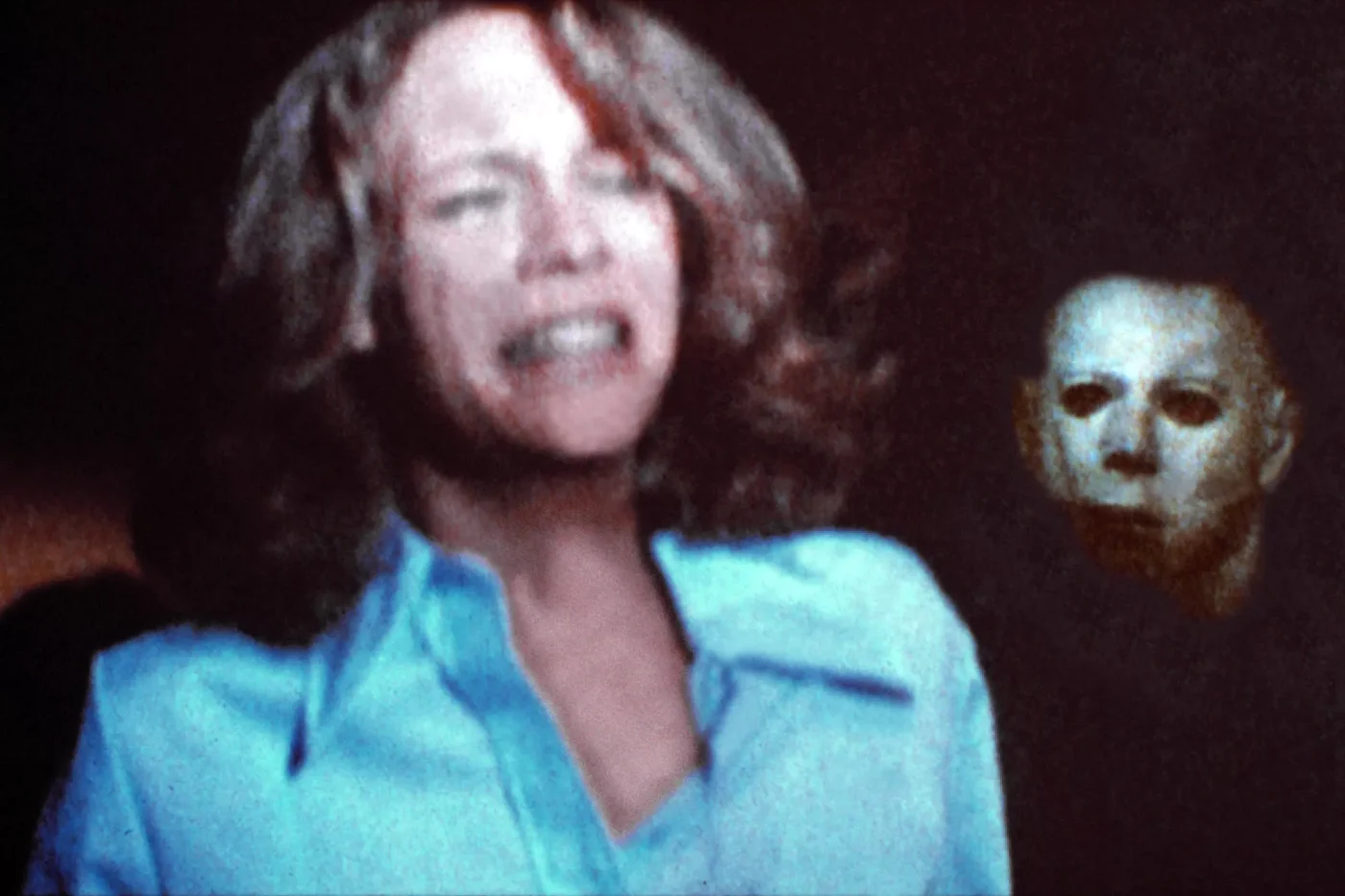
Jamie Lee Curtis and Nick Castle in the original 1978 film Halloween
The original narrative continuity follows the initial theatrical progression, drifting from grounded suburban terror into supernatural lore.
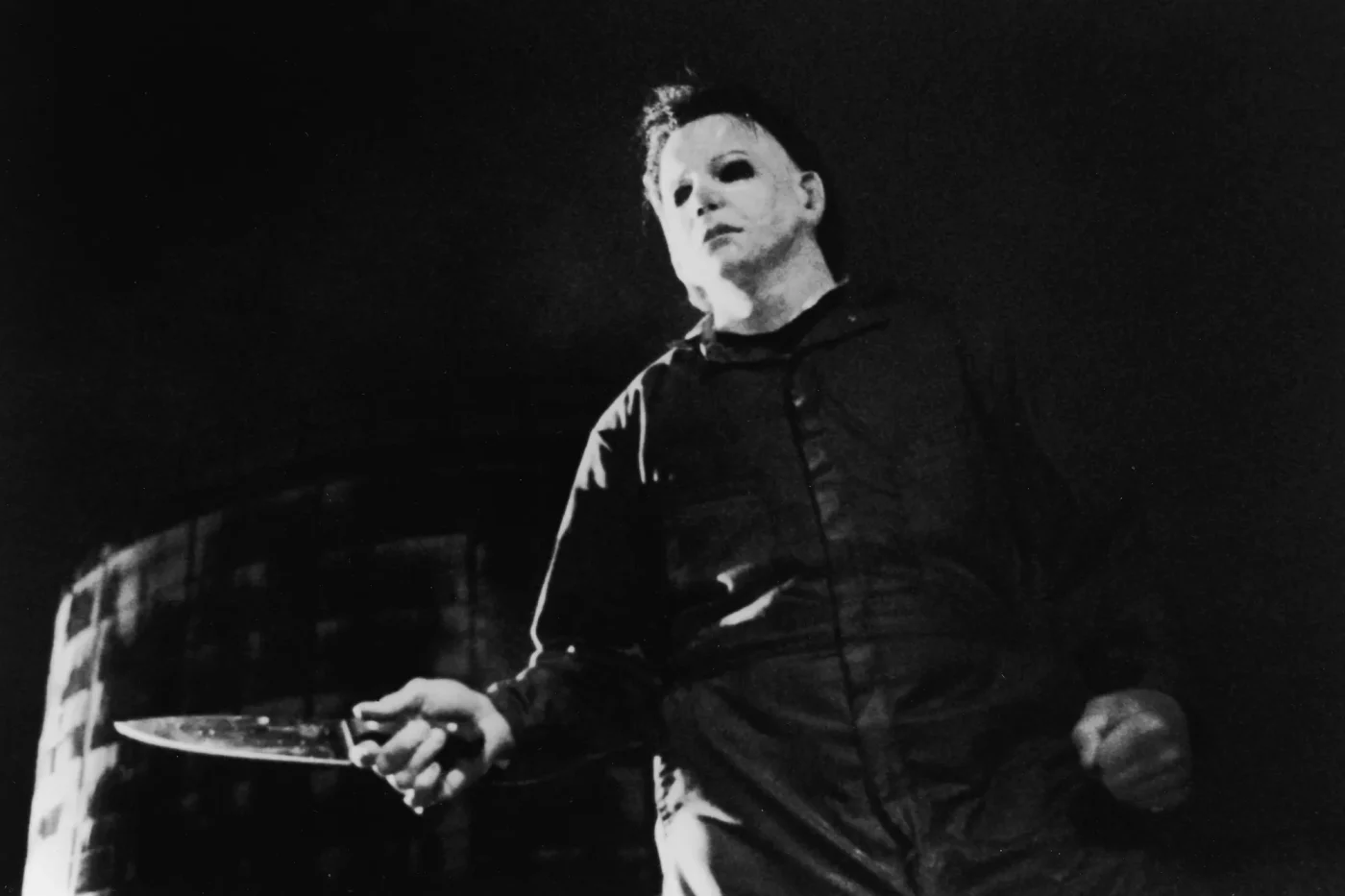
Nick Castle in Halloween (1978)
The 1978 original emerged after financier Moustapha Akkad approached Carpenter and Debra Hill to craft a slasher about babysitters. Carpenter and Hill paired everyday teenage routines with a masked entity representing unadulterated evil.
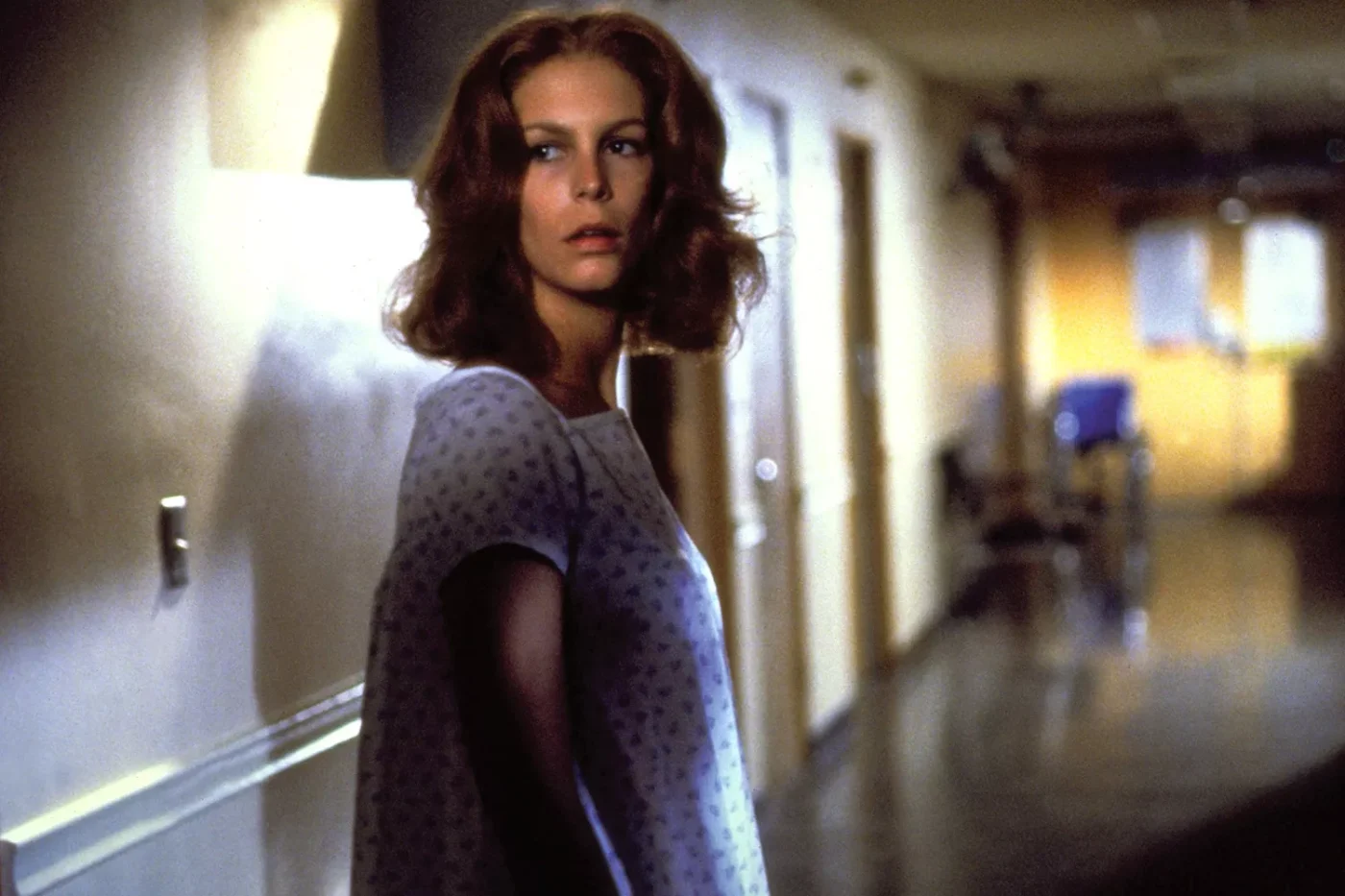
Jamie Lee Curtis in Halloween II (1981)
Directed by Rick Rosenthal and scripted by Carpenter and Hill, 1981’s Halloween II picked up seconds after the original. It established the pivotal plot point that Laurie Strode was Michael’s biological sister, adopted after their parents died.
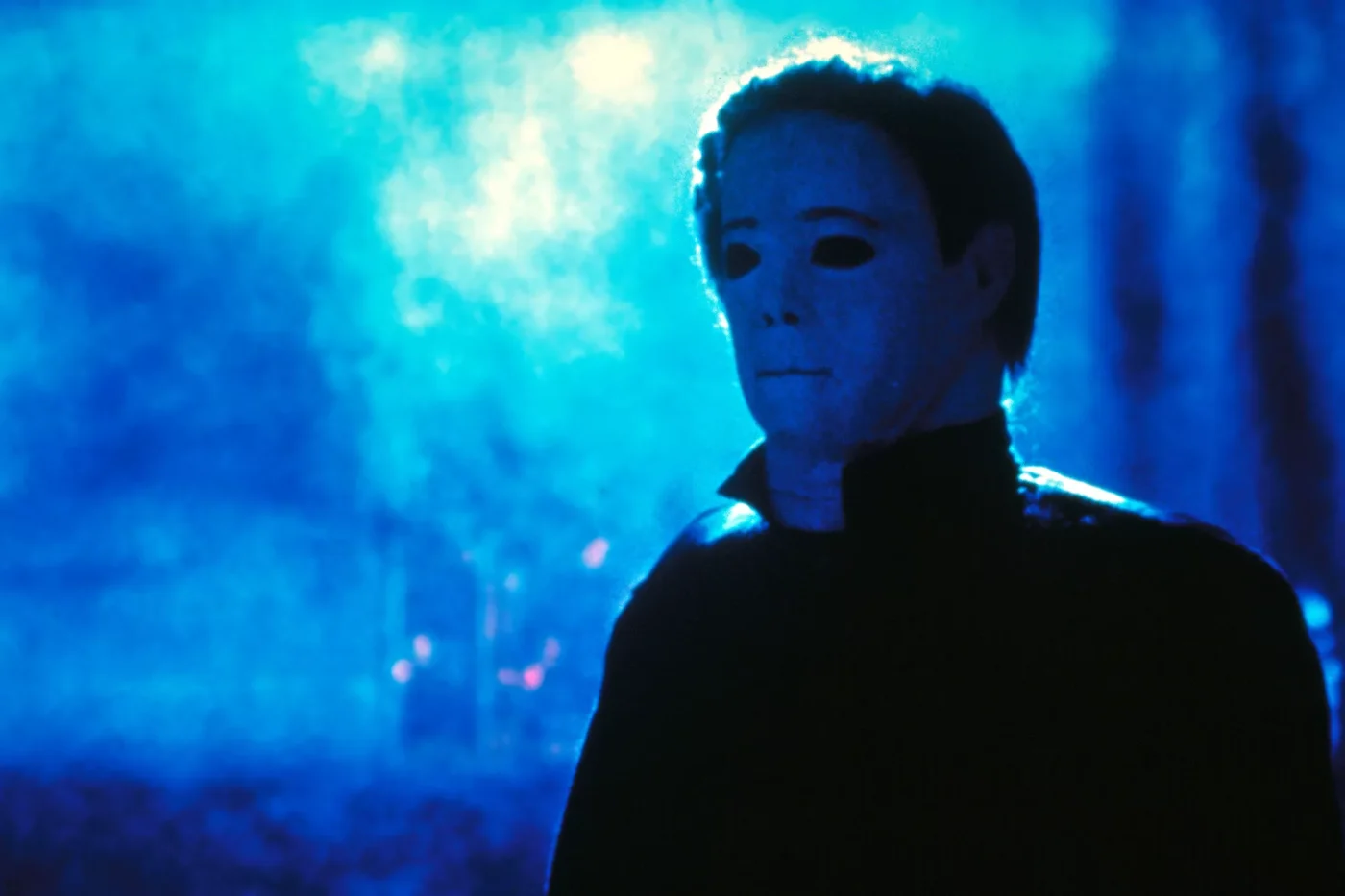
Promotional artwork for Halloween 4: The Return of Michael Myers
After an unrelated anthology attempt in 1982’s Halloween III: Season of the Witch, the franchise returned to the slasher format in 1988 with Halloween 4: The Return of Michael Myers. Curtis declined to return, leading writers to kill off Laurie off-screen and focus on her daughter, Jamie Lloyd (Danielle Harris).
Screenwriter Alan McElroy turned in the final draft in just 10 days to beat an impending writers’ strike. Carpenter and Hill departed during development and sold their franchise rights following creative disputes.
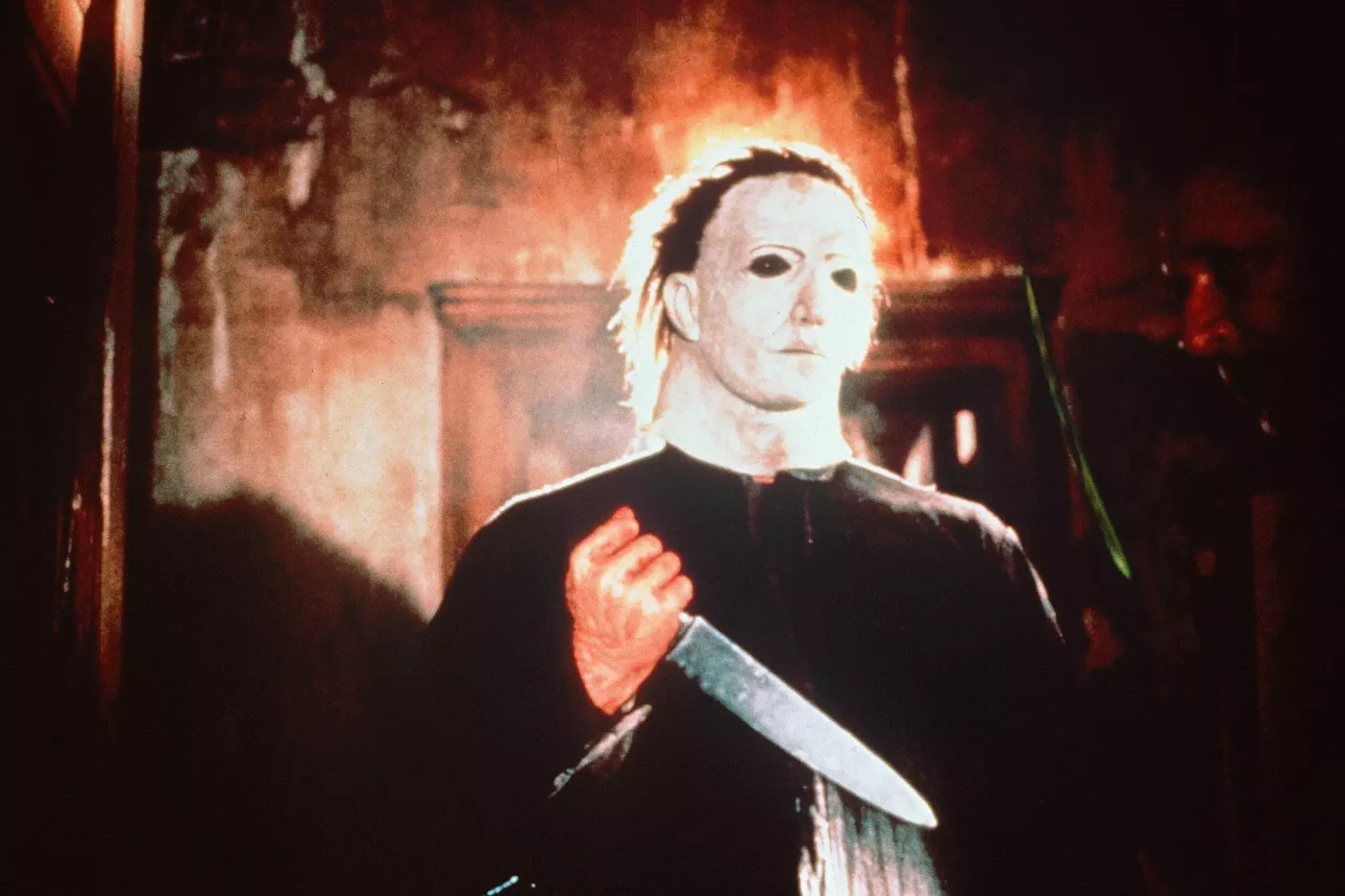
Donald L. Shanks as Michael Myers in Halloween 5: The Revenge of Michael Myers
Halloween 5: The Revenge of Michael Myers arrived in 1989, leaning directly into supernatural territory. The installment linked Jamie telepathically to her uncle and teased a secretive cult controlling Myers’ murderous impulses.
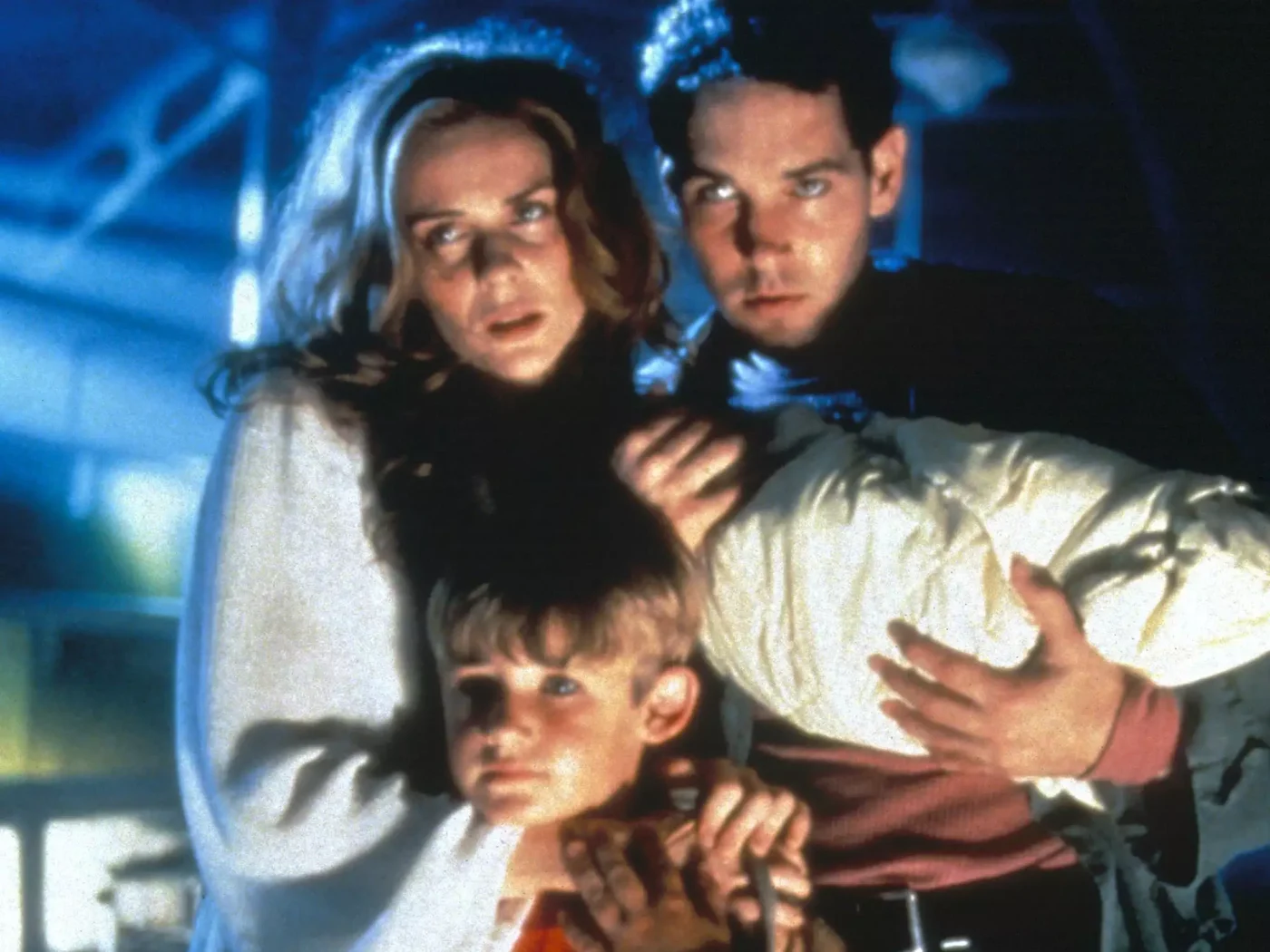
Devin Gardner and Paul Rudd in Halloween: The Curse of Michael Myers
The original arc wrapped up with 1995’s Halloween: The Curse of Michael Myers, featuring Paul Rudd as an older Tommy Doyle. The production explained Myers through druidic runes and genetic manipulation, marking Donald Pleasence’s final on-screen appearance before his death in February 1995.
The H20 Timeline
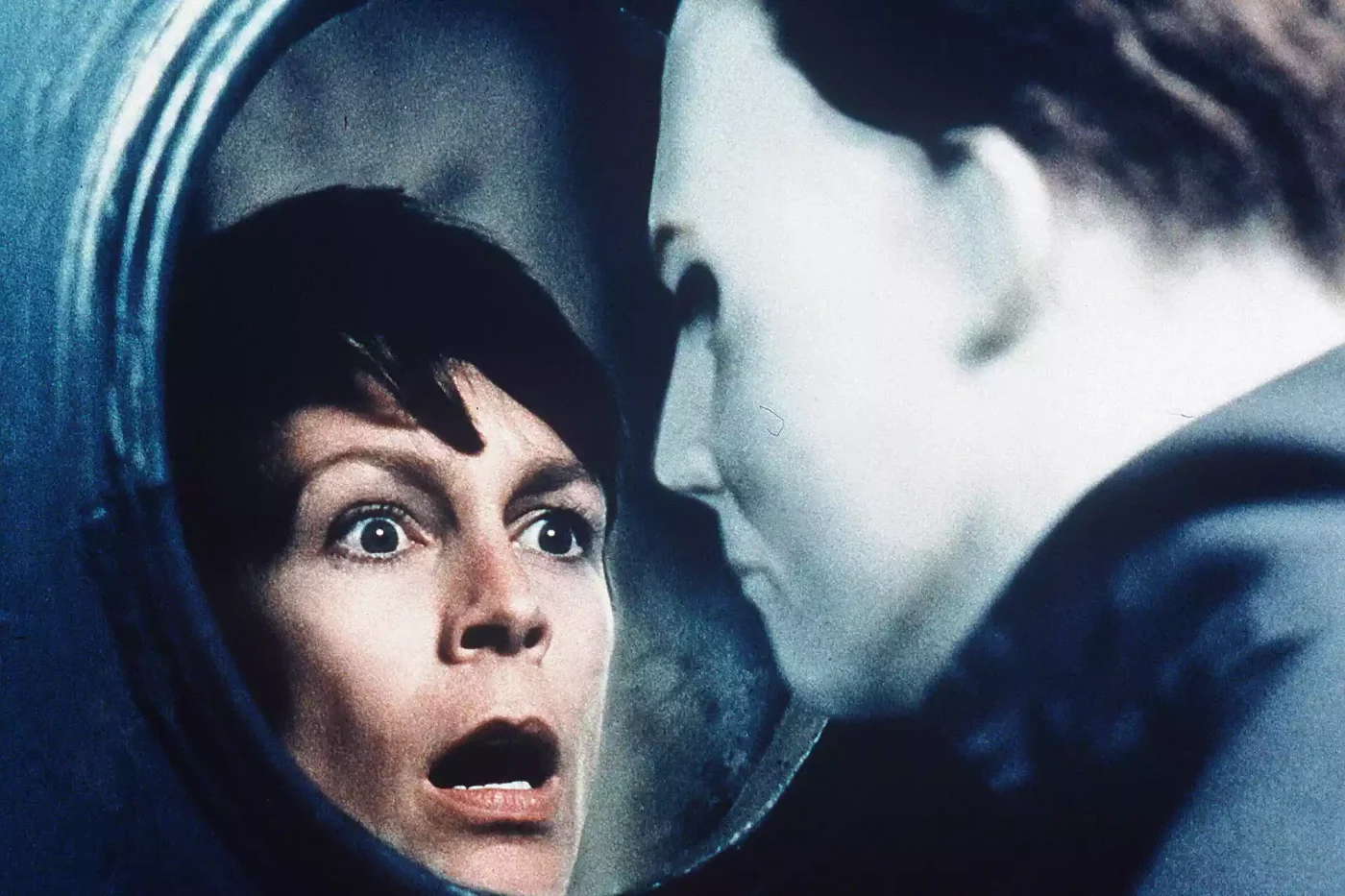
Jamie Lee Curtis in Halloween H20: 20 Years Later
In 1998, Dimension Films launched the franchise’s first major canon reset. This timeline treats only Halloween (1978) and Halloween II (1981) as canon, wiping away the events and characters of parts four through six.
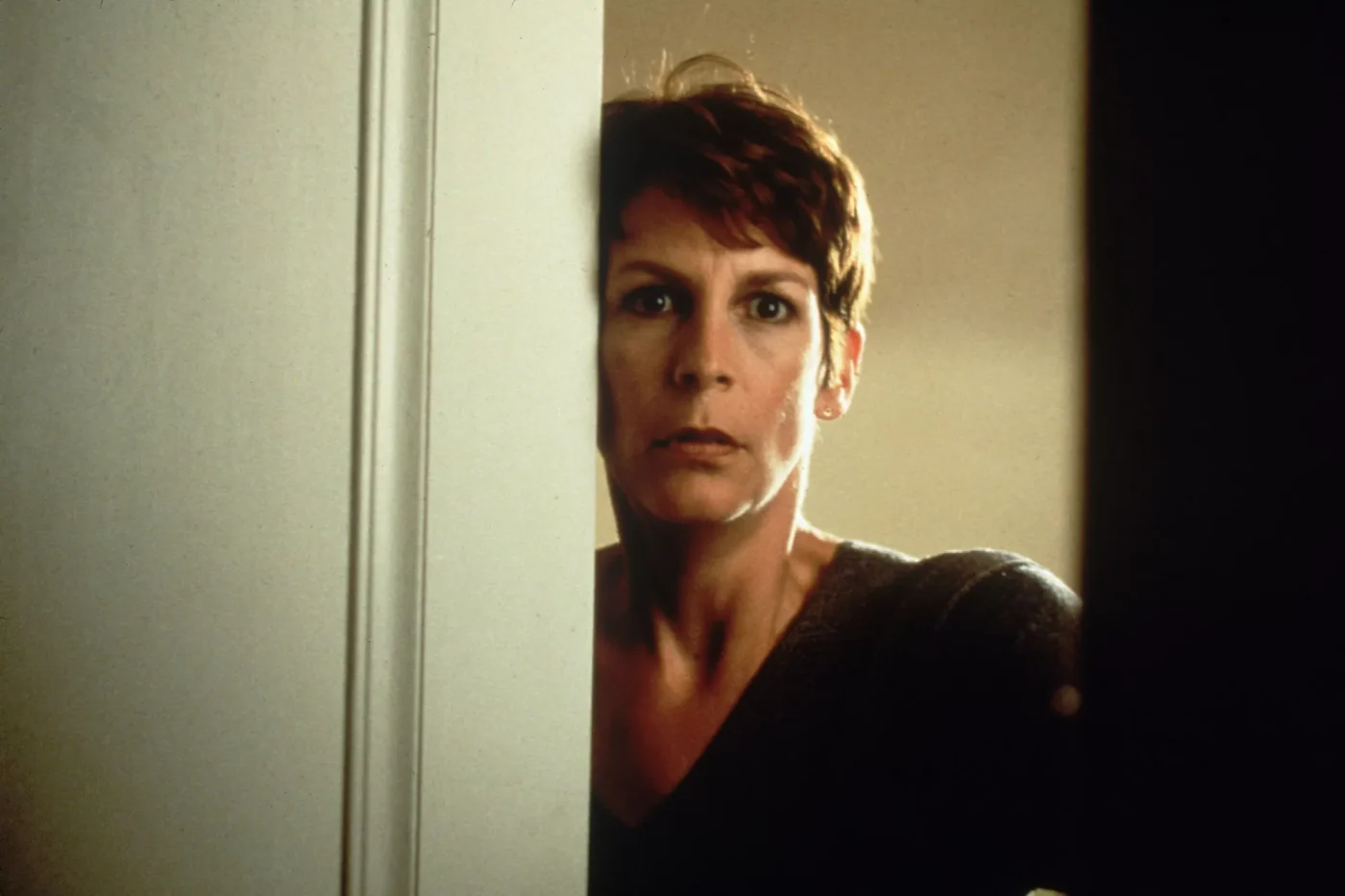
Jamie Lee Curtis reprising her role as Laurie Strode in Halloween H20
Halloween H20: 20 Years Later brings Laurie out of hiding under the pseudonym Keri Tate, running a private California academy. When Michael tracks her down, Laurie fights back to protect her teenage son, John, played by Josh Hartnett.
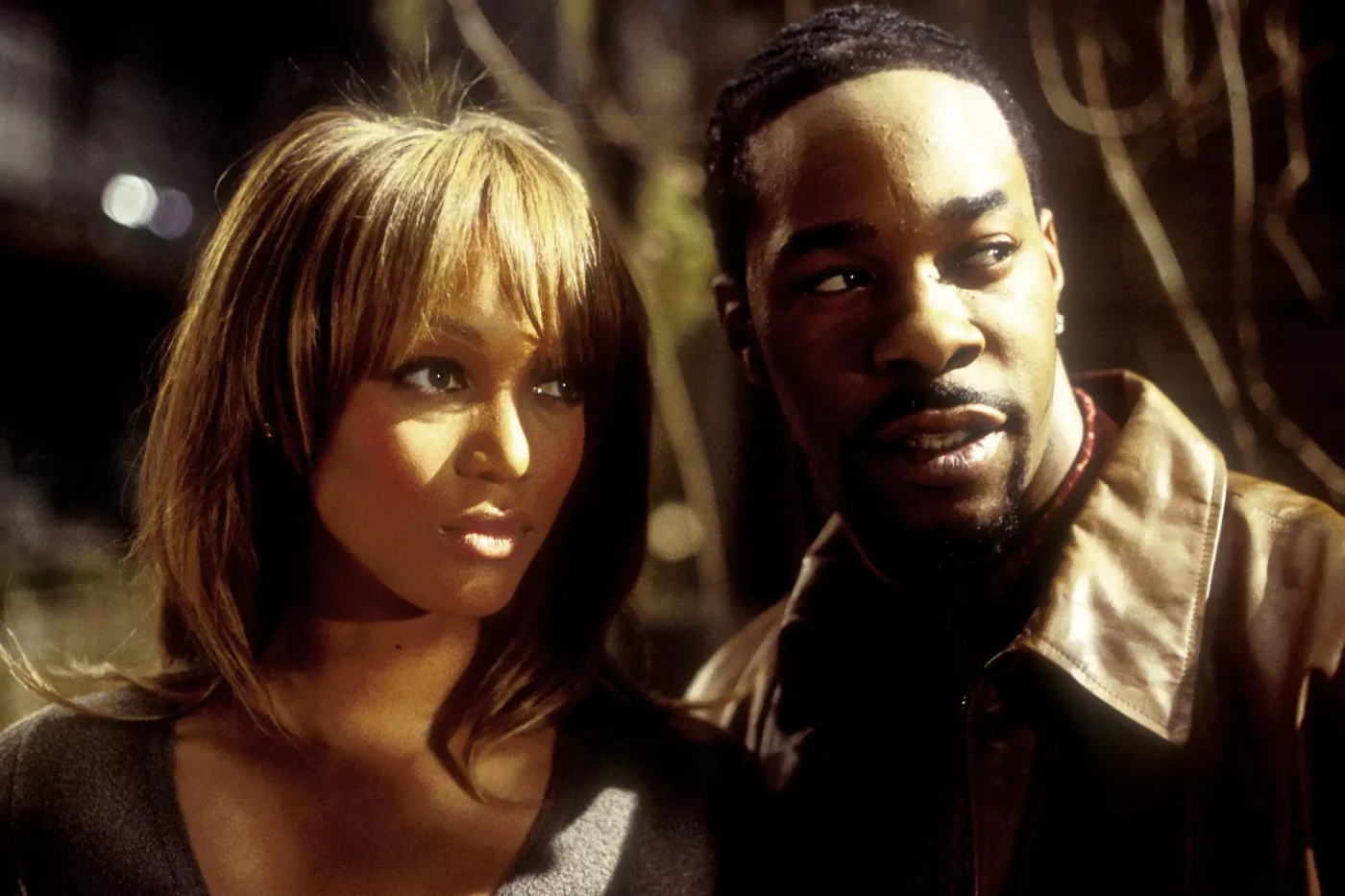
Scene from Halloween: Resurrection (2002)
The continuity ended abruptly in 2002 with Halloween: Resurrection. After discovering she had decapitated an innocent paramedic at the close of H20, Laurie is killed off in the opening minutes, handing the narrative over to an early internet reality show co-starring Busta Rhymes.
The Rob Zombie Reboots
Musician and filmmaker Rob Zombie discarded all previous continuity in 2007 with a complete reinvention. Zombie explored Michael’s abusive childhood psychology before leaping 15 years forward to depict a brutal, giant-statured Myers (Tyler Mane) tracking Laurie (Scout Taylor-Compton).
The remake secured a $30.6 million Labor Day weekend box office haul, setting a holiday record that stood until 2021.
Zombie returned for Halloween II in 2009, delving deeply into shared trauma and surrealism. The director later noted he preferred the sequel because it freed him from the structural restraints of remaking Carpenter’s original work.
The 40-Years-Later Blumhouse Trilogy
The definitive modern timeline launched in 2018 under director David Gordon Green. This timeline erases every previous sequel, making Carpenter’s 1978 movie the only canon predecessor to Halloween (2018), Halloween Kills (2021), and Halloween Ends (2022).
By striking Halloween II from the record, the production eliminated the long-standing sibling connection between Laurie and Michael, returning Myers to an unpredictable, motiveless killer.