
Why an Episcopal Priest Wants Christians to Stop Fearing Halloween

 Halloween Ideas & Trends
Why an Episcopal Priest Wants Christians to Stop Fearing Halloween
For decades, celebrating Halloween came with heavy baggage in American church communities. During the 1980s and 1990s, vocal religious critics warned that dressing up in costumes and collecting candy courted dark forces and promoted devil worship.
Today, that intense cultural resistance has softened. Across the country, congregations regularly sponsor “Trunk or Treat” events and fall festivals, yet lingering guilt often remains for believers who enjoy the spooky season.
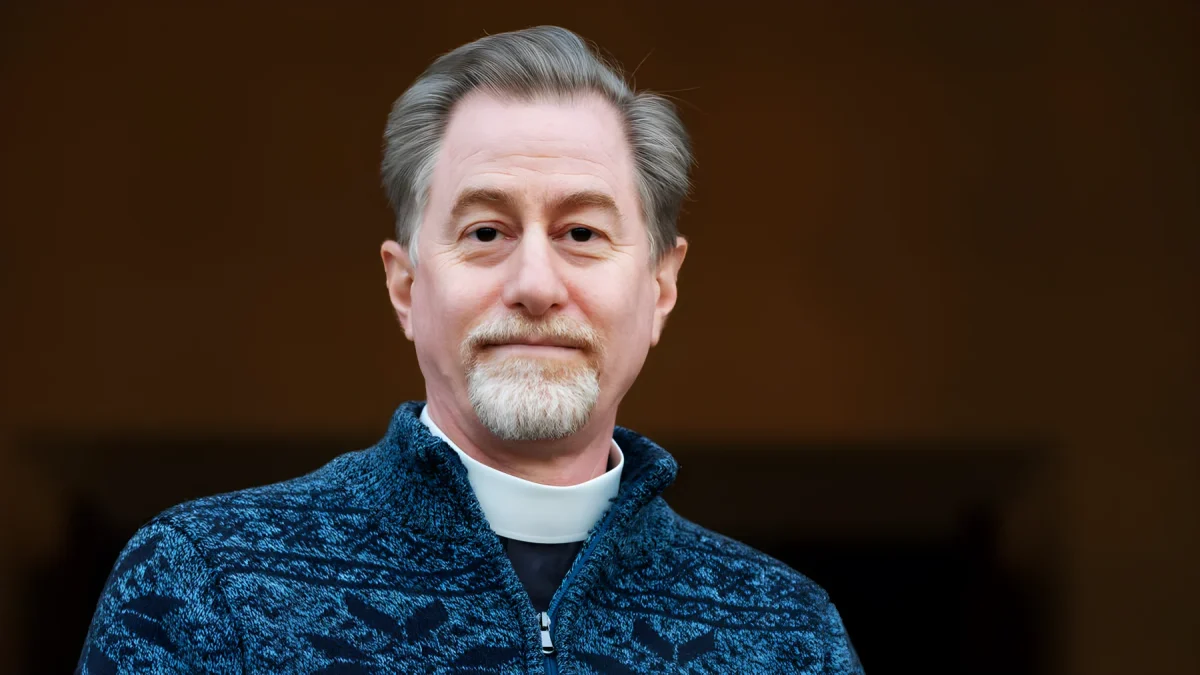
According to the Rev. Jeffrey A. Packard, rector at Saint Andrew’s Episcopal Church, Christians have no reason to shun the holiday.
Historical Roots and Religious Borrowing
Critics frequently cite pagan origins as a reason to avoid Halloween. Packard points out that borrowing from earlier traditions is standard practice throughout church history.
Christmas incorporated elements of a multi-day Roman winter solstice festival centered on feasting and carousing. The English word for Easter derives from Eostre, an Anglo-Saxon goddess of the dawn.
Rather than rejecting earlier cultures, early Christianity regularly adopted and recalibrated existing dates and observances. Halloween sits halfway between the autumnal equinox and the winter solstice, serving as All Hallows’ Eve—the vigil before All Saints’ Day on November 1.
Mocking Death Through Monsters and Masks
Dressing up in costumes offers a harmless creative release. Packard argues that the darker imagery of skeletons, ghosts, and zombies actually carries a deeper theological point.
Under Christian belief, Christ’s resurrection represents the ultimate triumph over sin and mortality. Because believers consider death permanently defeated, its traditional symbols no longer hold genuine terror.
“We are no longer subject to death. So, we can poke fun at it,” Packard explains. Parading around as fictional ghouls serves as mockery of a conquered enemy rather than submission to fear.
What Horror Films Say About Society
That perspective also applies to horror cinema, a genre Packard embraces as both entertainment and cultural mirror. Horror films routinely track the prevailing anxieties of their era.
In the 1950s, giant mutant insects and animals reflected widespread dread over nuclear fallout and the atomic age. During the 1970s and 1980s, the rise of modern criminal profiling through the FBI Behavioral Science Unit coincided with the explosive popularity of slasher movies.
These films offer audiences a controlled, safe environment to process genuine societal stress and personal anxieties.
A Call to Enjoy the Night
The advice for churchgoers remains straightforward: participate responsibly, stay safe, and set aside unnecessary guilt over donning a mask.
Carving pumpkins or enjoying a fright night does not signal an allegiance to darkness. When morning comes on All Saints’ Day, church doors remain open to honor the historical figures of the faith.