
5 Iconic Sci-Fi Costumes and Props Recycled in Completely Unrelated Projects

 Costumes & Makeup
5 Iconic Sci-Fi Costumes and Props Recycled in Completely Unrelated Projects
Film production costs add up fast. Between cast salaries, crew logistics, and practical builds, studios look for ways to cut budgets wherever possible.
While computer-generated imagery handles much of today’s heavy lifting, physical gear retains a tangible presence on screen. When cameras stop rolling, practical assets face varied fates: some are destroyed, some are claimed by collectors, and others enter prop house storage.
Often, these stored pieces get pulled back out to populate completely different fictional universes.
Godzilla Suits in Tokusatsu Television
Godzilla in Invasion of Astro-Monsters
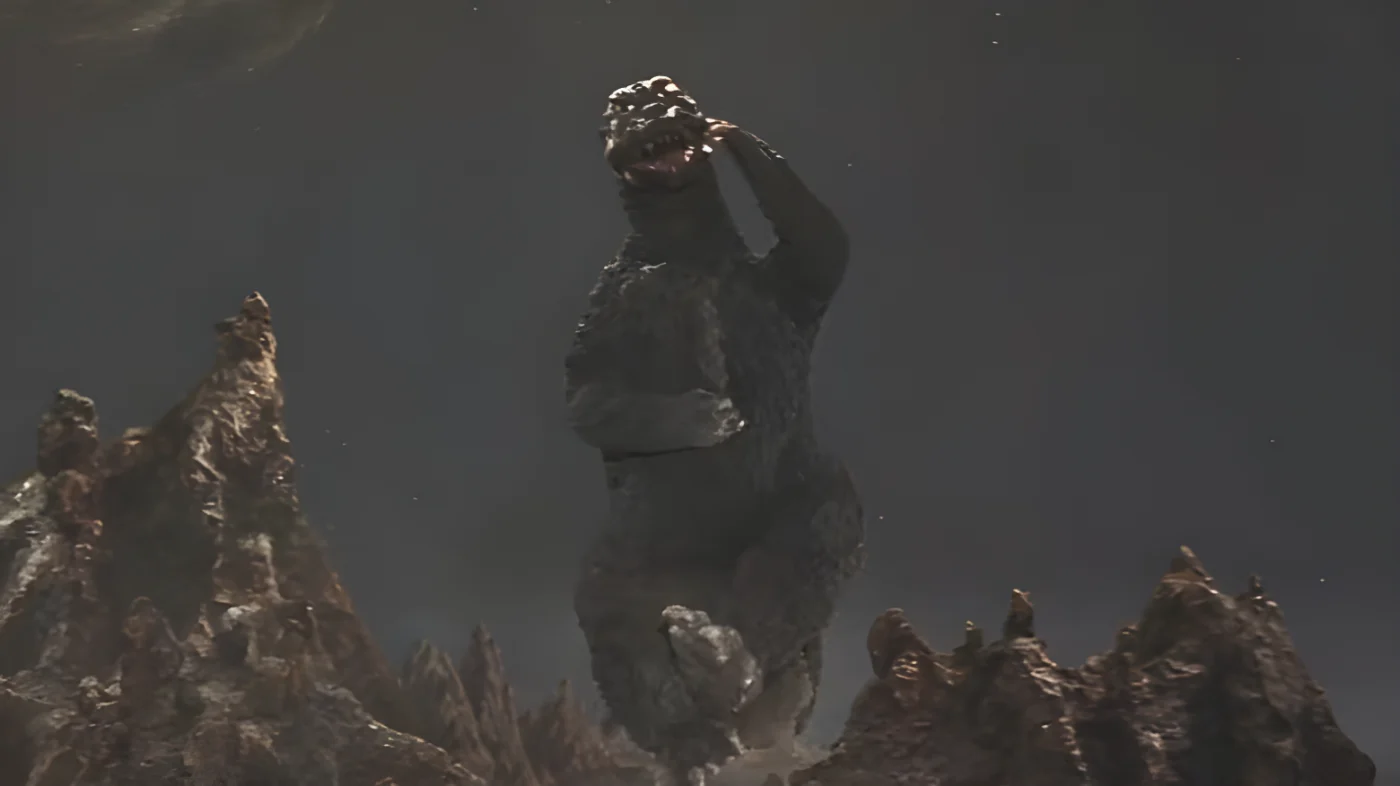
Decades before CGI, performers brought Godzilla to life inside rubber suits weighing up to 220 pounds. Wear and tear led to frequent redesigns, but early suits found extended lives outside Toho’s flagship movies.
Special effects pioneer Eiji Tsuburaya, who co-created the original 1954 film with director Ishirō Honda, launched his own company, Tsuburaya Productions, in 1963. The studio became famous for the long-running Ultraman franchise.
During the first season of Ultraman, budget constraints led Tsuburaya to combine components from two retired Godzilla suits to create the monster Jiras. The hybrid was painted yellowish-green and fitted with a prominent neck frill. A similar repurposing occurred earlier on Ultra Q to create Gomess, a design homage later referenced with a repurposed model in Shin Ultraman.
Bossk’s Flight Suit in Doctor Who and Star Wars
Trandoshan bounty hunter Bossk
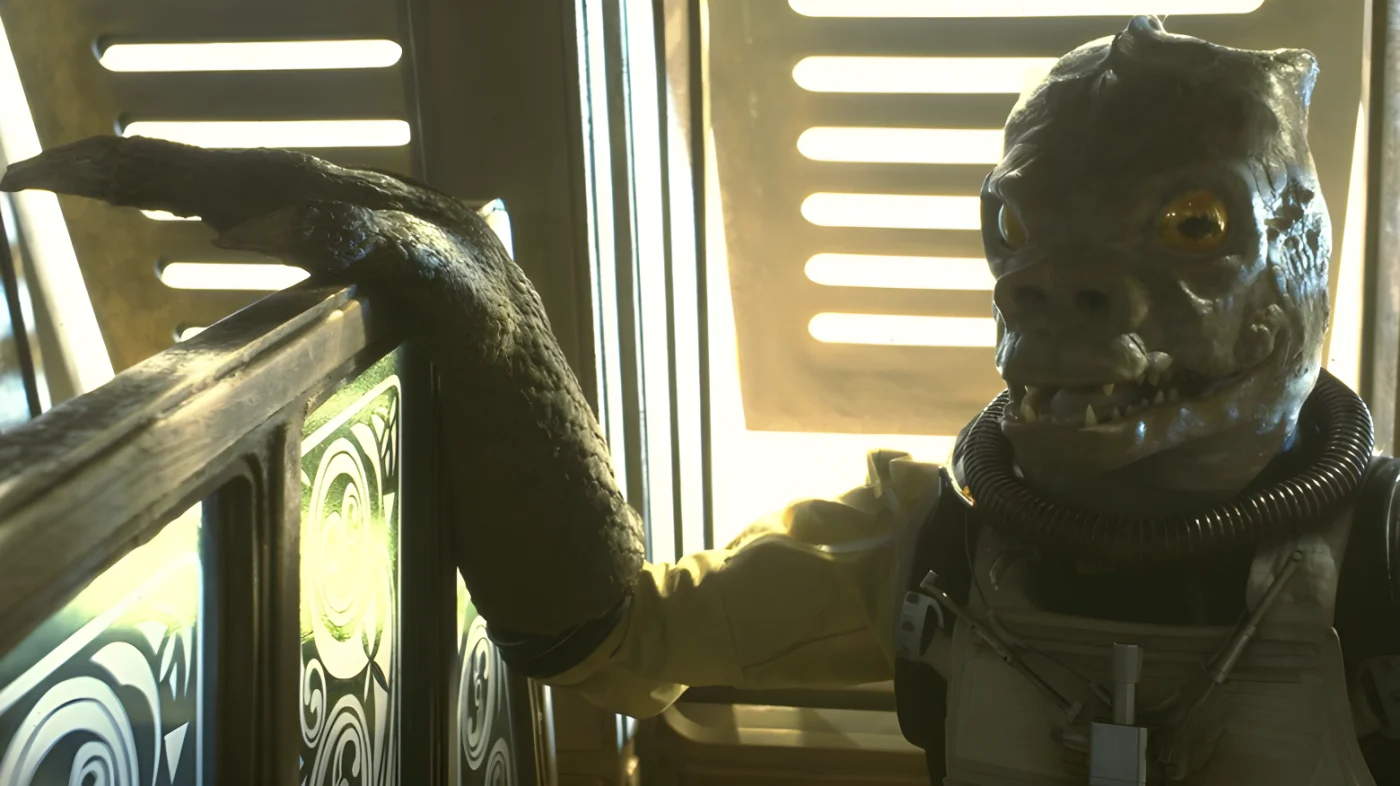
The bounty hunter Bossk quickly captured attention in the original Star Wars trilogy. The imposing Trandoshan wore a distinct, high-altitude flight suit that looked unlike standard Imperial or Rebel flight gear.
The garment had already appeared on television nearly two decades earlier. British audiences first saw it in the 1966 Doctor Who serial “The Tenth Planet,” the famous storyline that introduced the Cybermen and featured William Hartnell’s regeneration into Patrick Troughton.
The costume was never custom-tailored for fiction. It was an authentic, modified Windak high-altitude pressure suit originally manufactured in the 1960s based on designs developed during World War II.
The Ghostbusters P.K.E. Meter as Alien Technology
The Ghostbusters team using equipment in a library
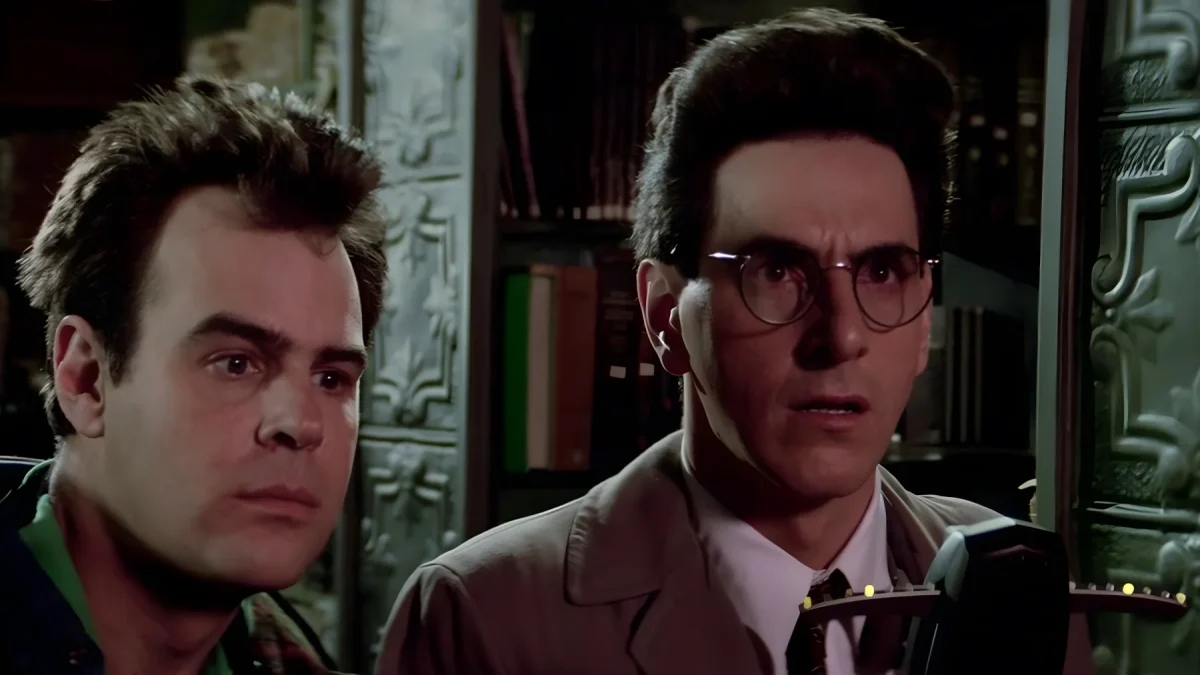
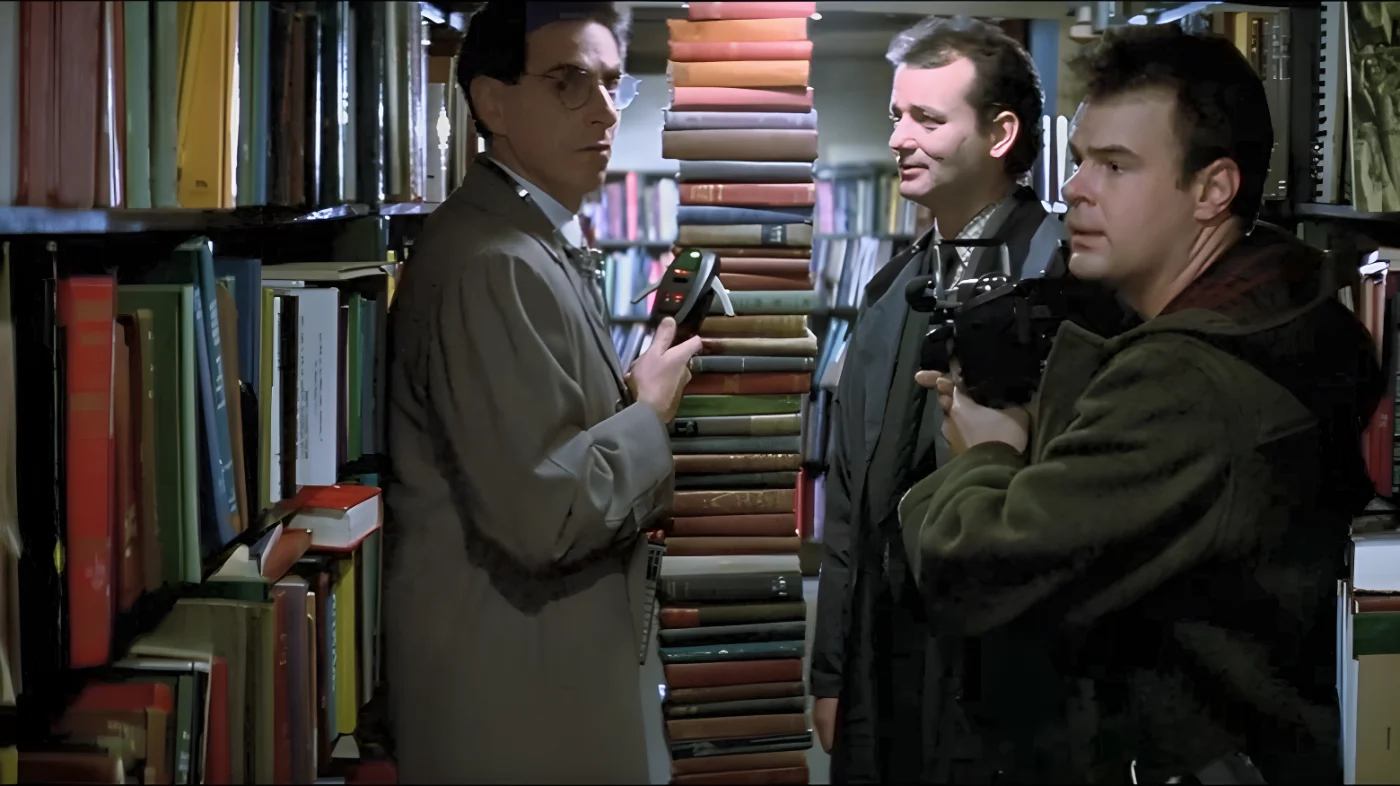
In 1984’s Ghostbusters, Dr. Egon Spengler utilized the handheld P.K.E. Meter to monitor psychokinetic energy. With motorized extending wings and sequencing LED lights, the prop looked advanced enough to fit standard science fiction tropes.
Director John Carpenter repurposed the device for his 1988 satirical sci-fi feature They Live. In that film, disguised extraterrestrial forces use modified P.K.E. meters as mobile trackers and communication hardware.
Three years later, the same hardware design returned in the 1991 comedy Suburban Commando. Hulk Hogan’s interstellar warrior character uses the device to track down missing weaponry.
The Golden Chachapoyan Fertility Idol
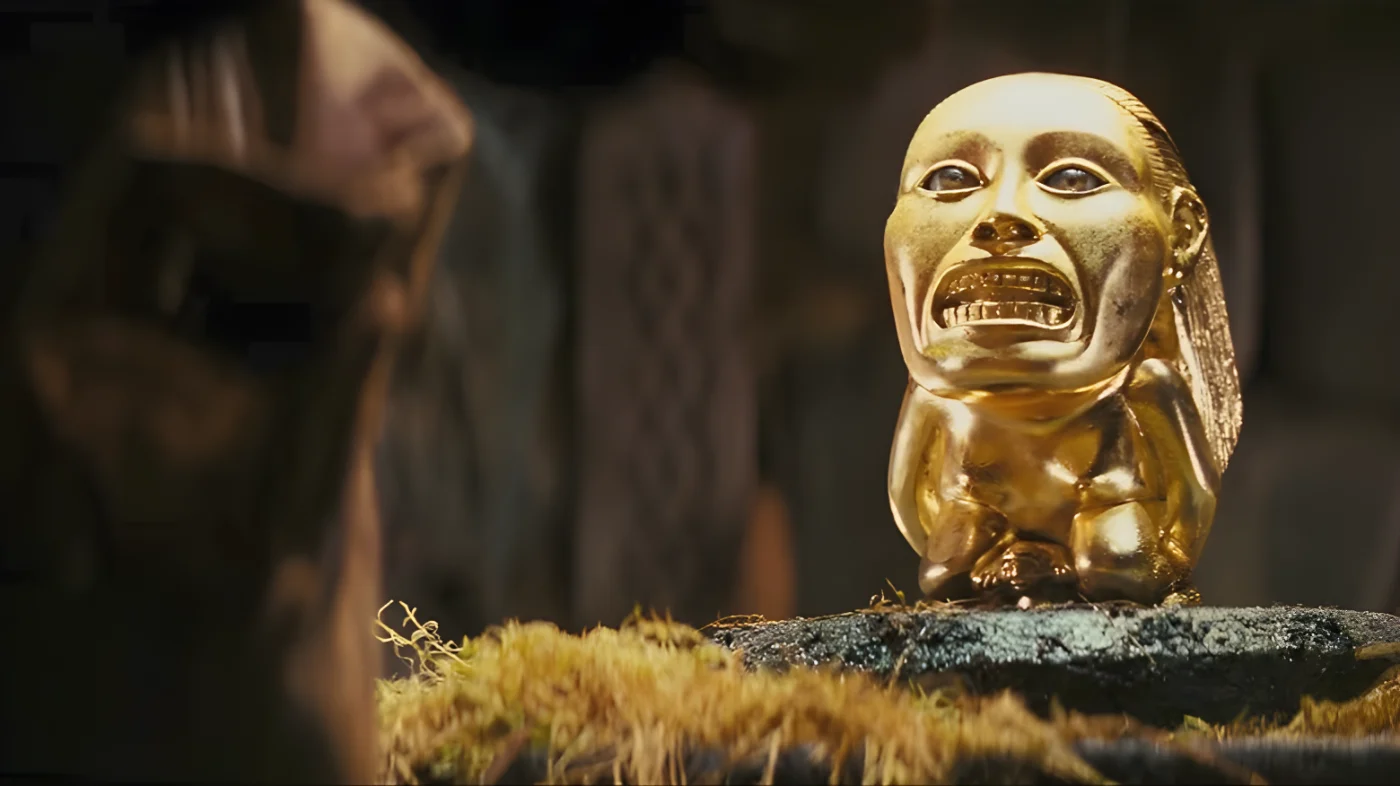
Indiana Jones reaching for the golden idol
The opening scene of 1981’s Raiders of the Lost Ark remains an all-time classic sequence, establishing Indiana Jones as he navigates a booby-trapped temple to recover a golden relic.
The iconic prop resurfaced in unrelated cinematic releases. In Frank Darabont’s 2001 drama The Majestic, the idol appears within the fictional film-within-a-film, “Sand Pirates of the Sahara,” serving as tomb treasure used to strike a researcher.
Director Robert Rodriguez also placed the sculpture inside an exotic treasure vault in the 2002 family adventure Spy Kids 2: Island of Lost Dreams.
Starship Troopers Mobile Infantry Armor
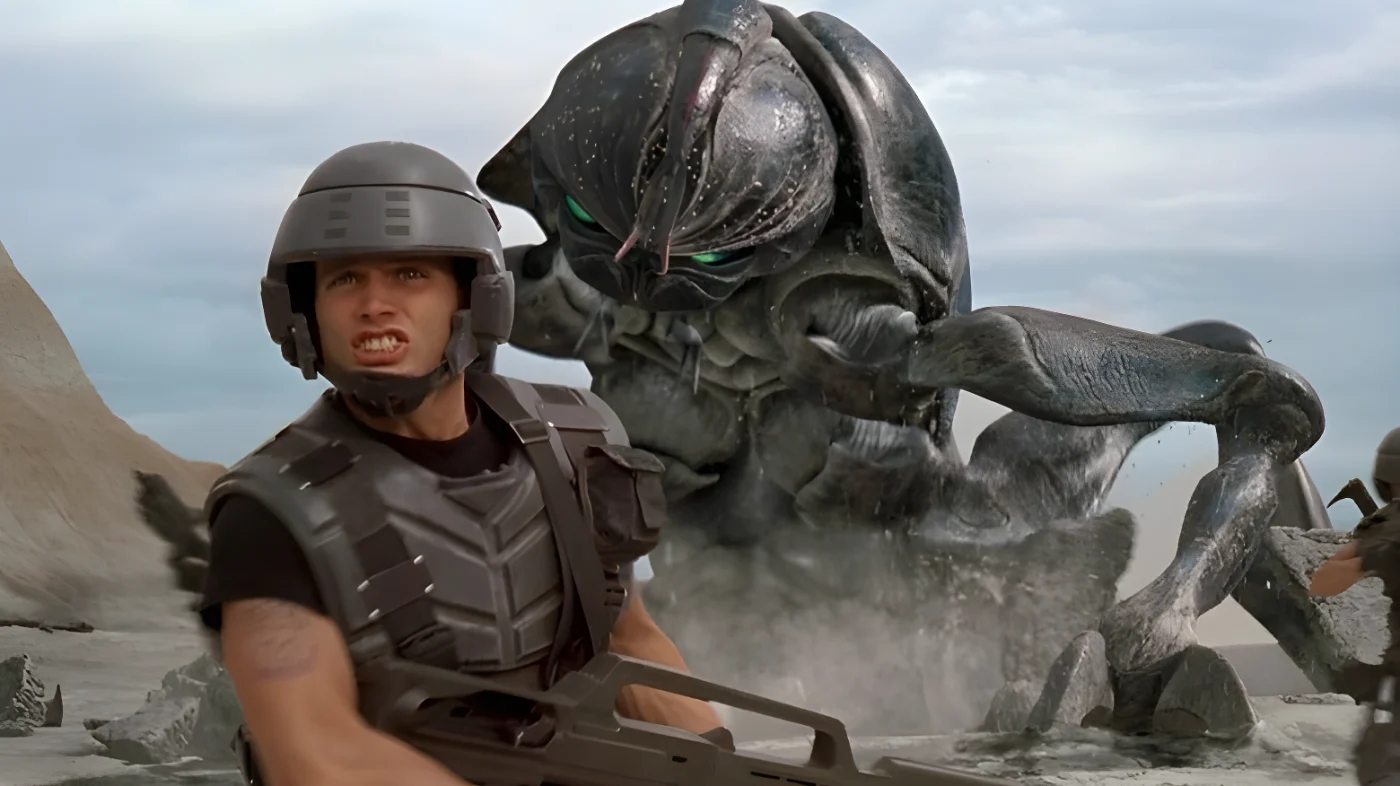
A Mobile Infantry trooper facing an Arachnid
Paul Verhoeven’s 1997 adaptation of Starship Troopers required massive quantities of military gear. Production manufactured hundreds of identical gray composite armor sets and matching helmets for the Mobile Infantry.
The neutral, utilitarian look made the bulk inventory an easy asset for cost-conscious costume departments across Hollywood. The full armor sets served as the standard uniforms for Alliance security personnel in Joss Whedon’s cult television series Firefly.
The pieces also outfitted villainous foot soldiers fighting giant insects in Power Rangers Lost Galaxy, were sprayed black for Tim Burton’s 2001 Planet of the Apes, and appeared on CONSENT forces in the live-action franchise project G-Saviour.