
How Historical Authenticity Elevates Modern Norse Fantasy Armor

 Halloween Ideas & Trends
How Historical Authenticity Elevates Modern Norse Fantasy Armor
Ditching Hollywood Tropes for Historical Weight
Modern media often reduces Viking and Norse warriors to wearing studded biker leather and haphazard fur pelts. In reality, early medieval Scandinavian defense relied on intelligent layering, dense textiles, and meticulous metalwork.
Creating believable Norse fantasy armor requires stripping away cinematic clichés. When fantasy design anchors itself in genuine material culture, the result feels tangible, menacing, and grounded.
Textiles Form the True Foundation
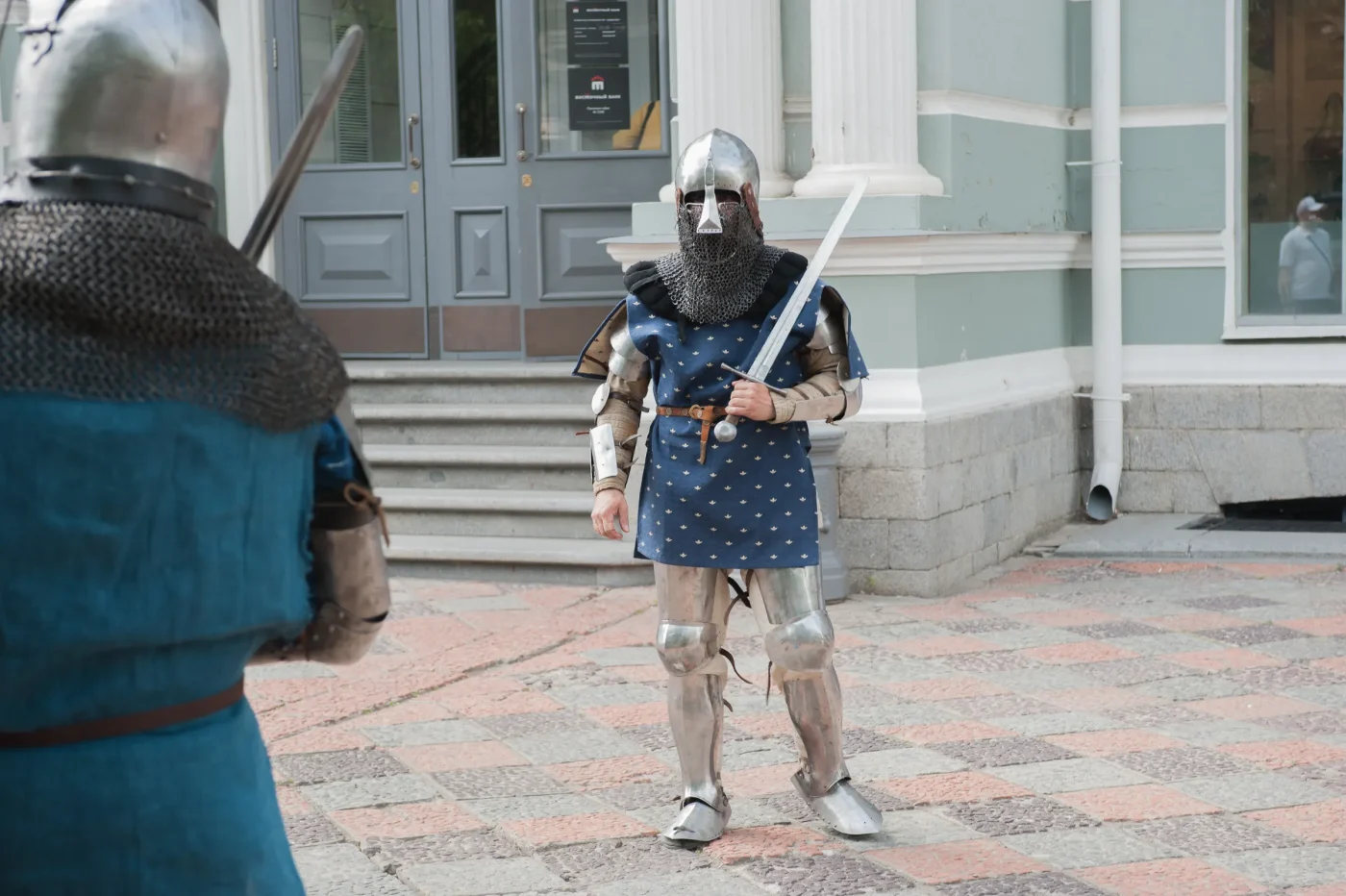
Armor never sits directly against the skin. In historical Norse contexts, durable wools and linens served as both environmental protection and functional padding.
Textile archaeological finds from Birka, Sweden, demonstrate the sophistication of period tailoring. Diamond twill (or diamond weave) wool provided both strength and elasticity, allowing full mobility beneath heavier defensive layers.
Recreating this foundation involves sourcing or weaving tight diamond-pattern woolens. Natural dying techniques—such as madder root for deep reds or woad for rich blues—give the base tunics an authentic vibrancy rarely seen in desaturated film portrayals.
Functional Armor Construction
True historical armorers prioritized mobility and survivability. Fantasy armor builders often make the mistake of adding excessive bulk, which renders the wearer rigid and exhausted.
- Riveted Maille: Butted chainmail falls apart under tension; authentic protection uses riveted links that disperse cutting force across interlocking rows.
- Lamellar Plating: Individual steel or hardened leather plates, laced together horizontally and vertically, allow fluid torso articulation while deflecting direct thrusts.
- Vegetable-Tanned Leather: When leather is employed, heavy vegetable-tanned hides treated with wax or oil provide rigid structural support rather than flexible decorative trim.
Recent projects—such as the collaboration between maker studio Nerdforge, bladesmith Nate’s Forge, and filmmaker Sebastian Jern—demonstrate how grounding high-concept fantasy gear in historical tailoring yields unmatched screen presence.
Integrating Weaponry and Field Wear
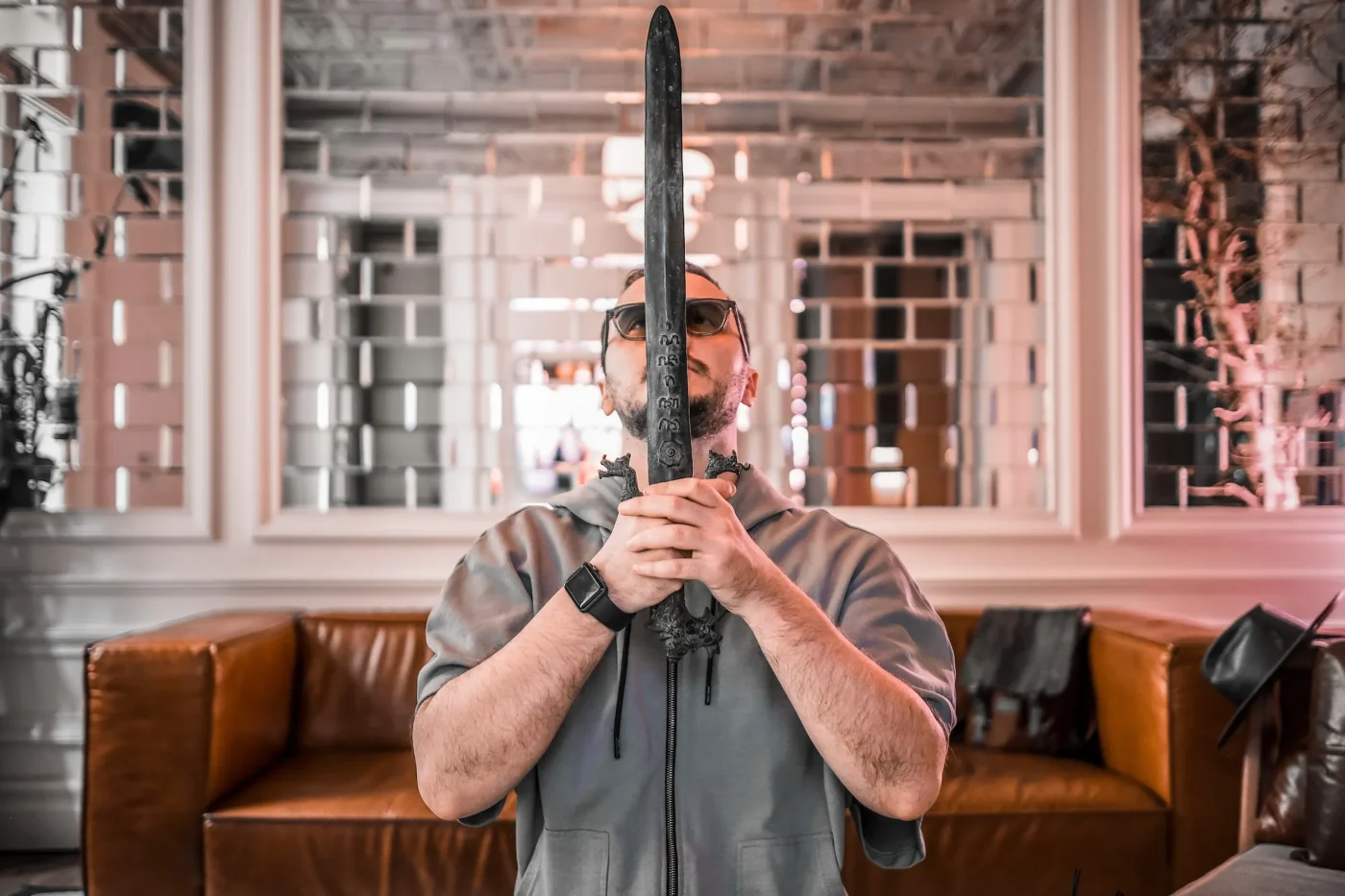
A set of Norse armor remains incomplete without balanced armament. Historical blades like the Petersen Type H or Petersen Type X sword featured wide fullers to reduce weight and intricate pommels designed for precise leverage.
Scabbards must be wood-cored and wrapped in leather or linen to prevent blade moisture buildup. Suspension rigs using baldrics or two-point belt systems ensure the sword moves naturally with the wearer during combat.
The final step in selling realism is calculated distressing. Weathering edges with rasp tools, darkening recesses with bone-black washes, and introducing natural oxidation transforms pristine workshop props into veteran combat gear.