
Why Local Pumpkin Patches Are Ditching Farming for Agritainment

 Halloween Ideas & Trends
Why Local Pumpkin Patches Are Ditching Farming for Agritainment
The economics of autumn pumpkin picking have radically shifted. Family-owned pumpkin farms face mounting pressure from mass-market retailers, surging operational expenses, and volatile weather patterns.
To survive, growers are transforming working fields into full-scale entertainment venues, relying on corn mazes, tractor rides, and Instagram backdrops rather than harvest yields alone.
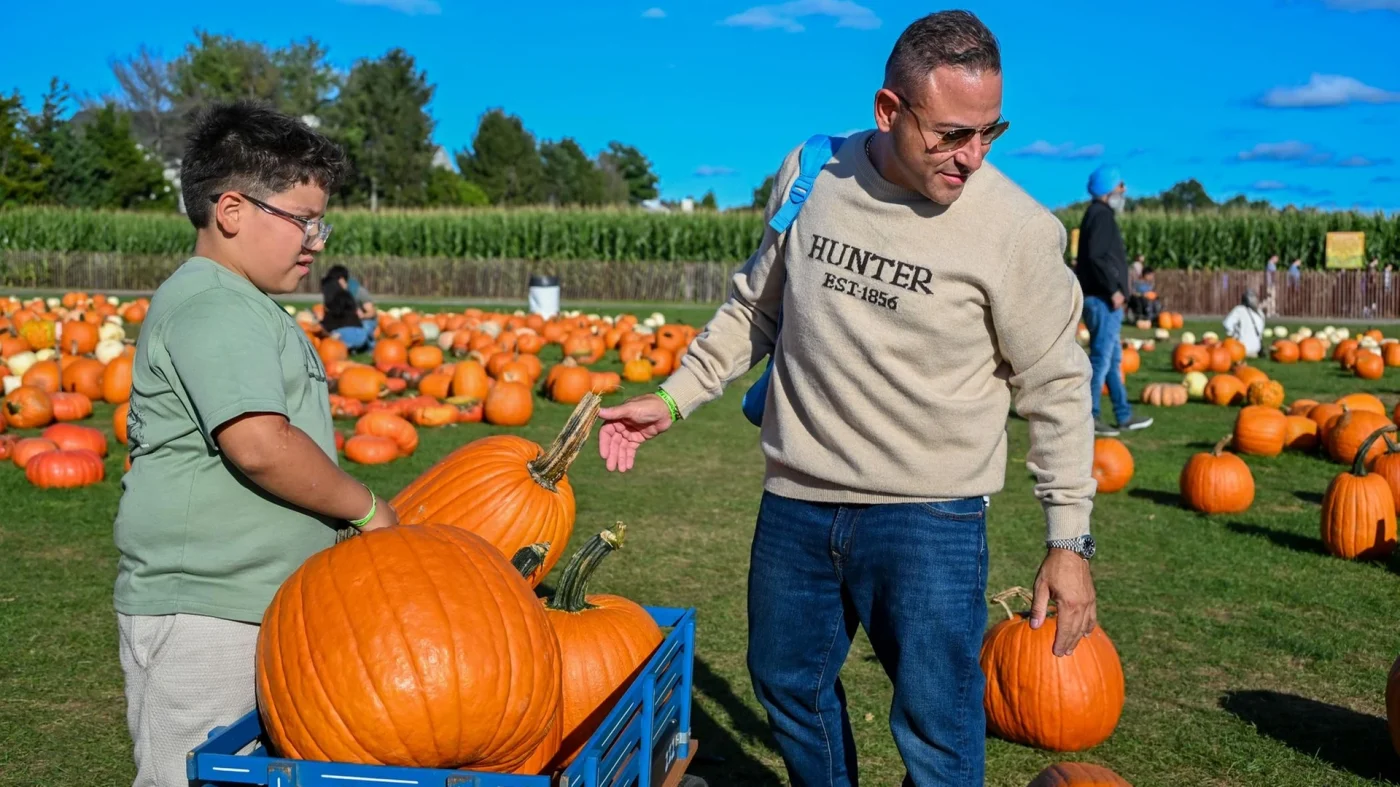
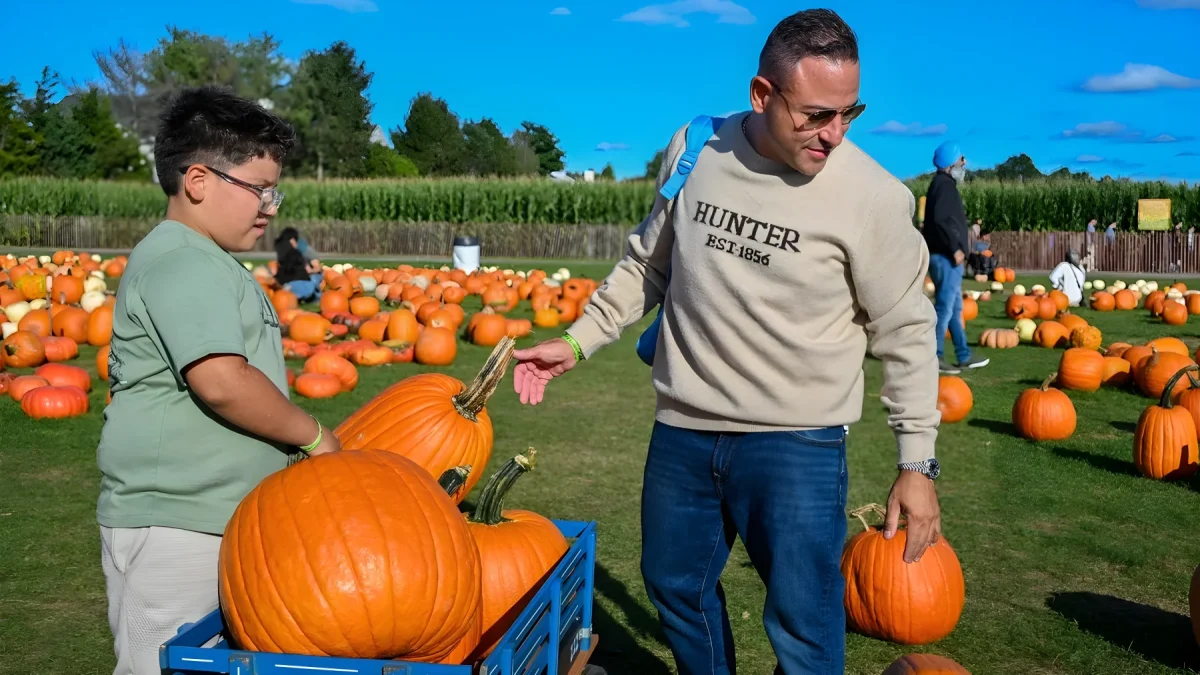
A family picks out pumpkins at F&W Schmitt
The Rise of ‘Agritainment’
Wholesale crop margins have dropped significantly, prompting farm operators to invest heavily in ticketed experiences. Activities like mechanical pig racing, mini-golf, and harvest festivals now drive primary revenue.
Social media has also reshaped seasonal traditions. Visiting a patch now holds the same cultural weight as selecting a Christmas tree, creating steady demand for family photo opportunities.
Ferdie Schmitt, owner of F&W Schmitt’s Family Farm in Melville, New York, acknowledges the retail gap. “They’re selling pumpkins cheaper in the stores than I am here, but I’m giving them a lifetime of memories,” Schmitt said.
Schmitt’s farm, operating since 1950, produces only 20% of its pumpkins on-site while importing the rest from Pennsylvania. Over the past five years, Schmitt’s pumpkin sales and direct fruit revenue have dropped roughly 50%.
Meanwhile, production costs continue to mount. Schmitt reported a 20% jump in freight shipping costs over the past year, alongside a 20% rise in fertilizer expenses across two seasons.
To offset the squeeze, Schmitt added trike tracks, children’s soybean mazes, and miniature golf, while lifting festival admission to $24 per person and pumpkin rates to 80 cents per pound.
Retail Slump and Supply Pressures
Data from market research firm NielsenIQ shows supermarket and mass-merchant pumpkin sales totaled $214 million for the year ending October 3. That marks a 3.7% decline in revenue and a 1.3% drop in units sold compared to the prior year.
At the grocery level, prices averaged $5.21 in mid-October, up 3% year-over-year according to USDA figures. Big-box chains avoid sudden spikes by locking in high-volume supplier contracts months ahead of time.
Penn State agricultural economist Claudia Schmidt noted that farms relying on imported stock feel the sharpest pain. Operators bringing in outside supply absorb direct increases in transport and diesel costs.
National production remains concentrated, with Illinois, California, Indiana, Michigan, and Pennsylvania yielding 72% of the domestic crop last year. New York leads the nation in total individual pumpkin farms, hosting over 1,100 operations.
Weather Hurdles in the Fields
Inclement weather has created additional hurdles across the Northeast. Persistent rainfall throughout early autumn has deterred weekend visitors and delayed crop ripening.
Hank Kraszewski, co-founder of Kraszewski Farm in Southampton, manages 75 acres of pumpkins. Slow ripening forced his farm to cut wholesale distributions to outside buyers down to 20% this season.
At his 30-acre Hank’s Pumpkintown site in Water Mill, multiple weekend closures in September curtailed foot traffic. Even during clear periods, consumer purchasing habits have shifted.
“Nobody’s loading up eight to 10 in a wheelbarrow anymore,” Kraszewski said. “They pick two or three really nice ones. Then they’re content.”
Kraszewski raised wholesale bin rates to $200 this season to counter high input costs, though general admission stayed at $24 on weekends. Diversified summer sales of berries, sweet corn, and nursery stock helped buffer the fall downturn.