
Halloween Candy Prices Surge Over 15% as Tariffs and Corporate Margins Squeeze Shoppers

 Halloween Food & Parties
Halloween Candy Prices Surge Over 15% as Tariffs and Corporate Margins Squeeze Shoppers
Halloween candy prices have surged by more than 15% over the past year, significantly outpacing the general rate of inflation and forcing American households to reassess their seasonal spending. The sharp spike stems from a mix of international policy pressures, packaging inflation, and aggressive corporate margin expansions across major confectionery brands.
A joint analysis released by the Groundwork Collaborative and The Century Foundation revealed that seasonal treats are dramatically outpacing baseline consumer price increases. While overall inflation tracked by the US Bureau of Labor Statistics reached its fastest pace in six months—largely driven by geopolitical costs related to the Iran conflict—sweets on store shelves have absorbed an even steeper markup.
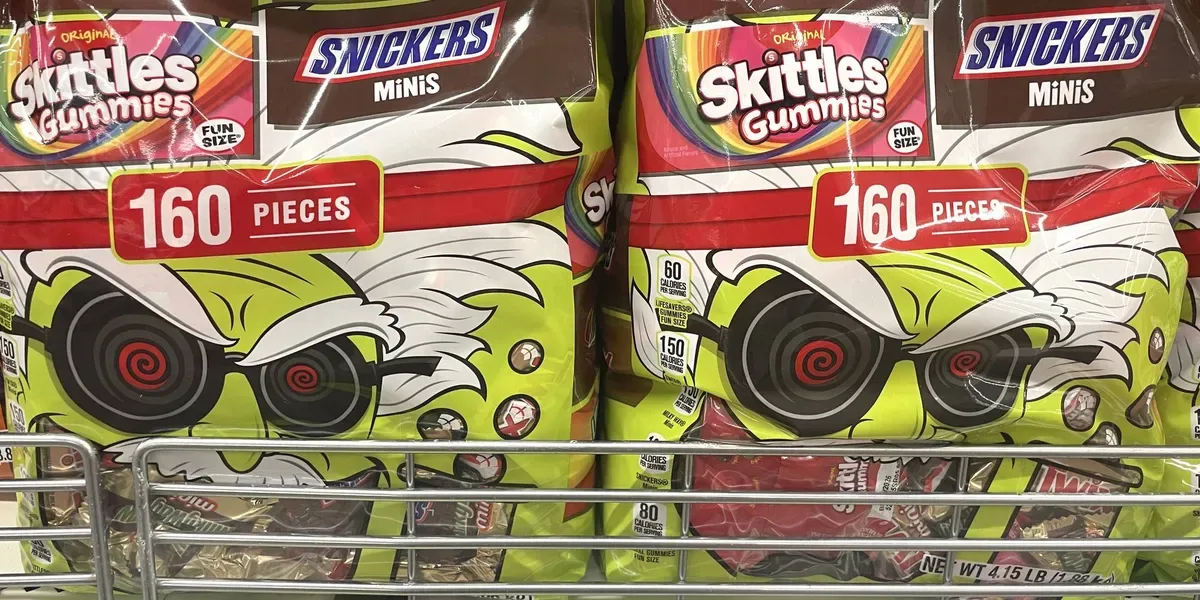
Halloween candy inventory in a retail store setting.
Which Confectionery Brands Saw the Largest Price Increases?
The price surges vary significantly across product lines, with chewy candies and variety packs bearing the heaviest increases. Leading the pack, multinational manufacturer Mondelez instituted a price spike exceeding 39% on its sour gummy candy variety pack within twelve months.
Traditional chocolate and seasonal sweets manufacturers followed closely with substantial adjustments of their own:
- Mondelez Sour Gummy Variety Pack: Increased by over 39%
- Hershey Variety Pack: Increased by nearly 20%
- Ferrero Chocolate Pack: Increased by 19%
- Mars Chocolate Variety Pack: Increased by over 13%
- Tootsie Seasonal Lollipops: Increased by over 7%
These retail price shifts have reshaped how shoppers plan their festive purchases, leaving many consumers searching for cheaper alternatives before trick-or-treaters arrive.
Tariffs, Packaging, and the Commodity Squeeze
Two primary external forces have driven the cost spikes: trade policy and weather-related commodity shortages. Global aluminum tariffs and geopolitical conflict have pushed up the direct expenses associated with foil wrappings and protective candy packaging.
Simultaneously, agricultural raw materials have encountered supply-side shocks. A report highlighted by The Cleveland Plain Dealer noted that sugar costs climbed steeply due to poor weather conditions and diminished production forecasts across primary sugar-producing territories worldwide.
The Disconnect Between Corporate Relief and Retail Costs
Despite these manufacturing headwinds, consumer research exposes a clear contradiction between company balance sheets and retail price tags. Several candy producers secured key tariff exemptions for cocoa imports alongside direct refunds for past tariff charges, yet consumer pricing continued to rise.
Hershey’s profit margin jumped 50% year over year, helped by pocketing a $9 million tariff refund that never made its way back to shoppers, while Mondelez saw a similar 30% bump in margins.
Rather than passing government rebates and duty exemptions down to shoppers, manufacturers channeled the relief into higher bottom-line profitability.
| Brand / Entity | Observed Financial Metric |
|---|---|
| Mondelez Sour Gummy Pack | Price increase over 39% |
| Hershey Variety Pack | Price increase nearly 20% |
| Hershey Corporate Margin | Profit margin jumped 50% year-over-year |
| Mondelez Corporate Margin | Profit margin expanded by 30% |
| Ferrero Chocolate Pack | Price increase of 19% |
| Mars Variety Pack | Price increase over 13% |
| Tootsie Seasonal Lollipops | Price increase over 7% |
Consumer Sentiment and Budget Adjustments
With consumer sentiment dropping to record lows amid wider spikes in grocery and gasoline expenses, the jump in Halloween candy prices is reshaping family spending habits. According to a LendingTree survey, 23% of Americans plan to purchase fewer holiday goods this season compared to last year.
Financial strain is compounding as 24% of survey respondents reported that they expect to take on personal debt just to cover their holiday celebration costs. Analysts caution that households will increasingly downsize treat packages, swapping full-sized portions for miniature alternatives to absorb the retail inflation.
💡 Navigating these seasonal retail price spikes requires extra attention to unit costs and smaller pack sizes.
🔍 Have you noticed steep jumps in your favorite Halloween treats this season?
👇 Leave your thoughts in the comments below and share how you are managing holiday spending.