
What Does a Teal Pumpkin Mean on Halloween? The Non-Candy Trick-or-Treat Sign Explained

 Halloween Food & Parties
What Does a Teal Pumpkin Mean on Halloween? The Non-Candy Trick-or-Treat Sign Explained
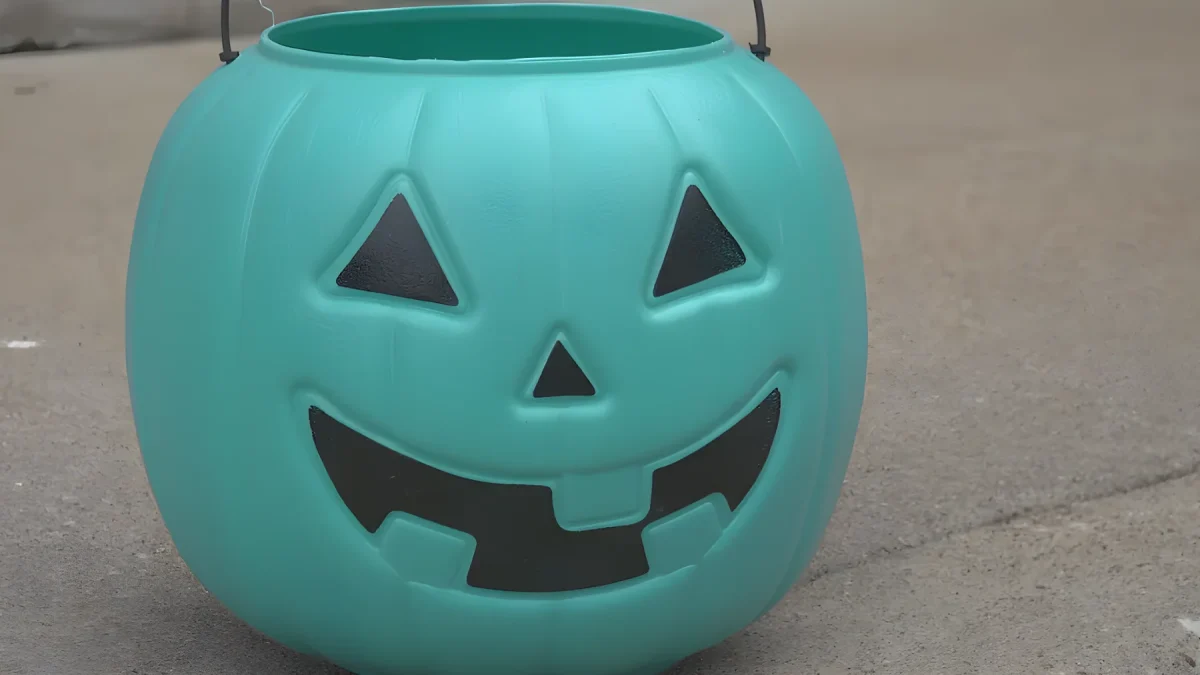
A teal pumpkin placed on a porch or at an event booth signals that a stop offers non-candy goodies, including small toys and stickers, ensuring children with food allergies can trick-or-treat safely. The visual marker provides an immediate indicator for parents navigating food restrictions, guaranteeing an inclusive experience across neighborhood streets and downtown festivities.
For families managing severe dietary restrictions, traditional trick-or-treating presents constant hazards. Standard sweet treats often contain common allergens, leaving children excluded from standard holiday activities. Placing a teal-colored pumpkin changes the dynamic entirely by removing edible risks from the exchange.
How Teal Pumpkin Stops Protect Kids During Trick-or-Treat Events
Organizers and community districts increasingly integrate these dedicated locations into official holiday schedules. During community celebrations—such as The District’s Trick or Treat on Saturday, Oct. 24, starting at 10 a.m.—designated stops give families reliable checkpoints where candy is replaced with safe alternatives.
“It’s important that we can be inclusive to kids that maybe have allergies and can’t take candy or maybe they have something else going on and they can’t eat a whole bunch of candy. So, it’s important for families to feel included, for parents, for their kids to feel that they’re included too,” said Brianna Rivera, Executive Director of The District.
The practice eliminates guesswork for guardians who otherwise spend the evening inspecting ingredient lists or confiscating treats. Knowing ahead of time that a stop is prepared with allergen-free options relieves stress and keeps the focus on celebrating.
What to Provide at an Allergy-Safe Station
Participating in this initiative does not require complicated preparation. Anyone welcoming trick-or-treaters can establish an inclusive stop by providing simple, non-edible items that keep children engaged:
- Stickers and temporary tattoos that kids can use immediately during festivities.
- Small novelty toys, such as glow sticks, rings, or mini figures.
- Separate storage bins to ensure non-candy items never come into contact with traditional confectionery.
Comparing Traditional and Teal Trick-or-Treat Stations
Understanding the distinction between standard holiday stations and allergy-aware stops helps communities coordinate safer events for everyone involved.
| Station Type | Primary Items Offered |
|---|---|
| Traditional Stop | Standard candy, chocolate bars, and conventional sweets |
| Teal Pumpkin Stop | Non-edible items, including stickers, glow novelties, and small toys |
By offering non-food alternatives, neighborhoods and local business districts ensure that children who cannot eat sweets due to medical conditions or family choices remain full participants in the holiday excitement.
💡 Setting out a painted pumpkin or teal sign takes minimal effort but delivers immense peace of mind to visiting parents.
🔍 Check local community schedules and district announcements to locate designated non-candy stops before heading out this season.
👇 Leave your thoughts in the comments below and tell us what non-candy items your household plans to hand out this year!